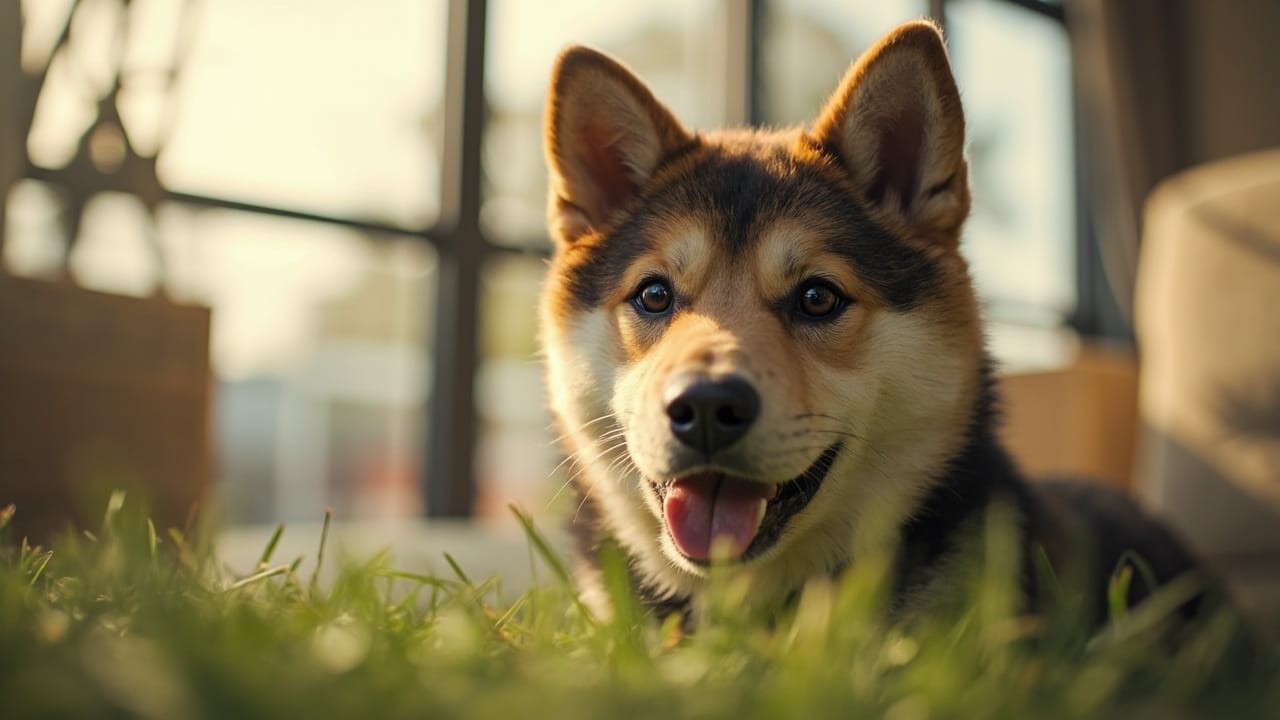
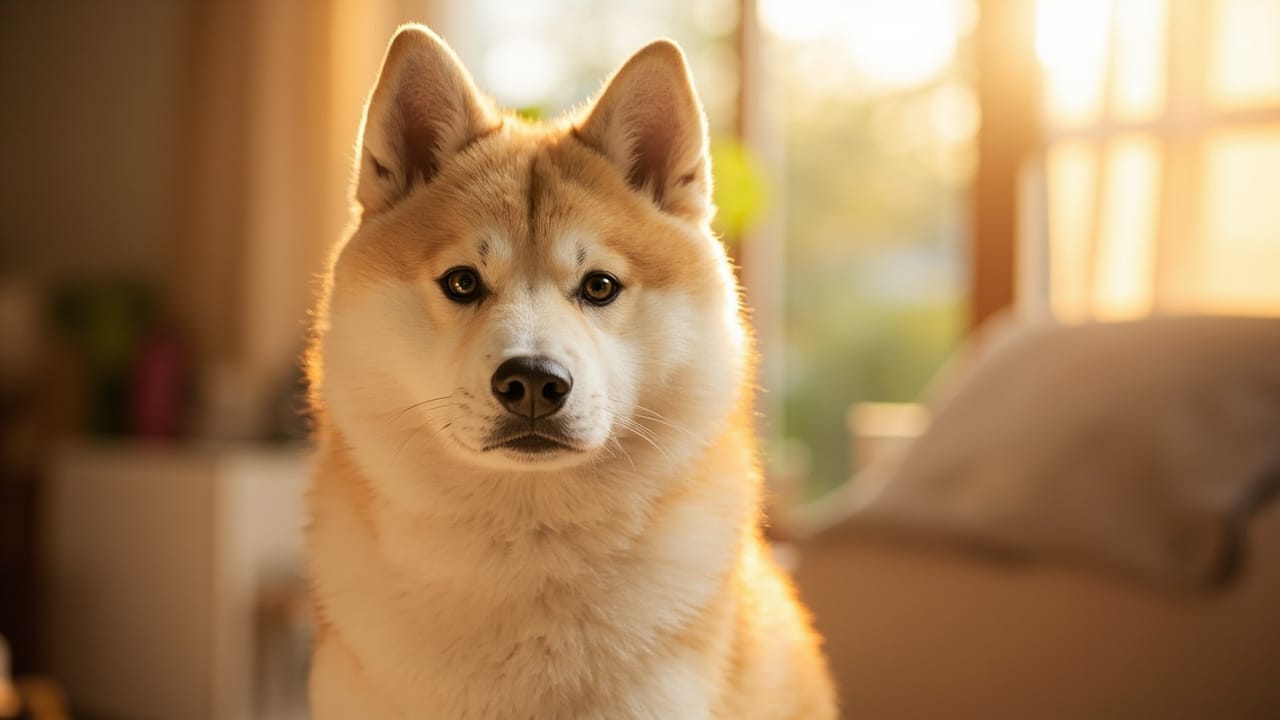
Hvorfor skjelver Shiba Inuen min når den sover? (Veterinærveiledning)
Shiba Inus vrir seg, «padler» og pipe ofte i søvne fordi de drømmer – mest sannsynlig i REM-søvn. Sporadiske søvnskjelvinger er en normal del av hundens søvnsyklus og er som regel ingen grunn til bekymring. Vedvarende, voldsom eller helkropps skjelving som fortsetter i våken tilstand, bør undersøkes av veterinær.
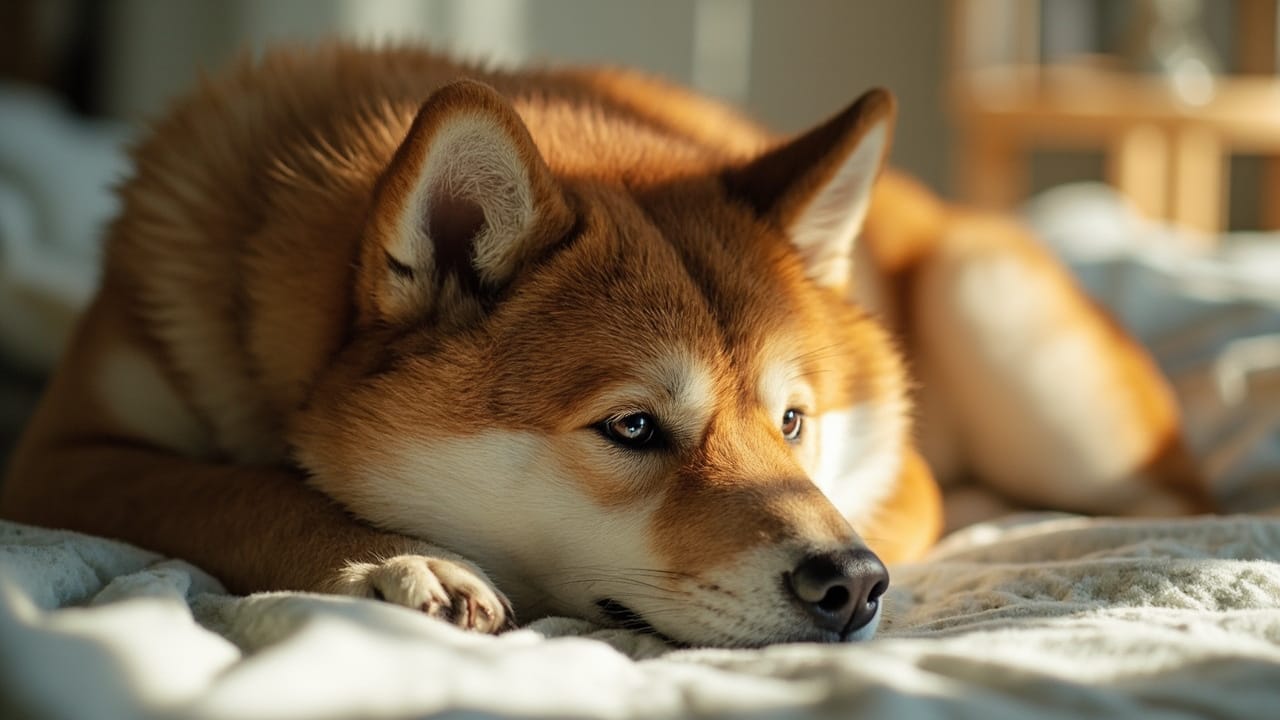
Hvis Shiba Inuen din skjelver, vrir seg eller «padler» i søvne, er det korte svaret: hunden din drømmer nesten helt sikkert, og det er helt normalt. Som alle hunder går Shibaer gjennom lettvannsøvn, dyp søvn og REM-søvn (rapid eye movement), stadiet der de fleste drømmer forekommer. I REM-søvn er hjernen svært aktiv, men kroppen er normalt lammet – likevel slipper små rykk i ansikt, bein og hale gjennom. Kombiner dette med Shiba Inuens naturlig våkne, lett-muskelte bygning, og søvnbevegelsene kan se dramatiske ut.
Det sagt, ikke hvert skjelv er en drøm. Nedenfor finner du en veterinærinformert gjennomgang av de vanligste årsakene, hvordan du skiller drømming fra noe mer alvorlig, og når du bør kontakte veterinær.
Normal drømming hos Shiba Inu (REM-søvn)
Hunder går inn i REM-søvn omtrent 10–20 minutter etter at de har sovnet. Valper og yngre hunder drømmer oftere enn eldre hunder, og mindre raser som Shibaer har en tendens til hyppigere og mer livlige REM-perioder enn store raser. I dette stadiet kan du legge merke til:
- Øyebevegelser under lukkede øyelokk
- Rykkende ører, værhår, lepper eller poter
- Milde padle- eller sparkebevegelser
- Myke pip, bjeff eller knurring
- Lette kroppsrystelser eller skjelvinger
- Halevifting i søvne
Disse episodene varer vanligvis 1–5 minutter. Hunden reagerer ikke på milde signaler, og bevegelsene stopper i det øyeblikket den våkner. Dette er sunn hjerneaktivitet og et tegn på normal søvnarkitektur.
Hvorfor Shibaer virker til å skjelve mer
Noen rasespesifikke faktorer gjør søvnskjelvinger hos Shiba Inu mer synlige for eiere:
- Slank, muskuløs bygning – mindre kroppsfett betyr at hvert rykk synes gjennom pels og hud.
- Stramt krøllet eller stiv sovestilling – spenning i ryggrad og bein gjør små bevegelser skarpere i utseendet.
- Sterkt jaktinstinkt og våkent temperament – Shibaer prosesserer mye sanseinformasjon i løpet av dagen, og dette flyter ofte over i livlig drømmeinnhold (jakt, vakthold, «Shiba 500» innendørs).
- Følsomt nervesystem – rasen er kjent for å være reaktivt; dette gir seg også utslag i mer uttryktsfull REM-aktivitet.
Når søvnskjelvinger IKKE er normale
Skjelving som går utover lette rykk bør vurderes. Varseltegn inkluderer:
- Voldsom, helkropps risting som ikke stopper når du roper hundens navn
- Stivning av beina eller stiv holdning (mulig anfall)
- Tap av blære- eller tarmkontroll under episoden
- Salivasjon, skumming rundt munnen eller uvanlige øyebevegelser
- Episoder som varer mer enn noen få minutter eller opptrer flere ganger per natt
- Skjelvinger som fortsetter etter oppvåkning eller opptrer når hunden er våken og i ro
Hvis noe av dette forekommer, ta en kort video til veterinæren din og bestill time snarest.
Medisinske årsaker til søvnskjelvinger hos Shiba Inu
Noen tilstander som rammer Shibaer mer enn gjennomsnittet kan gi søvnrelatert skjelving:
- Anfallslidelser (epilepsi) – kan forekomme under søvn; innebærer vanligvis tonisk-kloniske bevegelser og forvirring etterpå.
- Hypotyreose – vanlig hos middelaldrende Shibaer; kan gi generell skjelving og tretthet.
- Smerter eller leddproblemer – løs kneskål (patellaluksasjon) eller tidlig hofteleddsdysplasi (~7,6 % av Shibaer ifølge OFA) kan føre til skjelving når hunden skifter stilling i søvne.
- Generalisert tremorsyndrom – sjeldent, men dokumentert hos små raser.
- Kalde omgivelser – Shibaer tåler kulde godt, men valper, eldre hunder og små tisper (~8 kg) kan skjelve i et kjølig rom.
- Angst eller stress – Shibaer er følsomme; en stressende dag fører ofte til en mer urolig, rykkende natt.
- Bivirkninger av medisiner – gjennomgå eventuelle nye legemidler eller kosttilskudd med veterinæren din.
Hva du kan gjøre hjemme
Som oftest er det ikke nødvendig å gjøre noe. Noen praktiske tips:
- La sovende hunder ligge – å vekke en drømmende Shiba kan skremme den og utløse det beryktede «Shiba-skriket».
- Sørg for en koselig, trekkfri seng i et rolig hjørne; mange Shibaer foretrekker et litt innelukket, hulelignende rom.
- Hold en stabil dagsrutine for å redusere stressdrevet REM-aktivitet.
- Hold en sunn vekt (Shibaer er utsatt for patellaproblemer som forverres av overvekt).
- Noter hyppighet, varighet og utløsende faktorer, og del denne loggen med veterinæren din ved neste helsesjekk.
Når du bør oppsøke veterinær
Bestill en sjekk hvis skjelvingene er nye, forverres, opptrer i våken tilstand, eller er ledsaget av andre symptomer som appetittforandringer, matt pels, vektøkning eller atferdsendringer. En standard utredning for en Shiba Inu inkluderer den CHIC-anbefalte screeningen: OFA hofter, OFA patella og en CAER-øyeundersøkelse, samt en thyroideaprofil hvis symptomene passer. Med en levetid på 13–16 år kan tidlig oppdagelse gi dere mange gode år sammen.
Kort oppsummert: Det store flertallet av søvnskjelvinger hos Shiba Inu er ufarlig drømmeaktivitet. Stol på instinktene dine – hvis det ser ut som drømming, er det nesten alltid det. Hvis det ser ut som et anfall, skal du behandle det som det og kontakte veterinæren din.
FAQ
Er det normalt at Shiba Inuen min skjelver når den sover?
Ja. Lette rykk, padling og mild skjelving under søvn er normal REM-drømmeaktivitet, spesielt hos våkne, slankmusklede raser som Shiba Inu.
Bør jeg vekke Shiba Inuen min hvis den rykker i søvne?
Nei. Å vekke en drømmende Shiba kan skremme den og kan utløse rasens beryktede skrik. Vekk hunden din kun hvis bevegelsene ser voldsomme ut, varer flere minutter, eller innebærer stivhet eller tap av blærekontroll.
Hvordan vet jeg om Shibaen min drømmer eller har et anfall?
Drømming gir myke rykk, normal pust, og hunden våkner normalt. Anfall innebærer voldsom helkroppsristing, stive bein, mulig sikling eller tap av blærekontroll, og forvirring etterpå. Ta opp enhver episode og del den med veterinæren din.
Kan hypotyreose få Shibaen min til å skjelve i søvne?
Ja. Hypotyreose er en av de vanligste hormonforstyrrelsene hos Shiba Inu og kan gi generell skjelving, tretthet og pelsforandringer. En enkel blodprøve (thyroideaprofil) kan bekrefte det, og behandlingen er som regel svært effektiv.
⚕️ This article is researched from the AKC and NIPPO breed standards, OFA/CHIC health data and veterinary sources. It is for general information only and is not a substitute for advice from your own veterinarian.