Jak Shiba Inu znosi zimne klimaty? Kompletny przewodnik
Shiba Inu znosi zimne klimaty zaskakująco dobrze dzięki swojej gęstej podwójnej sierści i północnojapońskiemu dziedzictwu, tolerując temperatury do około -7°C (20°F). Mogą krótkotrwale wytrzymać większe mrozy, ale nie są przystosowane do ekstremalnych warunków poniżej zera i wymagają dodatkowych środków ostrożności, gdy temperatura spada poniżej -18°C (0°F).
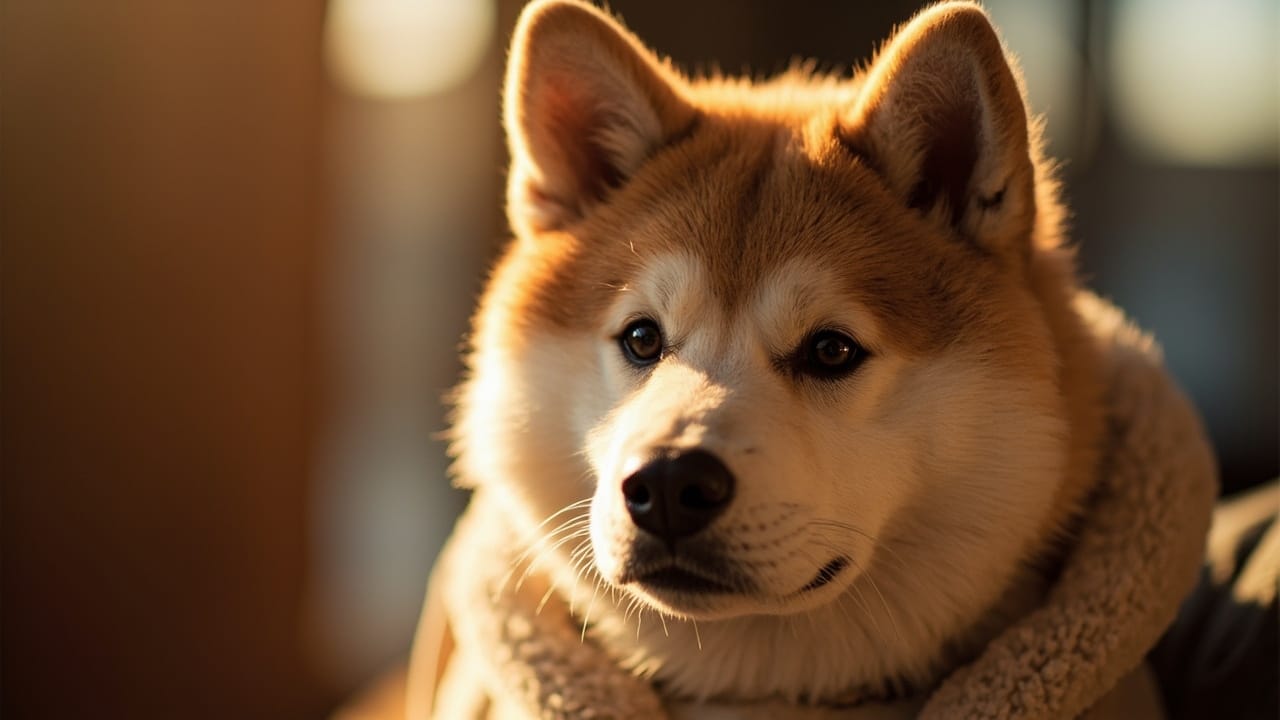
Shiba Inu to zaskakująco odporne na zimno psy, a ich reputacja jako wytrzymałej japońskiej rasy jest w pełni zasłużona. Wyhodowane w górskich regionach centralnej Japonii, Shiba wykształciła gęstą podwójną sierść, która izoluje od śniegu, wiatru i marznącego deszczu. Większość dorosłych Shib czuje się komfortowo i pozostaje aktywna do około -7°C (20°F) i bez problemu znosi krótką ekspozycję na temperatury bliskie -15°C. Poniżej -18°C (0°F) jednak nawet grube futro Shiby zaczyna tracić swoją skuteczność i ważne staje się dodatkowe zabezpieczenie.
Dlaczego Shiba toleruje zimno lepiej niż większość ras spitz
Odporność Shiby na warunki atmosferyczne wynika z dwuwarstwowego systemu sierści, który wyewoluował do życia w zaśnieżonym, górskim terenie:
- Włos okrywowy: Proste, sztywne włosy, które odprowadzają wodę, śnieg i wiatr, zanim dotrą do skóry.
- Miękki podszerstek: Gęsty i wełnisty, zatrzymujący ciepło ciała przy skórze.
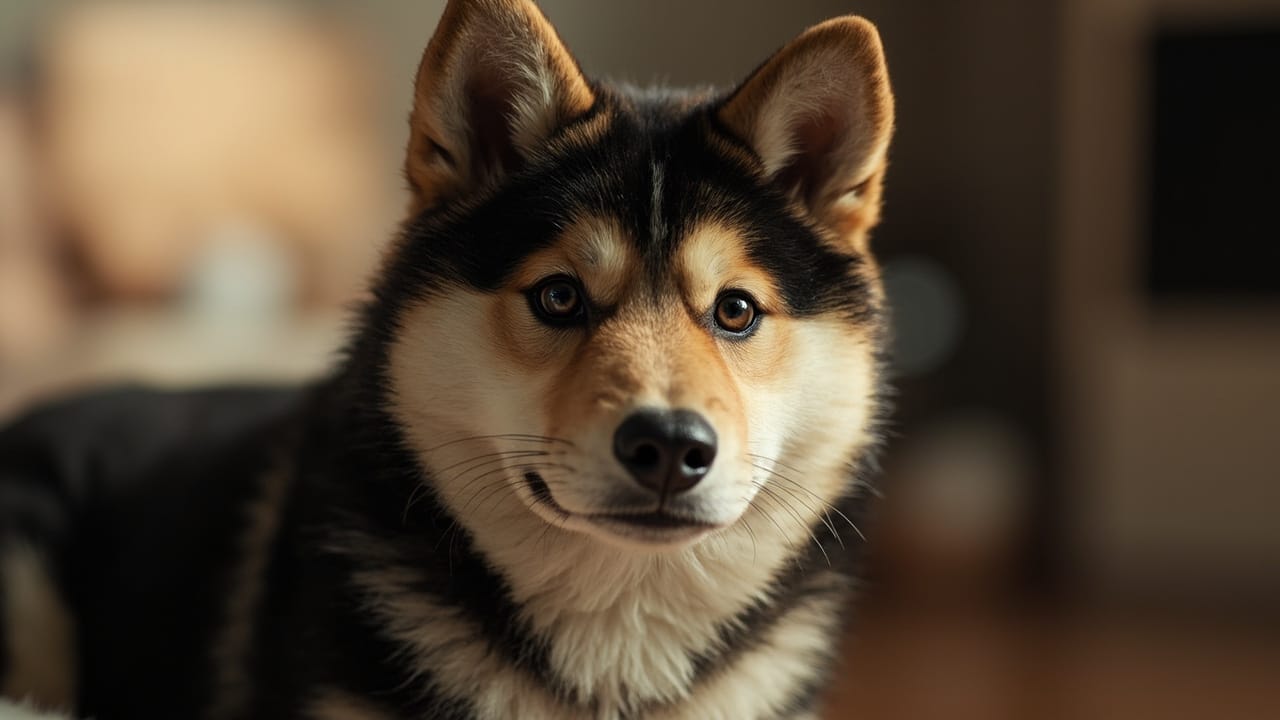
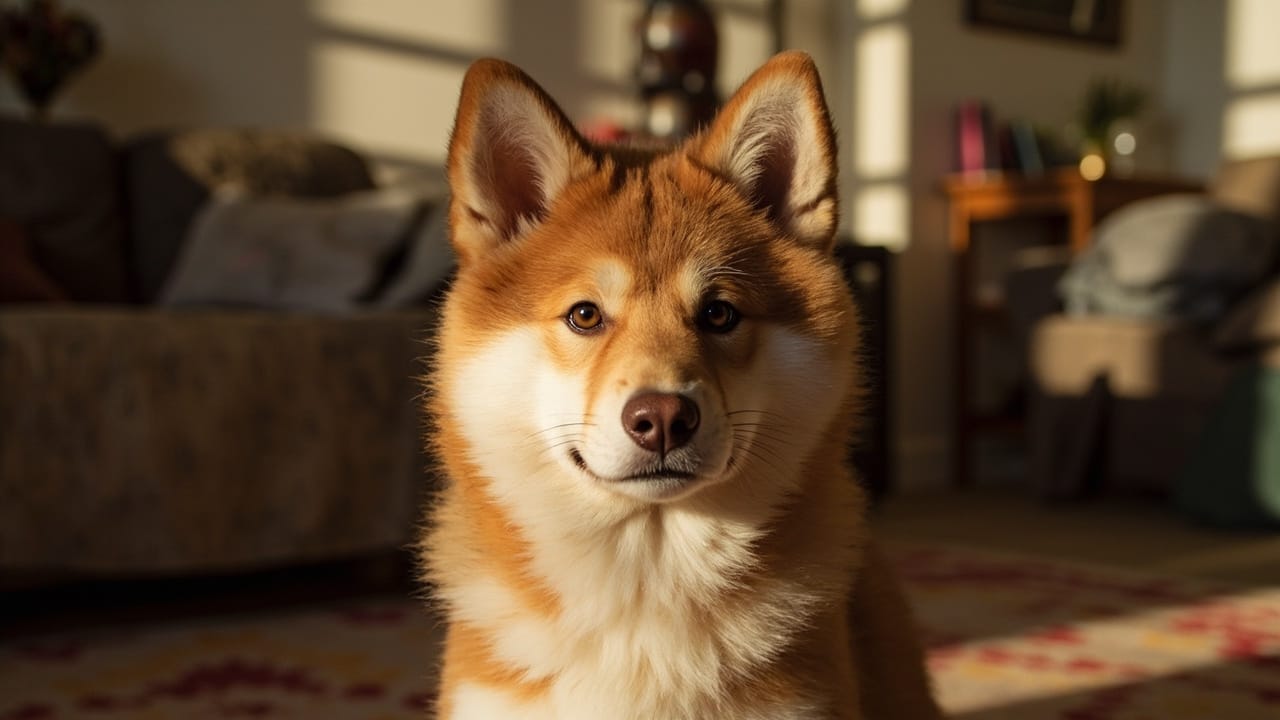
- Znaczenia urajiro: Kremowo-biała sierść na policzkach, klatce piersiowej i brzuchu nie jest jedynie kosmetyczna — te jaśniejsze obszary pomagają w kamuflażu na śniegu, ale mają też zwykle nieco gęstsze futro.
- Zwarta, muskularna budowa: Mierzące zaledwie 35–43 cm (13,5–17 cali) wzrostu i ważące 8–10 kg, Shiba ma niski środek ciężkości i mniejszą powierzchnię do utraty ciepła w porównaniu z wyższymi, szczuplejszymi rasami.
Ta izolacja sprawia, że Shiba słynnie uwielbiają drzemać w zaspach śnieżnych i zwijać się na zimnych kafelkowych podłogach — wielu właścicieli żartuje, że ich pies woli podłogę od legowiska, szczególnie zimą.
Wytyczne temperaturowe dla Shiba Inu
Oto praktyczny przegląd tego, jak Shiba zazwyczaj radzi sobie w różnych zakresach temperatur:
- Powyżej 7°C (45°F): Pełen komfort. Nie są potrzebne żadne specjalne środki ostrożności.
- -7°C do 7°C (20°F do 45°F): Idealny zakres. Shiba są wtedy najbardziej energiczne i skore do zabawy. Słynne „Shiba 500" — szaleńcze gonitwy — są szczególnie częste w chłodne dni.
- -18°C do -7°C (0°F do 20°F): Do opanowania na krótkie spacery i szybkie wyjścia na potrzeby fizjologiczne. Obserwuj drżenie, unoszenie łap lub niechęć do ruchu — to wyraźne sygnały, by wrócić do domu.
- Poniżej -18°C (0°F): Ogranicz czas na zewnątrz do kilku minut. Używaj kurtki lub sweterka, szczególnie podczas spacerów przy silnym wietrze.
- Poniżej -23°C (-10°F): Całkowicie zrezygnuj z dłuższych wyjść. Nawet odporna na zimno Shiba może dostać odmrożeń na uszach, końcówce ogona lub opuszkach łap przy dłuższej ekspozycji.
Szczenięta, seniorzy oraz chude lub małe Shiba odczuwają zimno szybciej niż zdrowe dorosłe osobniki w sile wieku.
Porady dotyczące opieki zimowej dla właścicieli Shiba z zimnych regionów
Nawet z naturalną zimową sierścią kilka prostych nawyków zapewnia Shibie bezpieczeństwo i szczęście w chłodne dni:
- Przez większość dni rezygnuj z kurtki. Podwójna sierść zdrowej dorosłej Shiby przewyższa większość syntetycznych kurtek. Ubranie może w rzeczywistości spłaszczyć izolujący podszerstek i sprawić, że psu będzie zimniej. Kurtki stosuj u chorych, starszych, bardzo młodych lub przy naprawdę ekstremalnych mrozach.
- Chroń łapy. Po spacerach wytrzyj łapy, by usunąć sól z topniejącego lodu, która może podrażniać skórę i być toksyczna po zlizaniu. Rozważ wosk Musher's lub buty dla psa w lodowate dni, ale wprowadzaj buty stopniowo — większość Shib zdecydowanie protestuje przy pierwszym kontakcie.
- Utrzymuj sierść na brzuchu w czystości. Śnieg, breja i kulki lodu mogą filcować sierść na nogach i brzuchu. Szybkie szczotkowanie po śnieżnych spacerach zapobiega bolesnemu kołtunieniu.
- Dbaj o sierść, nie strzyż jej. Wielu właścicieli Shib w panice strzyże psy latem, ale nigdy nie strzyż Shiby zimą — sierść jest jej systemem grzewczym.
- Świadomość linienia. Shiba „zdmuchują" podszerstek dwa razy w roku, zwykle wiosną i jesienią. Podczas jesiennego linienia faktycznie odrasta im grubsza zimowa sierść w ciągu kilku tygodni.
- Obserwuj miski z wodą. Woda na zewnątrz szybko zamarza. Sprawdzaj miski dwa razy dziennie lub używaj podgrzewanej miski.
- Temperatura w domu ma znaczenie. Ponieważ Shiba są stworzone do zimna, w rzeczywistości dobrze się czynią w chłodniejszych domach (15–20°C). O wiele bardziej prawdopodobne jest, że przegrzeją się w gorącym mieszkaniu, niż ucierpią w chłodnym.
Zagrożenia zdrowotne w chłodne dni, na które warto uważać
Shiba są ogólnie zdrowe i długowieczne (średnio 13–16 lat), ale chłodna pogoda może uwydatnić lub pogorszyć kilka schorzeń:
- Niedoczynność tarczycy: Częsta u tej rasy, może obniżać tolerancję na zimno poprzez spowolnienie metabolizmu.
- Dysplazja stawu biodrowego i zwichnięcie rzepki: Oblodzone, śliskie powierzchnie zwiększają ryzyko poślizgnięć i urazów stawów. Rampy i dywaniki na śliskich podłogach pomagają w domu.
- Atopowe zapalenie skóry: Suche zimowe powietrze może wywoływać nawroty. Nawilżacz i suplementy omega-3 często pomagają.
- Zaostrzenia artretyzmu u seniorów: Zimna i wilgotna pogoda usztywnia stawy. Łóżka ortopedyczne i wsparcie stawów mogą zapewnić starszym Shibom komfort.
Jeśli Shiba uporczywie drży, unosi łapę, wydaje się sztywna lub ospała, albo skomli, by wejść do środka, potraktuj ten sygnał poważnie. Shiba są stoickie i nie skarżą się łatwo — kiedy to robią, zwykle oznacza to, że było im zimno już od dłuższego czasu.
Shiba vs. prawdziwe rasy arktyczne
Warto wiedzieć, gdzie Shiba plasuje się w spektrum tolerancji na zimno. W porównaniu z północnymi rasami pracującymi, Shiba jest umiarkowanie odporna na zimno:
- Bardziej odporna na zimno niż: większość psów gończych, retrieverów, ras krótkowłosych i ras miniaturowych.
- W przybliżeniu równa: Akitom, Kai Ken i innym japońskim rasom typu spitz.
- Mniej odporna na zimno niż: Siberian Husky, Alaskan Malamute, Samoyed czy American Eskimo Dog.
Różnica wynika z rozmiaru i pierwotnego przeznaczenia. Husky i Malamuty były hodowane do ciągnięcia sań przez wiele godzin w głębokim arktycznym mrozie; Shiba była hodowana do wypłaszania drobnej zwierzyny w górskich, ale stosunkowo łagodniejszych japońskich zimach.
Podsumowanie
Shiba Inu są doskonale przystosowane do zimnych klimatów i są jedną z najlepszych ras małych i średnich dla właścicieli mieszkających w chłodniejszych rejonach. Ich podwójna sierść, zwarta budowa i górskie japońskie dziedzictwo pozwalają im dobrze radzić sobie w większości umiarkowanych i północnych zim bez większego wysiłku. Zapewnij podstawową ochronę łap, obserwuj sygnały behawioralne i zrezygnuj z uroczego sweterka, chyba że warunki są ekstremalne — Twoja Shiba prawdopodobnie będzie tą, która będzie się domagać pozostania na śniegu na długo po tym, jak Ty zechcesz wejść do domu.
FAQ
Czy Shiba Inu mogą spać na zewnątrz zimą?
Nie. Nawet odporne na zimno Shiba powinny zimą spać w domu. Długotrwała ekspozycja na temperatury poniżej zera grozi odmrożeniami uszu, ogona i łap, a Shiba są psami towarzyszącymi, które potrzebują kontaktu z rodziną.
Czy Shiba Inu potrzebują swetrów lub kurtek na śniegu?
Większość zdrowych dorosłych Shib nie potrzebuje ubrań — ich podwójna sierść przewyższa syntetyczne tkaniny. Kurtki są przydatne jedynie dla szczeniąt, seniorów, chorych psów lub przy naprawdę ekstremalnych mrozach.
W jakiej temperaturze jest za zimno dla Shiba Inu?
Dorosłe Shiba bez problemu znoszą temperatury do około -7°C (20°F). Poniżej -18°C (0°F) ogranicz czas na zewnątrz i uważnie obserwuj, czy nie pojawia się drżenie lub unoszenie łap.
Dlaczego moja Shiba Inu uwielbia leżeć w śniegu?
Shiba były hodowane w zimnej, górzystej Japonii i mają gęstą podwójną sierść przystosowaną do śniegu i wiatru. Leżenie w śniegu to dla nich naturalne, komfortowe zachowanie i oznaka, że ich sierść działa prawidłowo.