Shiba Inu utyka lub trzyma łapę w górze: przyczyny i co robić
Shiba Inu często utykają z powodu zwichnięcia rzepki, dysplazji stawów biodrowych, urazów więzadła krzyżowego lub problemów z opuszkami łap. Jeśli Twój Shiba nagle trzyma łapę w górze, ogranicz aktywność i skontaktuj się z weterynarzem w ciągu 24 godzin — przedłużające się utykanie może pogorszyć uszkodzenie stawu i prowadzić do przewlekłego bólu.
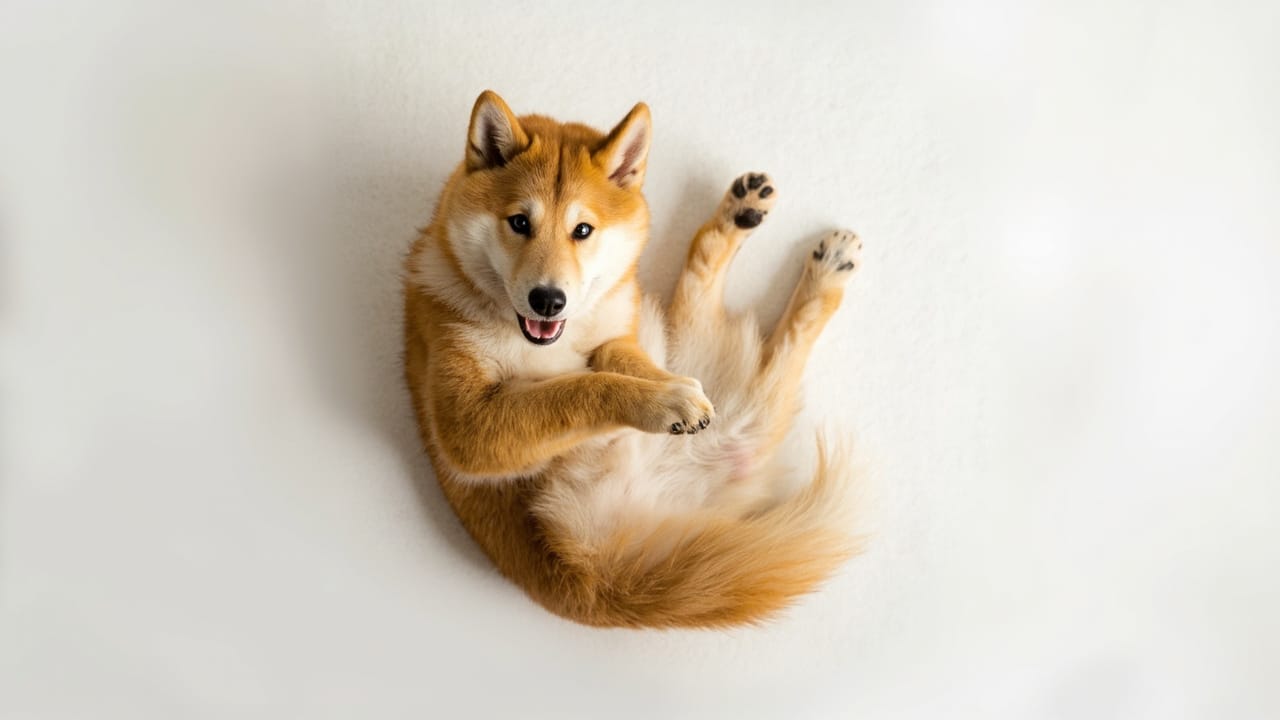
Shiba Inu, który utyka lub trzyma łapę w górze, niemal zawsze sygnalizuje ból gdzieś w kończynie, kręgosłupie lub łapie. Ponieważ Shiba są stoickie, nawet łagodne kiwanie głową lub sporadyczne przeskakiwanie kroków zasługuje na uwagę. Najczęstsze przyczyny w tej rasie to zwichnięcie rzepki, dysplazja stawów biodrowych, naderwanie więzadła krzyżowego doczaszkowego (CCL/ACL), urazy łap oraz zaostrzenia atopowego zapalenia skóry między palcami.
Najczęstsze przyczyny utykania u Shiba Inu
Zwichnięcie rzepki. To najczęstszy problem ortopedyczny w tej rasie. Rzepka wysuwa się ze swojego rowka, powodując, że Twój Shiba nagle przeskakuje, podskakuje lub trzyma tylną łapę w górze przez kilka kroków, zanim wróci do normy. Stopnie 1–2 są często leczone suplementami na stawy i kontrolą masy ciała; stopnie 3–4 zwykle wymagają operacji.
Dysplazja stawów biodrowych. Około 7,6% Shibów badanych przez OFA ma dysplazję bioder. Szukaj chodu „króliczego", niechęci do wchodzenia po schodach lub sztywności po odpoczynku. Wczesna diagnoza dzięki zdjęciom rentgenowskim bioder w standardzie OFA (część panelu rekomendowanego przez CHIC) pozwala spowolnić postęp choroby za pomocą glukozaminy, kontrolowanego wysiłku i kontroli masy ciała.
Uraz więzadła krzyżowego (ACL/CCL). Shiba, który nagle trzyma tylną łapę w górze i nie obciąża jej, może mieć naderwane więzadło krzyżowe doczaszkowe. To jedna z najczęstszych przyczyn nagłego, całkowitego braku obciążania kończyny u psów i prawie zawsze wymaga chirurgicznej stabilizacji.
Problemy z łapami i opuszkami. Skaleczenia, źdźbła trawy, złamane pazury, oparzenia od gorącego asfaltu lub cysty między palcami (często powiązane z atopowym zapaleniem skóry, nr 1 wśród problemów zdrowotnych Shibów) powodują wyraźne utykanie. Sprawdź dokładnie między każdym palcem i obejrzyj powierzchnię opuszki.
Inne przyczyny do wykluczenia: choroby odkleszczowe (borelioza, anaplazmoza), pierwotna jaskra z zamkniętym kątem (może powodować potrząsanie głową/utykanie na przednią łapę z powodu bólu rzutowanego), naciągnięcie ścięgna rzepki u aktywnych młodych Shibów oraz naderwania tkanek miękkich podczas słynnych „Shiba 500" — szalonych wyścigów po domu.
Co zrobić teraz
- Przerwij wszelką aktywność bez smyczy i zamknij swojego Shibę w małym pokoju lub kojcu.
- Sprawdź dokładnie łapę: pazury, opuszki, przestrzenie między palcami, błonę. Usuń tylko widoczne zanieczyszczenia.
- Delikatnie obmacaj całą łapę od palców po biodro, zwracając uwagę na jakikolwiek pisk, obrzęk, ciepło lub chrupanie.
- NIE podawaj ludzkich leków przeciwbólowych — ibuprofen i paracetamol są toksyczne dla psów.
- Zanotuj, kiedy to się zaczęło i czy nastąpiło nagle, czy stopniowo.
Kiedy natychmiast jechać do weterynarza
Jedź tego samego dnia, jeśli Twój Shiba:
- Odmawia obciążenia jakiejkolwiek łapy
- Ma spuchnięty, gorący staw
- Skowyczy, sapie lub drży
- Ma widoczne krwawienie, zwisającą kończynę lub łapę ułożoną pod dziwnym kątem
- Ma gorączkę lub nie chce jeść
Umów wizytę u weterynarza w ciągu 24–48 godzin przy każdym utykaniu trwającym dłużej niż dzień, nawracającym lub towarzyszącym mu sztywności przy wstawaniu.
Diagnostyka i leczenie
Weterynarz przeprowadzi badanie ortopedyczne i neurologiczne, często ze zdjęciem RTG w standardzie OFA. W przypadku podejrzenia choroby więzadła krzyżowego stosuje się test szufladkowy i test kompresji piszczeli w sedacji. Leczenie waha się od odpoczynku i NLPZ przy łagodnych naderwaniach do operacji TPLO/TTA przy naderwaniach ACL oraz pogłębienia rowka rzepki przy zwichnięciu rzepki.
Utrzymuj prawidłową, szczupłą masę ciała (~10 kg u samców, ~8 kg u samic) — nawet dodatkowy kilogram dramatycznie zwiększa obciążenie stawów u małej rasy.
Wskazówki profilaktyczne
- Utrzymuj swojego Shibę w prawidłowej masie ciała
- Stosuj suplementy wspierające stawy (glukozamina, chondroityna, omega-3) profilaktycznie po 5. roku życia
- Unikaj powtarzających się skoków z wysokości
- Rozgrzewaj psa przed aportowaniem i ochładzaj po
- Regularnie szczotkuj sierść podczas dwóch corocznych linień, aby zapobiec podrażnieniom skóry, które prowadzą do lizania łap i utykania
Shiba, który utyka, rzadko jest nagłym przypadkiem, który można zignorować, ale przy szybkim odpoczynku i terminowej wizycie u weterynarza większość przyczyn dobrze się rozwiązuje, a Twój pies może pozostać aktywny przez typową dla rasy długość życia wynoszącą 13–16 lat.
FAQ
Czy zwichnięcie rzepki jest częste u Shiba Inu?
Tak, to jeden z najczęstszych problemów ortopedycznych w tej rasie. Łagodne przypadki powodują sporadyczne przeskakiwanie; ciężkie przypadki wymagają operacji.
Czy mogę podać mojemu Shiba Inu ibuprofen na ból przy utykaniu?
Nie. Ibuprofen, paracetamol i naproksen są toksyczne dla psów. Stosuj wyłącznie leki przeciwbólowe przepisane przez weterynarza.
Jak odróżnić naderwanie ACL od zwykłego naderwania u mojego Shiba?
Naderwanie ACL zwykle powoduje nagłą, całkowitą utratę obciążania kończyny i obrzęk kolana. Naderwanie mięśni/więzadeł wyraźnie poprawia się w ciągu 24–48 godzin odpoczynku; uraz ACL — nie. Weterynarz potwierdza to badaniem ortopedycznym i zdjęciami RTG.
Czy powinienem wyprowadzać mojego Shiba Inu na spacer, jeśli utyka?
Spacery powinny być bardzo krótkie (5 minut, na smyczy, tylko na potrzeby fizjologiczne), dopóki weterynarz nie zbada łapy. Kontynuowanie aktywności może przekształcić drobne naciągnięcie w naderwanie więzadła.
⚕️ This article is researched from the AKC and NIPPO breed standards, OFA/CHIC health data and veterinary sources. It is for general information only and is not a substitute for advice from your own veterinarian.