Piele uscată și mâncărime la Shiba Inu: Cauze, ameliorare și prevenire
Majoritatea problemelor de piele uscată și mâncărime la Shiba Inu sunt cauzate de alergii de mediu (dermatită atopică), o dietă necorespunzătoare sau de năpârlirea sezonieră. Ameliorarea vine de la un diagnostic veterinar, o dietă bogată în omega-3, controlul puricilor, șampoane hipoalergenice și o îngrijire constantă a blănii în perioada de năpârlire. Deoarece dermatita atopică este una dintre cele mai frecvente afecțiuni cronice ale rasei, mâncărimea persistentă necesită întotdeauna o vizită la veterinar, nu doar remedii casnice.
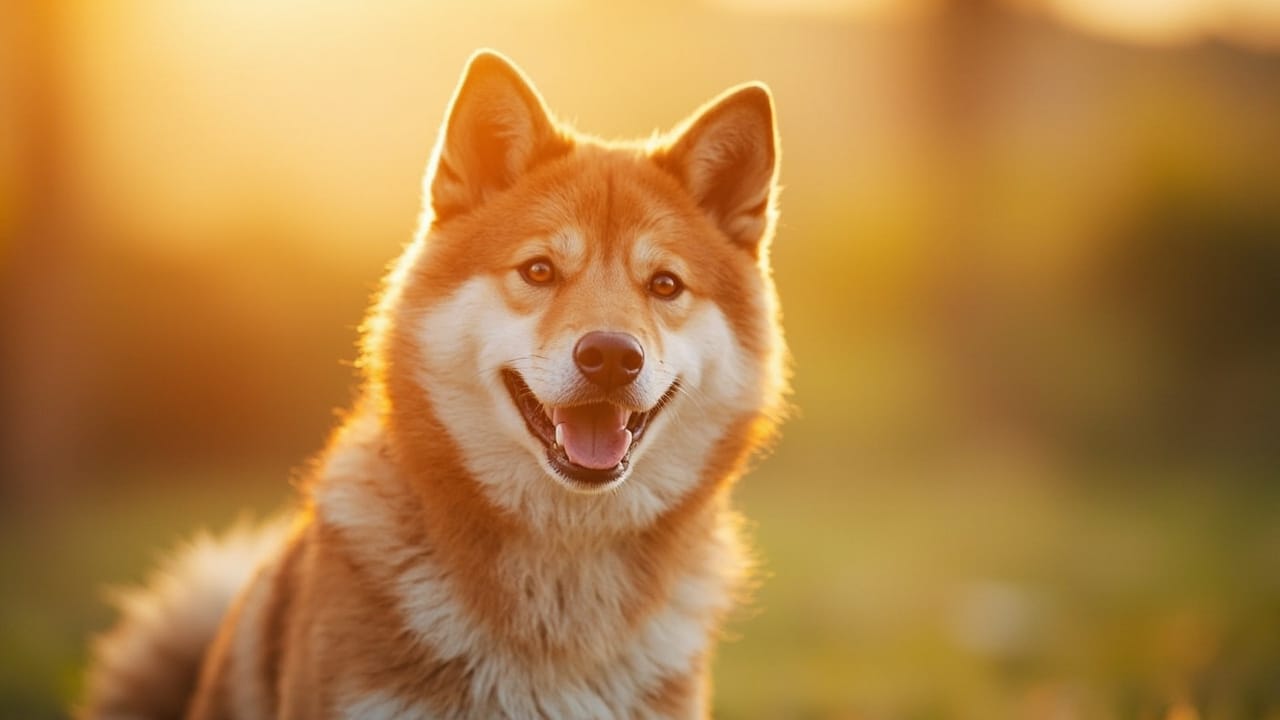
Scrăpinatul persistent, descuamarea și „hot spot-urile" sunt extrem de frecvente la Shiba Inu. La această rasă, pielea uscată și mâncărimea sunt cel mai adesea cauzate de dermatita atopică (alergii de mediu), o dietă dezechilibrată, purici sau de năpârlirea sezonieră intensă cunoscută sub numele de „coat blow". Cea mai rapidă cale către ameliorare este un diagnostic corect de la veterinar, urmat de controlul paraziților, un aport crescut de acizi grași omega-3, o rutină de baie cu șampon blând și o îngrijire diligentă în perioada celor două năpârliri anuale.
Urmați pașii de mai jos în ordine: excludeți mai întâi cauzele medicale, reparați bariera cutanată, apoi mențineți rezultatul.
1. Obțineți mai întâi un diagnostic veterinar
Shiba Inu sunt predispuși la mai multe afecțiuni ale pielii și alergii, așa că a ghici rareori funcționează. Programați o vizită la veterinar dacă mâncărimea durează mai mult de o săptămână, dacă observați roșeață, cădere a părului, infecții ale urechii sau dacă câinele își mestecă labele. Cauze frecvente de exclus:
- Dermatita atopică (cea mai frecventă problemă cronică de piele a rasei) — alergii la polen, acarieni sau mucegai.
- Dermatita alergică la purici — o singură mușcătură de purice poate provoca săptămâni de mâncărime la câinii sensibili.
- Alergii sau intoleranțe alimentare — de obicei la pui, vită, lactate sau grâu.
- Hipotiroidismul — provoacă blană uscată, subțire și infecții ale pielii; frecvent la Shiba de vârstă mijlocie.
- Râia sarcoptică sau demodectică — extrem de pruriginoasă, contagioasă, necesită tratament pe bază de rețetă.
- Infecții bacteriene sau fungice secundare — se dezvoltă rapid pe pielea deteriorată și au un miros de mucegai.
Veterinarul poate recomanda raclete cutanate, citologie, o dietă de eliminare (8–12 săptămâni) sau teste de alergie sanguine/cutanate. Conform protocolului Canine Health Information Center (CHIC), examinările oftalmologice, evaluarea șoldurilor și a rotulei, precum și screeningul tiroidian ar trebui să facă deja parte din fișa medicală a Shibei dumneavoastră.
2. Corectați dieta: Adăugați omega-3 și verificați proteina
Pielea se construiește din interior spre exterior. Un Shiba care mănâncă crochete de calitate slabă, cu surse slabe de grăsimi, va avea o blană ternă, descuamată și o barieră cutanată slabă. Modificări dietetice cheie:
- Adăugați acizi grași omega-3: 1.000–1.500 mg combinați EPA/DHA zilnic pentru un adult de ~10 kg. Folosiți ulei de pește (somon, sardine, anșoa) sau ulei de alge marine.
- Alegeți o hrană cu proteină identificabilă, cu sau fără cereale de calitate, care să conțină pește integral, semințe de in sau chia.
- Încercați o dietă cu proteină nouă sau hidrolizată timp de 8–12 săptămâni dacă se suspectează o alergie alimentară — fără recompense, mâncare de la masă sau medicamente aromate în perioada testului.
- Adăugați un supliment specific pentru piele cu zinc, biotină și vitamina E, dacă veterinarul este de acord.
Așteptați-vă la 6–8 săptămâni înainte ca modificările dietetice să îmbunătățească vizibil blana.
3. Îmbăiați cu șamponul potrivit, nu mai des
Băile prea frecvente îndepărtează uleiurile naturale și agravează uscăciunea. Pentru un Shiba cu mâncărime:
- Îmbăiați la maximum 2–4 săptămâni, sau conform indicațiilor pentru o anumită afecțiune.
- Folosiți un șampon veterinar cu ovăz, clorhexidină sau hipoalergenic blând. Pentru alergii confirmate, folosiți un șampon cu pramoxină sau ovăz + ceramide.
- Spălați de două ori: prima spălare îndepărtează murdăria și alergenii; a doua spălare permite ingredientelor active să acționeze 5–10 minute înainte de clătire.
- Clătiți bine — reziduurile rămase sunt un factor major declanșator al mâncărimii.
- Pentru zone localizate, folosiți o spumă cu clorhexidină sau șervețele medicinale între băi.
Evitați șampoanele pentru oameni, uleiul de arbore de ceai în concentrație pură și orice șampon „decojitor" de blană.
4. Periați zilnic în perioada de năpârlire (de două ori pe an)
Shiba Inu naparlesc intens primăvara și toamna. Subparul prins lângă piele provoacă încâlcire, foliculi blocați și mâncărime intensă. În perioada de năpârlire:
- Folosiți un pieptene de subpar sau un instrument de tip FURminator zilnic timp de 2–4 săptămâni.
- Finalizați cu o perie slicker pentru a îndepărta puful slăbit.
- Un uscător de mare viteză (în exterior sau într-o cadă de îngrijire) curăță părul mort mai repede decât orice perie.
- În afara perioadei de năpârlire, periați de 1–2 ori pe săptămână — Shiba sunt în mod natural curați și necesită îngrijire minimă în rest.
Un Shiba nu este hipoalergenic; naparlesc abundent și poartă mătreață, așa că o îngrijire bună este esențială atât pentru sănătatea pielii, cât și pentru controlul alergenilor din casă.
5. Controlați paraziții, alergenii și mediul
- Folosiți un preventiv pentru purici tot timpul anului (oral sau topic), chiar și pentru Shiba de interior.
- Spălați lenjeria săptămânal în apă fierbinte; aspirați cu un filtru HEPA.
- Ștergeți labele și burta cu o cârpă umedă și rece după plimbări pentru a îndepărta polenul.
- Folosiți un umidificator cu ceață rece în lunile uscate de iarnă pentru a combate uscăciunea din interior.
- Mențineți umiditatea interioară între 40–60%.
- Pentru alergiile la polen confirmate, întrebați veterinarul despre injecții cu Cytopoint, Apoquel sau imunoterapie specifică — acestea sunt tratamentele standard de aur pe termen lung.
6. Tratați rapid crizele acute de mâncărime
Dacă Shiba dumneavoastră este în suferință evidentă înainte de a putea ajunge la veterinar:
- Un guler elizabetan sau con gonflabil previne autotrauma.
- O înmuiere rece cu ovăz pe zona afectată calmează inflamația.
- Antihistaminice precum cetirizina (Zyrtec) în doză de 1 mg/kg o dată pe zi pot ajuta în cazurile ușoare, dar consultați mai întâi veterinarul.
- Nu folosiți cremă cu hidrocortizon destinată oamenilor fără îndrumare veterinară — Shiba o vor linge și pot avea reacții adverse.
Cu o îngrijire constantă, majoritatea Shiba Inu cu piele uscată și mâncărime revin la o blană dublă confortabilă și strălucitoare în 2–3 luni. Deoarece rasa trăiește în mod obișnuit 13–16 ani, investiția în sănătatea pielii de la început dă roade pe parcursul unei vieți lungi, fără scărpinat.
FAQ
De ce mă mâncărime Shiba Inu atât de tare, dar nu are purici?
Mâncărimea fără purici la Shiba este cel mai adesea dermatită atopică (alergii de mediu la polen, praf sau mucegai), alergii alimentare, hipotiroidism sau o infecție a pielii. O vizită la veterinar cu citologie cutanată și posibile teste de alergie este cea mai rapidă cale spre un răspuns real.
Cât de des ar trebui să îmbăiez un Shiba Inu cu piele uscată?
La fiecare 2–4 săptămâni cu un șampon blând cu ovăz sau clorhexidină, lăsând spuma să acționeze 5–10 minute înainte de clătire. Băile mai frecvente îndepărtează uleiurile naturale și agravează uscăciunea.
Este uleiul de cocos sigur pentru pielea cu mâncărime a unui Shiba Inu?
O cantitate mică de ulei de cocos virgin pe piele este în general sigură, dar Shiba îl vor linge, ceea ce poate provoca probleme gastrointestinale și adaugă calorii. Uleiul de pește omega-3 administrat oral este mai eficient clinic pentru dermatita atopică tipică a rasei.
Când ar trebui să duc Shiba-ul cu mâncărime la veterinar?
Duceți Shiba-ul la veterinar dacă mâncărimea durează mai mult de o săptămână, dacă există cădere a părului, roșeață, miros neplăcut, infecții recurente ale urechii sau mestecatul labelor. Shiba sunt predispuși la dermatită atopică, hipotiroidism și glaucom, așa că mâncărimea persistentă merită o evaluare profesională.
⚕️ This article is researched from the AKC and NIPPO breed standards, OFA/CHIC health data and veterinary sources. It is for general information only and is not a substitute for advice from your own veterinarian.