Infecția urechii la Shiba Inu: Cum să o identifici și să o tratezi
O infecție a urechii la Shiba Inu se manifestă prin scuturarea capului, scărpinarea urechii, înroșire, miros sau secreție închisă la culoare. Majoritatea sunt otite externe cauzate de ciuperci (drojdie) sau bacterii și se tratează cu picături pentru urechi prescrise de veterinar, după ce o citologie confirmă cauza. Infecțiile netratate se pot extinde mai profund, așa că mergi la veterinar în 24-48 de ore de la observarea simptomelor.
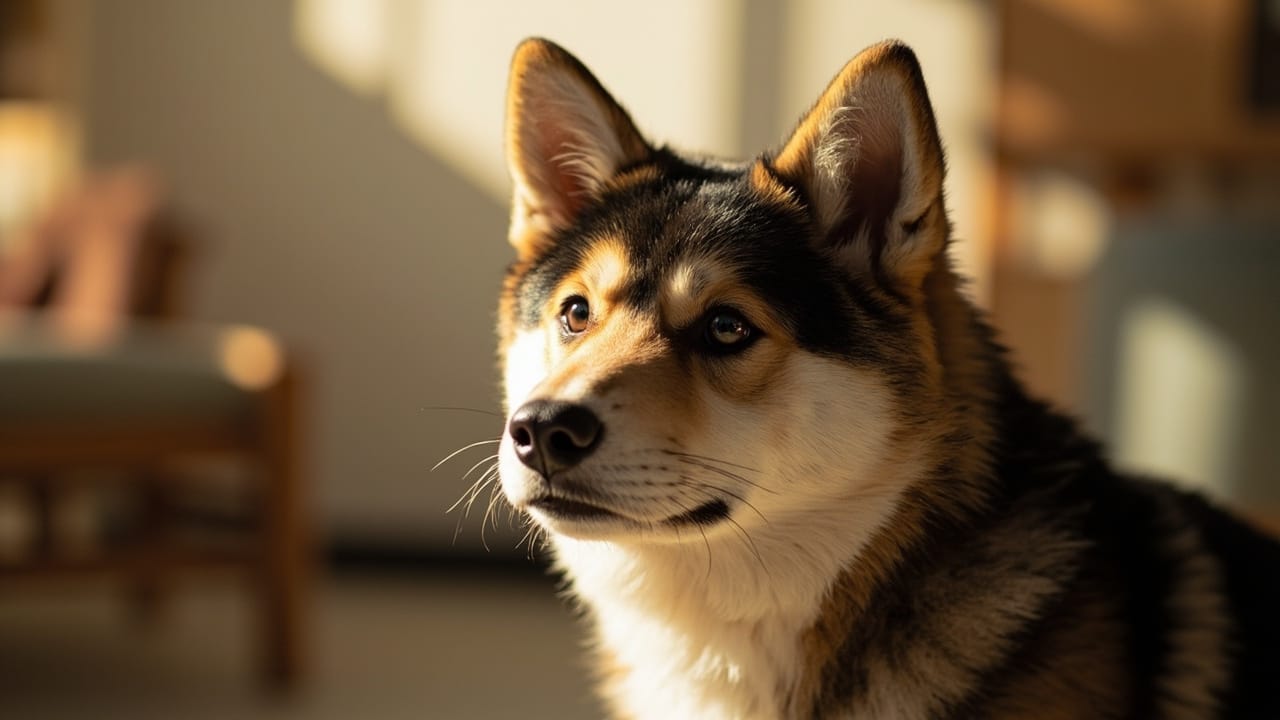
Shiba Inu nu este o rasă cu urechi foarte căzătoare, ceea ce îi reduce riscul de infecții ale urechii comparativ cu Cocker Spaniel sau Basset Hound, însă urechile lor ascuțite, în formă de V, fac totuși otită externă, otită medie și suprainfecții cu drojdii. Recunoașterea timpurie a semnelor și tratarea organismului corect face diferența între un tratament de 10 zile cu picături și o problemă cronică, care poate necesita intervenție chirurgicală.
Semne frecvente ale unei infecții a urechii la Shiba Inu
Shiba tind să fie stoici, așa că simptomele pot fi subtile. Fii atent la:
- Scuturarea sau înclinarea capului
- Lovirea, scărpinarea sau frecarea urechii de mobilier
- Înroșire sau umflare a pavilionului auricular (pavilion)
- Căldură sau durere la atingerea urechii
- Miros, adesea dulceag, de drojdie sau de „șosetă murdară"
- Secreție: maro, neagră, galbenă sau asemănătoare puroiului
- Cruste, coji sau căderea părului în jurul urechii
- Modificări ale auzului sau pierderea echilibrului (semn urgent de afectare a urechii medii/interne)
Orice combinație a celor de mai sus justifică o vizită la veterinar. Pierderea echilibrului, o înclinare a capului care nu se rezolvă sau o umflare rapidă înseamnă că trebuie să mergi în aceeași zi.
Ce cauzează infecțiile urechii la Shiba?
Factorii declanșatori subiacenți contează la fel de mult ca infecția în sine. Vinovați obișnuiți:
- Drojdie (Malassezia) — cea mai frecventă cauză la Shiba; produce o secreție maro închisă, ceroasă și un miros puternic
- Bacterii (Pseudomonas, Staphylococcus) — secreție galbenă/verde, mai dureroasă
- Acarieni ai urechii — mai frecvenți la căței și la câinii adoptați; secreție uscată, neagră, asemănătoare zațului de cafea
- Alergii — dermatita atopică și alergiile alimentare sunt foarte frecvente la rasă și reprezintă principala cauză de bază a infecțiilor recurente ale urechii. Un Shiba cu infecții repetate ale urechii are aproape întotdeauna o alergie subiacentă
- Umiditatea și înotul — apa prinsă în canalul auditiv după baie sau înot
- Corpuri străine — ariste de iarbă (foxtails) vara
- Polipi sau tumori — mai puțin frecvente, dar posibile la câinii mai în vârstă
Deoarece alergiile sunt atât de prevalente la Shiba, infecțiile persistente sau bilaterale (la ambele urechi) ar trebui să declanșeze o discuție despre testarea alergiilor sau o dietă de eliminare, nu doar repetarea medicamentelor pentru urechi.
Cum diagnostichează medicii veterinari cauza
Un diagnostic corect necesită mai mult decât o privire rapidă. Așteaptă-te ca veterinarul să:
- Efectueze otoscopie pentru a examina canalul auditiv și timpanul
- Preleveze o probă pentru citologie — un tampon cu secreție examinat la microscop pentru a identifica drojdia, bacteriile sau acarienii
- Facă o cultură din ureche dacă infecția este cronică, recurentă sau nu răspunde la tratament
- Excludă boala urechii medii prin imagistică dacă timpanul este rupt sau simptomele sugerează o infecție mai profundă
Citologia este esențială. Tratarea cu picături nepotrivite (de exemplu, picături doar cu antibiotic pe o infecție cu drojdie) este cea mai rapidă modalitate de a crea o otită cronică rezistentă.
Opțiuni de tratament
Tratamentul depinde în întregime de organism și de faptul dacă timpanul este intact.
Infecții cu drojdie: Picături antifungice precum clotrimazol, miconazol sau ketoconazol, adesea combinate cu un cleanser acid de uscare. Cazurile ușoare se rezolvă în 7-14 zile; cazurile cronice necesită 3-4 săptămâni.
Infecții bacteriene: Picături antibiotice alese pe baza citologiei (fluorochinolone precum enrofloxacina, sau aminoglicozide pentru bacili gram-negativi). Tratamentul durează 2-4 săptămâni; nu întrerupe niciodată tratamentul mai devreme, chiar dacă urechea arată mai bine.
Infecții mixte: Cele mai moderne produse combinate tratează drojdia și bacteriile împreună. Exemple includ Posatex, Easotic și Otomax.
Acarieni: Selamectin topic, moxidectin sau medicamente acaricide pe bază de prescripție pentru urechi. Întregul câine, nu doar urechile, necesită deparazitare.
Durere și inflamație: AINS sau picături care conțin steroizi reduc umflarea și durerea. Steroizii nu trebuie utilizați dacă se suspectează o infecție a urechii medii.
Curățare: Un cleanser cerumenolitic recomandat de veterinar (Epi-Otic, Virbac sau similar) folosit înainte de picături, apoi ca întreținere o dată sau de două ori pe săptămână pentru cazurile cronice. Remedii casnice precum oțetul și alcoolul nu sunt potrivite pentru urechile inflamate sau cu timpan rupt.
Timpan rupt: Medicamentele orale înlocuiesc picături topice pentru a evita ototoxicitatea. Boala severă a urechii medii poate necesita imagistică și intervenție chirurgicală (TECA-BO) ca ultimă soluție.
Prevenție și îngrijire la domiciliu
- Verifică urechile săptămânal; învață cum arată o ureche sănătoasă de Shiba — roz pal, fără miros, cu ceară minimă
- Usucă bine urechile după baie și înot
- Smulge sau tunde excesul de păr din canal doar dacă veterinarul recomandă
- Folosește un cleanser de întreținere după înot sau la fiecare 1-2 săptămâni dacă Shiba tău are alergii
- Abordează alergiile direct — dietă de eliminare, Cytopoint, Apoquel sau imunoterapie specifică alergenului reduc frecvența episoadelor
- Menține sistemul imunitar puternic: dietă echilibrată, controlul greutății (~10 kg pentru masculi, ~8 kg pentru femele), deparazitare
Când să mergi la veterinar (și când este urgent)
Programează o vizită în 24-48 de ore dacă observi secreție, miros sau scărpinare persistentă. Mergi în aceeași zi pentru înclinarea capului, mers în cerc, umflare rapidă sau durere evidentă — acestea pot indica un timpan rupt, infecție a urechii medii sau corp străin.
Infecțiile recurente ale urechii (mai mult de 3 pe an) semnalează o afecțiune subiacentă, cel mai adesea alergie sau hipotiroidism, ambele frecvente la rasă. Tratarea doar a urechii fără identificarea cauzei principale garantează un nou episod.
Vestea bună: majoritatea infecțiilor urechii la Shiba se vindecă în 2-3 săptămâni cu medicația potrivită, iar prevenția pe termen lung este realistă odată ce factorul declanșator este identificat.
FAQ
Pot trata acasă infecția urechii Shibei Inu?
Nu. Ai nevoie de un veterinar pentru a confirma dacă cauza este drojdie, bacterii sau acarieni și pentru a verifica timpanul. Remedii fără prescripție sau casnice pot agrava infecția sau pot afecta auzul dacă timpanul este rupt.
De ce face Shiba Inu al meu infecții ale urechii în mod repetat?
Infecțiile recurente la Shiba Inu sunt aproape întotdeauna legate de alergii subiacente (dermatită atopică sau alergie alimentară) sau hipotiroidism. Tratarea doar a urechii fără abordarea factorului declanșator duce la episoade repetate.
Sunt Shiba Inu predispuși la infecții ale urechii?
Mai puțin decât rasele cu urechi căzătoare, dar mai mult decât te-ai aștepta, din cauza ratei ridicate de alergii. Inflamația alergică a pielii modifică mediul din canalul auditiv și favorizează suprainfecția cu drojdie și bacterii.
Cât durează până se vindecă o infecție a urechii la Shiba?
Infecțiile ușoare cu drojdie se vindecă în 7-14 zile; infecțiile bacteriene sau mixte durează 2-4 săptămâni. Finalizează întotdeauna întregul tratament, chiar dacă simptomele dispar mai devreme, pentru a preveni rezistența și recurența.
⚕️ This article is researched from the AKC and NIPPO breed standards, OFA/CHIC health data and veterinary sources. It is for general information only and is not a substitute for advice from your own veterinarian.