Сухой кератоконъюнктивит (KCS) у сиба-ину: симптомы, лечение и уход
Сухой глаз, или кератоконъюнктивит sicca (KCS), у сиба-ину — это состояние, при котором слёзные железы вырабатывают недостаточно слёз, что приводит к сухости, раздражению и потенциальному повреждению роговицы. Оно требует пожизненного лечения с помощью рецептурных глазных капель, чаще всего циклоспорина или такролимуса, чтобы стимулировать естественную выработку слёз и предотвратить потерю зрения.
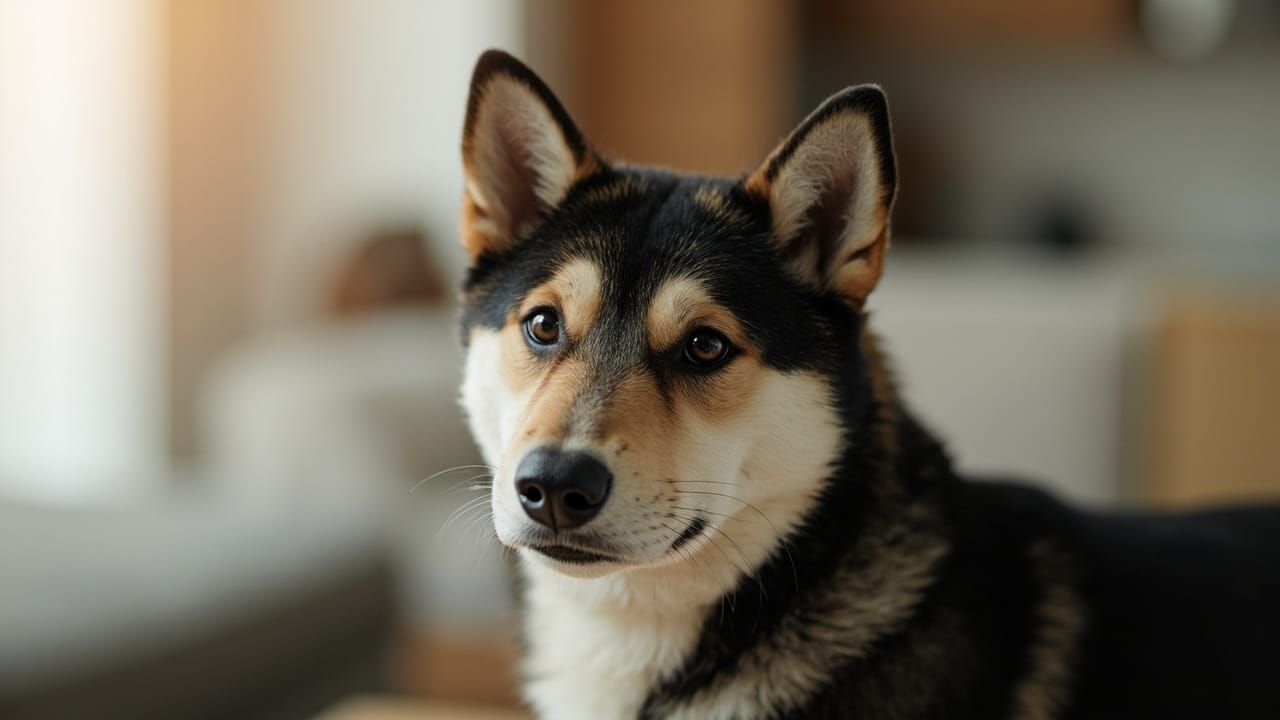
Сухой глаз у сиба-ину, известный в медицине как кератоконъюнктивит sicca (KCS), — это состояние, при котором слёзные железы не вырабатывают достаточно водного слёзного слоя для надлежащего увлажнения глаз. Без достаточного увлажнения роговица и конъюнктива воспаляются, раздражаются и становятся уязвимыми для инфекций и изъязвлений. У сиб KCS — одно из наиболее часто встречающихся заболеваний глаз, и, как правило, требует пожизненного ежедневного лечения для сохранения зрения и комфорта.
Хотя KCS может развиться у любой собаки, сиба-ину считается породой с выраженной предрасположенностью, часто связанной с иммуноопосредованным разрушением слёзных (слёзопродуцирующих) желёз. Он также может развиться как побочный эффект некоторых лекарств (особенно некоторых длительно применяемых сульфаниламидных антибиотиков), после перенесённой чумки, после операций вблизи слёзных протоков или как вторичная проблема при хроническом конъюнктивите. Поскольку у породы также встречаются другие заболевания глаз, такие как глаукома, катаракта и прогрессирующая атрофия сетчатки (PRA), при любых признаках проблем с глазами следует незамедлительно обращаться к врачу.
Распознавание симптомов KCS у сиб
Раннее выявление существенно влияет на результат. Обратите внимание на:
- Покрасневшие, налитые кровью глаза, которое не проходит
- Густые, липкие, жёлтые или зеленоватые выделения (гнойного характера, а не прозрачные слёзы)
- Частое моргание или прищуривание
- Трогание лапой глаз или потирание морды о мебель или ковёр
- Тусклая, сухая на вид роговица вместо яркой, блестящей поверхности
- Видимое третье веко (внутреннее веко выступает сильнее обычного)
- Повторяющиеся глазные инфекции или язвы роговицы
На ранних стадиях владельцы часто принимают KCS за простое раздражение или «просто аллергию», что задерживает постановку диагноза. Тест Ширмера (STT) — простая бумажная полоска, помещаемая в глаз на одну минуту для измерения выработки слёз — является золотым стандартом диагностики. У здоровых собак вырабатывается 15–25 мм слёз в минуту; у собак с KCS этот показатель обычно ниже 10 мм, а в хронических случаях — часто ниже 5 мм.
Диагностика: чего ожидать на приёме у ветеринара
Ветеринарный офтальмолог или ваш лечащий ветеринар проведёт полное офтальмологическое обследование, включая тест Ширмера, флуоресцеиновое окрашивание для проверки наличия язв и измерение внутриглазного давления для исключения глаукомы. Также врач расспросит о принимаемых вашим сибой лекарствах, недавних заболеваниях и времени появления симптомов. Иногда назначается анализ крови для проверки на иммунные нарушения или гипотиреоз — ещё одно заболевание, к которому предрасположены сибы и которое иногда может сопутствовать KCS.
Лечение и пожизненное наблюдение
KCS нельзя вылечить, но его можно очень эффективно контролировать. Лечение обычно включает:
- Глазная мазь/капли с циклоспорином или такролимусом — основа терапии, эти иммуномодулирующие препараты стимулируют слёзные железы вновь вырабатывать слёзы. Большинство сиб хорошо отвечают на лечение, хотя некоторым требуются более высокие дозы или пожизненная терапия.
- Препараты искусственной слезы — применяются в течение дня для дополнительного увлажнения, особенно в сухом климате или зимой, когда отопление в помещении снижает влажность.
- Антибактериальные или противовоспалительные капли — назначаются при вторичной инфекции или выраженном воспалении на момент постановки диагноза.
- Регулярные повторные осмотры — тест Ширмера каждые несколько месяцев в начале лечения, затем каждые 6–12 месяцев при стабильном состоянии.
У большинства сиб заметное улучшение наступает через 2–8 недель после начала лечения. Владельцы, которые стабильно соблюдают ежедневный режим приёма лекарств, как правило, видят, что их собака живёт нормальной, комфортной жизнью без долгосрочной потери зрения.
Советы по уходу за сибой с сухим глазом дома
- Аккуратно удаляйте выделения тёплым влажным ватным шариком, используя для каждого глаза новый, чтобы избежать перекрёстного инфицирования.
- Держите шерсть вокруг глаз коротко подстриженной, чтобы уменьшить раздражение.
- Используйте увлажнитель воздуха в помещении в сухие месяцы.
- Избегайте воздействия дыма, пыли и сильного ветра — они усиливают симптомы.
- Никогда не используйте безрецептурные человеческие глазные капли или средства «от покраснения глаз» без назначения ветеринара — они могут усилить сухость или повредить роговицу.
- Сочетайте уход при KCS с регулярными обследованиями, рекомендованными CHIC (OFA на дисплазию тазобедренных суставов, вывих коленной чашечки и офтальмологический осмотр CERF/CAER), чтобы общее состояние глаз вашего сибы находилось под контролем.
При ранней диагностике, ежедневном приёме лекарств и постоянном наблюдении сиба-ину с KCS живут полноценной, активной и комфортной жизнью. Главное — вовремя распознать признаки и быть готовым к долгосрочному уходу.
Часто задаваемые вопросы
Q: Можно ли вылечить сухой глаз у сиба-ину? A: Нет, KCS — это хроническое пожизненное заболевание. Однако оно хорошо поддаётся контролю с помощью ежедневных препаратов, таких как циклоспорин или такролимус, и большинство собак при постоянном лечении живут комфортно с сохранённым зрением.
Q: В каком возрасте у сиб обычно развивается KCS? A: Большинство сиба-ину получают диагноз в возрасте от 4 до 10 лет, хотя заболевание может проявиться в любом возрасте. Иммуноопосредованный KCS чаще встречается у собак среднего и старшего возраста.
Q: Сколько стоит лечение? A: Ежемесячные расходы на лекарства обычно составляют $30–$80 в зависимости от препарата и дозировки. Первичная диагностика обходится в $150–$300, повторные осмотры — каждые 6–12 месяцев. Страховка питомца часто покрывает KCS, если он не является ранее существовавшим заболеванием.
Q: Может ли KCS привести к слепоте у сибы? A: Без лечения — да: хроническая сухость может привести к язвам роговицы, рубцеванию, пигментации и, в конечном итоге, к потере зрения. При правильном лечении слепота наступает редко.
Q: Болезненен ли KCS для собак? A: Да, сухой глаз вызывает значительный дискомфорт, включая жжение, зуд и ощущение инородного тела. Собаки часто трут глаза, что усугубляет повреждения. Лечение приносит заметное облегчение.
Q: Можно ли предотвратить KCS у моего сибы? A: Гарантированной профилактики не существует, так как большинство случаев имеют иммуноопосредованную природу. Однако своевременное лечение глазных инфекций, осторожное применение сульфаниламидных препаратов и регулярные ежегодные офтальмологические осмотры помогают в раннем выявлении.
FAQ
Что такое сухой глаз (KCS) у сиба-ину?
Сухой глаз, или кератоконъюнктивит sicca (KCS), — это состояние, при котором слёзные железы вырабатывают недостаточно слёз для увлажнения глаза. У сиба-ину он обычно имеет иммуноопосредованную природу и вызывает покраснение, густые выделения и раздражение. Как правило, требуется пожизненное лечение циклоспорином или такролимусом.
Каковы первые признаки сухого глаза у сибы?
К самым ранним признакам относятся покраснение глаз, густые жёлтые или зеленоватые выделения из глаз, частое моргание, потирание глаз лапой и тусклый вид роговицы. Тест Ширмера у ветеринара подтверждает диагноз, показывая низкий уровень выработки слёз.
Может ли сиба-ину ослепнуть от сухого глаза?
Без лечения KCS может привести к язвам роговицы, рубцеванию и пигментации, которые ухудшают зрение, а в тяжёлых случаях вызывают слепоту. При постоянном ежедневном лечении большинство сиб сохраняют хорошее зрение на протяжении всей жизни (13–16 лет).
Как лечится KCS у собак?
Лечение обычно включает рецептурные капли/мазь с циклоспорином или такролимусом для стимуляции выработки слёз, а также искусственную слезу и эпизодические антибиотики при вторичных инфекциях. Большинство сиб хорошо отвечают на лечение в течение 2–8 недель и нуждаются в пожизненном ежедневном приёме препаратов.
⚕️ This article is researched from the AKC and NIPPO breed standards, OFA/CHIC health data and veterinary sources. It is for general information only and is not a substitute for advice from your own veterinarian.
Продолжаем читать
 Продолжительность жизни Mame Shiba: живут ли они так же долго, как стандартные Shiba?
 Карликовость у сиба-ину: генетическое заболевание vs. намеренное разведение мелких особей
 Есть ли у мини-сиб больше проблем с зубами, суставами и родами?
 Гипофизарный нанизм у собак: породы, причины и ДНК-тестирование