Дисплазия тазобедренного сустава и вывих коленной чашечки у сиба-ину: здоровье суставов
У сиба-ину могут развиваться дисплазия тазобедренного сустава и вывих коленной чашечки — два наиболее распространённых ортопедических заболевания суставов в породе. Дисплазия тазобедренного сустава поражает вертлужную впадину и встречается примерно у 7,6% сиба, обследованных OFA, тогда как вывих коленной чашечки представляет собой смещение надколенника и оценивается по степени тяжести от I до IV.

Дисплазия тазобедренного сустава и вывих коленной чашечки — это два ортопедических заболевания суставов, с которыми владельцы сиба-ину сталкиваются чаще всего, и оба входят в рекомендованный перечень скрининговых обследований здоровья для породы. На оба влияют генетика и рост, но при раннем выявлении оба успешно поддаются контролю. Понимание того, что представляет собой каждое из этих состояний, как они проявляются и что можно с ними сделать, — это лучшее, что владелец сиба может сделать для защиты подвижности своей собаки на протяжении 13–16 лет жизни.
Что такое дисплазия тазобедренного сустава у сиба-ину?
Дисплазия тазобедренного сустава — это порок развития тазобедренного сустава, при котором головка бедренной кости и вертлужная впадина не подходят друг к другу должным образом. Со временем сустав становится разболтанным, хрящ изнашивается неравномерно и развивается остеоартроз. Хотя дисплазия тазобедренного сустава чаще ассоциируется с крупными породами, сиба-ину являются признанной поражённой породой: примерно у 7,6% собак, обследованных через Ортопедический фонд животных (OFA), присваивается степень дисплазии. Тяжесть варьируется от лёгкого подвывиха до выраженной перестройки сустава со значительной хромотой.
На что стоит обратить внимание у сиба:
- «Заячья» походка прыжками, особенно у молодых собак
- Скованность или трудности при вставании, более заметные после отдыха
- Нежелание запрыгивать на мебель или в машину
- Потеря мышечной массы задней части тела
- Слышимые щелчки или хруст в области тазобедренных суставов
Что такое вывих коленной чашечки?
Вывих коленной чашечки (люксация пателлы) — это состояние, при котором коленная чашечка (пателла) смещается или выскакивает из блоковидной борозды на передней поверхности коленного сустава. Ветеринарные врачи оценивают его по степеням от I до IV: степень I — это эпизодическое смещение, которое вправляется само, а степень IV — это постоянно смещённая коленная чашечка, которую невозможно вправить вручную. Мелкие породы, включая сиба-ину, предрасположены к этому. Многие лёгкие случаи остаются незамеченными на протяжении многих лет, но без контроля они способствуют повреждению крестообразной связки и прогрессирующему артриту.
Типичные признаки включают:
- Внезапные «проскакивания» или подскоки на задней лапе с возвращением к нормальной походке
- Подъём задней лапы на несколько шагов
- Скованность после длительного отдыха
- Приседание или низкая посадка задней части
- Хромота, усиливающаяся при нагрузке
Как их диагностируют и выявляют
Центр информации о здоровье собак (CHIC) рекомендует, чтобы племенные сиба проходили оценку тазобедренных суставов OFA, оценку коленных чашечек OFA и офтальмологическое обследование CERF/ACVO. Для владельцев домашних питомцев те же обследования служат полезной исходной точкой. Дисплазия тазобедренного сустава подтверждается рентгеновскими снимками, оценивается OFA (Excellent, Good, Fair, Borderline, Mild, Moderate, Severe) или измеряется методом PennHIP. Вывих коленной чашечки диагностируется мануальным ортопедическим обследованием, оценивается по степеням I–IV и может быть подтверждён рентгенограммами для выявления вторичных изменений.
Лечение и повседневное ведение
Лечение зависит от тяжести, возраста и клинических проявлений у конкретной собаки.
- Контроль массы тела: поддержание худощавой кондиции сиба — это самое значимое вмешательство, так как каждый лишний килограмм умножает нагрузку на суставы.
- Модификация нагрузок: переходите от повторяющихся высокоинтенсивных занятий (прыжки за фрисби, бег за мячом по твёрдому грунту) к низкоударным нагрузкам — плаванию, контролируемым прогулкам на поводке и ходьбе по холмистой местности.
- Добавки для суставов: глюкозамин, хондроитин и омега-3 жирные кислоты имеют доказательную базу в поддержке здоровья хряща. Обсудите дозировки с ветеринарным врачом.
- НПВС и обезболивание: для собак с симптомами ветеринар может назначить НПВС, габапентин или другие анальгетики.
- Хирургическое лечение: тяжёлая дисплазия тазобедренного сустава может лечиться с помощью тотального эндопротезирования тазобедренного сустава (считается золотым стандартом) или резекции головки бедренной кости (FHO) у собак мелких пород. Хирургия вывиха коленной чашечки обычно включает углубление блоковидной борозды и транспозицию бугристости большеберцовой кости; наилучшие результаты достигаются при степенях II–IV.
Профилактика и выбор при покупке
Поскольку оба состояния имеют наследственную составляющую, выбор щенка от родителей с нормальными оценками OFA по тазобедренным суставам и коленным чашечкам — наиболее надёжная профилактика. Ответственные заводчики публикуют эти результаты; цены на сиба-ину у таких заводчиков обычно составляют $1 400–$2 500, а перспективные для выставок и разведения особи — $3 500–$5 000. Усыновление через породный спасательный фонд сиба обычно обходится в $300 и является разумным вариантом для владельцев, которым не нужен щенок. Избегайте зоомагазинов и онлайн-продавцов, которые не могут предоставить документацию OFA.
При раннем скрининге, грамотном контроле веса и своевременной ветеринарной помощи большинство сиба-ину с дисплазией тазобедренного сустава или вывихом коленной чашечки живут полноценной, активной, комфортной жизнью.
FAQ
Q: В каком возрасте проявляется дисплазия тазобедренного сустава у сиба-ину? A: Клинические признаки часто появляются в возрасте от 4 до 12 месяцев, но у многих сиба с лёгкой степенью симптомы проявляются лишь позднее, по мере развития остеоартроза, как правило, с 6 лет и старше.
Q: Может ли сиба-ину с вывихом коленной чашечки жить без операции? A: Да, большинство случаев степени I и многие случаи степени II ведутся консервативно — с помощью контроля веса, модификации нагрузок и поддержки суставов, особенно если собака не испытывает боли.
Q: Сколько стоит операция при дисплазии тазобедренного сустава у сиба? A: Тотальное эндопротезирование тазобедренного сустава в США обычно стоит $5 000–$7 500 за один сустав, тогда как резекция головки бедренной кости часто обходится в $2 500–$4 000. Хирургия вывиха коленной чашечки, как правило, стоит $1 500–$3 500 за колено.
Q: Предрасположены ли сиба-ину к другим проблемам с суставами? A: Да, у них также есть риск разрыва краниальной крестообразной связки (CCL), дисплазии локтевого сустава и болезни межпозвонковых дисков, хотя и с меньшей частотой, чем два состояния, рассмотренные в этой статье.
FAQ
At what age does hip dysplasia appear in Shiba Inus?
Клинические признаки часто появляются в возрасте от 4 до 12 месяцев, но у многих сиба с лёгкой степенью симптомы проявляются лишь позднее, по мере развития остеоартроза, как правило, с 6 лет и старше.
Can a Shiba Inu with luxating patella live without surgery?
Да, большинство случаев степени I и многие случаи степени II ведутся консервативно — с помощью контроля веса, модификации нагрузок и поддержки суставов, особенно если собака не испытывает боли.
How much does hip dysplasia surgery cost for a Shiba?
Тотальное эндопротезирование тазобедренного сустава в США обычно стоит $5 000–$7 500 за один сустав, тогда как резекция головки бедренной кости часто обходится в $2 500–$4 000. Хирургия вывиха коленной чашечки, как правило, стоит $1 500–$3 500 за колено.
Are Shiba Inus prone to other joint problems?
Да, у них также есть риск разрыва краниальной крестообразной связки (CCL), дисплазии локтевого сустава и болезни межпозвонковых дисков, хотя и с меньшей частотой, чем дисплазия тазобедренного сустава и вывих коленной чашечки.
⚕️ This article is researched from the AKC and NIPPO breed standards, OFA/CHIC health data and veterinary sources. It is for general information only and is not a substitute for advice from your own veterinarian.
Продолжаем читать
 Продолжительность жизни Mame Shiba: живут ли они так же долго, как стандартные Shiba?
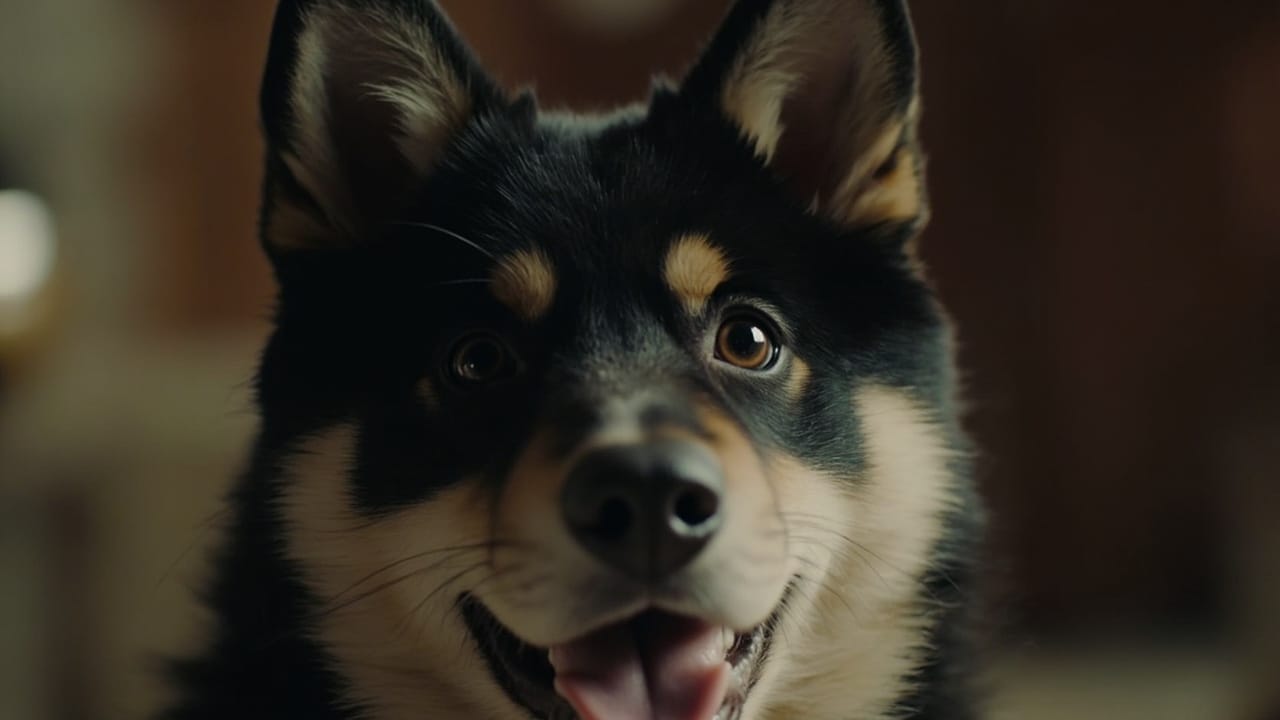 Карликовость у сиба-ину: генетическое заболевание vs. намеренное разведение мелких особей
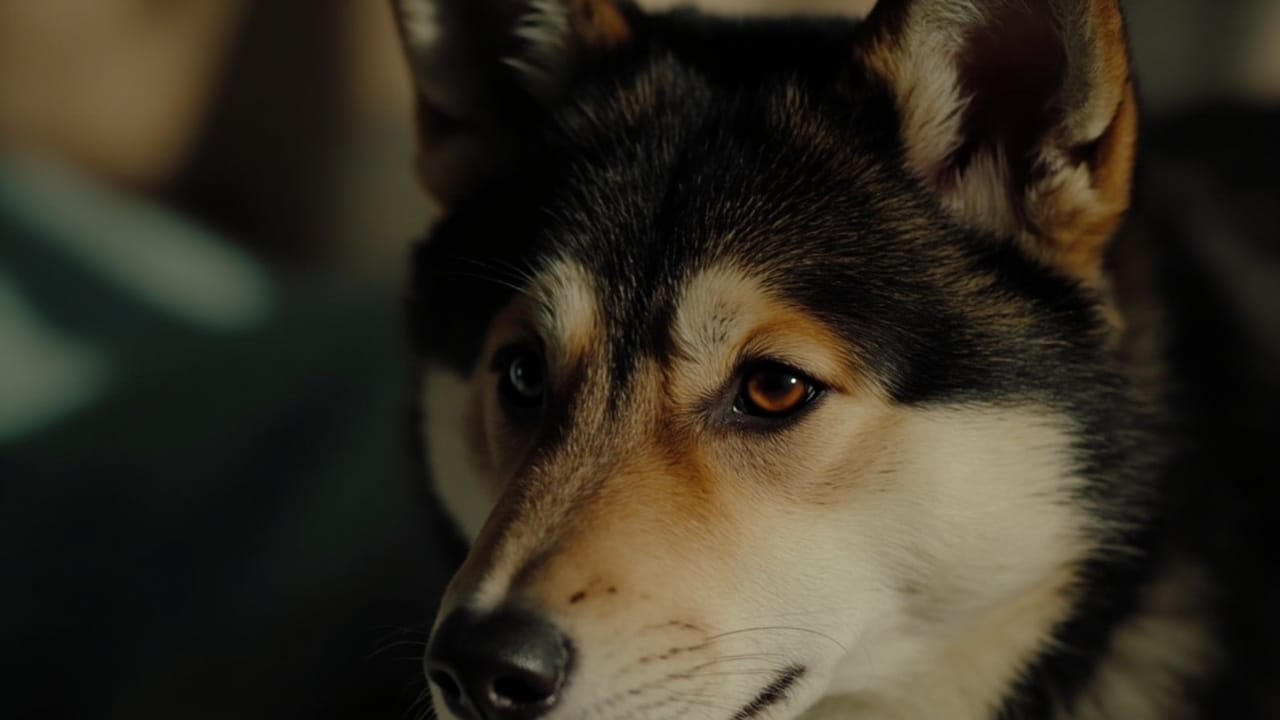 Есть ли у мини-сиб больше проблем с зубами, суставами и родами?
 Гипофизарный нанизм у собак: породы, причины и ДНК-тестирование