Шиба-ину и Кишу-кен: ключевые различия (гид 2025)
Шиба-ину и Кишу-кен — древние японские шпицеобразные собаки, но Шиба мельче и более лисья, а Кишу крупнее, спокойнее и традиционно белая. Шиб гораздо больше в мире; Кишу-кен остаётся редкой даже у себя на родине в Японии.

Краткий ответ
Шиба-ину и Кишу-кен имеют общее происхождение как японские шпицеобразные породы, но заметно различаются по размеру, темпераменту, окрасу и распространённости. Шиба мельче, более самостоятельная и более «разговорчивая» — знаменита так называемым «криком Шибы». Кишу-кен — среднего размера, более сдержанная, часто полностью белая и значительно более редкая. Обе породы лояльны, чистоплотны и обладают примитивным поведением, но подходят разным владельцам.
Размер и телосложение
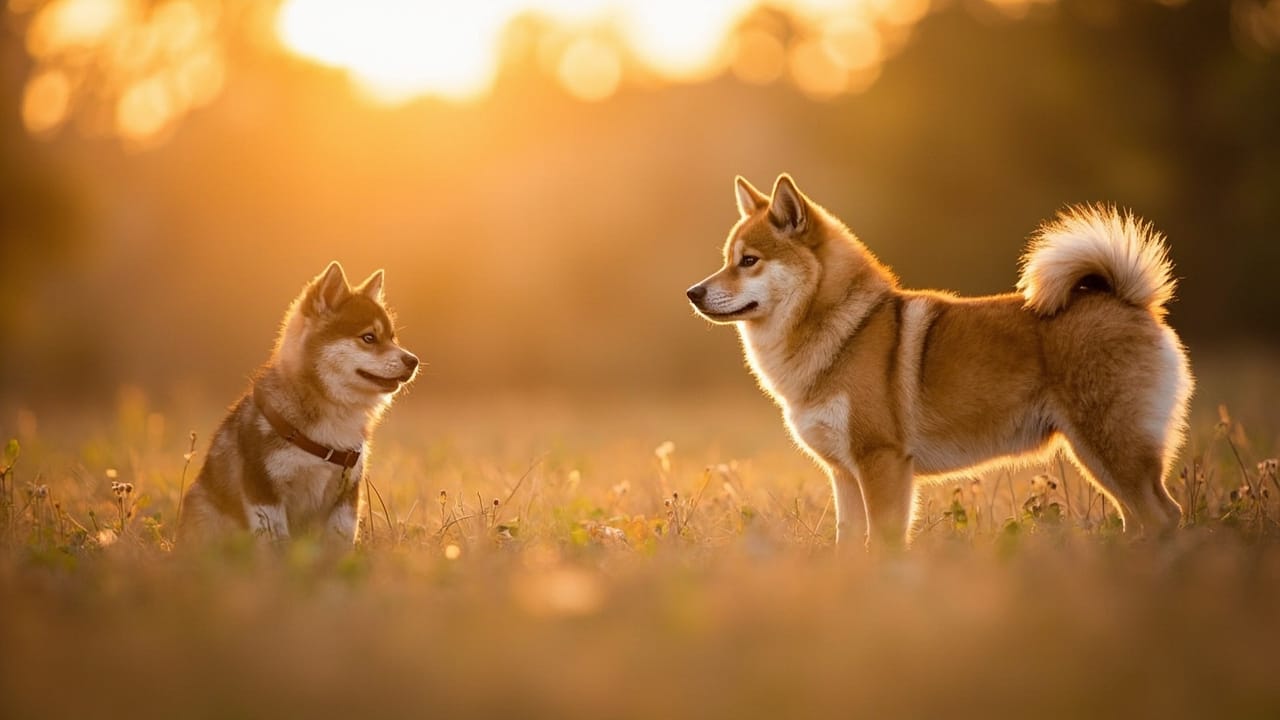
Шиба-ину — самая маленькая из шести коренных японских пород: рост 35–43 см (кобели) или 33–41 см (суки), вес примерно 8–10 кг. Сложение компактное, мускулистое, отчётливо лисье, с закрученным хвостом и стоячими ушами.
Кишу-кен (также называемый Кишу-ину) — порода среднего размера: обычно 43–55 см в холке и 14–27 кг. Телосложение более атлетичное, чуть более высоконогое, но при этом сбалансированное и ловкое. Коротко говоря: Шиба подойдёт для небольшой квартиры, а Кишу лучше чувствует себя при наличии пространства и надёжно огороженного двора.
Окрасы и внешний вид
| Параметр | Шиба-ину | Кишу-кен |
|---|---|---|
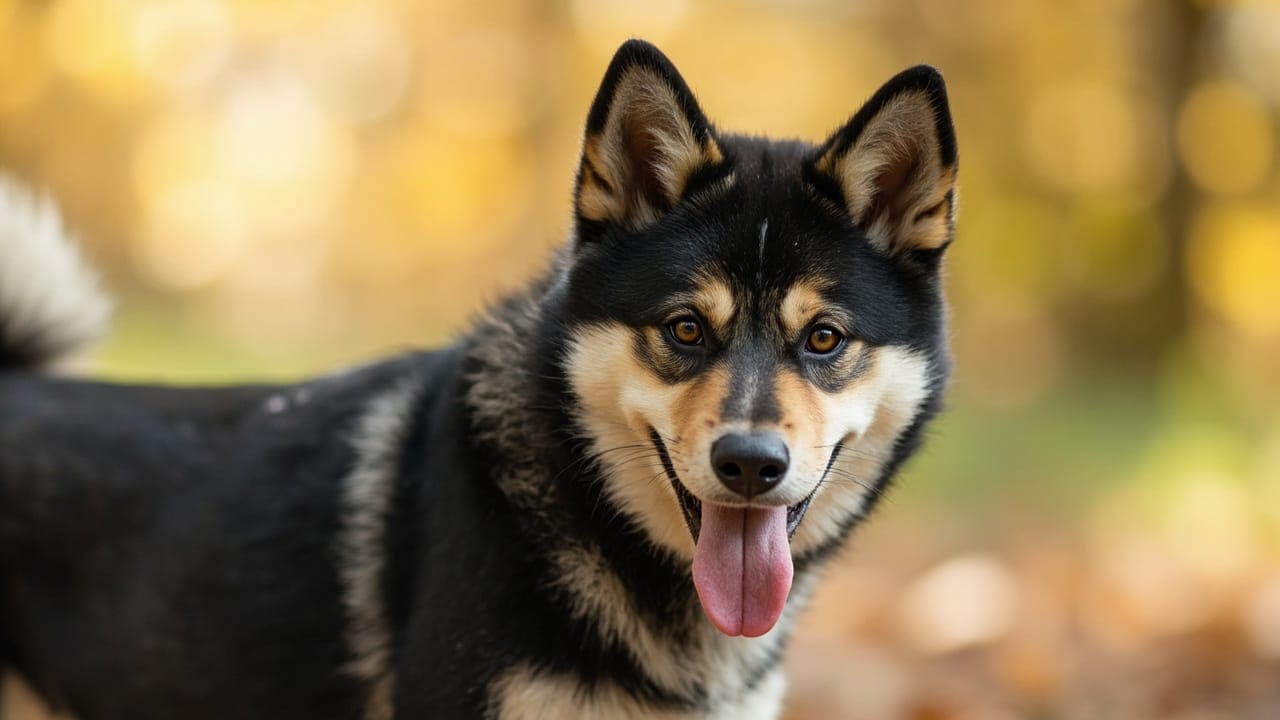
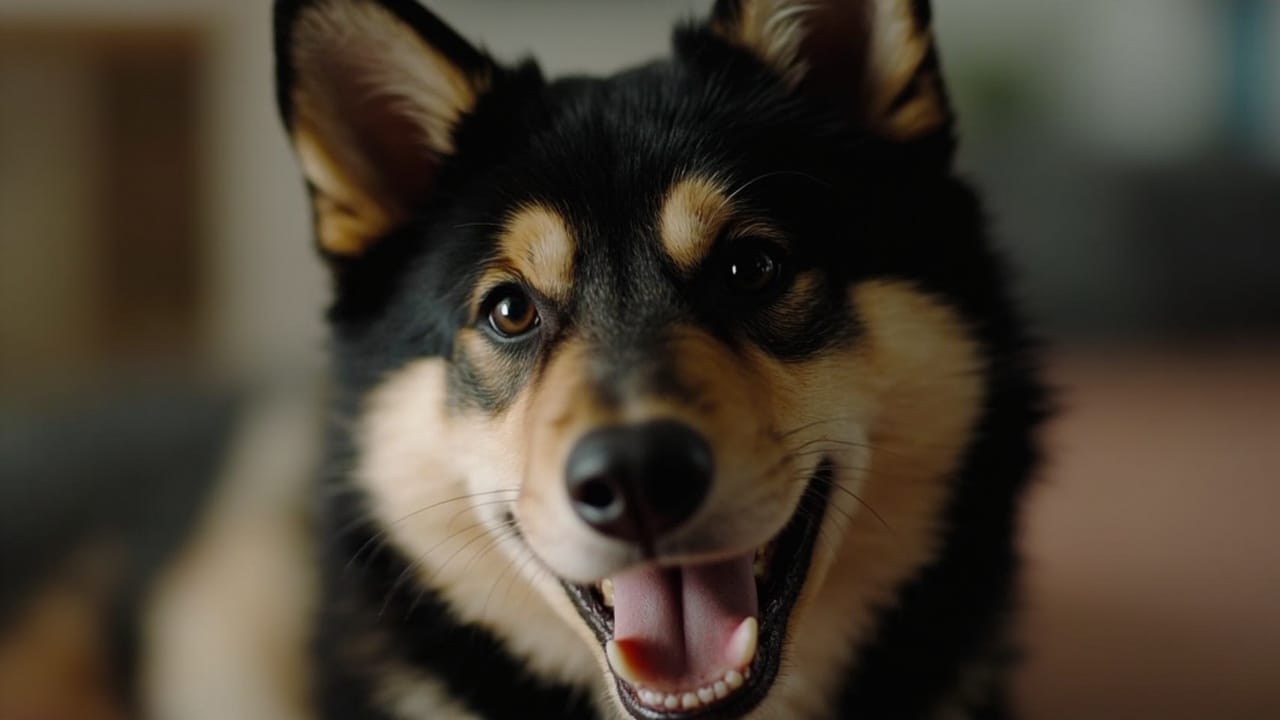
| Распространённые окрасы | Рыжий, чёрно-подпалый, сезам, кремовый | Преимущественно белый (более 70%); также рыжий, сезам, тигровый |
| Отметины | Обязательный урадзиро (кремово-белый низ) | Обычно сплошной белый, урадзиро не требуется |
| Уход за шерстью | Двойная шерсть, сильная линька 2 раза в год | Двойная шерсть, сильная линька 2 раза в год; чуть больше объём |
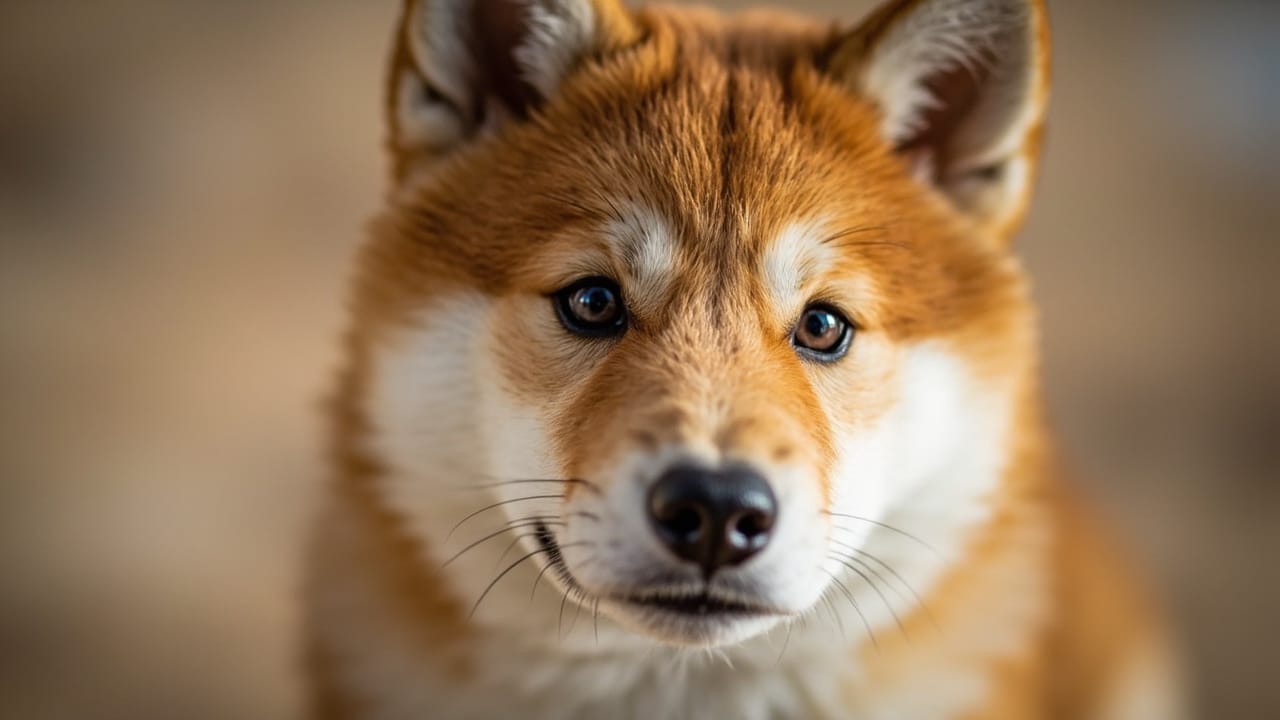
| Характерный облик | Лисий, острое выражение | Волчий, более длинная морда, более мощный костяк |
Кремовые Шибы существуют, но являются поводом для дисквалификации на выставках в большинстве стандартов, так как маскировка скрывает обязательный урадзиро. Белые Кишу, напротив, — визитная карточка породы и современное предпочтение в Японии.
Темперамент и поведение
Обе породы примитивны, сдержанны с незнакомцами и очень преданы своей семье. На этом сходство во многом заканчивается.
Шиба-ину:
- Смелая, бдительная, часто с юмором
- «Разговорчивая» — йодли, лает и знаменито издаёт пронзительный «крик Шибы», когда чем-то недовольна
- Самостоятельная в мышлении, сильный охотничий инстинкт, известная мастерица побегов
- Может устраивать «Shiba 500» — внезапные приступы «зуми»
- Как правило, реактивна к другим собакам, особенно к особям того же пола
Кишу-кен:
- Спокойнее, сдержаннее, менее реактивная
- Тише, но остаётся бдительным сторожем
- Стайная; лучше уживается в доме с несколькими собаками, если растут вместе
- Сильный охотничий инстинкт (исторически выводилась для охоты на кабана)
- Сильно привязывается к одному-двум людям, а не ко всей семье
Если вы хотите собаку, которая будет интеллектуально бросать вам вызов и развлекать проделками — выбирайте Шибу. Если нужна более ровная, ориентированная на хозяина примитивная порода — лучше подойдёт Кишу.
Обучаемость и подходящий образ жизни
Ни одна из пород не подходит новичкам. Обе чистоплотны, «кошачьи» в повадках и легко приучаются к дому, но обе будут оспаривать ваши правила.
- Шиба откликается на положительное подкрепление, но «выключается» от давления. Многие владельцы используют клетку-бокс и безопасную шлейку (ожидайте обхват груди 130–200 см). Шибы славятся тем, что забираются на столешницы и выскакивают за дверь.
- Кишу мягче и более послушна, но всё равно нуждается в ранней социализации. Порода выводилась для охоты на кабана и оленя в горах полуострова Кии, поэтому требует серьёзной работы над подзывом и высокого забора (минимум 1,8 м).
Потребность в нагрузках: обеим нужно 60–90 минут активности в день. Умственная стимуляция (снифф-прогулки, интерактивные кормушки, флирт-палки) предотвращает деструктивное поведение у обеих пород.
Здоровье и продолжительность жизни
Обе породы отличаются завидным долголетием.
- Шиба-ину: в среднем 13–16 лет. Скрининг CHIC включает оценку OFA на дисплазию тазобедренных суставов, коленные чашечки и офтальмологическое обследование CERF/CAER. Распространённые проблемы: атопический дерматит, вывих коленной чашечки, дисплазия тазобедренного сустава (~7,6% по данным OFA), первичная закрытоугольная глаукома, катаракта, PRA, гипотиреоз.
- Кишу-кен: обычно 13–15 лет. Данных о здоровье мало из-за ограниченного генофонда, но в сообщениях упоминаются дисплазия тазобедренного сустава, аутоиммунный тиреоидит и энтропион. Всегда требуйте у заводчика результаты скрининга, эквивалентного OFA.
Цена и доступность
Для большинства это самое практичное различие.
- Шиба-ину (США): у ответственных заводчиков $1 400–$2 500; шоу-класс или редкие окрасы — $3 500–$5 000. Стоимость приёмной семьи при спасательном устройстве — $300–$500.
- Кишу-кен: вне Японии найти практически невозможно. В США ожидайте $2 500–$4 500 и лист ожидания 6–18 месяцев. Большинство племенного поголовья завозится из Японии через программы, связанные с сетью Nihon Ken Hozonkai (NIPPO).
Какую породу выбрать?
Выбирайте Шиба-ину, если вы:
- Хотите небольшую, лисью компаньонку для жизни в квартире
- Цените самостоятельную, выразительную, часто смешную собаку
- Готовы работать с реактивностью и попытками побегов
- Хотите иметь доступ к большой сети заводчиков и спасательных организаций
Выбирайте Кишу-кен, если вы:
- Имеете опыт работы с примитивными или шпицеобразными породами
- Хотите более спокойную, ориентированную на хозяина охотничью собаку
- Живёте в загородном или пригородном доме с безопасным двором
- Готовы ждать подходящего заводчика и, возможно, импортировать щенка
В любом случае вы получаете одну из древнейших ветвей собак на Земле — обе породы происходят от древних «собак-кустарников» и в XX веке были признаны памятниками природы Японии (Шиба — в 1936 году).
FAQ
Связаны ли между собой Шиба-ину и Кишу-кен?
Да. Обе происходят от древних японских шпицеобразных «собак-кустарников» и входят в шесть коренных японских пород, сохранённых организацией NIPPO. У них общая генетическая основа, но развивались они в разных регионах и для разной дичи.
Кишу-кен крупнее Шиба-ину?
Значительно. Кишу-кен имеет рост 43–55 см и вес 14–27 кг, тогда как Шиба-ину — 33–43 см и 8–10 кг. Кишу примерно на 30–50% крупнее.
Кого легче дрессировать — Шибу или Кишу?
Ни одну из них нельзя назвать лёгкой, но Кишу, как правило, мягче и более послушна, что делает её чуть более подходящей для тех, кто впервые заводит примитивную породу. Шиба самостоятельна и будет постоянно оспаривать правила.
Могут ли Шиба-ину и Кишу-кен жить вместе?
Да, при аккуратном знакомстве. У обеих сильный охотничий инстинкт и реактивность к собакам своего пола, поэтому рекомендуются пары разнополых собак и параллельное знакомство на поводках. У многих владельцев они успешно живут в доме с несколькими собаками.