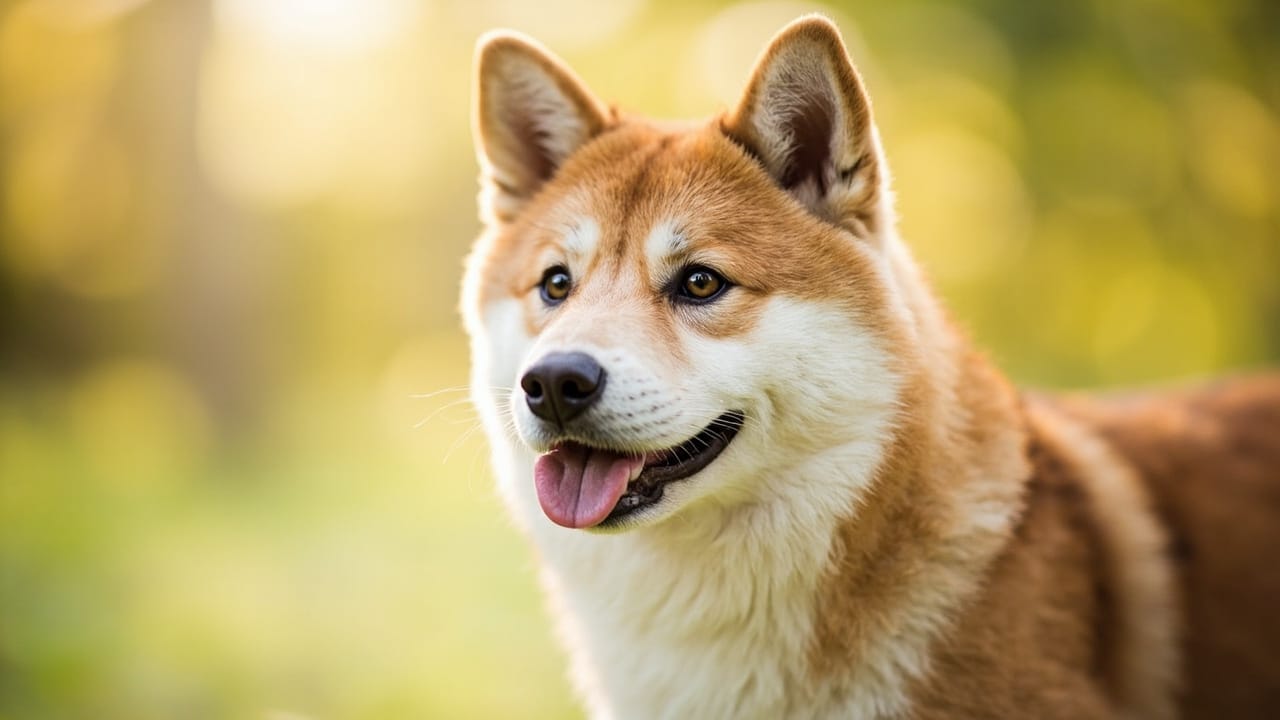
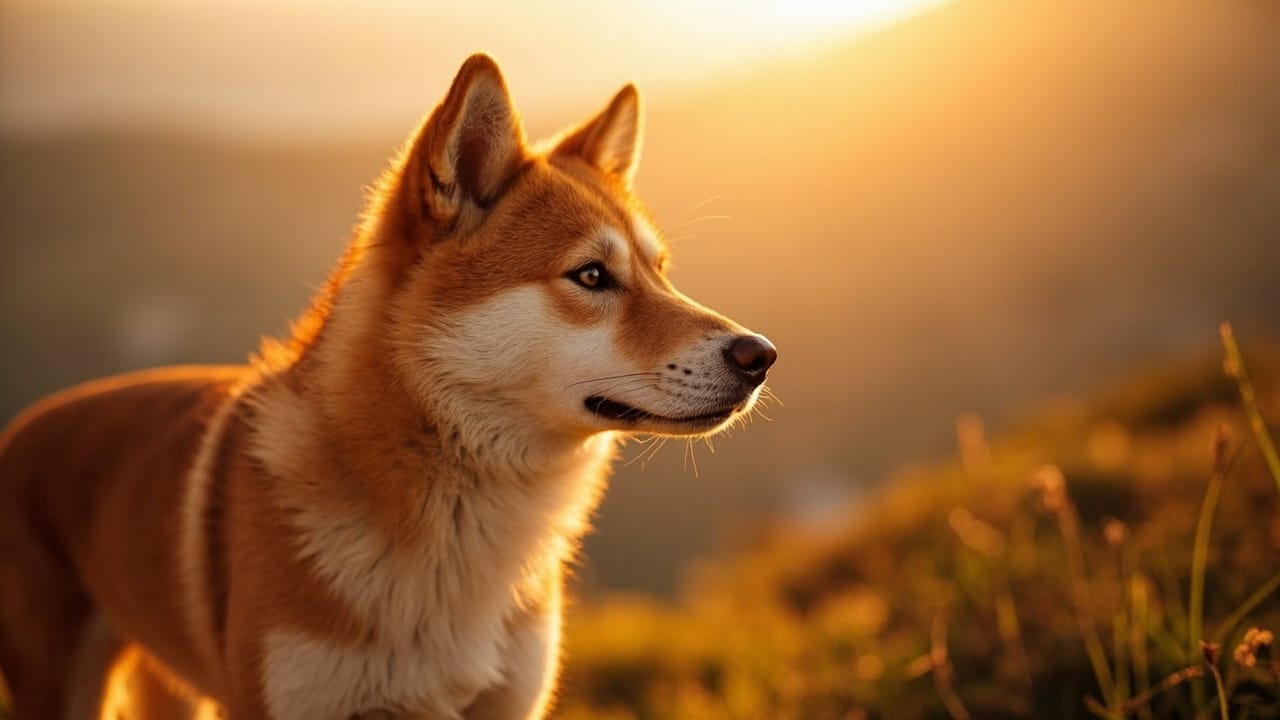
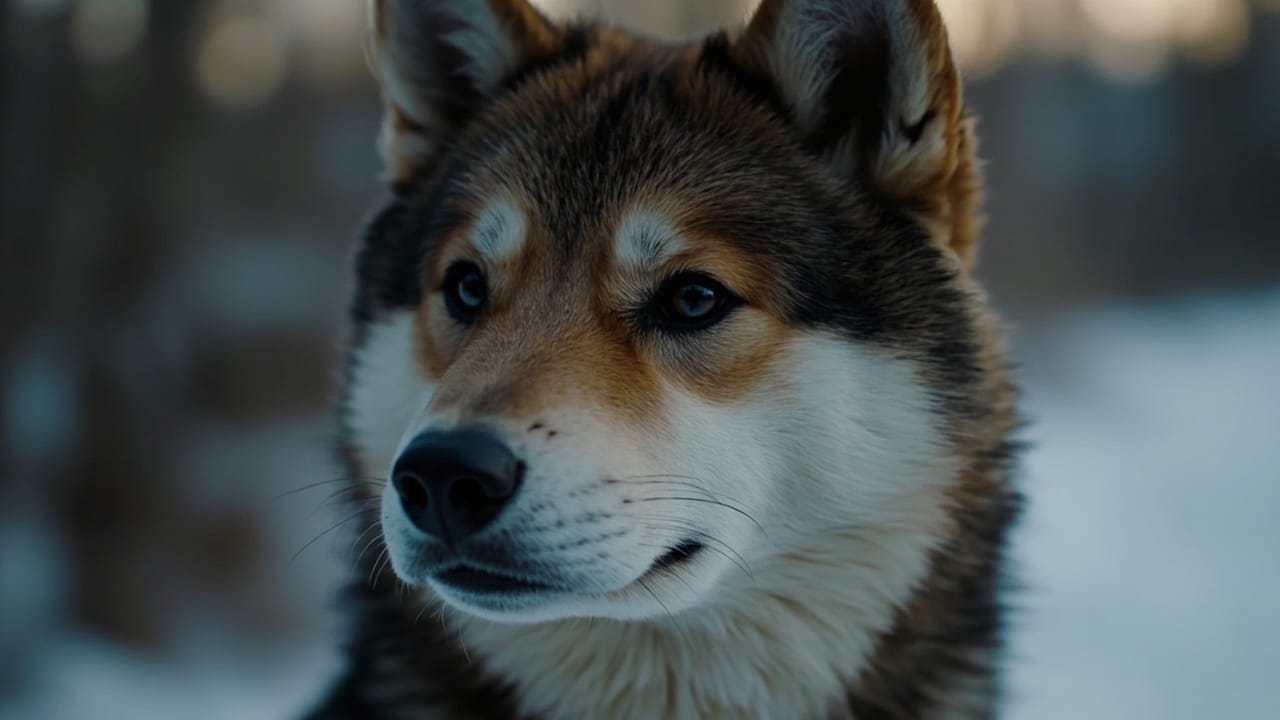
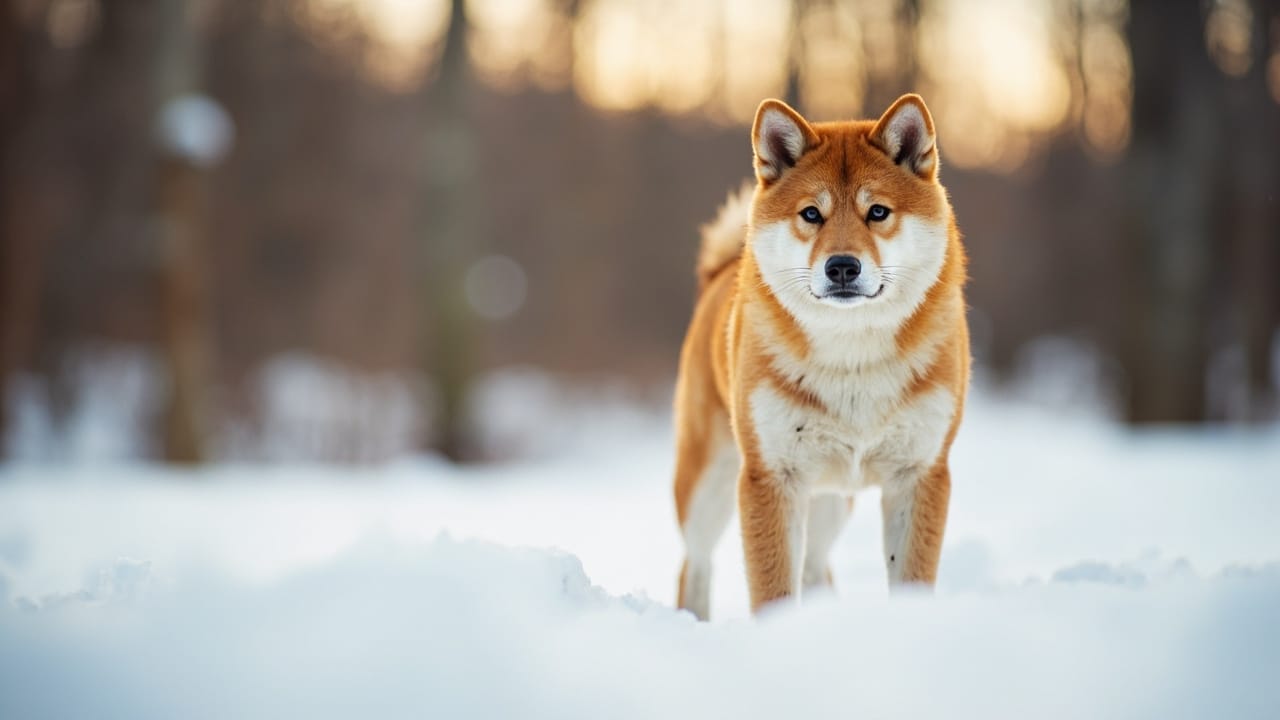
Шиба-іну в холодну погоду: посібник з зимового догляду за собакою з «чагарникових гір»
Шиба-іну добре переносять холод завдяки густій подвійній шерсті, але вони не застраховані від зимових небезпек. Температури нижче -10°C (14°F) протягом тривалого часу, волога, реагенти для льоду та менша тривалість дня потребують активного контролю, щоб шиба залишалася в безпеці та комфорті.

Шиба-іну переносять холод краще за більшість порід свого розміру, але вони не арктичні собаки. Їхня густа подвійна шерсть — жорсткий верхній шар і товстий, шерстистий підшерсток — формувалася для гірських районів Chubu в Японії, а не для північних зим із температурами нижче нуля. У своїй комфортній зоні, приблизно від 0°C до 15°C (32–59°F), здорова шиба чудово почувається надворі й охоче гуляє, грається та патрулює подвір'я. Нижче приблизно -10°C (14°F) ризик різко зростає, особливо для цуценят, літніх собак, худих тварин і будь-яких шиб із проблемами щитовидної залози, які витоншують шерсть.
Найважливіший зимовий актив шиби — це підшерсток, який вони «здувають» двічі на рік, наприкінці весни та наприкінці осені. Добре вкрита зимовою шерстю шиба має пишний комір навколо шиї та майже непроникний шар на спині й хвості. Попри це, шерсть не є водонепроникною так, як у лабрадора, а мокра шиба швидко втрачає ізолюючі властивості. Сніг — це нормально; мокрий дощ поверх снігу — ні.
Температурна толерантність і реальні межі
Суха, захищена, акліматизована доросла шиба в хорошій кондиції зазвичай витримує:
- Від 0 до -10°C (32–14°F): Комфортно за звичної активності. Слідкуйте за лапами — між пальцями може намерзати лід.
- Від -10 до -20°C (14–-4°F): Обмежуйте час надворі, особливо для цуценят до 12 місяців, літніх собак понад 10 років і тварин із дисплазією кульшових суглобів чи гіпотиреозом. На прогулянки використовуйте куртку.
- Нижче -20°C (-4°F): Лише короткі виходи в туалет. Більшість ветеринарів рекомендують зимову куртку та утеплені чобітки для будь-якого тривалого перебування надворі.
Простий польовий тест: якщо вам некомфортно надворі без шапки й рукавичок, вашій шибі також некомфортно. Собаки втрачають більшу частину тепла тіла через лапи, живіт, вуха та ніс — не через спину, яку ви бачите вкриту шерстю.
Зимова куртка: так чи ні?
Для здорової дорослої шиби за температури від 0 до -10°C куртка зазвичай непотрібна й може навіть приплющити підшерсток, зменшуючи його ізолюючі властивості. Нижче -10°C або для будь-якої собаки, яка тремтить, піднімає лапи чи горбиться, водонепроникна утеплена куртка справді допомагає. Обирайте ту, що закриває живіт і має високий комір. Уникайте дешевих поліестерових «модних» курток, які затримують вологу.
Собачі чобітки корисні у трьох випадках: багато солі чи хімічних реагентів на тротуарах, екстремальний холод і снігова кірка, що збивається між пальцями. Привчання до чобітків потрібно починати вдома восени — більшість шиб опираються чобіткам уперше. На початку зими підстрижіть шерсть між подушечками лап, щоб зменшити накопичення льоду.
Сніг, лід і догляд за лапами
Після кожної прогулянки протирайте лапи вологою тканиною. З двох причин: щоб видалити реагенти (хлорид натрію, ацетат кальцію-магнію або, ще гірше, засоби на основі етиленгліколю) і висушити лапи для запобігання тріщинам. Перевіряйте на:
- Тріщини чи кровотеча подушечок — нанесіть бальзам для лап (musher's secret, bag balm) і подумайте про шкарпетки вдома.
- Сніг, що збився між пальцями — часто трапляється в шиб із довшою шерстю; на зиму підстрижіть міжпальцеву шерсть коротко.
- Порізи подушечок об прихований лід — промийте, обробіть і перев'яжіть; шиба, що лиже лапу, за ніч перетворить маленький поріз на гарячу виразку.
Узимку підтримуйте кігті короткими. Менше активності на твердому ґрунті означає повільніше сточування, а довгі кігті змінюють кут нахилу лапи, збільшуючи ковзання на льоду.
Зимові ризики в приміщенні
Небезпеки холодної пори не лише надворі. Узимку зростають і побутові ризики:
- Менше фізичної активності — відомі «шиба-500» (шалені перегони) усе ще потребують виходу. Якщо прогулянки коротшають, додайте годівниці-головоломки, ігри з флірт-палицею або кімнатне «принеси» в довгому коридорі.
- Сухе повітря й атопічний дерматит — примусове опалення знижує вологість; шиби схильні до атопічного дерматиту, який часто загострюється взимку. Зволожувач із показником 40–50% і добавка з риб'ячим жиром можуть допомогти.
- Набір ваги — трохи менше активності плюс святкові ласощі — і до весни шиба стає важчою. Дисплазія кульшових суглобів погіршується з зайвою вагою, і суглоби відчувають це першими.
- Токсикологічні ризики — антифриз солодкий і смертельний. Негайно витирайте розливи, а якщо потрібно зберігати його на території, обирайте засоби на основі пропіленгліколю.
- Обігрівальні підстилки та каміни — використовуйте килимки з підігрівом на низькому режимі з таймером і встановіть екран перед каміном. Цікавість шиби плюс незахищене полум'я — це гарантований опік.
Зимові навантаження та розумова робота
Шибі потрібно приблизно 60–90 хвилин активності на день, цілорічно. У глибокому снігу витрати енергії різко зростають, тому 20–30 хвилин повільної ходьби по 20 см снігу приблизно дорівнюють годині на сухій поверхні. Використовуйте це — походи снігом чудово зміцнюють м'язи й дають вихід мисливським інстинктам у шаленій біганині. Час без повідка взимку потребує особливої обережності: сніг ховає запахи та візуальні орієнтири, а шиби — відомі втікачі, які перевірятимуть засипану снігом огорожу так, як не робили б улітку.
Розумова робота важливіша, коли прогулянки короткі. Заморозьте низькосольовий кістковий бульйон у Kong, сховайте гранули в килимку-нюхачці або навчайте нового трюку 5-хвилинними сесіями. Втомлений мозок шиби — тиха шиба, а тихі шиби не переробляють вітальню, коли ви йдете на роботу в темряві.
Сезонний нагляд за здоров'ям
Кілька станів пікують узимку, і за ними варто стежити:
- Гіпотиреоз — симптоми (млявість, набір ваги, витоншення шерсті, темні плями на шкірі) часто стають помітними лише в холодні місяці, бо собака більше не здатна регулювати температуру тіла. Простий аналіз крові на T4 допомагає це виявити.
- Дисплазія кульшових суглобів і вивих колінної чашечки — холод скутіє суглоби. Якщо ваша шиба вагається на сходах або «стрибає зайчиком» уранці, згадайте це під час наступного візиту до ветеринара.
- Первинна закритокутова глаукома — холод може впливати на внутрішньоочний тиск. Слідкуйте за примруженням, почервонінням або помутнінням ока й негайно зверніться до ветеринара.
Зимове прізвисько шиби — собака з чагарникових гір — походить від порослих чагарником гір центральної Японії. Доглянута шиба взимку робить саме те, для чого породу було виведено — але лише з господарем, який розуміє різницю між «холодостійкою» та «холодонепроникною».
FAQ
Чи можуть шиба-іну жити надворі взимку?
Ні. Навіть із добре розвиненою зимовою шерстю шиби повинні жити в приміщенні. Вони добре переносять прогулянки в холодну погоду, але їх не можна залишати надворі на ніч, а при температурах нижче -10°C (14°F) потрібна будка з утепленою підстилкою та скорочений час перебування.
При якій температурі шиба-іну потрібна куртка?
Більшість здорових дорослих шиб не потребують куртки за температури вище -10°C (14°F). Нижче цієї межі, а також для цуценят, літніх собак, худих тварин чи будь-якої шиби, яка тремтить або піднімає лапи, рекомендована водонепроникна утеплена куртка.
Чи мерзнуть лапи шиба-іну в снігу?
Так. Собаки втрачають значну частину тепла тіла через подушечки лап. У глибокому чи злежалому снігу між пальцями утворюються крижані кульки, а бальзам для лап і підстригання міжпальцевої шерсті запобігає більшості проблем. Чобітки допомагають за температури нижче -15°C або на посипаних сіллю тротуарах.
Чи варто стригти шибу взимку?
Ні. Ніколи не голіть і не підстригайте суттєво подвійну шерсть шиби взимку — підшерсток є ізолюючим шаром. Регулярне вичісування для видалення відмерлого підшерстку не заборонене і навіть покращує зігрів, але стрижка остьового волосся руйнує водонепроникність шерсті.