Mame Shiba có phù hợp làm chó căn hộ và chó gia đình không? Hướng dẫn thành thật
Có, Mame Shiba có thể là những chú chó căn hộ và chó gia đình tuyệt vời nếu phù hợp với hoàn cảnh. Chúng yên tĩnh, sạch sẽ, và đủ nhỏ cho không gian hẹp, nhưng vẫn giữ tính cách Shiba mạnh mẽ, bản năng săn mồi cao—vì vậy chúng cần được huấn luyện nhất quán, xã hội hóa sớm, và những gia đình tôn trọng bản tính độc lập của chúng.
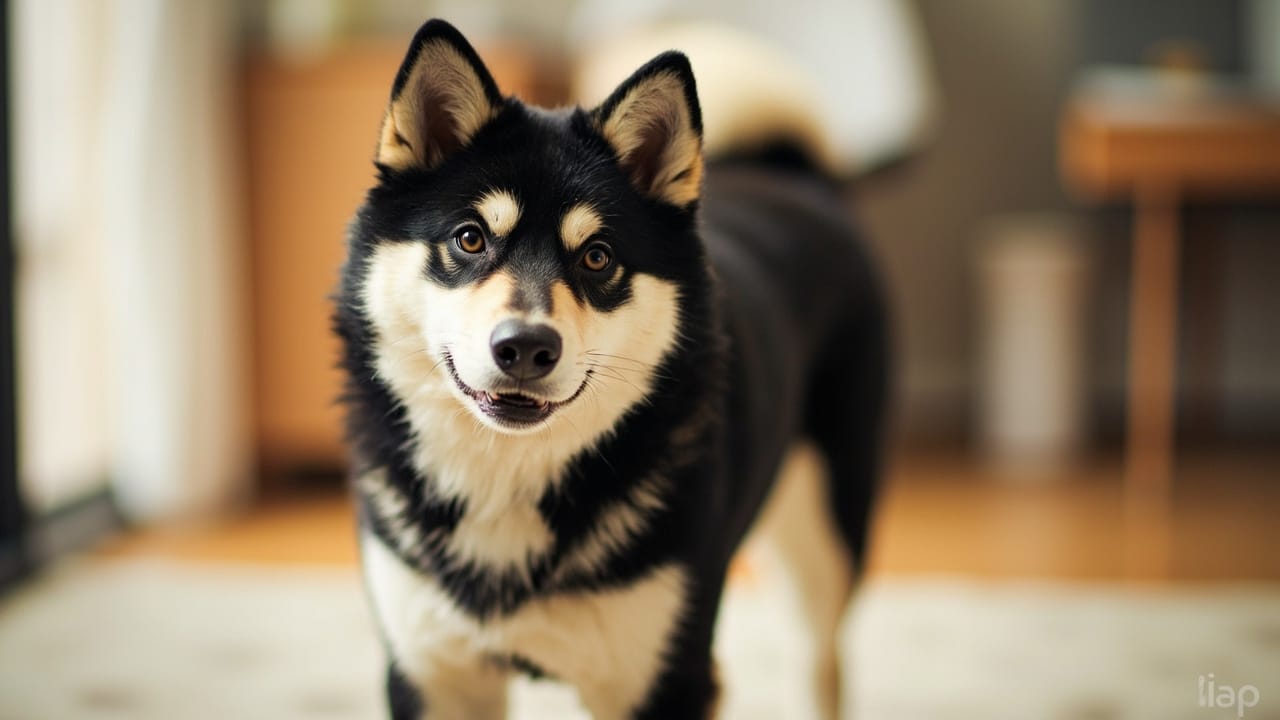
Mame Shiba là phiên bản thu nhỏ của Shiba Inu (trưởng thành thường nặng 3–5 kg / 7–11 lb) được lai tạo để có khung hình gọn hơn. Chúng trở thành chó căn hộ và chó gia đình khá tốt vì giữ được sự điềm tĩnh, sạch sẽ như mèo của Shiba tiêu chuẩn trong một cơ thể vừa vặn với studio hoặc phòng khách nhỏ. Tuy nhiên, chúng không phải là "phiên bản mini hành xử như chó đồ chơi." Tính khí của giống chó này vẫn nguyên vẹn: cảnh giác, dè dặt, thông minh, và độc lập. Những gia đình muốn có một người bạn đồng hành nhỏ, yên tĩnh, trung thành—và có thể cam kết huấn luyện cùng xã hội hóa—thường thấy Mame Shiba rất lý tưởng. Những gia đình kỳ vọng một chú chó nhỏ dễ chịu, tình cảm ngay lập tức, thích ôm ấp thường sẽ thất vọng.
Kích thước và sự phù hợp với căn hộ
Đặc điểm nổi bật của Mame Shiba là kích thước. Trong khi Shiba đực tiêu chuẩn cao 35–43 cm và nặng khoảng 10 kg, Mame Shiba thường tối đa khoảng 30–34 cm và 3–5 kg. Kích thước nhỏ này rất quan trọng trong căn hộ:
- Ít đòi hỏi không gian: Chúng hài lòng với cuộc sống trong nhà miễn là được đi dạo hàng ngày và chơi ngắn.
- Bản tính yên tĩnh: Shiba hiếm khi sủa vô cớ. Mame Shiba thường còn ít phát ra tiếng hơn, khiến chúng thân thiện với hàng xóm.
- Sạch sẽ và không có mùi: Giống như Shiba tiêu chuẩn, chúng tự chải chuốt như mèo và rất ít mùi chó.
- Dễ dùng chuồng: Kích thước nhỏ giúp huấn luyện chuồng và di chuyển dễ dàng, hỗ trợ thói quen sống trong căn hộ.
Điểm cần lưu ý là kích thích tinh thần. Một Mame Shiba buồn chán trong không gian nhỏ sẽ phá phách. Đồ chơi giải đố, trò chơi mùi hương, và các bài huấn luyện ngắn là điều bắt buộc.
Tính khí với gia đình
Mame Shiba trung thành và gắn bó mạnh mẽ với gia đình, nhưng chúng thể hiện tình cảm khác với Labrador hay Cavalier. Hãy chuẩn bị:
- Tình cảm dè dặt: Chúng tự chọn lúc muốn ôm ấp, thường theo ý mình, rồi lại rút lui.
- Bản năng săn mồi cao: Thú nhỏ—chuột hamster, thỏ, thậm chí mèo chúng không lớn lên cùng—có thể kích hoạt hành vi rượt đuổi. Mame Shiba không an toàn khi thả rông gần thú nhỏ.
- Suy nghĩ độc lập: Chúng được lai tạo để săn mồi, và vẫn tự đưa ra quyết định. "Lại đây" là một lời đề nghị, không phải mệnh lệnh, nếu không được huấn luyện.
- Chịu đựng trẻ em, không hào hứng: Chúng hợp nhất với trẻ lớn, hiểu chó (thường từ 8 tuổi trở lên) biết tôn trọng ranh giới. Đối xử thô bạo hoặc bất ngờ nắm bắt có thể kích hoạt tiếng "hét Shiba" nổi tiếng.
Xã hội hóa sớm—lớp chó con, gặp người mới, tiếp xúc với trẻ em, chó khác, và âm thanh thành phố—tạo nên sự khác biệt giữa một chú chó gia đình tự tin và một chú chó hay gắt, sợ hãi.
Thực tế về huấn luyện
Shiba không dễ huấn luyện. Chúng thông minh và học nhanh, nhưng cũng chán nhanh hơn và sẽ ngừng hợp tác với sự lặp lại hoặc phương pháp khắc nghiệt. Đối với căn hộ, ba kỹ năng then chốt là:
- Huấn luyện chuồng và vệ sinh – Mame Shiba có thể mất nhiều thời gian để học vệ sinh hơn các giống nhỏ khác vì bản tính độc lập. Tính nhất quán và lịch trình nghiêm ngặt hiệu quả hơn hình phạt.
- Gọi lại – Bản năng săn mồi của chúng rất thực tế. Trong khu chung cư với cửa mở, hành lang, và thang máy, một khẩu lệnh "lại đây" vững chắc có thể cứu mạng chúng.
- Nằm yên – Dạy một khẩu lệnh để chúng học cách thư giãn trên thảm trong khi bạn làm việc, ăn uống, hoặc có khách.
Hãy dùng củng cố tích cực, buổi tập ngắn, và phần thưởng giá trị cao. Tránh xa vòng cổ gai hoặc vòng cổ sốc; chúng phá hủy niềm tin và thường phản tác dụng với giống chó này.
Sức khỏe và tuổi thọ
Mame Shiba thường sống 13–16 năm, tương đương Shiba tiêu chuẩn và nằm trong nhóm lâu nhất trong các giống chó. Chúng có thể thừa hưởng các bệnh tương tự:
- Trật khớp xương bánh chè (rất phổ biến ở Shiba nhỏ)
- Viêm da cơ địa và dị ứng
- Loạn sản hông (ít phổ biến hơn nhưng có thể xảy ra)
- Các vấn đề về mắt bao gồm đục thủy tinh thể, PRA, và tăng nhãn áp
- Suy giáp
Người gây giống có trách nhiệm sẽ sàng lọc xương bánh chè, hông, và mắt qua OFA/CHIC. Mame Shiba từ các dòng không xác minh cũng có thể dễ gặp tình trạng xương giòn và chen chúc răng do kích thước thu nhỏ, vì vậy kiểm tra thú y trong năm đầu tiên rất quan trọng.
Tìm mua một cách minh bạch
Giá hợp lý tại Mỹ khoảng $2.500–$5.000+ cho một Mame Shiba từ người gây giống có kiểm tra sức khỏe, thường đắt hơn Shiba tiêu chuẩn vì nguồn gen nhỏ hơn. Hãy cảnh giác với bất kỳ ai bán "teacup" hoặc "micro" Shiba với giá rẻ—đây thường là những chú chó con nhỏ nhất, yếu nhất trong đàn tiêu chuẩn, không phải dòng Mame được gây giống đạo đức. Nhận nuôi qua hội cứu hộ Shiba là lựa chọn rẻ hơn và thường khôn ngoan hơn; Shiba tiêu chuẩn trong trại cứu hộ đôi khi lớn đến kích thước Mame, khoảng 7–9 kg, mà nhiều người sống trong căn hộ thấy vừa vặn.
Kết luận cho gia đình sống ở căn hộ
Mame Shiba là chó căn hộ và chó gia đình tuyệt vời nếu bạn muốn một chú chó nhỏ yên tĩnh, sạch sẽ, trung thành, giống mèo và bạn sẵn sàng huấn luyện cùng xã hội hóa. Mame Shiba là lựa chọn sai nếu bạn muốn một thú cưng gia đình ham làm hài lòng, thân thiện ngay lập tức, kiên nhẫn vô tận. Hãy chọn giống chó phù hợp với kỳ vọng thực tế của bạn, không chỉ vì kích thước dễ thương, và Mame Shiba sẽ phát triển trong căn hộ cùng gia đình yêu thương, tôn trọng trong hơn một thập kỷ.
FAQ
Mame Shiba có sủa nhiều trong căn hộ không?
Không. Mame Shiba là giống chó yên tĩnh và hiếm khi sủa vô cớ. Chúng phát ra tiếng "Shiba scream" nổi tiếng khi sợ hãi hoặc bị giữ chặt, nhưng tiếng ồn trong căn hộ từ ngày sang đêm là rất thấp.
Mame Shiba có hợp với trẻ em không?
Chúng hợp nhất với trẻ em điềm tĩnh, hiểu chó, thường từ 8 tuổi trở lên. Chúng chịu đựng hơn là tìm kiếm trẻ em, và không bao giờ nên để chúng một mình với trẻ nhỏ hoặc người đối xử thô bạo.
Mame Shiba cần tập thể dục bao nhiêu trong căn hộ?
Khoảng 30–45 phút đi dạo mỗi ngày, cộng thêm một buổi chơi hoặc huấn luyện ngắn. Chúng thích nghi tốt với cuộc sống căn hộ miễn là được cung cấp kích thích tinh thần.
Mame Shiba có sống chung với mèo hoặc thú nhỏ khác được không?
Có, nếu lớn lên cùng nhau từ khi còn là chó con. Bản năng săn mồi mạnh mẽ đồng nghĩa với việc chúng không bao giờ được tin tưởng thả rông gần các thú nhỏ chúng không quen, như thỏ, chuột hamster, hoặc mèo ngoài trời.
Đọc tiếp nhé
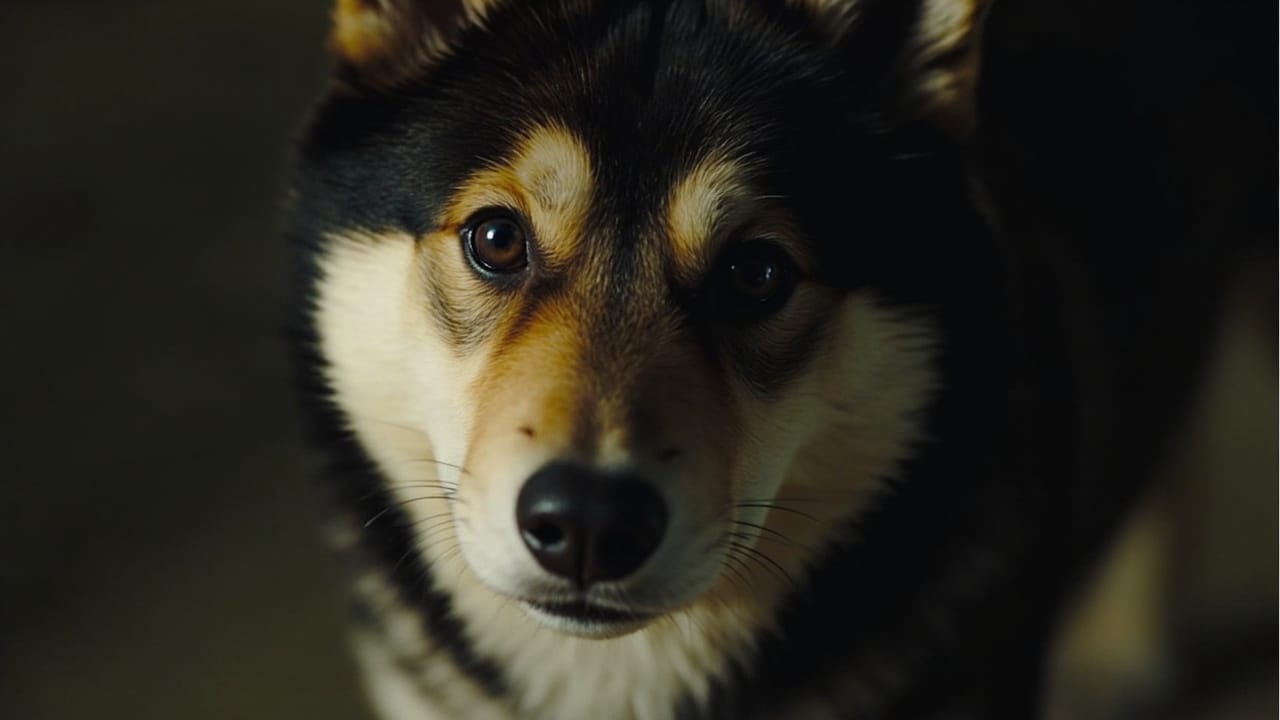 Meme Doge và cơn sốt Elon Musk có làm tăng số lượng nhận nuôi và giải cứu Shiba Inu không?
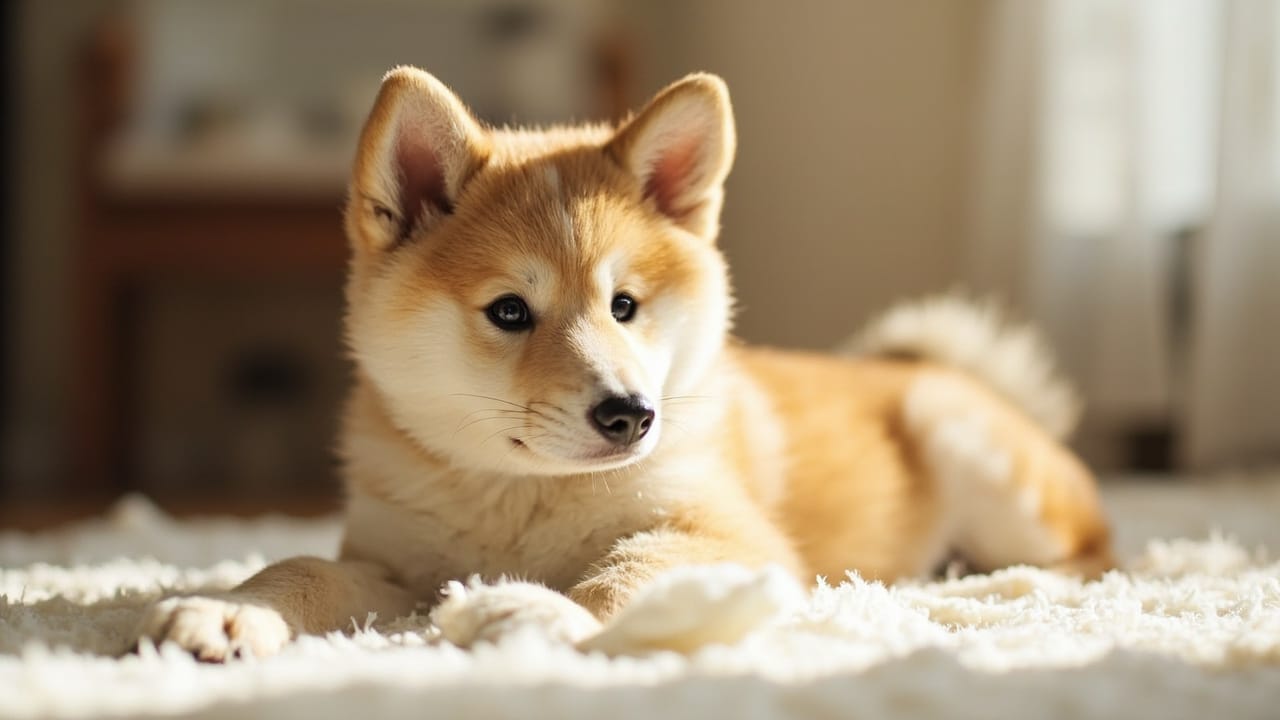 Biểu Đồ Tăng Trưởng Của Chó Con Mame Shiba: Khi Nào Chúng Ngừng Lớn?
 Kích thước Mame Shiba: Chiều cao, cân nặng trưởng thành & Hướng dẫn tăng trưởng
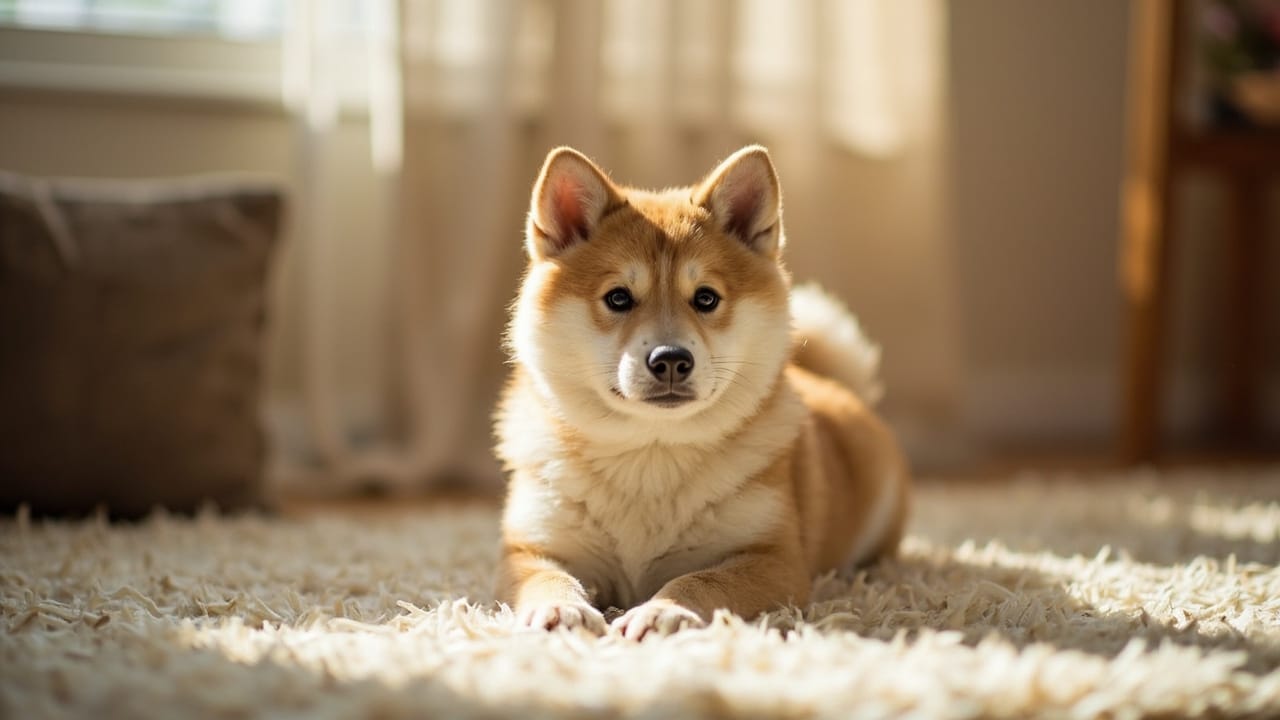 Mame Shiba Inu Có Giữ Kích Thước Nhỏ Không? Hướng Dẫn Kích Thước & Sự Thật Về Tăng Trưởng