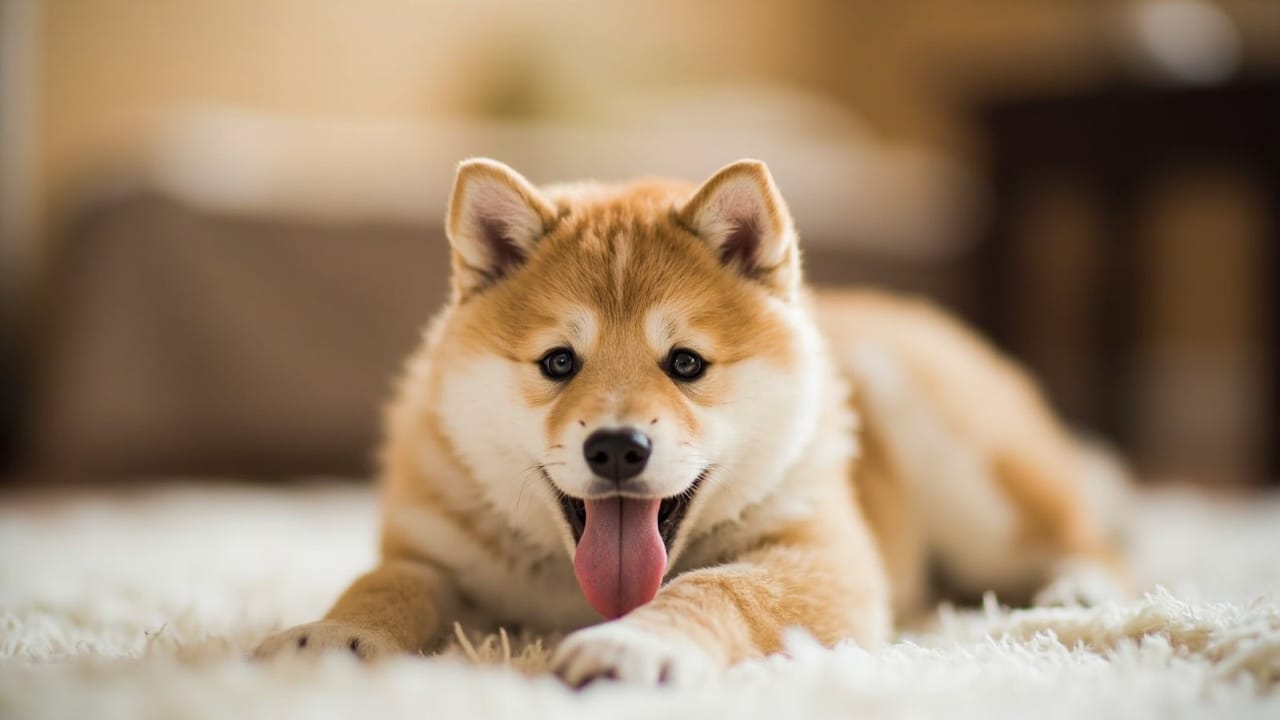
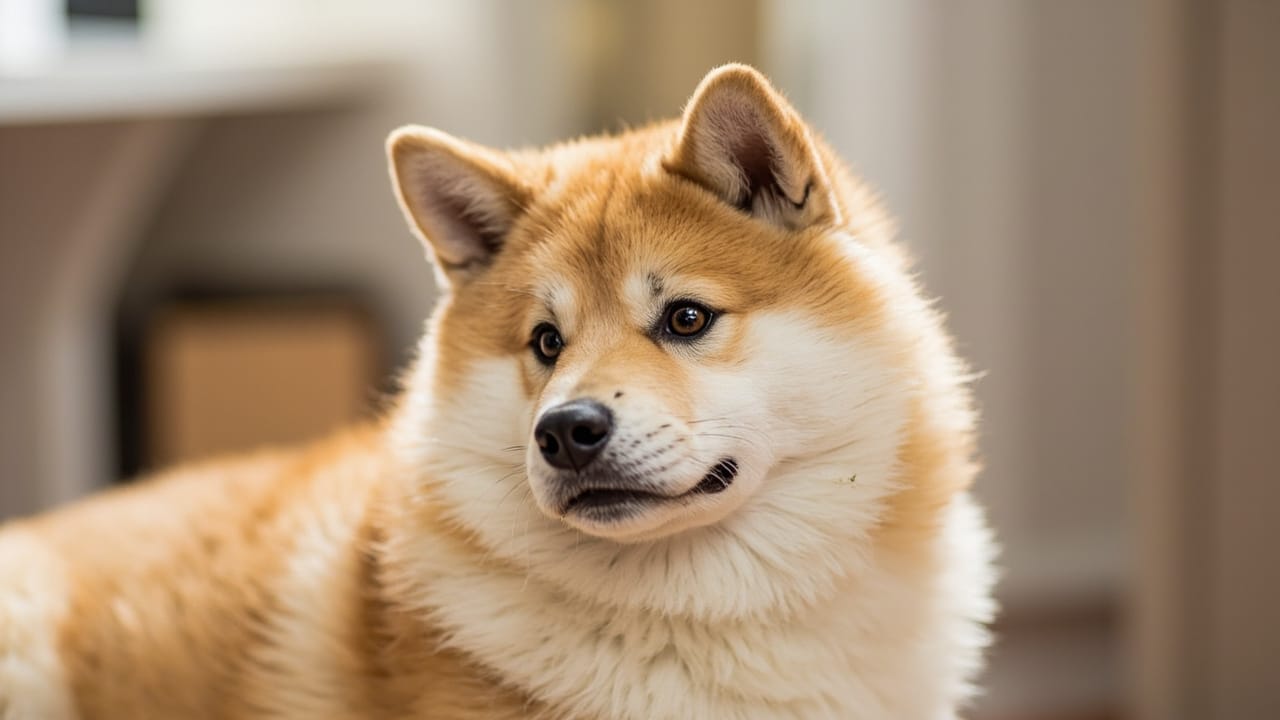
Shiba Inu có sủa nhiều không? Sự thật về khả năng phát âm của Shiba Inu
Shiba Inu thường là giống chó khá yên tĩnh và không sủa nhiều so với hầu hết các giống khác. Chúng giao tiếp bằng nhiều âm thanh đa dạng, nổi tiếng nhất là tiếng 'hét Shiba' the thé, thay vì sủa quá mức, khiến chúng phù hợp đáng ngạc nhiên với cuộc sống trong căn hộ khi được huấn luyện đúng cách.
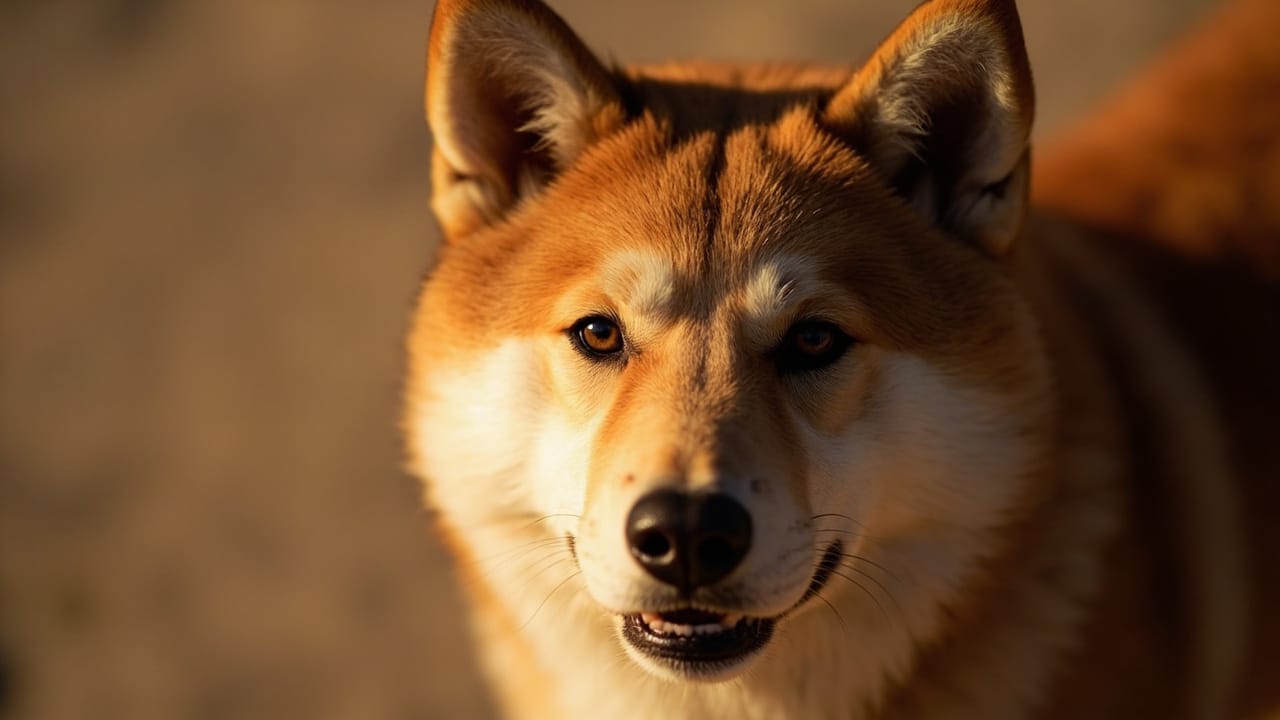
Shiba Inu không phải là giống chó sủa quá nhiều. So với hầu hết các giống chó, Shiba Inu nằm ở phía yên tĩnh hơn trên phổ tiếng ồn, điều khiến nhiều người lần đầu nuôi ngạc nhiên vì thường kỳ vọng một chó kiểu spitz sẽ hay sủa. Ban đầu chúng được lai tạo để săn thú nhỏ ở vùng đồi núi bụi rậm của Nhật Bản, nơi một con chó cảnh giác và im lặng được đánh giá cao hơn một con chó ồn ào. Ngày nay, đặc điểm này vẫn được duy trì: một chú Shiba được điều chỉnh tốt thường sẽ cảnh báo bạn về người lạ bằng một tiếng sủa ngắn gọn, sắc bén, rồi lại nằm yên.
Tuy nhiên, Shiba không hẳn là im lặng. Chúng là một trong những giống chó phát ra âm thanh nhiều nhất theo một cách khác. Hiểu được toàn bộ dải âm thanh của Shiba là chìa khóa để biết điều gì là 'bình thường' và khi nào nên lo lắng.
'Tiếng hét Shiba' nổi tiếng
Không thể nào bàn về âm thanh của Shiba mà bỏ qua tiếng hét Shiba. Đây là một tiếng rít lớn, the thé, gần giống tiếng người mà Shiba phát ra khi cực kỳ khó chịu, bị giật mình, hoặc đang phản đối điều gì đó. Các tác nhân phổ biến bao gồm:
- Cắt móng
- Khám thú y hoặc tiêm phòng
- Bị bế lên hoặc bị giữ chặt
- Tắm rửa
- Không đồng ý với một yêu cầu huấn luyện
Tiếng hét thực sự rất gây sốc khi bạn nghe lần đầu, nhưng đó không phải là sự hung hăng. Đó là một sự phản kháng cảm xúc. Những người nuôi Shiba giàu kinh nghiệm học cách giúp chó con quen dần với việc bị cầm nắm ngay từ sớm để giảm thiểu phản ứng này.
'Shiba 500' - cơn zoomies và các âm thanh khác
Shiba cũng nổi tiếng với hành vi gọi là 'Shiba 500,' khi chó đột nhiên chạy như điên khắp nhà hoặc sân. Trong những cơn bùng nổ này, chúng thường phát ra âm thanh như:
- Tiếng hú 'woo-woo' khi hào hứng hoặc chào đón bạn
- Tiếng grumble hoặc rên nhỏ khi nằm vào chỗ thoải mái
- Nghiến răng, đôi khi gọi là 'Shiba chatter,' khi bực bội hoặc đang theo dõi con mồi
- Âm thanh 'nói chuyện,' lầm bầm trong lúc chơi đùa
Những âm thanh này là bình thường và là một phần tính cách biểu cảm của giống chó này.
Khi nào Shiba thực sự sủa?
Shiba vẫn sẽ sủa, nhưng thường chỉ khi có lý do. Các tác nhân phổ biến nhất là:
- Có ai đó đến gần nhà hoặc sân
- Chó khác đi ngang, đặc biệt khi đi dạo
- Buồn chán hoặc thiếu kích thích (điều này có thể phòng ngừa được)
- Lo lắng khi bị chia ly (ít phổ biến hơn so với một số giống khác, nhưng vẫn xảy ra)
Một tiếng sủa cảnh báo điển hình của Shiba thường ngắn, sắc, và có mục đích. Chúng không phải là giống chó sủa vào lá bay qua sân. Tuy nhiên, nếu một chú Shiba bị để một mình hơn 10 tiếng không vận động và không có hoạt động kích thích, bất kỳ con chó nào cũng sẽ trở nên ồn ào.
Tại sao Shiba yên tĩnh hơn các giống spitz khác
Nhiều giống spitz, chẳng hạn như Siberian Husky hoặc Pomeranian, nổi tiếng là hay 'nói.' Shiba nổi bật vì:
- Vai trò săn mồi chọn lọc sự quan sát im lặng thay vì sủa đuổi
- Tính cách độc lập, giống mèo nghĩa là ít cần 'báo cáo' lại cho chủ
- Bản tính lạnh lùng với người lạ giúp giảm sủa phản ứng
- Bản năng săn mồi mạnh mẽ tập trung năng lượng vào việc quan sát thay vì thông báo
Mặc định yên tĩnh này khiến chúng phổ biến ở các căn hộ, nhà phố, và cộng đồng có quy định hạn chế tiếng ồn, với điều kiện chúng được vận động và kích thích tinh thần đầy đủ hằng ngày.
Cách giữ cho Shiba của bạn yên tĩnh
Ngay cả giống chó yên tĩnh cũng có thể phát triển tật sủa phiền phức. Phòng ngừa thực tế bao gồm:
- Vận động thể chất hằng ngày, 30 đến 60 phút đi bộ hoặc chạy
- Kích thích tinh thần như đồ chơi xếp hình, thảm sniff, và các trò chơi đánh hơi
- Xã hội hóa sớm để giảm sủa cảnh báo trước các hoạt động thông thường trên đường
- Dạy một mệnh lệnh 'im lặng' vững chắc bằng củng cố tích cực
- Không bao giờ để chó cô lập trong sân, vì điều này kích hoạt sủa lãnh thổ
Khi nào tiếng sủa là dấu hiệu của vấn đề
Sự gia tăng đột ngột trong sủa, rên, hoặc hú ở một chú Shiba trưởng thành có thể chỉ ra:
- Lo lắng chia ly
- Đau đớn do các vấn đề về khớp như trật xương bánh chè hoặc loạn sản hông
- Mất thị lực do đục thủy tinh thể hoặc glaucoma (Shiba dễ mắc cả hai)
- Suy giáp, có thể thay đổi hành vi
- Suy giảm nhận thức ở chó lớn tuổi trên 12 đến 13 năm
Cần đi khám bác sĩ thú y bất cứ khi nào một chú Shiba trước đây yên tĩnh trở nên phát ra nhiều âm thanh, đặc biệt nếu kèm theo bồn chồn, thay đổi khẩu vị, hoặc mất phương hướng.
Điểm mấu chốt
Shiba Inu không phải là giống chó hay sủa. Chúng là giống chó hay 'nói,' hét, 'chatter,' và grumble, nhưng tiếng súa phiền phức cổ điển thì không phổ biến. Đối với những người nuôi muốn một người bạn đồng hành cảnh giác, biểu cảm mà không có sự bình luận liên tục của một giống terrier hoặc chó săn điển hình, Shiba là một trong những bí mật được giữ kín nhất trong số các giống chó yên tĩnh.
FAQ
Shiba Inu có phải là chó căn hộ tốt vì chúng yên tĩnh không?
Đúng vậy, Shiba nằm trong số các giống spitz phù hợp với căn hộ vì bản năng chúng sủa ít hơn hầu hết các giống chó khác, nhưng chúng vẫn cần vận động hằng ngày, kích thích tinh thần, và huấn luyện nhất quán để giữ bình tĩnh trong nhà.
Tiếng hét Shiba là gì và tôi có nên lo lắng về nó không?
Tiếng hét Shiba là một âm thanh the thé mà Shiba phát ra khi cực kỳ khó chịu, thường trong khi cắt móng, khám thú y, hoặc bị giữ chặt. Đó là sự phản kháng, không phải hung hăng, và có thể giảm bớt bằng cách cho chó quen dần với việc bị cầm nắm ngay từ sớm.
Có thể huấn luyện Shiba Inu ngừng sủa không?
Được, Shiba đáp ứng tốt với củng cố tích cực và mệnh lệnh 'im lặng' đáng tin cậy, mặc dù chúng là những người suy nghĩ độc lập. Cách tiếp cận hiệu quả nhất là ngăn ngừa sủa do buồn chán bằng vận động và kích thích hằng ngày thay vì dựa vào các biện pháp sửa chữa.
Shiba Inu có hú hoặc nói như Husky không?
Shiba không phát ra âm thanh nhiều như Husky, nhưng chúng phát ra 'woo-woo,' chatter, và lầm bầm khi hào hứng hoặc bực bội. Chúng có xu hướng sử dụng những âm thanh này nhiều hơn là hú kéo dài, và nhiều người nuôi thấy những tiếng chatter này đáng yêu.