Cách chọn người gây giống Shiba Inu uy tín và nhận biết dấu hiệu trại chó chuyên sản xuất
Người gây giống Shiba Inu uy tín sẽ kiểm tra sức khỏe cho đàn giống (OFA hông, xương bánh chè, mắt CERF/CAER), nuôi chó con trong nhà với chương trình xã hội hóa sớm, là thành viên của câu lạc bộ giống hoặc câu lạc bộ quốc gia, và sẵn sàng cho bạn xem mọi thứ. Dấu hiệu đáng ngờ gồm không kiểm tra sức khỏe, lúc nào cũng có chó con, nuôi nhiều giống, từ chối cho bạn đến thăm, và bán qua cửa hàng thú cưng hoặc vận chuyển online mà không phỏng vấn.

Chọn người gây giống Shiba Inu là quyết định quan trọng nhất của bạn với tư cách một người sắp nuôi Shiba. Người gây giống tốt sẽ bảo vệ bạn khỏi bệnh di truyền, đặt nền tảng tính cách cho chó con cả đời, và đồng hành cùng bạn trong 13–16 năm tới. Người gây giống sai có thể để lại cho bạn một con chó ốm yếu, thiếu xã hội hóa và một nỗi buồn khó nguôi. Dưới đây là cách phân biệt rõ ràng.
Bắt đầu từ kiểm tra sức khỏe, đừng nhìn chó con dễ thương
Uy tín của người gây giống Shiba Inu bắt đầu từ việc kiểm tra sức khỏe có xác minh được trên chó bố mẹ, không phải từ ảnh chó con lông đỏ xù. Các vấn đề sức khỏe được công nhận của giống gồm loạn sản hông (khoảng 7,6% theo OFA), trật xương bánh chè, glôcôm góc đóng nguyên phát, thoái hóa võng mạc tiến triển (PRA), đục thủy tinh thể, viêm da cơ địa và suy giáp. Người gây giống uy tín sẽ sàng lọc những bệnh này trước khi cho phối giống.
Mức kiểm tra tối thiểu cho Shiba Inu, theo chương trình Canine Health Information Center (CHIC), bao gồm:
- Đánh giá hông bằng OFA hoặc PennHIP
- Đánh giá xương bánh chè bằng OFA
- Khám mắt CERF hoặc Sổ đăng ký Mắt OFA (CAER) hiện hành do bác sĩ thú y chuyên khoa mắt thực hiện
Hãy yêu cầu xem giấy chứng nhận gốc và kiểm tra chó trên cơ sở dữ liệu OFA (ofa.org) bằng tên đăng ký. Người gây giống nói rằng chó của họ "đã được bác sĩ thú y khám" hoặc "đã kiểm tra sức khỏe" mà không nêu rõ sổ đăng ký cụ thể là chưa làm đúng quy trình. Những cá thể không đạt chuẩn vẫn có thể được cấp số đạt trên OFA; hãy yêu cầu xem số điểm thực tế.
Tham quan, môi trường và đàn chó
Người gây giống uy tín hoan nghênh chuyến thăm đến nhà hoặc trại của họ và tự hào cho bạn xem:
- Nơi nuôi chó con (trong nhà hoặc khu vực đỡ đẻ riêng, sạch sẽ, có điều hòa nhiệt độ, không bao giờ ở nhà kho hay garage phía sau)
- Chó mẹ (chó bố thường ở nơi khác nhưng phải có ảnh, gia phả và hồ sơ kiểm tra sức khỏe)
- Nhiều thế hệ chó sống như thành viên gia đình, không nhốt trong lồng sắt
- Các chương trình xã hội hóa sớm như Early Neurological Stimulation (ENS) và Puppy Culture với âm thanh, bề mặt, con người và các bài tập tiếp xúc
Chó con không nên rời đàn trước 8 tuần, và nhiều người gây giống Shiba giữ đến 10–12 tuần để chó học cách kiềm chế bite và được xã hội hóa đúng cách.
Những câu hỏi người gây giống tốt sẽ hỏi BẠN
Hãy cảnh giác nếu người gây giống đưa một chú chó giá 2.000–3.500 USD sau một lần nhắn tin. Người gây giống có đạo đức sẽ phỏng vấn người mua kỹ lưỡng. Hãy chuẩn bị trả lời:
- Bố trí nhà, sân và kinh nghiệm nuôi chó trước đó với giống nguyên thủy hoặc giống độc lập
- Bạn đã đọc về "tiếng hú Shiba", cơn cuồng chạy "Shiba 500", bản năng săn mồi và khả năng trốn thoát chưa
- Kế hoạch của bạn với chó nếu hoàn cảnh sống thay đổi
- Sẵn sàng ký hợp đồng bao gồm điều khoản triệt sản/thiến (với chó phẩm chất nuôi làm thú cưng) và điều khoản trả lại người gây giống trọn đời
Nếu người gây giống không quan tâm chó của họ đi đâu, họ không gây giống vì lý do đúng đắn.
Tư cách câu lạc bộ và tham gia thi
Những tư cách đáng tin cậy cần tìm gồm thành viên của National Shiba Club of America (NSCA), câu lạc bộ mẹ của AKC, và câu lạc bộ chó giống quốc gia ở nước bạn (ANKC, KC, CKC, FCI). Người gây giống chủ động thi, đạt danh hiệu hoặc làm việc với chó của họ trong các bộ môn conformation, obedience, agility hoặc scent work đang chứng minh đàn giống theo chuẩn bên ngoài, thay vì chỉ phối giống chó nuôi làm cảnh với nhau. Ở Nhật Bản, tư cách thành viên NIPPO và dòng dõi Natural Monument rất quan trọng; ở Mỹ, NSCA là chuẩn vàng.
Dấu hiệu đỏ: cảnh báo trại chó sản xuất
Hãy rời đi ngay nếu gặp bất kỳ điều nào dưới đây:
- Chó con lúc nào cũng có sẵn, hoặc người gây giống có nhiều lứa Shiba Inu cùng lúc, quanh năm
- Nuôi nhiều giống chó tại cùng địa điểm (hơn hai hoặc ba giống)
- Không có kết quả kiểm tra sức khỏe, hoặc từ chối cho xem số OFA
- Người gây giống không cho bạn đến thăm, gặp chó mẹ, hoặc xem nơi chó con sống
- Bán qua cửa hàng thú cưng, website bên thứ ba, hoặc sẵn sàng vận chuyển chó con mà không gặp người mua
- Không có hợp đồng, không bảo hành sức khỏe, không chính sách nhận lại
- Chó con dưới 8 tuần tuổi
- Giá thấp hơn nhiều so với thị trường (chó Shiba Inu ở Mỹ từ người gây giống uy tín khoảng 1.400–2.500 USD cho phẩm chất thú cưng, 3.500–5.000+ USD cho phẩm chất thi/chó giống); một chú chó con "màu sesame hiếm" giá 600 USD không có giấy tờ gần như chắc chắn từ trại sản xuất hoặc lừa đảo
- Nhấn mạnh quá mức vào màu "hiếm" (Shiba lông dài, trắng/kem bán như màu ngoại lai) hoặc các tuyên bố "nhập khẩu từ Nhật" không xác minh được
Cứu hộ là con đường hợp lệ
Nếu giá một chú Shiba Inu gây giống đúng chuẩn ngoài tầm với, hãy cân nhắc tổ chức cứu hộ theo giống. Các tổ chức National Shiba Inu Rescue ở Mỹ, Canada, Anh, Úc và Nhật Bản thường xuyên tái hộ chó Shiba với phí nhận nuôi khoảng 300–500 USD. Bạn thường tìm được chó trưởng thành với tính cách đã rõ, rất phù hợp với người lần đầu nuôi Shiba.
Người gây giống tốt sẽ là nguồn hỗ trợ suốt đời chó của bạn. Nếu người gây giống biến mất sau khi tiền đã chuyển xong, đó là dấu hiệu đỏ lớn nhất.
FAQ
Giá một chú Shiba Inu con từ người gây giống uy tín là bao nhiêu?
Ở Mỹ, khoảng 1.400–2.500 USD cho chó con phẩm chất thú cưng từ bố mẹ đã kiểm tra sức khỏe, và 3.500–5.000+ USD cho chó phẩm chất thi hoặc dùng để gây giống. Giá thấp hơn nhiều là dấu hiệu đỏ rõ ràng cho trại sản xuất hoặc lừa đảo.
Người gây giống Shiba Inu cần làm những kiểm tra sức khỏe nào?
Tối thiểu, chó bố mẹ phải có chứng nhận hông OFA hoặc PennHIP, xương bánh chè OFA, và khám mắt CAER/CERF hiện hành. Nhiều người gây giống còn kiểm tra glôcôm, PRA và tuyến giáp qua OFA hoặc phòng thí nghiệm đại học.
Tôi có thể mua Shiba Inu online và nhờ vận chuyển không?
Điều này bị cảnh báo mạnh. Người gây giống uy tín gặp người mua trực tiếp, phỏng vấn và hiếm khi vận chuyển một mình. Mua không gặp trực tiếp là một trong những đường dây phổ biến nhất của trại sản xuất và lừa đảo.
Shiba Inu màu kem có phải dấu hiệu đỏ từ người gây giống không?
Không hẳn, nhưng màu kem bị coi là lỗi thi theo chuẩn NIPPO và AKC, vì vậy không nên được định giá cao như màu hiếm. Người gây giống bán kem với giá cao hoặc gọi là "Shiba Inu trắng ngoại lai" thường đang tiếp thị để tăng lợi nhuận thay vì gây giống theo chuẩn.
Đọc tiếp nhé
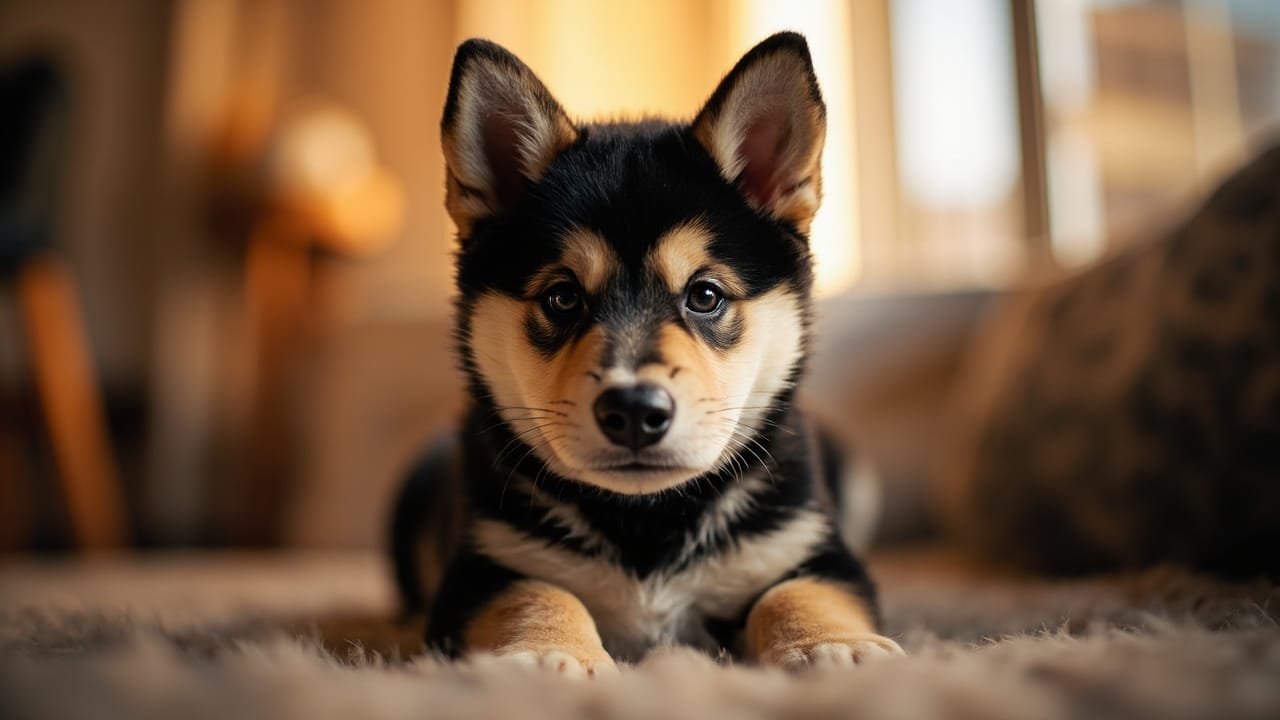 Có Nên Nuôi Shiba Inu Khi Không Có Sân Rộng? Hướng Dẫn Thành Thật Cho Căn Hộ
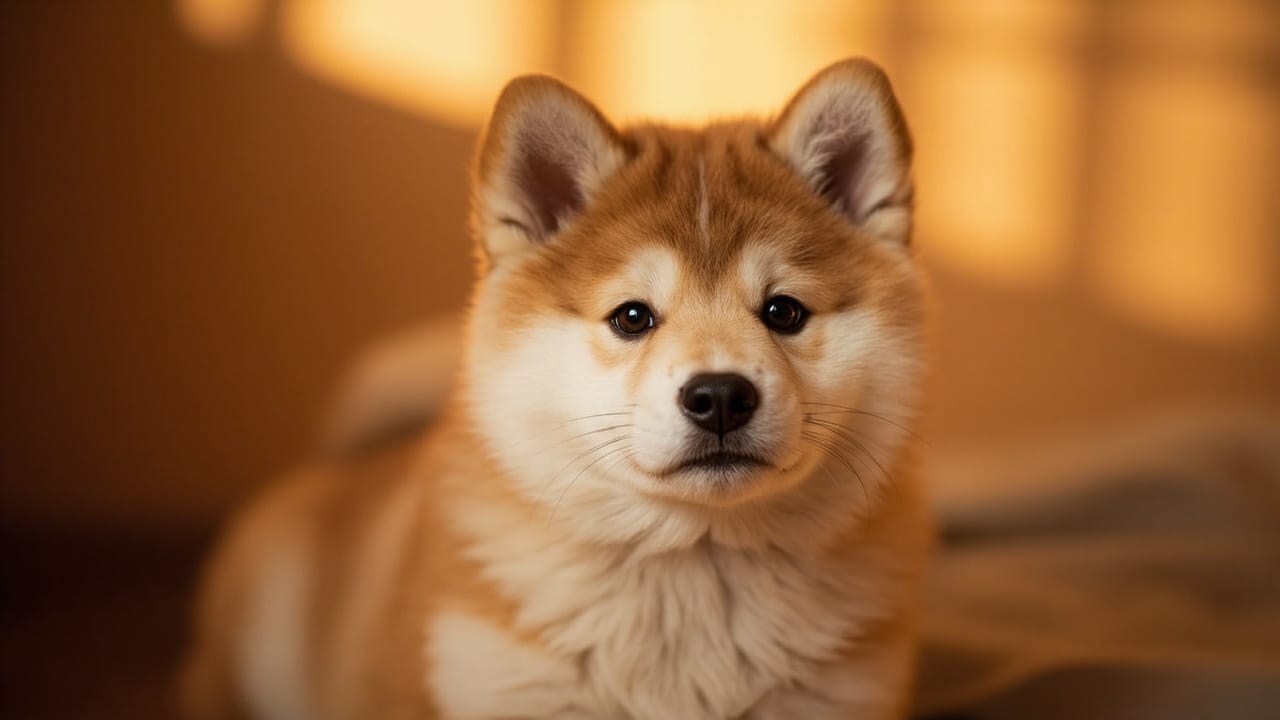 Shiba Inu có phải là giống chó phù hợp với người cao tuổi và người đã nghỉ hưu?
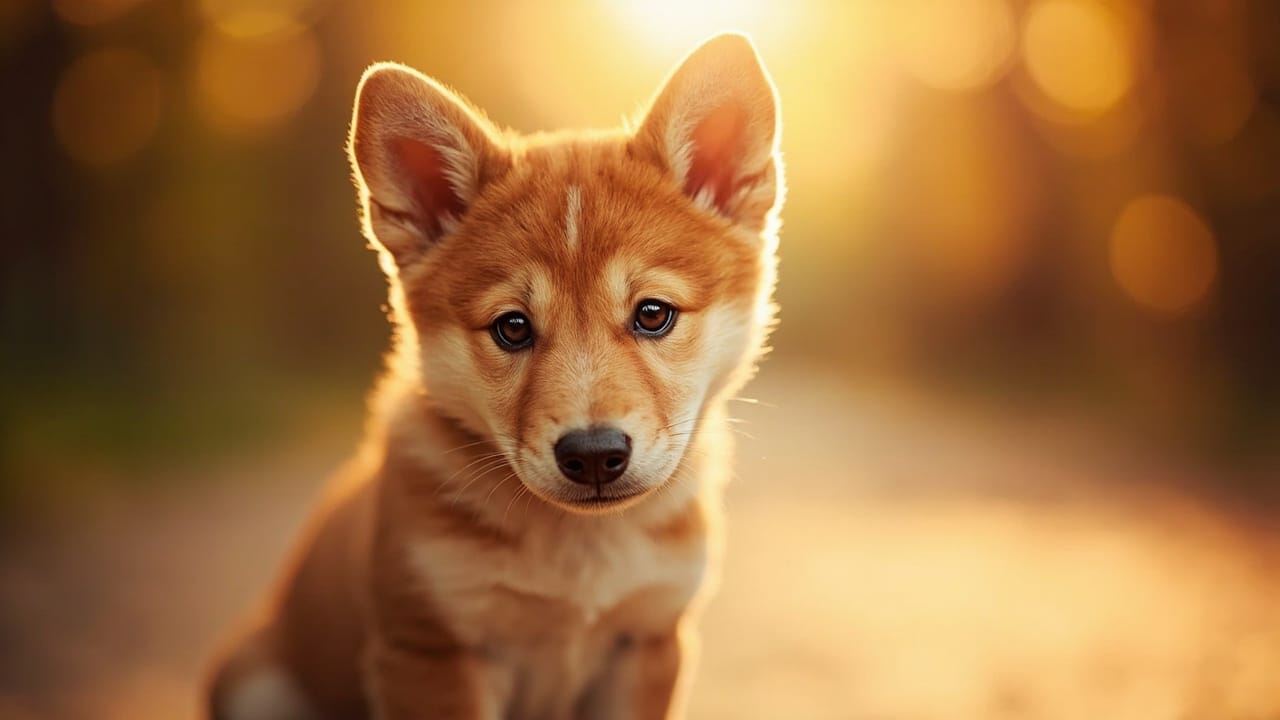 Có nên nhận nuôi thêm một chú Shiba Inu thứ hai không? Hướng dẫn đầy đủ cho người nuôi
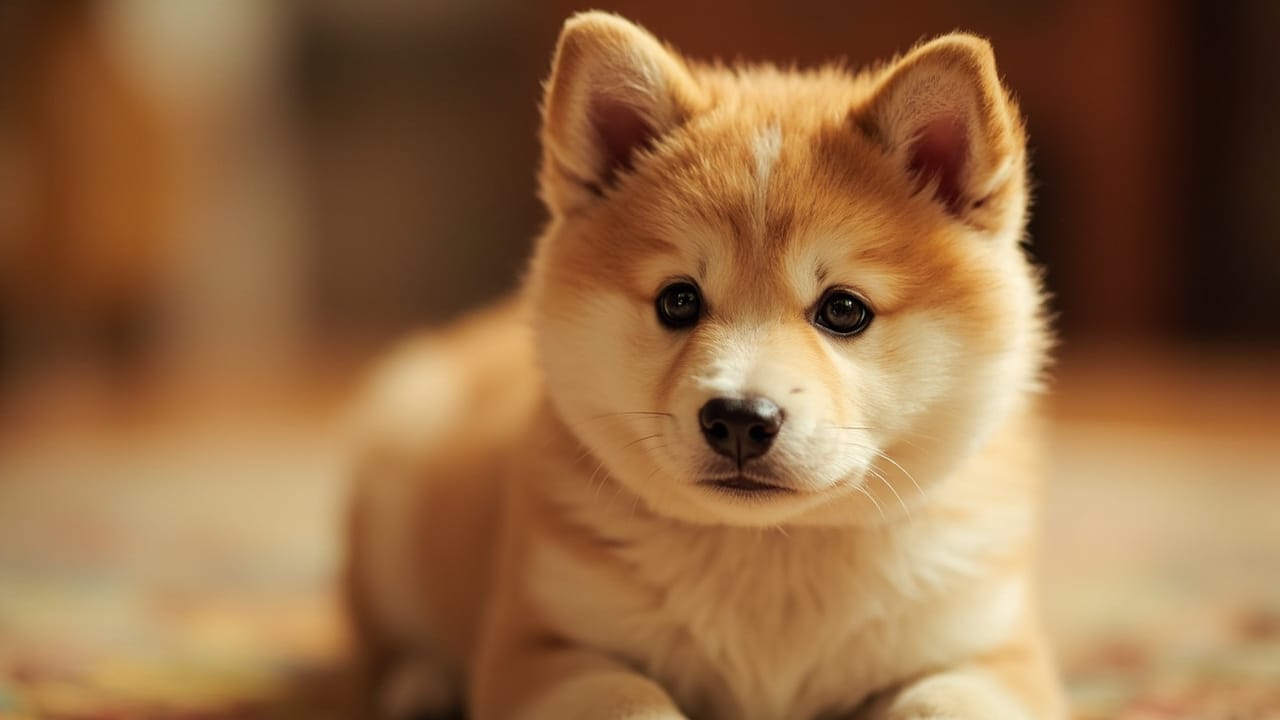 Có nên nuôi Shiba Inu khi nhà có trẻ nhỏ không? Hướng dẫn thành thật