Thức ăn tốt nhất cho chó Shiba Inu: Hướng dẫn cho ăn toàn diện
Thức ăn tốt nhất cho chó Shiba Inu là hạt khô hoặc thức ăn sống giàu đạm, chất béo vừa phải, với thành phần đầu tiên là các nguồn đạm động vật được ghi rõ tên (gà, cá hồi, cừu), hạn chế chất độn và bổ sung omega-3 để giúp bộ lông khỏe mạnh. Hầu hết Shiba trưởng thành phát triển tốt với 1–1,5 cốc hạt khô chất lượng mỗi ngày, chia thành hai bữa, tổng cộng khoảng 400–560 calo tùy theo cân nặng và mức độ vận động.
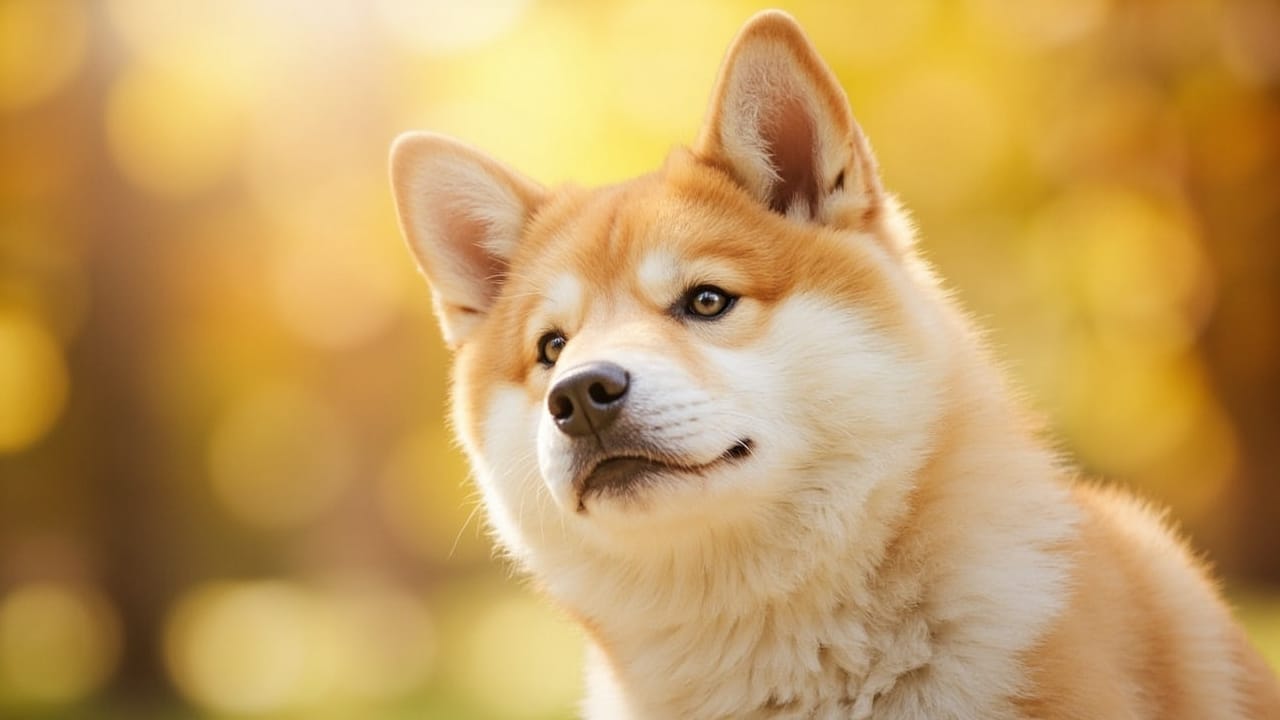
Chọn đúng loại thức ăn là một trong những quyết định quan trọng nhất mà bạn sẽ đưa ra cho chó Shiba Inu của mình. Một chú Shiba được cho ăn đúng cách sẽ duy trì được cân nặng khỏe mạnh (khoảng 8–10 kg), bộ lông kép sáng bóng và nguồn năng lượng ổn định mà không bị ngứa da hay tiêu chảy – những vấn đề thường gặp ở giống chó này. Tóm tắt ngắn gọn: hãy cho ăn công thức giàu đạm, chất béo vừa phải, với thành phần thịt được ghi rõ tên đứng đầu bảng thành phần, có bổ sung axit béo omega-3, và tránh các loại hạt khô chứa nhiều ngũ cốc và chất độn.
Shiba Inu cần hàm lượng dinh dưỡng như thế nào?
Shiba là giống chó spitz cổ xưa, nhanh nhẹn và gọn gàng, được hình thành qua chế độ ăn tạp đa dạng ở vùng núi Nhật Bản. Các nghiên cứu dinh dưỡng hiện đại cũng phù hợp với nguồn gốc đó:
- Đạm: 25–35% từ các nguồn động vật được ghi rõ tên (gà, gà tây, cá hồi, cừu, bò)
- Chất béo: 12–18% để cung cấp năng lượng và giúp bộ lông khỏe mạnh
- Omega-3 (EPA/DHA): tối thiểu 0,1% từ dầu cá hoặc tảo, rất quan trọng cho da và lông
- Carbohydrate hạn chế: khoai lang, đậu Hà Lan hoặc gạo là những thành phần phụ
- Không chất độn thừa: ngô, lúa mì, đậu nành hoặc bột phụ phẩm động vật ở đầu bảng thành phần
Shiba cũng nổi tiếng là giống dễ mắc viêm da cơ địa và nhạy cảm với thức ăn, trong đó gà và bò là những tác nhân phổ biến. Nhiều chủ nuôi thấy bộ lông và da cải thiện rõ rệt khi chuyển sang công thức ít thành phần hoặc dựa trên cá.
Hạt khô, thức ăn sống hay thức ăn tươi – Loại nào tốt nhất?
Không có một dạng thức ăn nào là "tốt nhất" tuyệt đối, nhưng mỗi loại đều có điểm mạnh và hạn chế:
- Hạt khô cao cấp (ví dụ: Orijen, Acana, Zignature, Open Farm) tiện lợi, đầy đủ và cân bằng dinh dưỡng. Hãy chọn công thức có hai thành phần đầu tiên là thịt tươi hoặc thịt sấy khô.
- Thức ăn sống (BARF hoặc mô hình con mồi) bắt chước chế độ ăn tổ tiên, thường cho bộ lông đẹp và phân nhỏ hơn. Tuy nhiên cần xử lý cẩn thận và bổ sung khoáng chất để tránh mất cân bằng canxi/photpho.
- Thức ăn tươi nấu chín (The Farmer's Dog, Nom Nom, Spot & Tango) cung cấp dinh dưỡng từ thực phẩm nguyên chất với khẩu phần được cá nhân hóa, rất phù hợp với những chú Shiba kén ăn, nhưng chi phí cao hơn.
Cách tiếp cận kết hợp – dùng hạt khô chất lượng làm nền, kèm thêm topping từ thức ăn sống hoặc tươi – cũng phù hợp với nhiều chủ nuôi.
Nên cho Shiba Inu ăn bao nhiêu?
Nhu cầu calo thay đổi theo cân nặng, tuổi và mức độ vận động, nhưng một điểm khởi đầu hợp lý là:
| Cân nặng | Calo mỗi ngày | Hạt khô (cốc/ngày) |
|---|---|---|
| 7 kg (15 lb) | 350–420 | ~1 cốc |
| 9 kg (20 lb) | 420–500 | ~1,25 cốc |
| 11 kg (24 lb) | 500–600 | ~1,5 cốc |
Chia khẩu phần hằng ngày thành hai bữa để giảm nguy cơ chướng bụng và ổn định đường huyết. Luôn điều chỉnh dựa trên điểm thể trạng – bạn nên sờ thấy xương sườn nhưng không nhìn thấy rõ.
Các vấn đề sức khỏe phổ biến liên quan đến chế độ ăn
Chế độ ăn là yếu tố bạn có thể kiểm soát để phòng ngừa các bệnh đặc trưng của giống:
- Viêm da cơ địa & dị ứng: Các loại đạm mới (nai, vịt, cá) và thức ăn không ngũ cốc hoặc ít thành phần thường có tác dụng tích cực.
- Loạn sản xương hông (≈7,6% số Shiba được OFA kiểm tra): Giữ cho Shiba luôn gọn gàng; thừa cân sẽ làm tăng áp lực lên khớp.
- Suy giáp: Tránh cho ăn quá nhiều đậu nành, vì có thể ảnh hưởng đến chức năng tuyến giáp.
- Bệnh răng miệng: Chỉ hạt khô không thể làm sạch răng – hãy bổ sung đồ nhai chăm sóc răng, xương sống hoặc đánh răng hằng ngày.
Mẹo thực tế cho người nuôi Shiba
- Chuyển đổi từ từ trong 7–10 ngày để tránh rối loạn tiêu hóa.
- Cẩn thận "Shiba 500" sau bữa ăn: những cú chạy nhảy mạnh ngay sau khi ăn có thể góp phần gây chướng bụng ở những giống chó ngực sâu; hãy cho chó nghỉ ngơi trước và sau bữa ăn.
- Tránh để thức ăn thường trực: Shiba nổi tiếng là kén ăn hoặc dễ tăng cân khi thức ăn luôn sẵn.
- Tính calo từ đồ ăn vặt: giữ phần thưởng dưới 10% tổng calo hằng ngày.
- Xoay vòng nguồn đạm vài tháng một lần nếu Shiba dung nạp tốt – điều này giúp giảm nguy cơ nhạy cảm và tăng sự đa dạng dinh dưỡng.
Shiba Inu là một trong những giống chó sống thọ nhất (13–16 năm), và dinh dưỡng chất lượng cao là yếu tố quan trọng nhất mà bạn có thể tác động để tối đa hóa những năm tháng khỏe mạnh đó.
FAQ
Thức ăn không chứa ngũ cốc có tốt hơn cho Shiba Inu không?
Không nhất thiết. Thức ăn không ngũ cốc chỉ thực sự hữu ích nếu Shiba của bạn được xác nhận là nhạy cảm với ngũ cốc. FDA cũng đã điều tra mối liên hệ tiềm ẩn giữa chế độ ăn không ngũ cốc, nhiều đậu và bệnh cơ tim giãn (DCM). Chỉ chọn loại không ngũ cốc khi có chỉ định y khoa; nếu không, công thức chất lượng có chứa ngũ cốc vẫn hoàn toàn phù hợp.
Nên tránh những thành phần nào trong thức ăn cho Shiba Inu?
Tránh phụ phẩm thịt không ghi rõ tên, ngô và lúa mì là thành phần chính, chất bảo quản nhân tạo (BHA, BHT, ethoxyquin), đường quá nhiều và các chất độn dư thừa. Shiba cũng phản ứng mạnh hơn với gà, bò và đậu nành, vì vậy hãy theo dõi tình trạng ngứa hoặc viêm tai sau bữa ăn.
Nên cho Shiba Inu ăn mấy bữa một ngày?
Shiba trưởng thành phù hợp nhất với hai bữa mỗi ngày (sáng và tối). Chó con dưới 6 tháng tuổi cần ăn từ ba đến bốn bữa mỗi ngày. Tránh để thức ăn thường trực, vì Shiba rất dễ tăng cân hoặc trở nên kén ăn.
Shiba Inu có ăn thức ăn sống được không?
Có, hầu hết Shiba phát triển rất tốt với chế độ ăn sống được cân bằng. Hãy sử dụng các loại premix hoàn chỉnh (như của Darwin's, Smallbatch hoặc Answers) để đảm bảo tỷ lệ canxi, photpho và vi chất dinh dưỡng chính xác. Luôn xử lý thịt sống an toàn và tham khảo ý kiến bác sĩ thú y trước khi chuyển đổi.