Bản Năng Săn Mồi Của Shiba Inu Mạnh Đến Mức Nào? Hướng Dẫn Toàn Tập
Bản năng săn mồi của Shiba Inu rất mạnh — thuộc hàng cao nhất trong nhóm spitz cảnh khuyển. Được lai tạo để xua đuổi thú nhỏ và chim trong vùng núi Nhật Bản, Shiba hiện đại vẫn giữ bản năng mạnh mẽ để rượt, rình, và đôi khi giết sóc, thỏ, mèo, chim và các loài gặm nhấm. Độ tin cậy khi thả rông dây dắt thường kém ở hầu hết cá thể, và hàng rào chắc chắn là điều bắt buộc.
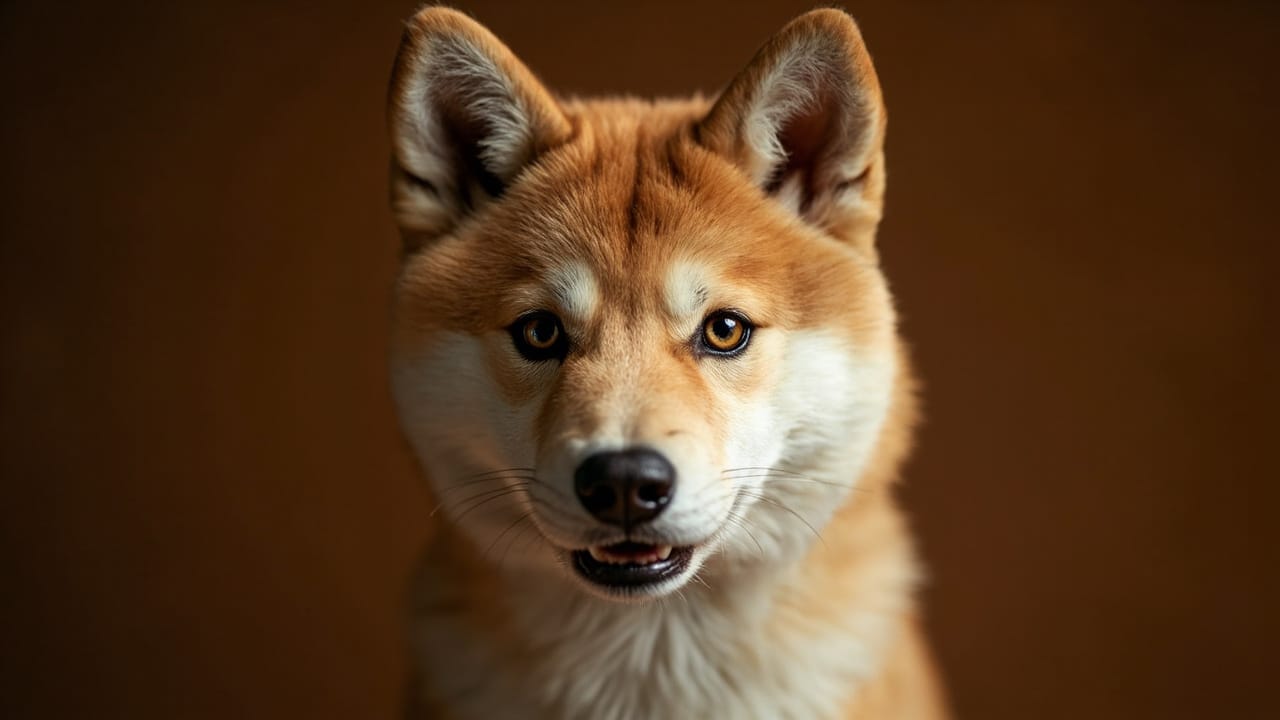
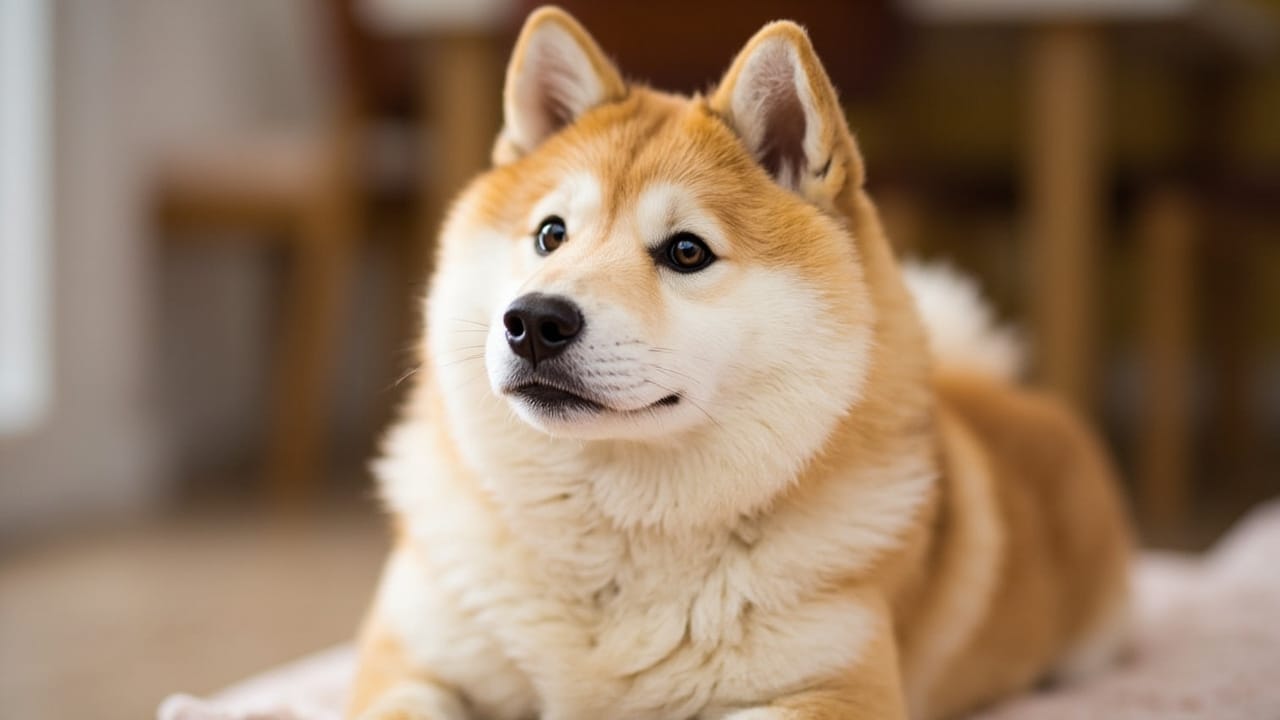
Bản năng săn mồi của Shiba Inu rất mạnh, và người nuôi cần lên kế hoạch quản lý ngay từ ngày đầu tiên. Được lai tạo qua nhiều thế kỷ để săn thú nhỏ trong vùng núi phủ bụi cây của Nhật Bản, Shiba hiện đại vẫn giữ một bản năng ăn sâu để phát hiện, rình, rượt đuổi và đôi khi bắt được các loài động vật nhỏ. Được xếp ngang hàng cùng các giống như Basenji và Finnish Spitz, Shiba nằm chắc chắn trong nhóm chó cảnh có bản năng săn mồi cao. Đây không phải là vấn đề hành vi cần huấn luyện loại bỏ — đó là đặc tính nền tảng của giống loài cần được quản lý.
Nguồn Gốc Của Bản Năng Săn Mồi
Tên gọi "Shiba" thường được dịch là "chó bụi cây," ám chỉ loại địa hình miền núi nơi những con chó này làm việc. Công việc truyền thống của chúng không phải chăn gia súc hay canh gác mà là xua đuổi chim và các loài thú nhỏ như thỏ, thỏ rừng và các loài gặm nhấm cho thợ săn. Ba dòng máu lịch sử — Shinshu, Mino và San'in — được tinh chỉnh cho mục đích này, và tiêu chuẩn NIPPO chính thức hóa vào năm 1934 đã bảo tồn những bản năng săn bắt đó cùng với các mảng lông urajiro kem-trắng giờ đã trở thành biểu tượng.
Sau giai đoạn gần tuyệt chủng trong Thế chiến thứ hai và việc được công nhận là Di sản Thiên nhiên Nhật Bản vào năm 1936, Shiba chuyển dần thành thú cưng. Tuy nhiên, bản năng săn mồi không bao giờ bị loại bỏ. Một nghiên cứu năm 2024 về hành vi đặc trưng theo giống đã xếp Shiba Inu vào nhóm cao nhất về hành vi rượt đuổi và sự quan tâm đến động vật nhỏ, ngang hàng với các giống chó săn thị giác và chó sục.
Bản Năng Săn Mồi Mạnh Thể Hiện Thế Nào Trong Đời Sống Hằng Ngày
Bạn sẽ nhận biết bản năng săn mồi qua một chuỗi hành vi:
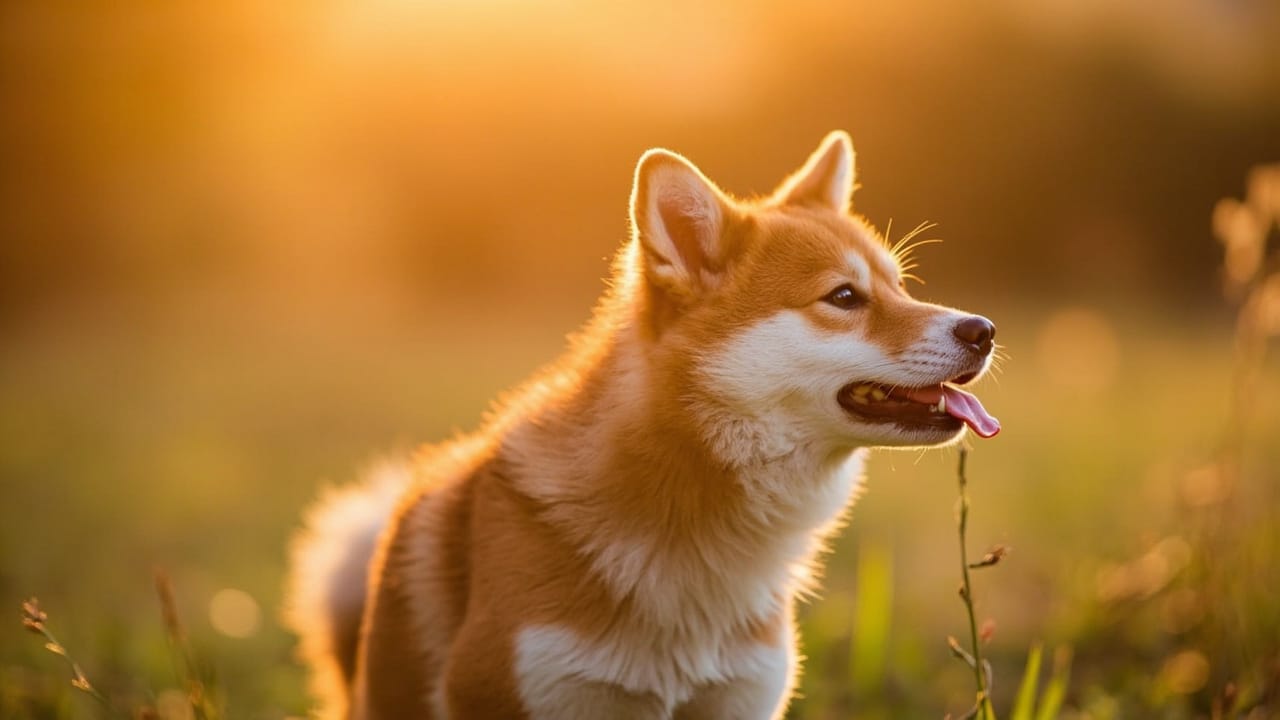
- Định hướng — tai dựng về phía trước, cơ thể đứng yên, mắt nhìn chằm chằm vào con sóc hoặc con chim
- Rình mồi — di chuyển thấp, len lỏi tiến về phía mục tiêu
- Rượt đuổi — tăng tốc bùng nổ, thường được gọi là "Shiba 500" khi xảy ra mà không có mục tiêu rõ ràng
- Bắt và giết — ở một số cá thể, chuỗi hành vi kết thúc tại đây
Các tác nhân kích thích phổ biến bao gồm sóc, thỏ, sóc chuột, chuột nhắt, chuột cống, chim (kể cả chim tại máng ăn), thằn lằn, ếch, và đáng tiếc là cả mèo. Nhiều chú Shiba không thể sống hòa thuận với mèo, đặc biệt là mèo ngoài trời, dù một số con được nuôi cùng mèo trong nhà từ nhỏ có thể học cách chung sống. Các thú cưng nhỏ như chuột hamster, chuột lang, bò sát và thỏ thường không an toàn quanh một chú Shiba nếu không có người giám sát.
Quản Lý Thực Tế
Vì bản năng săn mồi vừa mang tính di truyền vừa được củng cố qua thực hành, việc quản lý quan trọng hơn là xóa bỏ.
Hàng rào chắc chắn. Shiba nổi tiếng là "nghệ sĩ trốn chuồng," và bản năng săn mồi là một trong những nguyên nhân chính. Hàng rào cao 6 feet, không có khe hở, không có góc leo được và không có lối đào xuyên qua là mức tối thiểu. Hàng rào điện tử vô hình không hiệu quả với giống chó này — sự cám dỗ khi rượt mồi xuyên qua ranh giới thường mạnh hơn cả sự điều chỉnh của hệ thống.
Kỷ luật dây dắt. Độ tin cậy khi thả rông ở khu vực không có rào chắn thường kém với hầu hết chú Shiba. Ngay cả cá thể được huấn luyện kỹ cũng có thể phá vỡ lệnh gọi lại khi một con thỏ xuất hiện. Hãy dùng dây dắt tiêu chuẩn 6 feet hoặc dây dài (15–30 feet) ở không gian mở.
Hoạt động thay thế về tinh thần. Các bài tập về mũi, flirt pole, lure coursing, barn hunt và các trò chơi rượt đuổi có kiểm soát mang lại cho chuỗi săn mồi một kênh giải phóng hợp lệ. Một chú Shida được rượt flirt pole hai lần một tuần sẽ dễ sống chung hơn rất nhiều so với một chú không có cơ hội này.
Huấn luyện. Lệnh "để yên" mạnh và lệnh gọi lại đáng tin cậy là điều không thể thỏa hiệp. Bắt đầu trong môi trường ít phân tán và khen thưởng thật nhiều. Hãy hiểu rằng ngay cả lệnh gọi lại hoàn hảo cũng có thể thất bại trước con mồi thật — hãy lên kế hoạch phù hợp.
Bản Năng Săn Mồi vs. Sự Hung Hăng
Bản năng săn mồi không phải sự hung hăng với con người. Shiba hiếm khi chuyển hướng hành vi rượt đuổi sang người. Mối nguy là với các động vật khác, đặc biệt là loài nhỏ. Sự phân biệt này quan trọng đối với hộ gia đình có trẻ nhỏ, chó khác hoặc mèo — bản năng săn mồi hiếm khi là vấn đề với những đối tượng đó, nhưng lại là mối lo ngại nghiêm trọng cho chú thỏ cưng trong nhà.
Khi Nào Nó Trở Thành Vấn Đề
Hãy tham khảo huấn luyện viên củng cố tích cực hoặc bác sĩ thú y chuyên hành vi nếu chú Shiba của bạn:
- Tập trung ám ảnh vào động vật nhỏ đến mức phớt lờ thức ăn hoặc hiệu lệnh
- Giết động vật hoang dã hoặc thú cưng nhỏ nhiều lần
- Trở nên phản ứng mạnh trên dây dắt khi thấy con mồi
- Thể hiện các hành vi liên quan đến sự bực bội khi bị ngăn rượt đuổi
Hầu hết chú Shiba chỉ đơn giản là được quản lý, không phải được "sửa." Lên kế hoạch môi trường, huấn luyện lệnh gọi lại và tạo kênh giải phóng, thì bản năng săn mồi cao là đặc điểm hoàn toàn có thể chung sống, đồng thời tạo nên sự nhạy bén, cảnh giác và sức hấp dẫn mãnh liệt của giống chó này.
Tóm Lại
Shiba Inu có một trong những bản năng săn mồi mạnh nhất trong số các giống chó cảnh không thuộc nhóm chó săn thị giác. Đây là đặc tính di sản, không phải khuyết điểm, và nó chi phối gần như mọi khía cạnh trong cách nuôi nhốt, dắt đi và huấn luyện giống chó này. Người nuôi tôn trọng đặc tính này sẽ thành công với giống chó; người đánh giá thấp thường mất chó vì tai nạn giao thông hoặc xung đột với động vật hoang dã.
FAQ
Shiba Inu có thể sống chung với mèo không?
Đôi khi. Những chú Shiba được nuôi cùng mèo trong nhà từ nhỏ thường chung sống hòa bình, nhưng nhiều con vẫn sẽ rượt mèo ngoài trời hoặc mèo lạ. Việc giới thiệu cần diễn ra chậm rãi, có giám sát, và Shiba không bao giờ được để một mình với mèo cho đến khi sự tin tưởng được thiết lập rõ ràng.
Shiba Inu có ngoan khi thả rông dây dắt không?
Không. Bản năng săn mồi đủ mạnh để ngay cả những chú Shiba được huấn luyện tốt cũng thường xuyên phớt lờ lệnh gọi lại khi sóc, thỏ hoặc chim xuất hiện. Hầu hết chuyên gia giống khuyến cáo không nên thả rông dây dắt ở khu vực không có rào chắn.
Shiba Inu có giết động vật nhỏ không?
Có. Nhiều chú Shiba sẽ bắt và giết các loài gặm nhấm, chim, thỏ và thằn lằn nếu có cơ hội. Các thú cưng nhỏ như chuột hamster, chuột lang và bò sát không bao giờ được để một mình với Shiba mà không có giám sát.
Có thể huấn luyện loại bỏ bản năng săn mồi của Shiba không?
Không. Bản năng săn mồi là bản năng di truyền, đặc trưng của giống. Bạn có thể xây dựng lệnh gọi lại đáng tin cậy và lệnh "để yên," đồng thời quản lý môi trường bằng hàng rào chắc chắn và dây dắt, nhưng không thể loại bỏ bản năng cốt lõi.