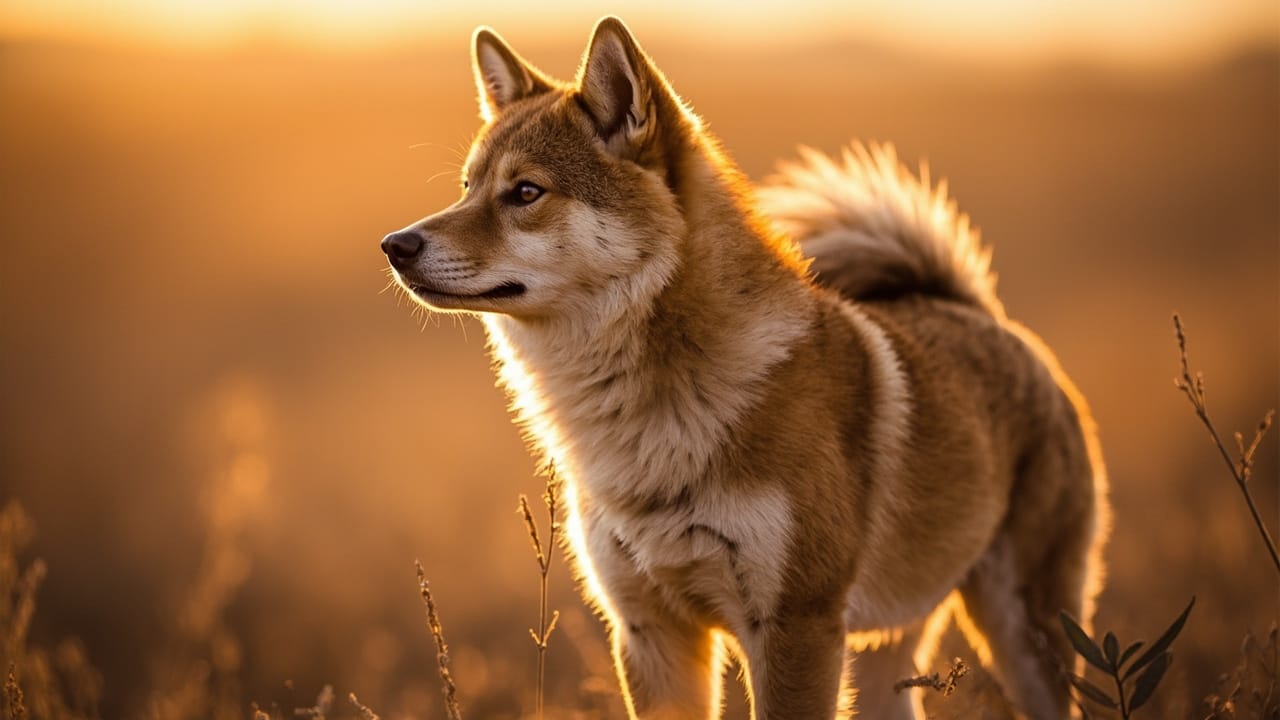
Shiba Inu vs Siberian Husky: Những khác biệt chính, tính khí, kích thước & cách chăm sóc
Shiba Inu là giống chó spitz nhỏ, độc lập của Nhật Bản (8–10 kg) với vẻ ngoài giống cáo và tính cách dè dặt, giống mèo, trong khi Siberian Husky là giống chó kéo xe cỡ trung bình đến lớn (16–27 kg) được lai tạo để chạy đường dài và sống bầy đàn. Shiba yên tĩnh hơn, sạch sẽ hơn và khá lạnh lùng với người lạ, trong khi Husky thì ồn ào, thích giao tiếp và đòi hỏi nhiều vận động cũng như sự đồng hành hơn.

Việc chọn giữa một chú Shiba Inu và một chú Siberian Husky phụ thuộc vào sự phù hợp với lối sống, chứ không chỉ dựa vào ngoại hình. Cả hai đều là giống chó dạng spitz với tai dựng, lớp lông kép và vẻ hoang dã, đầy sức hút, nhưng chúng được tạo ra cho những công việc rất khác nhau. Shiba là giống chó bản địa nhỏ nhất của Nhật Bản, ban đầu là chó săn đuổi trong các bụi cây ở vùng núi (từ shiba mang nghĩa tương đương "bụi cây nhỏ"), sau được hoàn thiện thành một người bạn đồng hành nhỏ gọn nặng khoảng 8–10 kg. Siberian Husky là giống chó kéo xe cỡ trung bình đến lớn được phát triển bởi người Chukchi ở Siberia để kéo những tải nhẹ trên quãng đường dài, thường nặng 16–27 kg và cao 50–60 cm ở vai.
Trong cuộc sống hằng ngày, khoảng cách còn rộng hơn những gì bảng kích thước gợi ý. Shiba hành xử gần như giống mèo: chúng tự vệ sinh, tự chọn lúc nào âu yếm và chịu đựng sự cô đơn tương đối tốt. Husky lại là loài sống theo bầy đàn đến tận xương tủy — chúng hú, chúng "trò chuyện", chúng cần có bạn đồng hành (của bạn hoặc chó khác), và chúng rất khổ sở khi bị cô lập.
Kích thước, thể hình & ngoại hình
- Shiba Inu: Đực cao 35–43 cm, nặng ~10 kg; cái cao 33–41 cm, nặng ~8 kg. Thể hình nhỏ gọn, cơ bắp, nhanh nhẹn như mèo.
- Siberian Husky: Đực cao 53–60 cm, nặng 20–27 kg; cái cao 51–56 cm, nặng 16–23 kg. Thon gọn, dẻo dai, được tạo hình cho sức bền.
- Màu lông: Shiba có các màu đỏ, đen và vàng, vừng và kem (màu kem là lỗi trong thi). Husky có phạm vi màu rộng hơn, bao gồm đen trắng, xám trắng, đỏ trắng, agouti và trắng tuyền.
- Đặc điểm vệt lông đặc trưng: Shiba phải có urajiro — vùng lông trắng kem ở má, ngực, bụng và mặt trong chân. Husky có mặt nạ trên mặt và thường có đôi mắt xanh, hai màu hoặc nhiều màu đầy ấn tượng.
Tính khí & cá tính
- Shiba Inu: Độc lập, cảnh giác, dè dặt với người lạ, thường có xu hướng thống trị các chú chó khác. Trung thành với gia đình nhưng không bám dính. Hình mẫu kinh điển của "cáo có cá tính mạnh".
- Siberian Husky: Thân thiện, hòa đồng, hầu như không bao giờ hung dữ với con người. Hòa thuận với chó khác (không phù hợp làm chó bảo vệ), rất thích phát ra âm thanh — nổi tiếng với những tiếng hú, những tiếng "woo-woo" và thỉnh thoảng là những cuộc "tám chuyện" đầy kịch tính.
- Khả năng huấn luyện: Cả hai đều thông minh nhưng bướng bỉnh. Shiba là những "kẻ thao túng" — chúng học nhanh và vâng lời khi thấy có lợi; Husky là những người lao động bầy đàn thông minh nhưng dễ chán và coi việc huấn luyện như một cuộc thương lượng.
- Bản năng săn mồi: Mạnh ở cả hai. Không giống nào an toàn khi thả rông gần động vật nhỏ nếu không có huấn luyện nghiêm túc và hàng rào chắc chắn.
- Đặc điểm "bệnh" nổi tiếng: Shiba phát ra tiếng "hét Shiba" (Shiba scream) đáng sợ khi bị căng thẳng hoặc khi đang chải lông, và "Shiba 500" (những cơn chạy như điên bất chợt). Husky thì nổi danh là "nghệ sĩ trốn thoát" — chúng leo rào và đào hầm.
Nhu cầu vận động & điều kiện sống
- Shiba Inu: 30–60 phút vận động nhanh mỗi ngày. Thích nghi tốt với cuộc sống căn hộ nếu được kích thích tinh thần. Một sân có rào chắc chắn rất được khuyến nghị — chúng sẽ thử phá giới hạn.
- Siberian Husky: 90–120+ phút vận động mạnh mỗi ngày. Phát triển tốt trong các hộ gia đình năng động có người chạy bộ, leo núi hoặc chạy bộ buổi sáng. Sống trong căn hộ chỉ khả thi nếu bạn cam kết thực hiện nghiêm túc chế độ vận động.
- Khả năng chịu khí hậu: Cả hai đều có lớp lông kép dày. Shiba chịu lạnh tốt nhưng dễ bị quá nóng vào mùa hè; Husky được tạo ra cho nhiệt độ dưới 0 độ và có thể gặp khó khăn ở khí hậu nóng ẩm.
- Thời gian ở nhà một mình: Shiba chịu được 6–8 tiếng một mình. Husky lý tưởng nhất là không nên ở một mình quá 4–6 tiếng; nhiều cá thể phát triển chứng lo lắng chia ly và các thói quen phá hoại.
Chăm sóc lông & rụng lông
Không giống nào là giống không gây dị ứng. Cả hai đều "thay lông" theo mùa — thường hai lần một năm — và rụng lông quanh năm.
- Shiba Inu: Bộ lông ngắn, cứng, ít cần chăm sóc. Chải lông mỗi tuần, hằng ngày trong giai đoạn thay lông.
- Siberian Husky: Bộ lông dài vừa, có khả năng tự làm sạch và chống bám bẩn. Chải 2–3 lần mỗi tuần, hằng ngày trong giai đoạn thay lông. Cả hai giống đều cần tắm rất ít.
Sức khỏe & tuổi thọ
- Tuổi thọ Shiba Inu: 13–16 năm, nằm trong nhóm lâu nhất trong các giống chó.
- Tuổi thọ Siberian Husky: 12–14 năm, cũng ấn tượng đối với giống chó lớn hơn.
- Danh sách bệnh cần theo dõi ở Shiba: trật khớp xương bánh chè, loạn sản hông (~7.6% tỷ lệ OFA), viêm da cơ địa, tăng nhãn áp góc đóng nguyên phát, đục thủy tinh thể, thoái hóa võng mạc tiến triển (PRA), suy giáp. Bộ xét nghiệm CHIC khuyến nghị bao gồm OFA hông, xương bánh chè và khám mắt CERF/CAER.
- Danh sách bệnh cần theo dõi ở Husky: loạn sản hông, các vấn đề về mắt (đục thủy tinh thể, loạn dưỡng giác mạc, PRA), suy giáp, và viêm da đáp ứng kẽm.
Chi phí & mua bán
Hãy chuẩn bị chi khoảng 1.400–2.500 USD cho một chú Shiba Inu thuần chủng từ nhà nhân giống uy tín, và 2.000–3.500 USD cho Husky dòng thi hoặc dòng làm việc. Nhận nuôi từ trại cứu hộ dao động 300–600 USD cho cả hai giống. Luôn xác minh việc kiểm tra sức khỏe và tránh các cơ sở sản xuất chó con ồ ạt — cả hai giống đều là "mục tiêu" phổ biến của việc nhân giống thương mại kém phúc lợi.
Giống nào phù hợp với bạn?
Hãy chọn Shiba Inu nếu bạn muốn một người bạn đồng hành nhỏ gọn, yên tĩnh, dễ chăm sóc, có bản tính độc lập mạnh mẽ, và bạn có thể kiên nhẫn, huấn luyện nhất quán. Hãy chọn Siberian Husky nếu bạn sống một lối sống năng động, có nhiều thời gian và không gian, đồng thời muốn một người bạn đồng hành hòa đồng, thích "nói chuyện" và tràn đầy năng lượng, người sẽ coi ngôi nhà của bạn như một đội xe kéo.
FAQ
Shiba Inu có liên quan đến Siberian Husky không?
Không, chúng không có quan hệ họ hàng gần. Cả hai đều là giống chó dạng spitz, nhưng Shiba Inu là giống chó săn của Nhật Bản (một trong sáu giống bản địa của Nhật Bản) trong khi Siberian Husky là giống chó kéo xe của Nga được phát triển bởi người Chukchi. Chúng chia sẻ tổ tiên sâu xa trong cây phả hệ spitz nhưng được phát triển độc lập ở các châu lục khác nhau.
Giống nào dễ huấn luyện hơn, Shiba hay Husky?
Thành thật mà nói, không giống nào dễ. Shiba thông minh nhưng vâng lời có chọn lọc và sẽ liên tục thử thách bạn. Husky là những người lao động bầy đàn thông minh nhưng dễ chán và coi việc huấn luyện như một cuộc thương lượng. Hầu hết những người nuôi có kinh nghiệm đánh giá Shiba dễ hơn một chút vì chúng nhỏ hơn và ít phá hoại hơn khi phớt lờ bạn.
Shiba Inu và Husky có rụng lông nhiều không?
Có — cả hai đều rụng lông rất nhiều và không giống nào không gây dị ứng. Cả hai đều "thay lông" nặng nề hai lần một năm. Husky tạo ra lượng lông tuyệt đối lớn hơn do kích thước, nhưng mỗi đợt thay lông của Shiba cũng ấn tượng không kém đối với một giống chó nhỏ. Hãy chuẩn bị tinh thần cho lông phủ khắp nơi quanh năm.
Shiba Inu và Husky có thể sống chung với nhau không?
Có thể, nếu được