Shiba Inu vs Pomeranian: Πλήρης Σύγκριση Φυλών
Τα Shiba Inu και Pomeranian είναι και τα δύο μικρά σκυλιά τύπου Spitz με αλεπουδίστικη εμφάνιση, αλλά είναι πολύ διαφορετικά σκυλιά στην ιδιοσυγκρασία. Τα Shiba είναι ανεξάρτητα, συγκρατημένα και αθλητικά (8-10 κιλά), ενώ τα Pomeranian είναι μικροσκοπικά (1,5-3 κιλά), εξωστρεφή και πρόθυμα να ευχαριστήσουν. Επιλέξτε ένα Shiba αν θέλετε έναν ήσυχο σύντροφο σαν γάτα· επιλέξτε ένα Pomeranian αν θέλετε έναν ζωηρό, εξωστρεφή σύντροφο σε μέγεθος αγκαλιάς.

Τόσο το Shiba Inu όσο και το Pomeranian είναι σκυλιά τύπου Spitz με ζωηρές, αλεπουδίστικες εκφράσεις, όρθια αυτιά και πυκνό διπλό τρίχωμα, αλλά δεν είναι καθόλου το ίδιο σκυλί. Το Shiba Inu είναι μια ιαπωνική κυνηγετική φυλή που ζυγίζει περίπου 8-10 κιλά (αρσενικά 35-43 εκ., θηλυκά 33-41 εκ.), εκτρεφόμενη για να ξετρυπώνει μικρά θηράματα σε ορεινό έδαφος. Το Pomeranian είναι μια φυλή παιχνιδιάρικης ράτσας από την οικογένεια των γερμανικών Spitz, που ζυγίζει μόνο 1,5-3 κιλά, εκτρεφόμενο από μεγαλύτερους προγόνους που έσερναν έλκηθρα σε σκύλο συντροφιάς. Αυτό το χάσμα σε μέγεθος, ιστορία και σκοπό καθοδηγεί σχεδόν κάθε διαφορά στο πώς οι δύο φυλές συμπεριφέρονται, εκπαιδεύονται και ταιριάζουν σε ένα σπίτι.
Μέγεθος, Σωματική Διάπλαση και Εμφάνιση
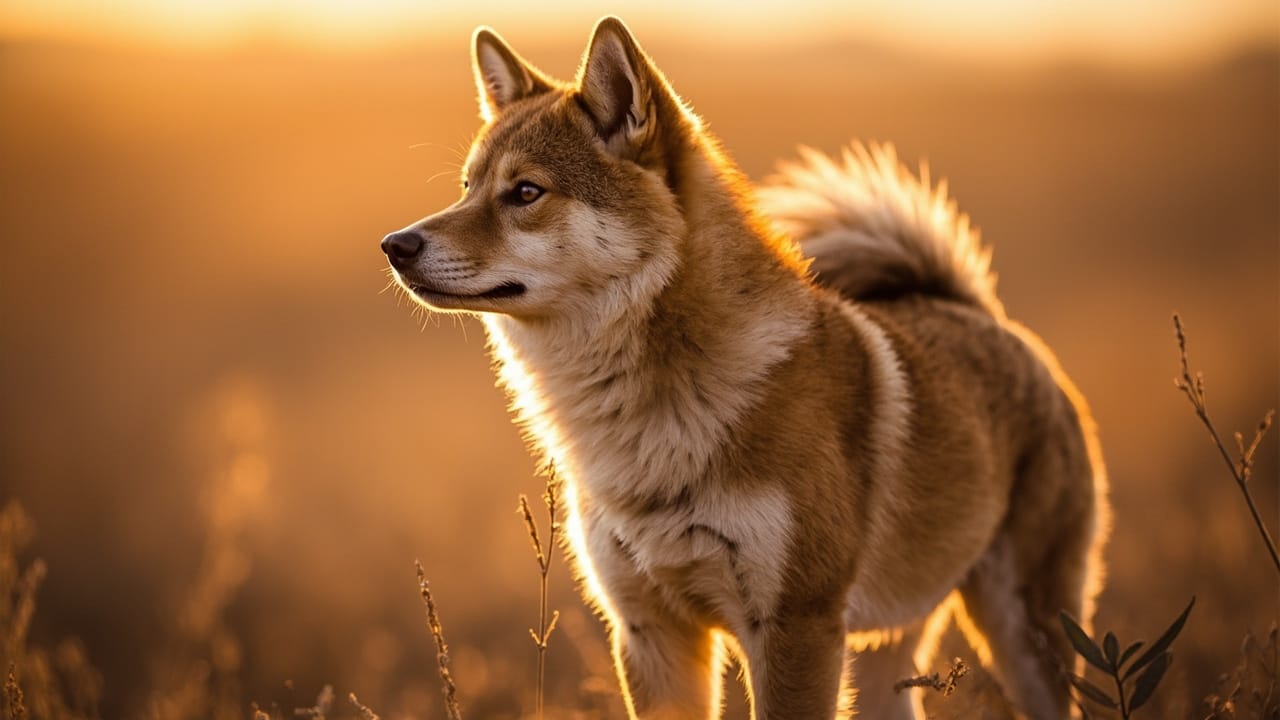
Το Shiba Inu είναι ένα συμπαγές, μυώδες σκυλί με ισορροπημένο, αθλητικό σκελετό και την αυτοπεποίθηση, σχεδόν προκλητική όψη για την οποία είναι διάσημη η φυλή. Τα χρώματα είναι κόκκινο, μαύρο και μαύρι, σουσάμι και κρεμ (το κρεμ θεωρείται σοβαρό ελάττωμα σε εκθέσεις), όλα με τα απαιτούμενα κρεμ-λευκά σημάδια urajiro στα μάγουλα, το στήθος και την κάτω πλευρά. Η ουρά είναι χοντρή και κουλουριασμένη πάνω από την πλάτη.
Ένα Pomeranian είναι δραματικά μικρότερο και δείχνει πιο εύθραυστο, με ένα χνουδωτό, σχεδόν σαν βελούδινη μπάλα διπλό τρίχωμα, αλεπουδίστικο πρόσωπο και μικρά όρθια αυτιά. Έρχονται σε πολύ ευρύτερη γκάμα χρωμάτων, όπως πορτοκαλί, κρεμ, μαύρο, μπλε, merle και parti-colors. Δεν έχουν το μοτίβο urajiro, και η ουρά τους ακουμπάει επίπεδα πάνω στην πλάτη αντί να κουλουριάζεται σε σφιχτό δρεπάνι.
Με λίγα λόγια: τα Shiba μοιάζουν με μινιατούρες σκυλιά εργασίας· τα Pomeranian μοιάζουν με κινούμενα βελούδινα παιχνίδια.
Ιδιοσυγκρασία: Συγκρατημένη vs Κοινωνική
Αυτή είναι η μοναδική μεγαλύτερη διαφορά μεταξύ των δύο φυλών.
- Shiba Inu: Ανεξάρτητο, απόμακρο και αυτάρκες. Συχνά περιγράφεται ως "σαν γάτα." Ισχυρό ένστικτο θηράματος, συνήθως συγκρατημένο με αγνώστους, και δεν είναι φυλή για χάδια. Πολλά Shiba προτιμούν να είναι κοντά σας παρά πάνω σας. Δένονται βαθιά με την οικογένειά τους, αλλά με τους δικούς τους όρους. Διάσημες ιδιοτροπίες είναι η "Shiba scream" (μια δυνατή, δραματική κραυγή διαμαρτυρίας) και το "Shiba 500" (ξαφνικά σπριντ ζουμιές).
- Pomeranian: Εξωστρεφές, παιχνιδιάρικο και προσανατολισμένο στους ανθρώπους. Θέλει να συμμετέχει σε ό,τι κι αν κάνετε, είναι τυπικά φιλικό με αγνώστους και συχνά το δείχνει φωναχτά. Τα Pom είναι κλασικά σκυλιά συντροφιάς: φιλικά προς την αγκαλιά, διψασμένα για προσοχή και συναισθηματικά συντονισμένα.
Αν θέλετε ένα σκυλί που κοιτάζει την δουλειά του, ένα Shiba ταιριάζει καλύτερα. Αν θέλετε μια μικρή σκιά, ένα Pomeranian ταιριάζει καλύτερα.
Εκπαιδευσιμότητα και Ευφυΐα
Και οι δύο φυλές είναι έξυπνες, αλλά χρησιμοποιούν αυτή την ευφυΐα πολύ διαφορετικά.
Τα Shiba είναι έξυπνα στην επίλυση προβλημάτων, αλλά εκτράφηκαν για να σκέφτονται μόνα τους στα βουνά, οπότε η υπακοή είναι προαιρετική στο μυαλό τους. Ανταποκρίνονται καλά στη θετική ενίσχυση, αλλά κλείνονται με τη βία, και πολλοί ιδιοκτήτες περιγράφουν την εμπειρία ως "εκπαίδευση γάτας." Η ανάκληση μπορεί να είναι πραγματική πρόκληση λόγω του ισχυρού ενστίκτου θηράματος.
Τα Pomeranian είναι επίσης έξυπνα και μαθαίνουν γρήγορα, αλλά παρακινούνται πολύ περισσότερο από τον έπαινο και το φαγητό. Μαθαίνουν κόλπα εύκολα, γι' αυτό θα τα δείτε σε παραστάσεις και εκπαίδευση κόλπων. Η εκπαίδευση τουαλέτας μπορεί να είναι λίγο πεισματική συνολικά στην ομάδα παιχνιδιάρικων φυλών, αλλά η συνέπεια αποδίδει.
Ανάγκες Άσκησης και Τρόπου Ζωής
Τα Shiba χρειάζονται πραγματική καθημερινή άσκηση: 45-60 λεπτά περπάτημα συν ελεύθερος χρόνος χωρίς λουρί σε ασφαλή χώρο. Είναι ταλαντούχοι στο να ξεφεύγουν και μπορούν να σκαρφαλώνουν ή να πηδούν εκπληκτικά καλά, οπότε ένας στιβαρός φράχτης μετράει. Χωρίς αρκετή δραστηριότητα, βαριούνται και γίνονται καταστροφικά.
Τα Pomeranian χρειάζονται πολύ λιγότερη άσκηση: σύντομοι περίπατοι και παιχνίδι σε εσωτερικό χώρο συνήθως αρκούν, αν και απολαμβάνουν περισσότερη όταν τους προσφέρεται. Ταιριάζουν πολύ καλύτερα σε διαμερίσματα και σε ιδιοκτήτες που δεν μπορούν να διαχειριστούν μεγάλους καθημερινούς περιπάτους.
Και οι δύο φυλές ρίχνουν το τρίχωμά τους βαριά περίπου δύο φορές τον χρόνο, αλλά το μακρύ, πυκνό τρίχωμα του Pomeranian μπερδεύεται πιο εύκολα και συνήθως χρειάζεται βούρτσισμα αρκετές φορές την εβδομάδα, ενώ το κοντύτερο, πιο χοντρό τρίχωμα του Shiba είναι πιο εύκολο στη συντήρηση μεταξύ των πτερώσεων.
Υγεία, Διάρκεια Ζωής και Κόστος
Τα Shiba Inu είναι από τις μακροβιότερες φυλές, φτάνοντας συνήθως τα 13-16 χρόνια. Τα προβλήματα υγείας που πρέπει να ελεγχθούν περιλαμβάνουν ατοπική δερματίτιδα, εξάρθρωση επιγονατίδας, δυσπλασία ισχίου (περίπου 7,6% σύμφωνα με δεδομένα OFA), πρωτοπαθές γλαύκωμα κλειστής γωνίας, καταρράκτη, PRA και υποθυρεοειδισμό. Οι εξετάσεις που συνιστά το CHIC καλύπτουν OFA ισχίων, επιγονατίδων και οφθαλμολογική εξέταση.
Τα Pomeranian ζουν συνήθως 12-16 χρόνια και είναι επιρρεπή σε εξάρθρωση επιγονατίδας, οδοντικές παθήσεις (πολύ συχνές σε παιχνιδιάρικες φυλές), κατάρρευση τραχείας, αλωπεκία X και καρδιακά προβλήματα. Το μικρό τους μέγεθος τα κάνει εύθραυστα κοντά σε μικρά παιδιά και μεγαλύτερα σκυλιά.
Από υπεύθυνο εκτροφέα, τα Shiba Inu στις ΗΠΑ κοστίζουν περίπου $1.400-$2.500, με σκυλιά εκθεσιακής ποιότητας έως $3.500-$5.000. Τα Pomeranian από υπεύθυνους εκτροφείς κοστίζουν περίπου $1.500-$3.500, με γραμμές εκθεσιακές και teacup ακόμα ακριβότερες. Η υιοθεσία από καταφύγιο κοστίζει συνήθως $300-$500 για οποιαδήποτε από τις δύο φυ