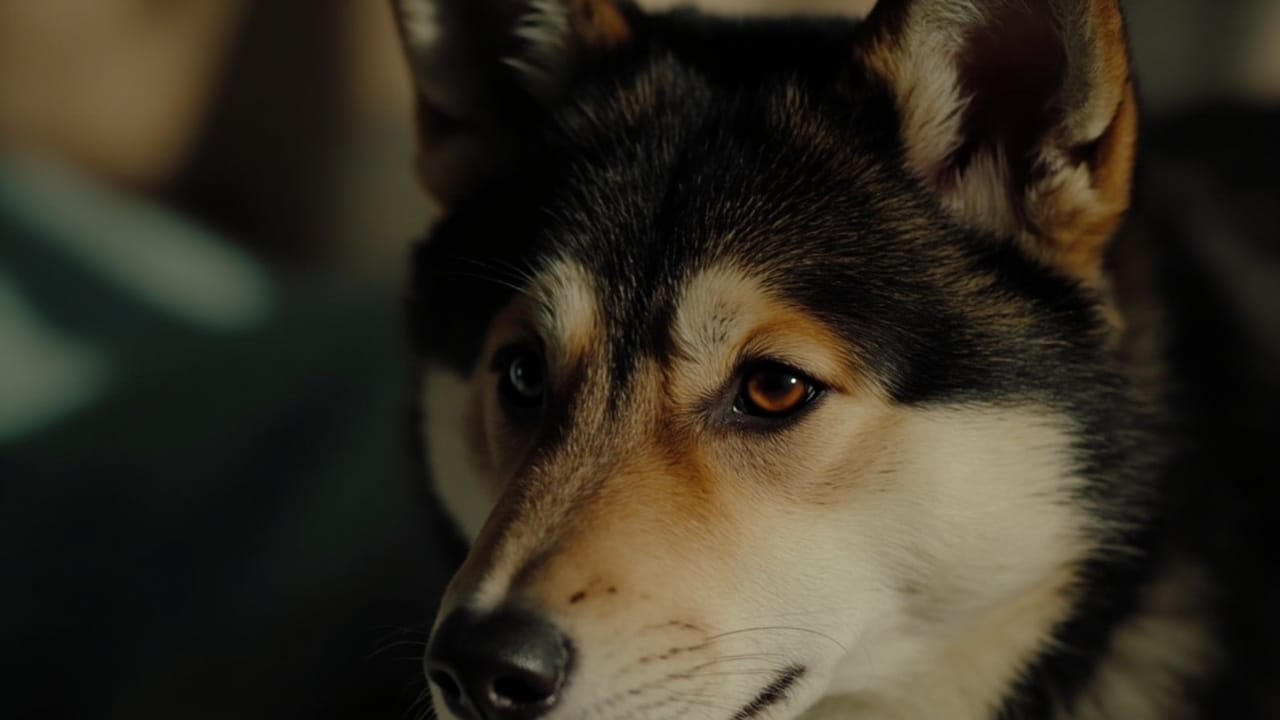
Shiba Inu Lifespan: How Long Do Shibas Live? (13-16 Years)
The Shiba Inu lifespan is typically 13 to 16 years, making it one of the longest-lived dog breeds. Most well-cared-for Shibas reach at least 12 years, with many living to 14 or older when given proper nutrition, regular vet care, and appropriate exercise.

Shiba Inu Lifespan: How Long Do Shibas Live?
The Shiba Inu typically lives 13 to 16 years, placing it among the longest-lived dog breeds in the world. With attentive care, many Shibas comfortably reach 14, 15, or even 16+ years, and it's not unusual to hear of individuals pushing past their 17th birthday. Genetics, diet, exercise, and preventive veterinary care all play a role in determining where your dog lands within that range.
Average Lifespan and What Influences It
The commonly cited figure of 13–16 years is supported by breed-club surveys and longevity databases across Japan, the UK, and North America. Several factors push a Shiba toward the higher end of that range:
- Breed size advantage: As the smallest of Japan's six native spitz breeds (males 8–11 kg / 17–24 lb, females 7–10 kg / 15–22 lb), the Shiba avoids the orthopedic and metabolic stress seen in larger breeds.
- Genetic diversity from three historical bloodlines (Shinshu, Mino, and San'in) reduced bottlenecks after WWII, when the breed nearly went extinct.
- Spay/neuter timing: Spaying females before the first or second heat has been associated with reduced mammary cancer risk; neutering males can prevent certain prostate issues.
- Body condition: Lean Shibas (Body Condition Score 4–5/9) consistently outlive overweight peers.
A sedentary, overfed Shiba may only reach 11–12 years, while a fit, mentally engaged, well-screened one commonly enjoys 15+ years.
Common Health Issues That Affect Longevity
Knowing the Shiba's predisposed conditions helps you catch problems early, which directly extends lifespan:
- Atopic dermatitis and allergies – the single most reported chronic issue; skin infections worsen if untreated.
- Luxating patella – often mild, but severe cases require surgery and shorten activity years.
- Hip dysplasia – roughly 7.6% of Shibas screened by the OFA show abnormal hips, a known factor in mobility loss.
- Primary closed-angle glaucoma – a painful, sight-threatening emergency; yearly eye exams are essential.
- Cataracts and Progressive Retinal Atrophy (PRA) – late-onset vision loss.
- Hypothyroidism – middle-aged onset, manageable with medication.
The recommended CHIC baseline screening panel is OFA hips + OFA patella + a CAER eye exam. Responsible breeders publish these results on the OFA database.
How to Help Your Shiba Live Longer
Practical, high-impact steps owners can take:
- Feed a measured, protein-rich diet and keep the waistline visible (you should feel ribs easily).
- Maintain a healthy weight: even 1 extra kg shortens lifespan in small breeds.
- Annual vet visits with bloodwork from age 7 onward to catch hypothyroidism, kidney drift, and early cancer.
- Dental care: brush teeth or use enzymatic chews; periodontal disease stresses the heart and kidneys.
- Daily exercise (30–60 minutes) plus mental enrichment to keep joints, heart, and brain healthy.
- Parasite and vaccine prevention tailored to your region.
- Choose a screened puppy: parents with OFA hips, patella, and eye clearances, plus known longevity in the pedigree.
Shiba Inu Life Stages: What to Expect
- Puppy (0–12 months): rapid growth, socialization window, house training, the famous "Shiba 500" zoomies.
- Adolescent (1–3 years): testing boundaries, full prey drive, secure fencing essential (Shibas are escape artists).
- Prime adult (3–7 years): stable, athletic, lowest vet costs.
- Mature adult (7–10 years): first grey muzzle hairs, semi-annual vet checks recommended.
- Senior (10+ years): slower walks, joint support, dental focus; cataracts and arthritis most common.
Frequently Asked Questions About Shiba Inu Lifespan
Is 15 old for a Shiba Inu? No, 15 is comfortably within the normal upper range and not considered exceptional. Many Shibas reach 15 with no major illness.
Do male or female Shibas live longer? There's no robust evidence of a significant sex-linked lifespan difference in Shibas. Spayed/neutered individuals of both sexes often show small longevity advantages over intact dogs.
What's the oldest Shiba Inu on record? Verified reports include Shibas living to 17 and occasionally 18, though documentation is anecdotal rather than centrally tracked.
Does the "Doge" Shiba (Kabosu) set a realistic expectation? Kabosu lived to approximately 17, which is at the high end but achievable for well-bred, well-cared-for Shibas.
Bottom Line
A Shiba Inu purchased from health-screened parents, kept lean, exercised daily, and given preventive veterinary care should reasonably be expected to live 13 to 16 years, with 14–15 being a realistic target for a well-cared-for dog.
FAQ
What is the average Shiba Inu lifespan?
The average Shiba Inu lifespan is 13 to 16 years, with 14–15 being typical for well-cared-for individuals from health-screened lines.
What do Shiba Inus usually die from?
Leading causes of death in Shibas are cancer (especially hemangiosarcoma and lymphoma), old-age organ failure, and complications from glaucoma or severe hip dysplasia. Many also pass peacefully in their sleep at 14–16.
How long do Shiba Inus live in human years?
A 14-year-old Shiba is roughly equivalent to a 70–75-year-old human. The first Shiba year equals about 15 human years, the second adds ~9, and each year after adds roughly 4–5.
How can I maximize my Shiba Inu's lifespan?
Buy from a breeder who does OFA hips, patella, and CAER eye screening; keep your Shiba lean; provide daily exercise; brush teeth; and run annual bloodwork from age 7 onward.
⚕️ This article is researched from the AKC and NIPPO breed standards, OFA/CHIC health data and veterinary sources. It is for general information only and is not a substitute for advice from your own veterinarian.