Chó Shiba Inu có bị hạn chế ở Đức không? Giải thích luật giống loài
Chó Shiba Inu không phải là giống chó bị hạn chế hay nằm trong danh sách tại Đức. Việc nuôi giống chó này là hợp pháp ở tất cả 16 bang liên bang, bao gồm Bavaria, Nordrhein-Westfalen và Niedersachsen - những nơi áp dụng luật cụ thể theo giống (Listenhund). Nuôi Shiba không kéo theo yêu cầu về giấy phép, rọ mõm hay dây dắt dài hơn tiêu chuẩn.
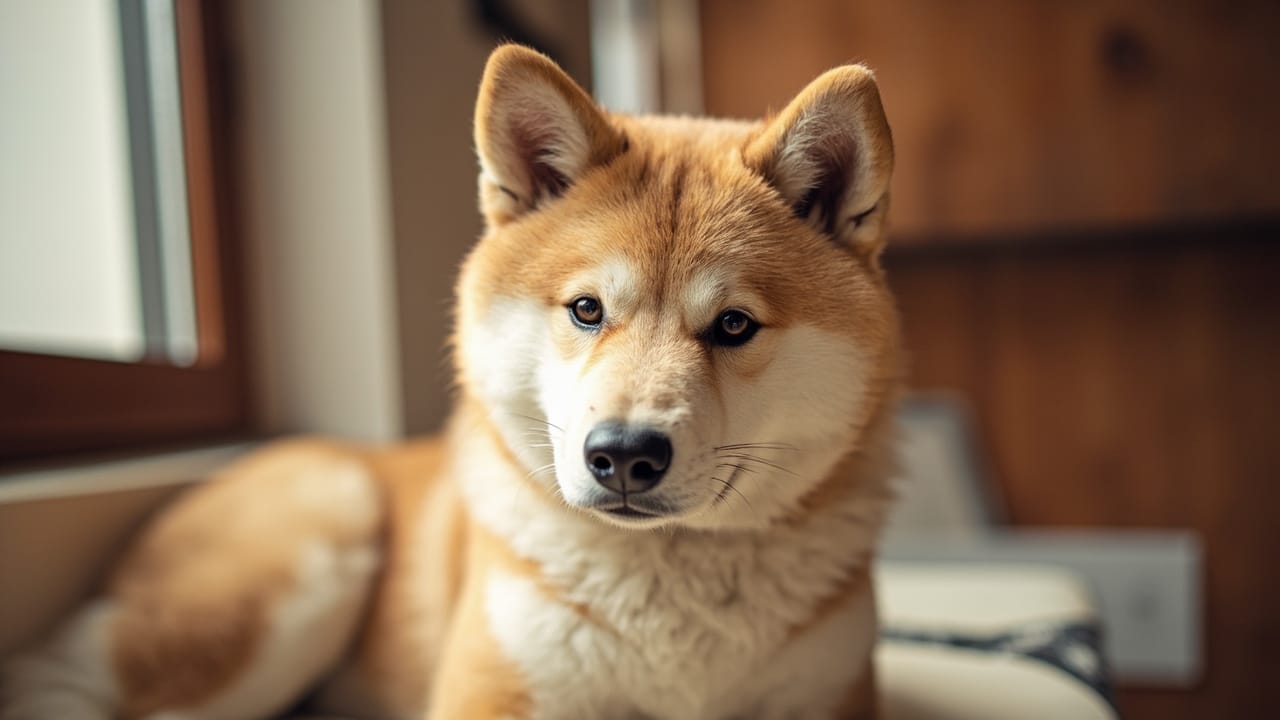
Trả lời nhanh: Shiba Inu hoàn toàn hợp pháp tại Đức
Nếu bạn đang chuyển đến Đức cùng một chú Shiba Inu hoặc nhập khẩu một chú, bạn có thể yên tâm: giống chó này không bị xếp vào danh sách chó nguy hiểm (Listenhund) ở bất kỳ trong 16 bang liên bang (Bundesländer) nào của Đức. Đức có áp dụng luật cụ thể theo giống, nhưng các danh sách đó nhắm vào những nhóm chó dạng molosser, chó sục và một vài giống chó bảo vệ cụ thể. Shiba Inu không nằm trong bất kỳ danh sách nào, vì vậy việc sở hữu không đòi hỏi giấy phép đặc biệt, bài kiểm tra hành vi (Wesenstest), đeo rọ mõm nơi công cộng hay mức bảo hiểm trách nhiệm cao hơn so với bất kỳ giống chó nào khác.
Tuy nhiên, "hợp pháp" không đồng nghĩa với "không bị quản lý". Mọi con chó tại Đức đều phải đăng ký với thành phố hoặc quận nơi cư trú (Anmeldung des Hundes), và chú Shiba của bạn phải được gắn microchip và có bảo hiểm trách nhiệm cơ bản (Hundehaftpflicht), vốn hầu hết các bang hiện nay đều yêu cầu cho mọi giống. Ngoài những quy định chung này, Shiba của bạn có vị thế pháp lý ngang bằng với một chú Labrador hay Poodle.
Vì sao nhiều người lo ngại về Shiba Inu tại Đức
Các Hundeverordnung (sắc lệnh về chó) của Đức có từ đầu những năm 2000 và được siết chặt thêm vào năm 2001 sau một số sự cố đáng chú ý. Kết quả là một mạng lưới các danh sách giống chó khác nhau tùy theo từng bang. Những giống bị hạn chế phổ biến nhất gồm:
- American Staffordshire Terrier
- Staffordshire Bull Terrier
- Pit Bull Terrier
- Rottweiler (ở một số bang, với điều kiện)
- Dobermann (ở một số bang, với điều kiện)
- Bull Terrier và Bullmastiff (ở một số bang riêng lẻ)
Một số bang còn có hạng thứ hai gọi là "Category 2" hay "List B", gồm những giống được coi là có khả năng nguy hiểm nhưng chịu điều kiện nhẹ hơn. Shiba Inu chưa từng được xếp vào bất kỳ hạng nào. Nguồn gốc cổ xưa của giống chó Nhật Bản này, kích thước nhỏ (khoảng 8–10 kg) và việc không có bất kỳ tài liệu nào ghi nhận lịch sử liên quan đến tấn công đã giữ giống chó này hoàn toàn nằm ngoài phạm vi mọi danh sách giống chó của Đức.
Còn quy định nhập khẩu và yêu cầu của hãng hàng không thì sao?
Đức là một phần của chương trình đi lại cùng thú cưng của Liên minh châu Âu, vì vậy nếu bạn mang Shiba Inu từ ngoài Liên minh châu Âu vào, chú chó cần:
- Microchip tuân thủ tiêu chuẩn ISO 11784/11785
- Tiêm phòng dại còn hiệu lực, được thực hiện sau khi gắn microchip và ít nhất 21 ngày trước ngày đi
- Giấy chứng nhận sức khỏe theo chuẩn EU do bác sĩ thú y được USDA công nhận (hoặc tương đương) cấp đối với các nước ngoài EU
- Nhập cảnh qua một điểm nhập cảnh được phê duyệt
Các hãng hàng không như Lufthansa cho phép Shiba đi trong khoang hành khách trên hầu hết các chuyến bay ngắn và trung bình, bởi giống chó này nằm trong giới hạn kích thước thông thường cho phép mang vào cabin.
Quy định địa phương vẫn áp dụng cho Shiba của bạn
Mặc dù bản thân giống chó không bị hạn chế, các thành phố và quận của Đức vẫn có thể áp dụng quy định địa phương cho mọi con chó. Hãy lưu ý:
- Luật dắt chó bằng dây (Leinenzwang): Nhiều công viên, khu rừng và khu vực đi bộ yêu cầu chó phải được dắt bằng dây. Một số thành phố như München và Berlin mở rộng yêu cầu dắt chó ở các không gian xanh trong mùa chim làm tổ (thường từ tháng 4 đến tháng 7).
- Xếp vào diện chó nguy hiểm theo từng trường hợp: Một chú Shiba cắn người hoặc động vật khác vẫn có thể bị tuyên là nguy hiểm trên cơ sở từng vụ việc, bất kể giống. Khi đó, chủ nuôi phải tuân thủ các điều kiện do cơ quan chức năng địa phương đặt ra (rọ mõm, bảo hiểm cao hơn, kiểm tra hành vi).
- Bảo hiểm (Hundehaftpflicht): Bắt buộc ở hầu hết các bang đối với mọi giống. Chi phí rẻ, thường dưới 60 EUR mỗi năm cho một chú Shiba.
- Thuế (Hundesteuer): Mọi con chó đều phải chịu thuế nuôi chó của địa phương, với mức thuế khác nhau tùy thành phố. Con chó thứ hai hoặc thứ ba thường bị áp mức thuế cao hơn ở nhiều đô thị.
Cách xác nhận tình trạng hiện hành trước khi đi du lịch hoặc chuyển đến
Luật cụ thể theo giống ở Đức có thể thay đổi. Trong giai đoạn 2019–2024, một số bang đã phân loại lại Rottweiler và Dobermann, và Niedersachsen đã có những cuộc thảo luận về việc siết chặt quy định đối với một số giống khác. Trước khi nhập khẩu Shiba hoặc chuyển đến nơi ở mới cùng giống chó này, bạn nên:
- Kiểm tra Hundeverordnung hiện hành của bang cụ thể (Bundesland) nơi bạn sẽ sinh sống.
- Liên hệ Ordnungsamt (cơ quan trật tự công cộng) hoặc Veterinäramt (cơ quan thú y) địa phương để xác nhận thủ tục đăng ký.
- Xác nhận với chủ nhà tương lai, bởi nhiều hợp đồng thuê nhà ở Đức có điều khoản về nuôi thú cưng nghiêm ngặt hơn bất kỳ luật bang nào.
- Kiểm tra rằng hợp đồng bảo hiểm trách nhiệm của bạn chi trả cho Shiba mà không loại trừ theo giống.
Tóm lại cho người nuôi Shiba tại Đức
Bạn không cần giấy phép đặc biệt, bài kiểm tra hành vi hay đeo rọ mõm cho Shiba Inu ở bất kỳ đâu tại Đức. Giống chó này được đối xử như bất kỳ chó đồng hành nào khác theo luật liên bang và bang. Những nghĩa vụ bắt buộc duy nhất áp dụng mang tính phổ thông: đăng ký, gắn microchip, tiêm phòng dại nếu đi lại từ ngoài EU, bảo hiểm trách nhiệm ở hầu hết các bang, và tuân thủ quy định dắt chó tại địa phương. Danh tiếng của Shiba với tính cách dè dặt, giống mèo và không hung hăng đã là lý do lớn khiến cơ quan chức năng Đức chưa từng có lý do để đưa giống này vào bất kỳ danh sách hạn chế nào.
FAQ
Tôi có cần đeo rọ mõm cho Shiba Inu của mình ở Đức không?
Không. Shiba Inu không nằm trong bất kỳ danh sách hạn chế giống nào ở bất kỳ bang liên bang nào của Đức, vì vậy không có yêu cầu đeo rọ mõm nào áp dụng cho bản thân giống chó này. Rọ mõm chỉ có thể được yêu cầu bởi cơ quan chức năng địa phương nếu con chó của bạn bị tuyên là nguy hiểm sau sự cố cắn hoặc sự kiện tương tự.
Thuế nuôi chó cho Shiba Inu tại Đức là bao nhiêu?
Thuế nuôi chó (Hundesteuer) do từng đô thị quy định. Ở hầu hết các thành phố, một con chó có mức thuế từ 60 đến 180 EUR mỗi năm. Shiba Inu không phải chịu mức thuế 'Listenhund' cao hơn, vốn ở một số thành phố có thể lên tới 600 đến hơn 1.000 EUR mỗi năm đối với các giống bị hạn chế.
Bảo hiểm trách nhiệm nuôi chó có bắt buộc cho Shiba ở Đức không?
Ở hầu hết các bang liên bang của Đức, bảo hiểm trách nhiệm nuôi chó (Hundehaftpflicht) là bắt buộc đối với mọi giống, bao gồm cả Shiba Inu. Một vài bang chỉ yêu cầu đối với các giống trong danh sách, nhưng chi phí bảo hiểm này khá rẻ (thường dưới 60 EUR mỗi năm cho một chú Shiba), nên hầu hết chủ nuôi vẫn mua dù không bắt buộc.
Tôi có thể nhập khẩu chó con Shiba Inu từ Mỹ hoặc Nhật Bản về Đức không?
Có. Là thú cưng đi cùng vào EU, chú chó cần microchip tuân thủ ISO, tiêm phòng dại còn hiệu lực sau khi gắn microchip, và giấy chứng nhận sức khỏe theo chuẩn EU cấp cho các nước ngoài EU. Shiba không phải giống nhập khẩu bị hạn chế, vì vậy không cần giấy phép đặc biệt nào ngoài các yêu cầu nhập cảnh chuẩn của EU.
Đọc tiếp nhé
 Meme Doge và cơn sốt Elon Musk có làm tăng số lượng nhận nuôi và giải cứu Shiba Inu không?
 Mame Shiba có phù hợp làm chó căn hộ và chó gia đình không? Hướng dẫn thành thật
 Biểu Đồ Tăng Trưởng Của Chó Con Mame Shiba: Khi Nào Chúng Ngừng Lớn?
 Kích thước Mame Shiba: Chiều cao, cân nặng trưởng thành & Hướng dẫn tăng trưởng