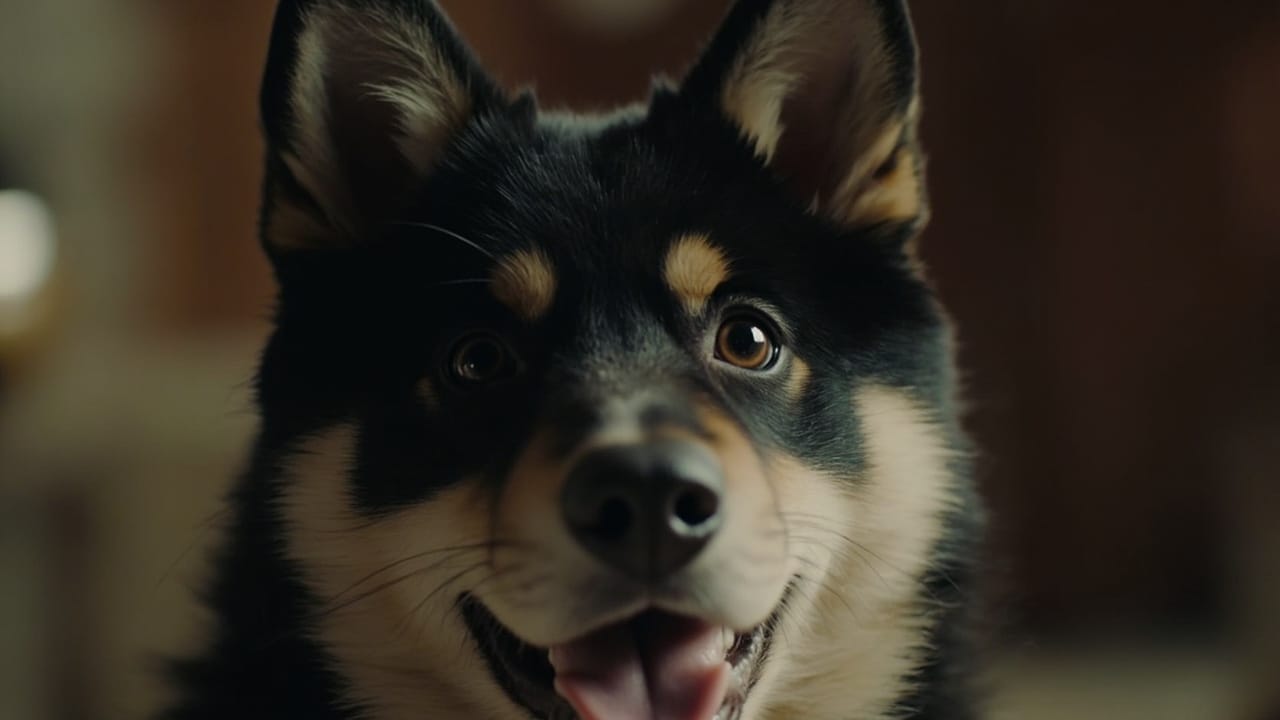
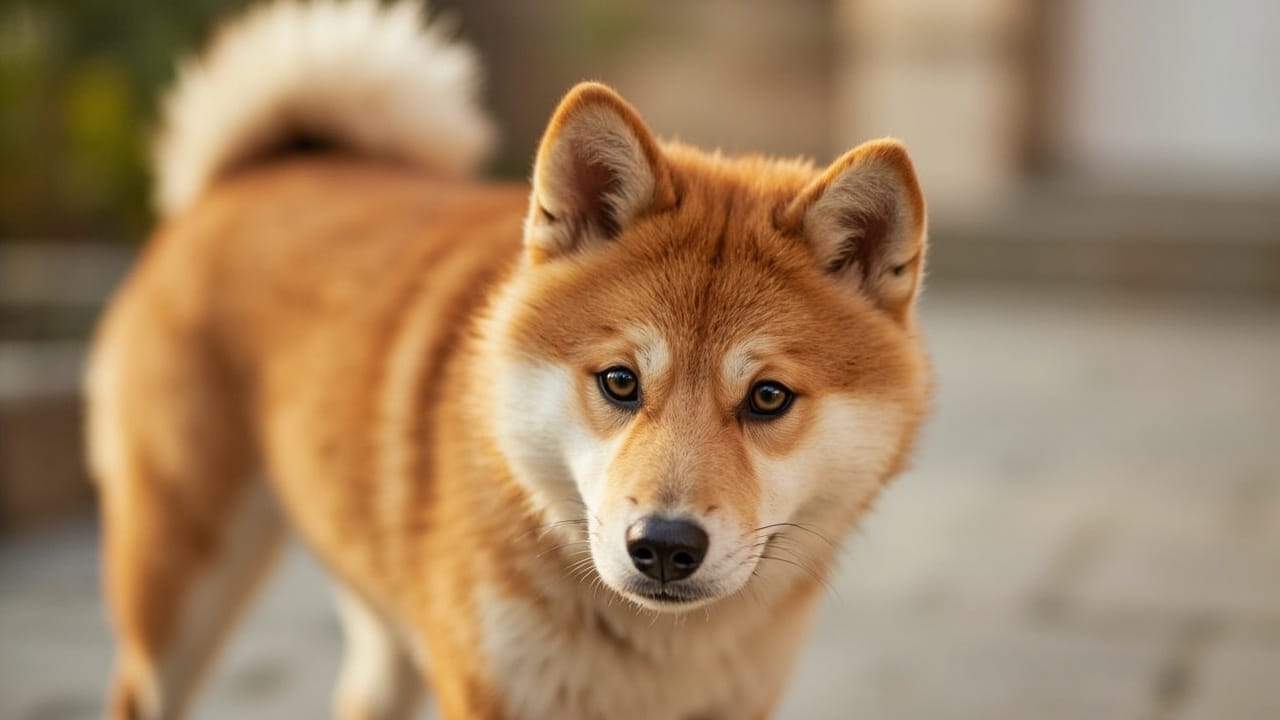
Shiba Inu thu nhỏ có nhiều vấn đề về răng, khớp và sinh sản hơn không?
Shiba Inu thu nhỏ không phải là một dòng được công nhận trong giống Shiba Inu, vì vậy chúng về cơ bản là chó lai hoặc Shiba nhỏ hơn bình thường được lai tạo từ những con còi cọc. Do đó, chúng không có hồ sơ sức khỏe theo giống cụ thể được ghi nhận và có thể dự đoán, nhưng chúng được cho là có nguy cơ cao hơn về chen chúc răng, trật khớp xương bánh chè và khó đẻ do kích thước nhỏ và nguồn gen hẹp.
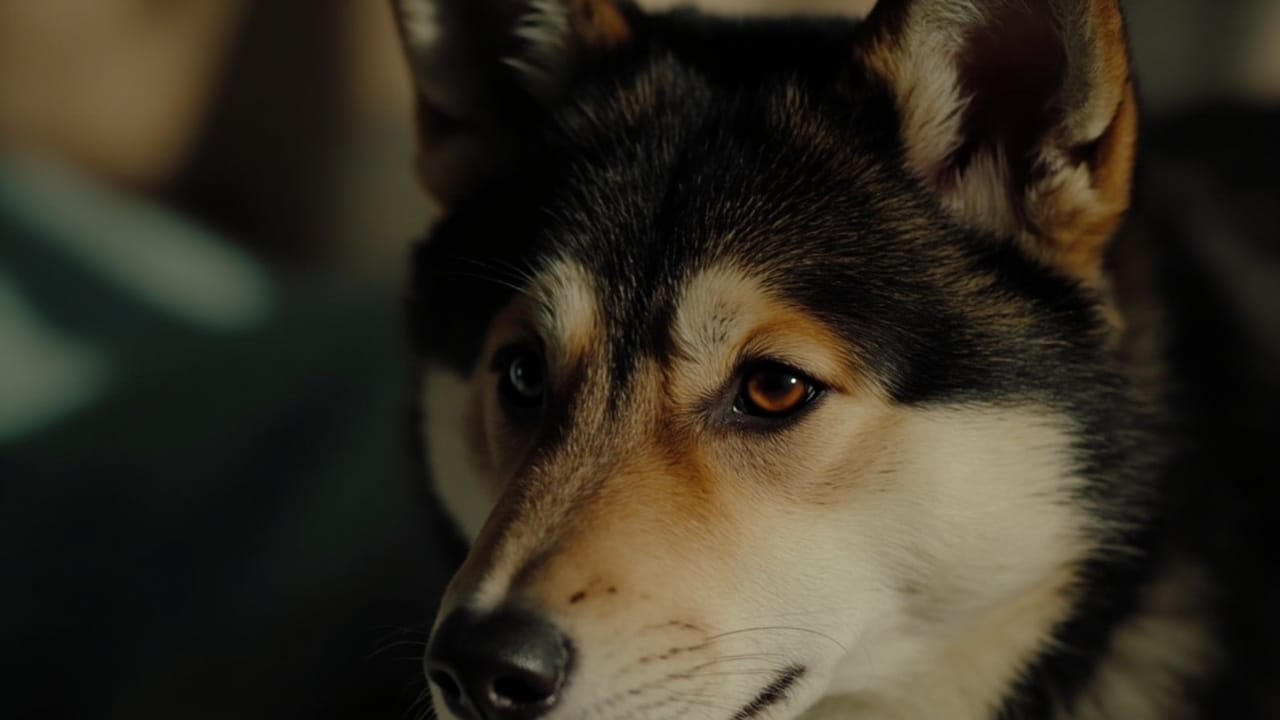
Shiba Inu thu nhỏ không phải là dòng kích thước được công nhận chính thức của giống Shiba Inu. Không có phân loại "toy" hay "miniature" trong tiêu chuẩn giống của NIPPO, AKC, FCI hay KC. Những con chó được bán dưới tên gọi "Shiba thu nhỏ" thường thuộc một trong ba trường hợp: còi cọc được chọn lọc lai nhỏ dần, lai đời đầu với các giống nhỏ hơn (như Pomeranian hoặc các dòng Spitz nhỏ), hoặc Shiba kích thước nhỏ được quảng bá như một sản phẩm mới lạ. Vì lý do này, câu trả lời thành thật là hồ sơ nguy cơ sức khỏe của chúng không thể dự đoán được và thường được cho là cao hơn so với Shiba tiêu chuẩn được lai tạo tốt, đặc biệt ở ba lĩnh vực: chen chúc răng, vấn đề về khớp và biến chứng khi sinh nở.
Tại sao dữ liệu sức khỏe của "Shiba thu nhỏ" lại không rõ ràng
Shiba Inu tiêu chuẩn được hưởng lợi từ hàng thập kỷ sàng lọc sức khỏe thông qua Trung tâm Thông tin Sức khỏe Chó (CHIC), Tổ chức Chỉnh hình cho Động vật (OFA) và các nghiên cứu của trường đại học. Chúng ta biết rằng khoảng 7,6% số Shiba được sàng lọc bị loạn sản xương hông, rằng trật khớp xương bánh chè là một trong những phát hiện chỉnh hình phổ biến hơn, và rằng các nhà lai tạo thường kiểm tra hông, xương bánh chè và mắt. Không có cơ sở hạ tầng nào như vậy tồn tại cho "Shiba thu nhỏ" bởi vì không câu lạc bộ chó giống lớn nào công nhận chúng. Nếu không có sổ đăng ký sàng lọc, những tuyên bố rằng chúng "khỏe mạnh ngang" hoặc "mỏng manh hơn" không thể dựa trên bằng chứng. Người mua đang dựa vào lời khẳng định của từng nhà lai tạo thay vì dữ liệu trên toàn giống.
Vấn đề về răng và hàm
Những con chó nhỏ nói chung có khuynh hướng dễ bị chen chúc răng, giữ lại răng sữa, lệch khớp cắn và bệnh nha chu sớm chỉ đơn giản vì hàm của chúng ngắn hơn trong khi răng vẫn cùng kích thước. Shiba tiêu chuẩn vốn đã có khoang miệng khá chật so với loại hộp sọ. Một con chó được lai nhỏ hơn từ nền tảng này thường có:
- Tăng mức độ chen chúc và xoay răng
- Tỷ lệ giữ lại răng sữa cao hơn, khiến răng vĩnh viễn mọc lệch vị trí
- Cao răng và mảng bám tích tụ sớm hơn do răng nằm gần nhau hơn
- Nguy cơ phải nhổ răng cao hơn ở độ tuổi 5–7
Việc đánh răng hàng ngày, đồ nhai chăm sóc răng miệng và làm sạch chuyên nghiệp dưới gây mê không phải là tùy chọn đối với những con chó này; đó là chăm sóc cơ bản.
Vấn đề về khớp và xương
Trật khớp xương bánh chè là một trong những vấn đề chỉnh hình được báo cáo nhiều nhất ở Shiba nói chung. Khi một con chó được lai tạo đặc biệt để nhỏ hơn tiêu chuẩn (đực 35–43 cm, cái 33–41 cm), tỷ lệ xương thường bị ảnh hưởng. Những lo ngại phổ biến ở chó kiểu Shiba nhỏ hơn bao gồm:
- Trật khớp xương bánh chè, thường ở mức độ 2–3 thay vì mức độ 1 phổ biến hơn ở loại tiêu chuẩn
- Bệnh Legg-Calvé-Perthes, một tình trạng hoại tử vô mạch của đầu xương đùi gặp tỷ lệ mất cân đối ở các giống nhỏ
- Biến dạng chi góc khi cụm chi trước và chi sau không được thu nhỏ tỷ lệ
- Tăng nguy cơ thoát vị đĩa đệm (IVDD) vì cột sống dài hơn so với chi sau ngắn và thẳng
Một Shiba thu nhỏ chắc chắn nên được OFA đánh giá xương bánh chè và hông, và bất kỳ nhà lai tạo nào không làm điều này thì nên tránh.
Vấn đề về sinh sản và sinh sản
Đây có lẽ là vấn đề phúc lợi nghiêm trọng nhất. Khó đẻ (không thể sinh tự nhiên) phổ biến hơn đáng kể ở chó nhỏ và chó kiểu mặt ngắn, và việc lai tạo một con cái nhỏ hơn tiêu chuẩn Shiba làm tăng một số rủi ro:
- Ống sinh hẹp so với kích thước chó con có thể bình thường nếu chó đực là Shiba tiêu chuẩn
- Đờ tử cung do môi trường tử cung nhỏ
- Tỷ lệ sinh mổ cao hơn, thường từ 50% trở lên ở quần thể toy và giống nhỏ
- Lứa đẻ nhỏ hơn (1–3 chó con), điều này nghịch lý làm tăng biến chứng vì từng chó con có thể quá lớn
- Tỷ lệ tử vong sơ sinh cao hơn vì chó con khó giữ ấm và bú mẹ hiệu quả
Các nhà lai tạo Shiba tiêu chuẩn có trách nhiệm thường lên kế hoạch sinh mổ trước vì giống này vốn đã có xu hướng khó đẻ; việc lai tạo cá thể cái nhỏ hơn tiêu chuẩn làm tăng đáng kể rủi ro này.
Những lo ngại khác liên quan đến việc thu nhỏ kích thước
Ngoài ba danh mục được hỏi đến, chó kiểu Shiba thu nhỏ cũng có xu hướng thể hiện tỷ lệ cao hơn về xẹp khí quản, hạ đường huyết ở chó con, shunt hệ thống cửa và tiếng thổi ở tim. Chúng cũng có nguy cơ gây mê cao hơn vì cửa sổ liều thuốc hẹp hơn ở chó nhỏ.
Hướng dẫn thực tế cho người nuôi
Nếu bạn đã sở hữu một con chó được bán là Shiba thu nhỏ, hãy đối xử với nó như một con chó giống nhỏ có nguồn gốc không rõ ràng: cho ăn thức ăn chó con giàu calo để ngăn ngừa hạ đường huyết, đánh răng hàng ngày, hạn chế nhảy từ trên cao để bảo vệ khớp và cột sống, và thiết lập chăm sóc với bác sĩ thú y có kinh nghiệm về giống toy và nhỏ. Yêu cầu sàng lọc xương bánh chè, hông, mắt và tim của OFA nếu bạn có ý định cho sinh sản. Kỳ vọng tuổi thọ nên thận trọng; trong khi Shiba tiêu chuẩn thường sống được 13–16 năm, chó được lai nhỏ đi mà không sàng lọc di truyền thường sống 10–14 năm.
Con đường an toàn nhất cho ai đó muốn một con chó nhỏ hơn với tính khí giống Shiba là nhận nuôi một Shiba trưởng thành nhỏ từ trại cứu hộ, hoặc trung thực đánh giá xem Shiba Inu có phải là giống phù hợp hay không thay vì tìm kiếm kích thước không tiêu chuẩn.
Điểm mấu chốt
Bởi vì "Shiba thu nhỏ" không phải là một dòng được công nhận, không có dữ liệu sức khỏe theo giống cụ thể đáng tin cậy nào. Dựa trên sinh lý chó nhỏ và cách những con chó này thường được tạo ra, có lý do để cho rằng chúng có tỷ lệ cao hơn về chen chúc răng, trật khớp xương bánh chè và các vấn đề chỉnh hình khác, cũng như khó đẻ so với Shiba tiêu chuẩn được lai tạo tốt. Bất kỳ ai cân nhắc mua nên cân nhắc những rủi ro đó với sự mới lạ của một con chó nhỏ hơn.
FAQ
Shiba Inu thu nhỏ có phải là giống được công nhận không?
Không. Shiba Inu có một tiêu chuẩn kích thước duy nhất ở mọi câu lạc bộ chó giống lớn (AKC, FCI, NIPPO, KC). Không có dòng toy, mini hay miniature nào được công nhận. Những con chó được bán với cái tên đó là chó còi cọc, chó lai hoặc chó thuần nhưng nhỏ hơn kích thước bình thường.
Tuổi thọ trung bình của Shiba thu nhỏ là bao nhiêu?
Shiba tiêu chuẩn thường sống 13–16 năm. Chó kiểu Shiba nhỏ hơn hoặc lai mà không được sàng lọc sức khỏe thường sống 10–14 năm, tùy thuộc vào những giống nào có trong hậu kỳ và liệu các vấn đề về khớp, răng và tim có được kiểm soát hay không.
Shiba thu nhỏ có cần sinh mổ không?
Shiba tiêu chuẩn đã có tỷ lệ sinh mổ cao hơn nhiều giống khác. Chó cái được lai nhỏ hơn tiêu chuẩn có tỷ lệ khó đẻ cao hơn nữa do kích thước khung chậu hẹp so với kích thước chó con, và sinh mổ nên được lên kế hoạch thay vì xử lý như trường hợp cấp cứu.
Shiba Inu thu nhỏ giá bao nhiêu?
Giá thường dao động từ 2.000 đến 5.000 USD tại Mỹ, thường cao hơn Shiba tiêu chuẩn do quảng bá sản phẩm mới lạ. Để so sánh, một Shiba tiêu chuẩn từ nhà lai tạo có sàng lọc sức khỏe có giá 1.400–2.500 USD, và nhận nuôi từ trại cứu hộ k
⚕️ This article is researched from the AKC and NIPPO breed standards, OFA/CHIC health data and veterinary sources. It is for general information only and is not a substitute for advice from your own veterinarian.