Shiba Inu Guides & Articles
Expert, well-sourced answers to every Shiba Inu question — care, training, health, cost and more.
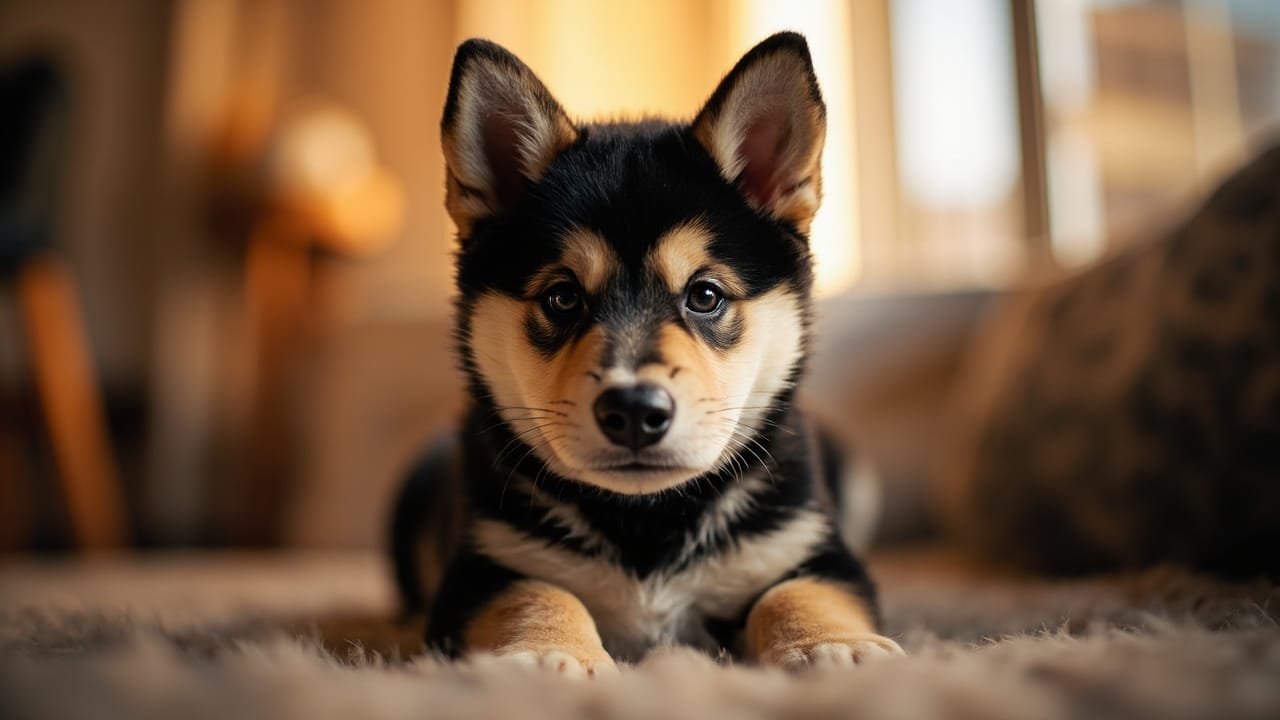
Should I Get a Shiba Inu Without a Big Yard? Honest Apartment Guide
Yes, you can absolutely keep a Shiba Inu without a big yard. Shibas adapt well to apartments and smaller homes as long as they get 30-60 minutes of daily exercise, consistent mental enrichment, and firm boundaries. Yard size matters far less than daily routine, training commitment, and secure leash handling.
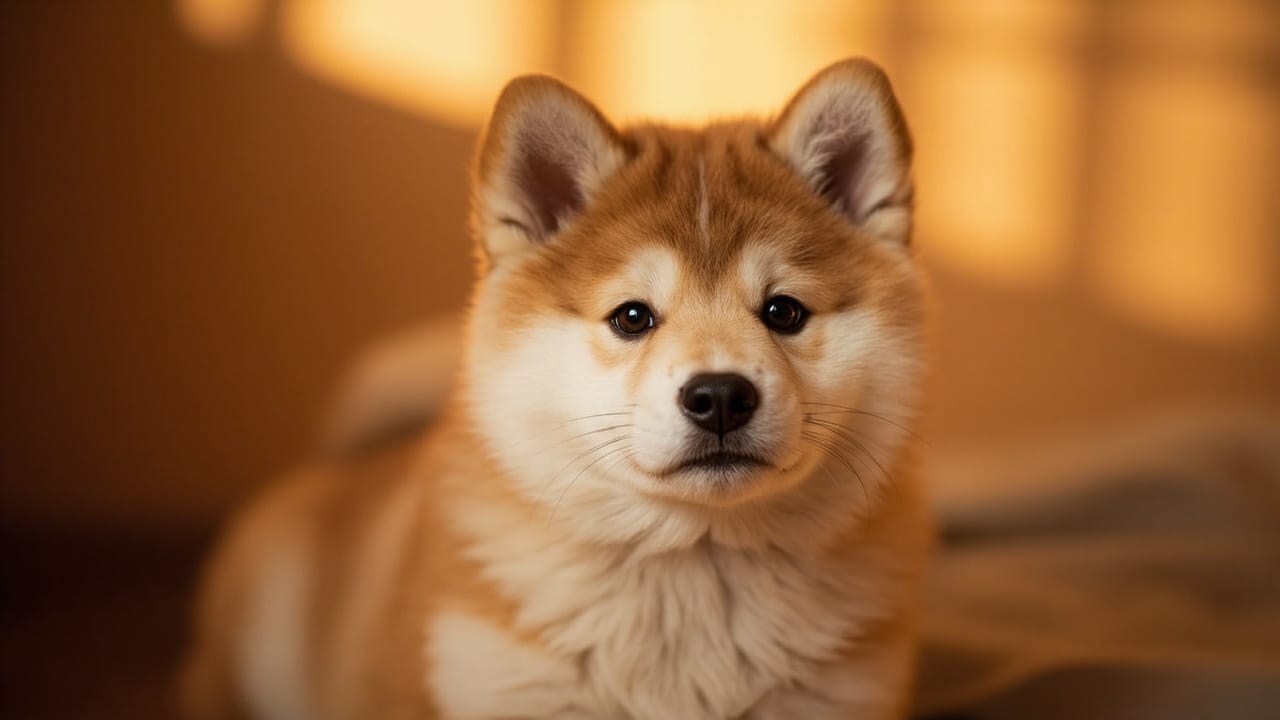
Is a Shiba Inu a Good Dog for Seniors and Retirees?
Yes, with the right expectations. Shiba Inus can suit active, experienced retirees who appreciate a quiet, independent companion, but their stubbornness, prey drive, and need for structured training can be a poor match for seniors with limited mobility or first-time dog owners.
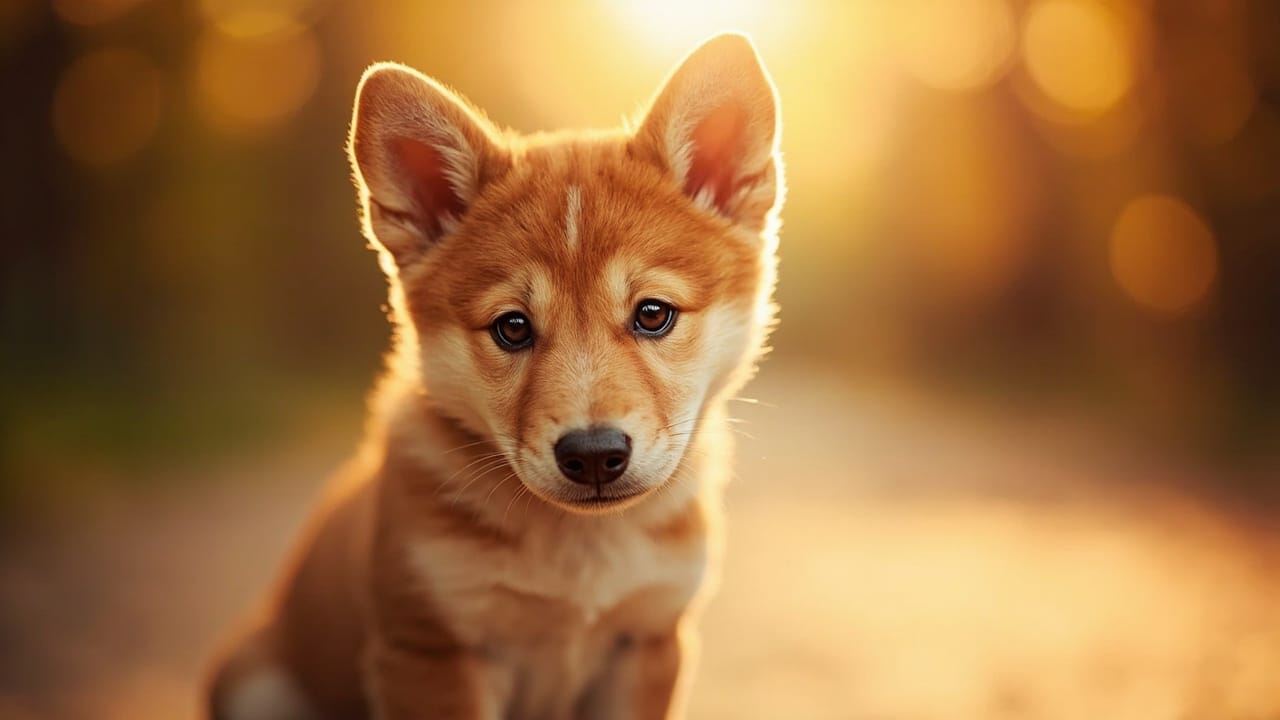
Should I Get a Second Shiba Inu? A Complete Owner Guide
A second Shiba Inu can be a great match for a confident, experienced owner with enough time, space, and budget, but two Shibas mean double the work, double the grooming during coat blow, and a real risk of same-sex aggression. Most breeders and owners recommend waiting until your first Shiba is at least 2-3 years old, well-trained, and reliably neutral around other dogs before adding another.
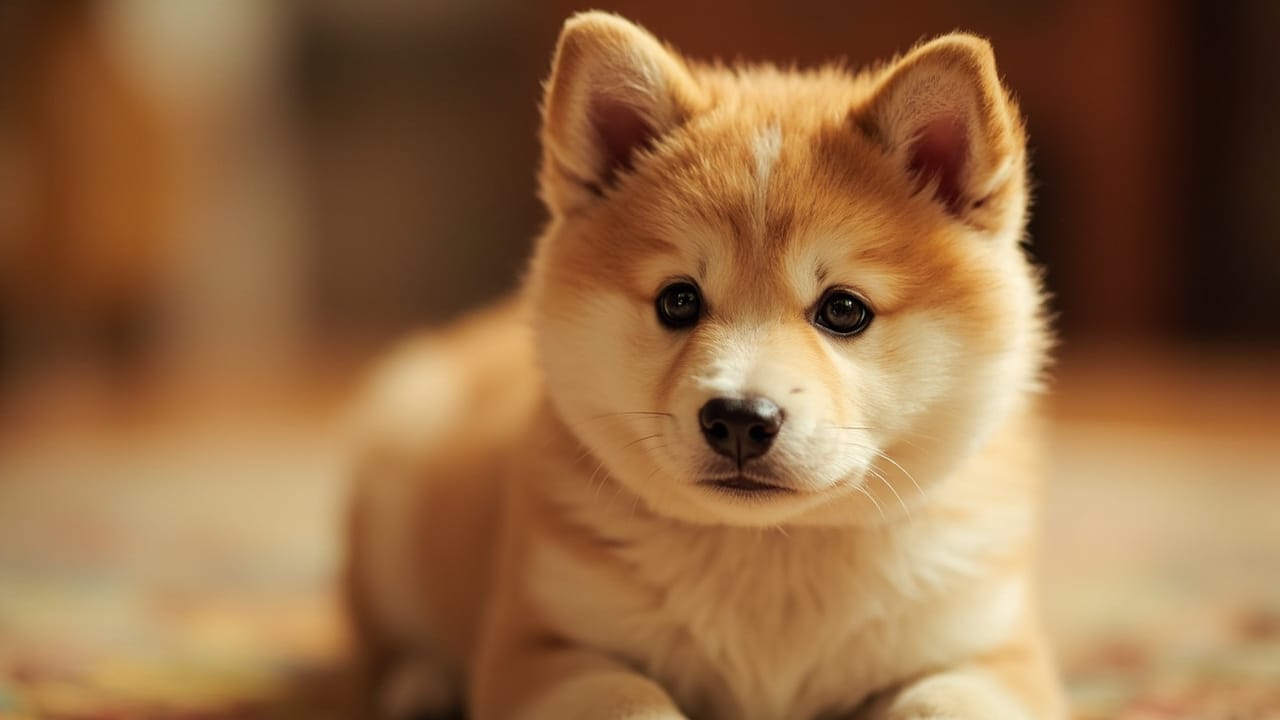
Should I Get a Shiba Inu if I Have Toddlers? An Honest Guide
Honest answer: most breeders, rescue groups, and behaviorists do not recommend raising a Shiba Inu with toddlers. Shibas are small (about 8–10 kg), independent, prey-driven, and intolerant of rough handling, which puts both child and dog at risk. Many families wait until children are at least 5–7 years old before adding a Shiba.
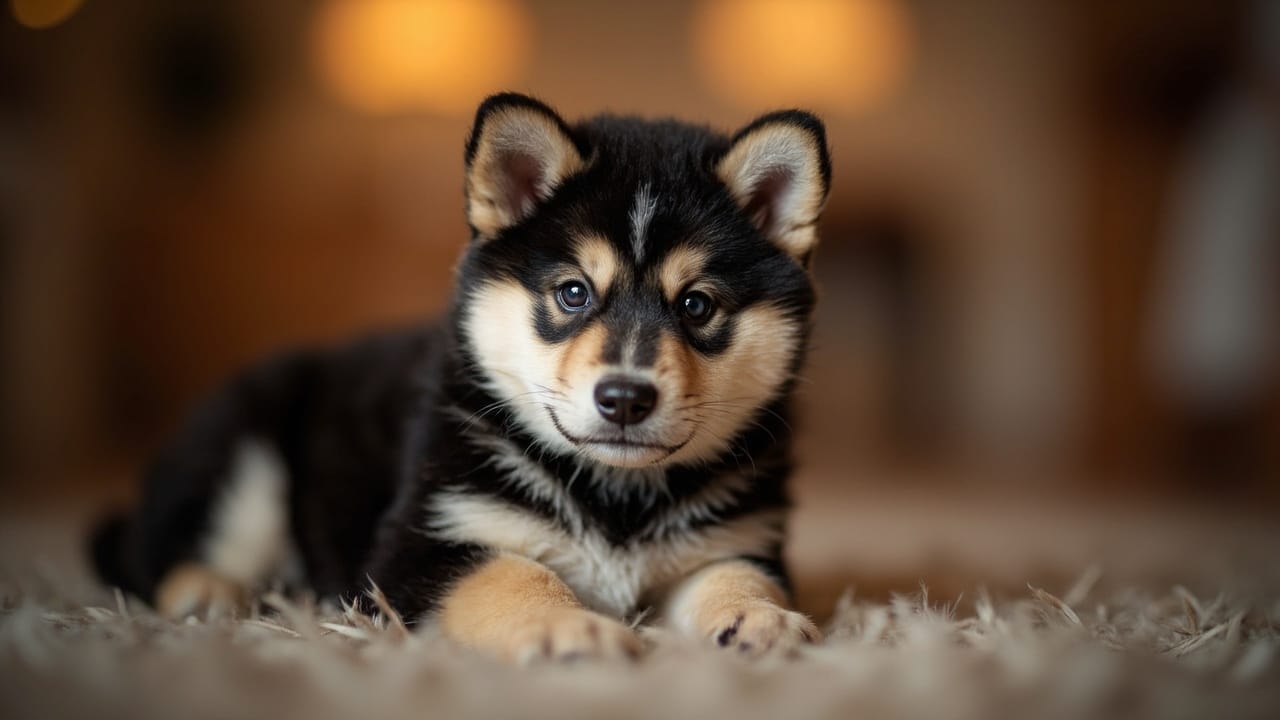
Should I Get a Shiba Inu If I Have a Cat? Honest Compatibility Guide
Yes, you can raise a Shiba Inu with a cat, but success depends on the individual dog's prey drive, early socialization, and careful introductions. Shibas are primitive hunting dogs with a strong chase instinct, so a slow, structured introduction is non-negotiable. Many Shibas live peacefully with cat housemates, especially when raised together from puppyhood.
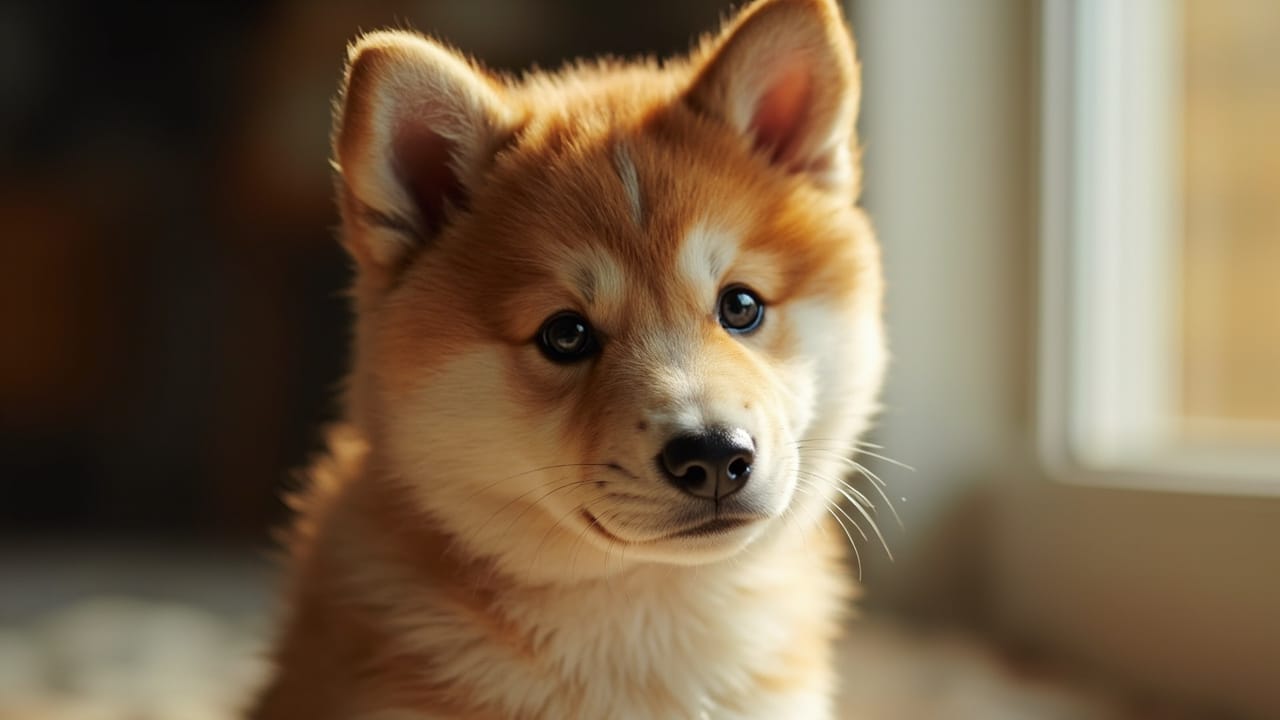
Should I Get a Shiba Inu If I Work Full Time? Honest Guide
You can own a Shiba Inu while working full time, but only if you commit to 2-3 hours of focused daily interaction, a secure physical environment, and reliable midday breaks. Shibas are independent but not low-maintenance — boredom, isolation, and under-socialization quickly turn into screaming, escape attempts, and destructive behavior.

Adopting a Rescue Shiba Inu: What to Know Before You Commit
Adopting a rescue Shiba Inu means welcoming a smart, independent, often misunderstood dog into a home prepared for strong prey drive, escape-artist tendencies, and a long 13–16 year commitment. Expect a vetting period of 2–4 weeks, possible behavioral baggage, and adoption fees of roughly $200–$600. Rescues are not for first-time owners, but for the right household they are one of the most rewarding ways to bring home a Shiba.

What Do You Need Before Bringing Home a Shiba Inu Puppy?
Before bringing home a Shiba Inu puppy, you need a secure home environment, breed-specific supplies, a vet relationship, and a plan for training and socialization. Shibas are escape artists with strong prey drives and a strong-willed temperament, so preparation focused on safety and structure is non-negotiable.

Shiba Inu Puppy Price: Why They Cost So Much & What's Fair
Shiba Inu puppies from reputable breeders typically cost $1,400–$2,500 in the US, with show-quality dogs reaching $3,500–$5,000. The price reflects health testing, small litter sizes (often 1–3 puppies), limited bloodlines, and the breeder's investment in genetic screening for conditions like hip dysplasia and glaucoma.

How to Spot a Shiba Inu Puppy Mill or Backyard Breeder (Red Flags)
Red flags include puppies sold before 8-10 weeks, no health testing for hips, patellas, and eyes, no pedigree or registration, multiple breeds available, and pressure to pay quickly. A reputable Shiba Inu breeder welcomes visits, shows OFA/CHIC paperwork, and screens buyers as carefully as you screen them.

Show-Quality vs Pet-Quality Shiba Inu: What's the Difference?
Show-quality Shiba Inu meet the breed standard closely enough to be competitive in conformation events and typically cost $3,500–$5,000+. Pet-quality Shiba Inu have minor cosmetic deviations (coat color, tail set, bite) that don't affect health or temperament and usually cost $1,400–$2,500. Both make equally loving companions; the difference is cosmetic and breeding potential, not health or personality.

How to Avoid Shiba Inu Deposit and Puppy Scams: A Buyer's Guide
Avoid Shiba Inu scams by never wiring money or paying deposits through apps like Zelle, Venmo, or Cash App. Always verify the breeder through NIPPO, AKC, or the National Shiba Club of America, insist on a video call, visit in person when possible, and only pay through traceable methods like credit cards after reviewing signed contracts and health clearances.
Shiba Inu Puppy Contract: 9 Clauses You Should Never Sign Without
A Shiba Inu puppy contract should clearly identify the puppy, both parents' health test results (OFA hips, patellas, eyes), a health guarantee of 12-24 months against genetic conditions, a spay/neuter or breeding clause, a return-to-breeder obligation, and a deposit/fees breakdown. If any of these are missing, walk away and find a more transparent Shiba Inu breeder.

Importing a Shiba Inu from Japan: Complete Owner's Guide
Importing a Shiba Inu from Japan requires buying from a registered Japanese breeder, confirming NIPPO or JKC pedigree, securing export pedigree and USDA/APHIS paperwork, booking IATA-compliant cargo with an approved pet carrier, and completing a 30-day CDC rabies titer or 6-month quarantine entry into the US. Total costs typically run $4,000–$8,500, plus 1–3 months of planning.
NIPPO vs AKC Shiba Inu Registration: Key Differences Explained
NIPPO is the Japanese parent club (Natural Monument-1936) that wrote the original Shiba Inu standard and focuses on preserving the breed's working type. AKC is the American registry that recognized the Shiba in 1992 and follows a slightly different standard and registration process. Both register purebred Shibas, but NIPPO prioritizes breed preservation events (Hozonkai), while AKC focuses on conformation shows and a global pedigree database.

Shiba Inu Pedigree and Registration: What It Really Means
A Shiba Inu pedigree is a documented family tree showing your dog's registered ancestors, typically going back 3-5 generations. Registration with bodies like AKC, NIPPO, or FCI provides verified proof of breed, lineage, and eligibility to compete in conformation, performance events, and breeding programs.

True First-Year Cost of Owning a Shiba Inu (2025 Breakdown)
Expect to spend roughly $3,800–$6,800 in your Shiba Inu's first year, with the puppy itself ($1,400–$5,000), core veterinary care ($400–$900), supplies ($300–$600), food ($300–$500), training ($150–$1,200), and grooming ($150–$300) making up the bulk. Budget toward the upper end if you choose a show-quality puppy from a champion-line breeder or live in a high-cost city.

Questions to Ask a Shiba Inu Breeder Before Buying a Puppy
A reputable Shiba Inu breeder will welcome health, genetics, and temperament questions. Ask for OFA/CHIC results on both parents, proof of socialization, written contracts with health guarantees, and references from past buyers. Walk away from anyone who cannot or will not provide documentation, lets puppies leave before 8-10 weeks, or always has puppies available.
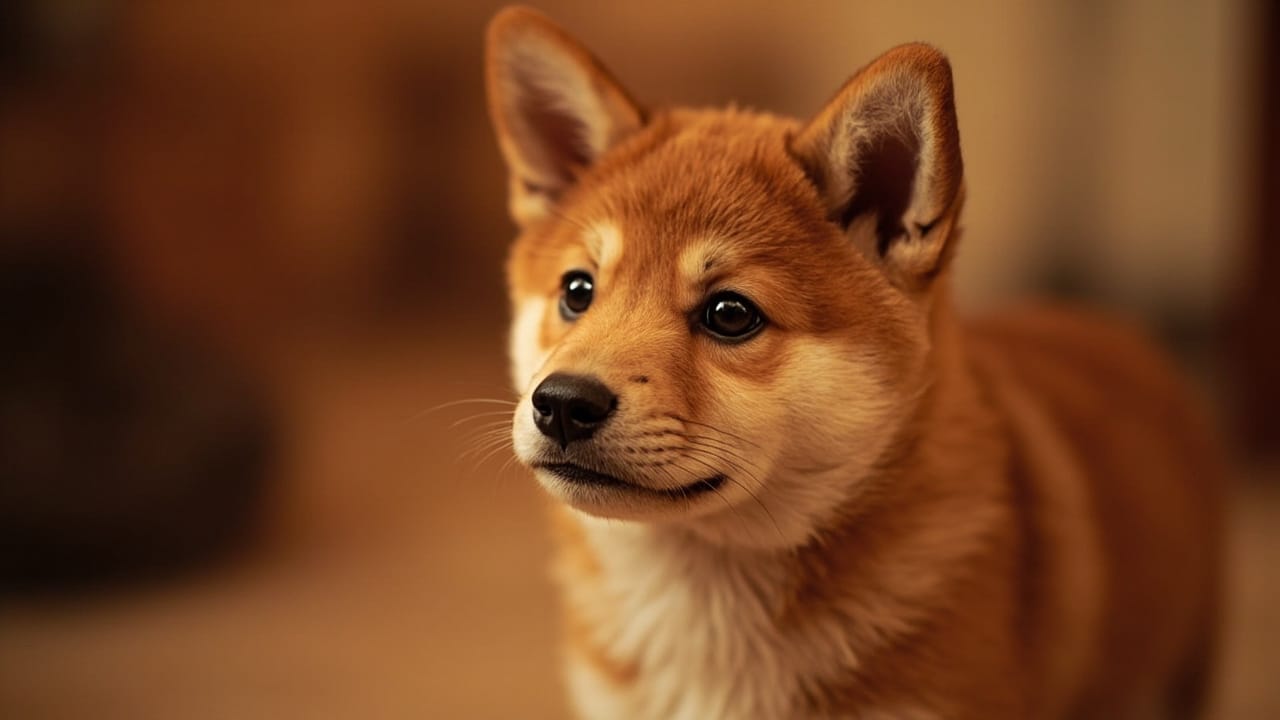
Mame Shiba Explained: Mini Shiba, Bean Shiba, and Why It's Controversial
A Mame Shiba is a selectively bred undersized Shiba Inu, typically 9-14 inches tall and 5-12 lbs, far smaller than the official breed standard. It is not recognized by any major kennel club, is controversial among reputable breeders, and is associated with significant health risks including patellar luxation and fragile bones.

Urajiro in Shiba Inu: What It Is and Why It Matters in the Breed Standard
Urajiro is the cream-to-white ventral marking required on every Shiba Inu — found on the cheeks, muzzle, chest, belly, inside of the legs, and underside of the tail. It is a mandatory trait in both the NIPPO and AKC breed standards and a defining visual feature of the breed's proper 'urajiro' expression. Without correct urajiro, a Shiba cannot earn championship titles in the conformation ring.

Shiba Inu Coat Colors Explained: Red, Black & Tan, Sesame & Cream
Shiba Inus come in four coat colors: red, black and tan, sesame, and cream. Red is the most common and recognizable, while all accepted colors must display urajiro — the cream-white markings on the cheeks, chest, belly, and inner legs required by the breed standard.

Where to Buy or Adopt a Shiba Inu: Breeders vs. Rescues
The two ethical paths to a Shiba Inu are a reputable breeder ($1,400–$3,500+) or a breed-specific rescue ($300–$500). Reputable breeders health-test parents for hips, patellas, and eyes (CHIC), while rescues offer adult dogs with known temperaments. Avoid pet stores, online listings, and anyone who cannot show you proof of health clearances.

How to Choose a Reputable Shiba Inu Breeder and Spot Puppy Mill Red Flags
A reputable Shiba Inu breeder health-tests breeding stock (OFA hips, patella, CERF/CAER eyes), raises puppies inside their home with early socialization, belongs to the national or breed club, and will happily show you everything. Red flags include no health testing, always-available puppies, multiple breeds on site, refusal to let you visit, and selling through pet stores or online shipping without interviews.
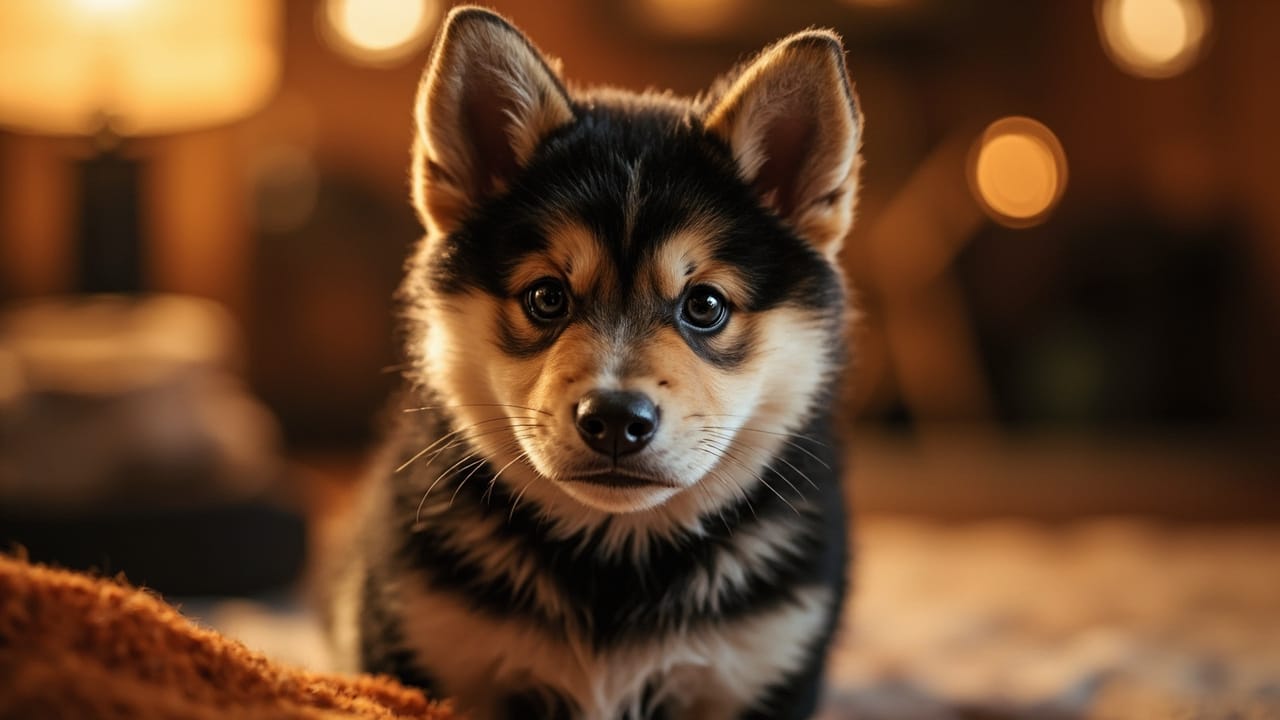
Shiba Inu Price: Complete 2024 Cost Breakdown for Buyers
A Shiba Inu from a reputable breeder costs $1,400 to $2,500 in the U.S., with show-quality puppies reaching $3,500 to $5,000. Adoption through a rescue runs around $300, while hidden costs like genetic testing, supplies, and first-year vet care can add another $1,500 to $2,500.