Shiba Inu Guides & Articles
Expert, well-sourced answers to every Shiba Inu question — care, training, health, cost and more.
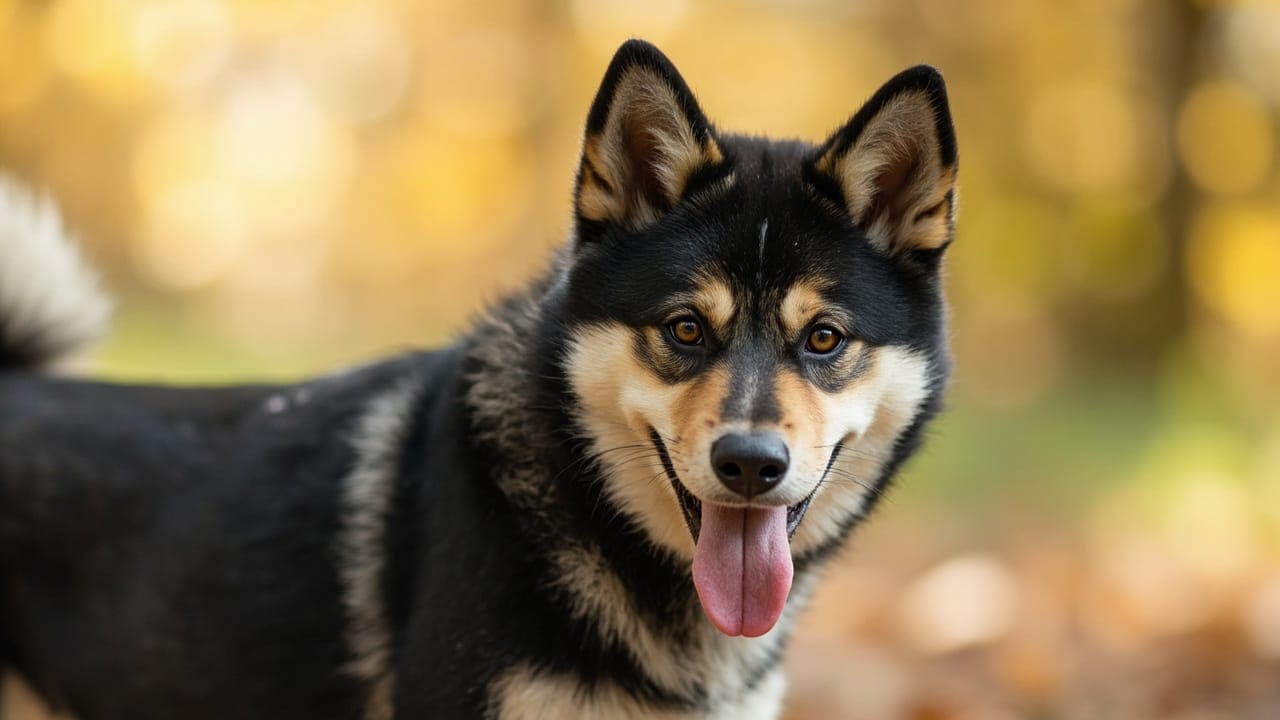
Mame Shiba vs. Japanese Spitz, Chin & Terrier: Full Comparison
The Mame Shiba is a miniaturized version of the Shiba Inu bred for smaller size, while the Japanese Spitz, Japanese Chin, and Japanese Terrier are all distinct, established breeds with their own histories, temperaments, and care needs. The Spitz is a fluffy white companion, the Chin is a toy lapdog of royal heritage, and the Terrier is a small, lively hunting dog.
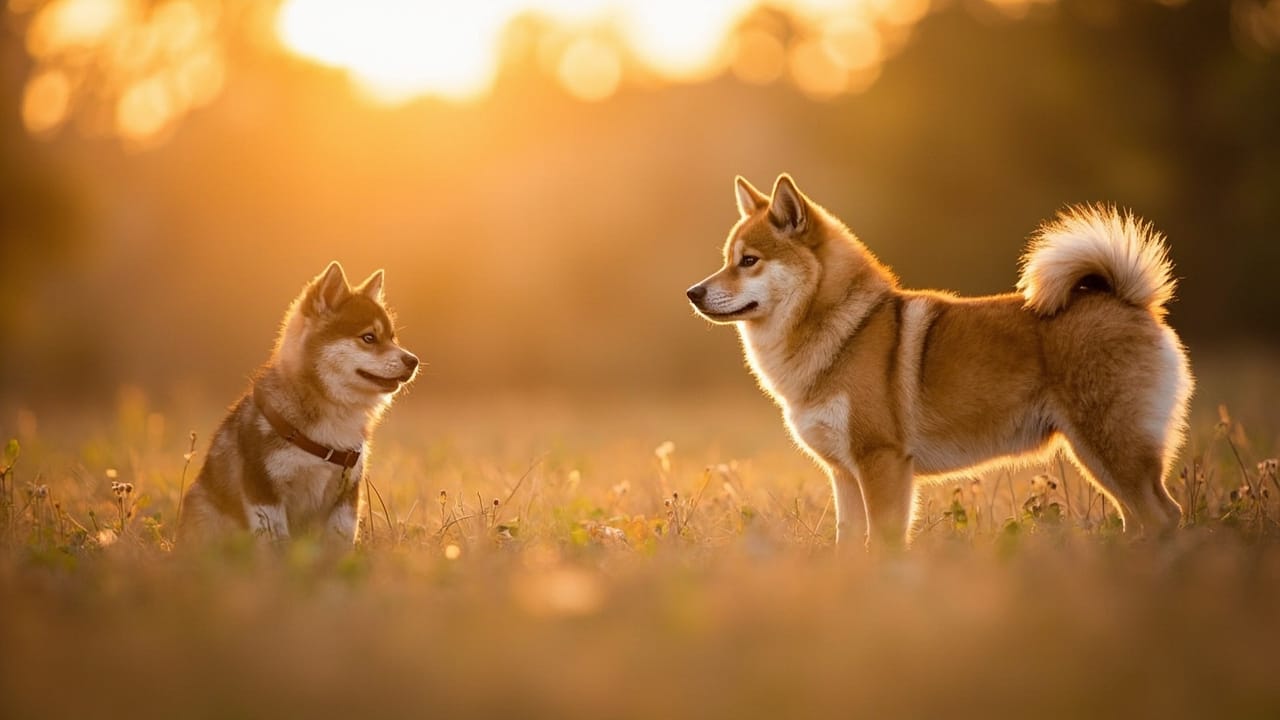
Mame Shiba vs Standard Shiba Inu: Size & Build Comparison
A Mame Shiba (also called a teacup or mini Shiba) typically stands 25–34 cm tall and weighs 3–7 kg, roughly half the size of a standard Shiba Inu. Standards measure 35–43 cm (males) or 33–41 cm (females) and weigh 8–10 kg. Mame Shibas share the same proportions and build but in a noticeably more compact package.
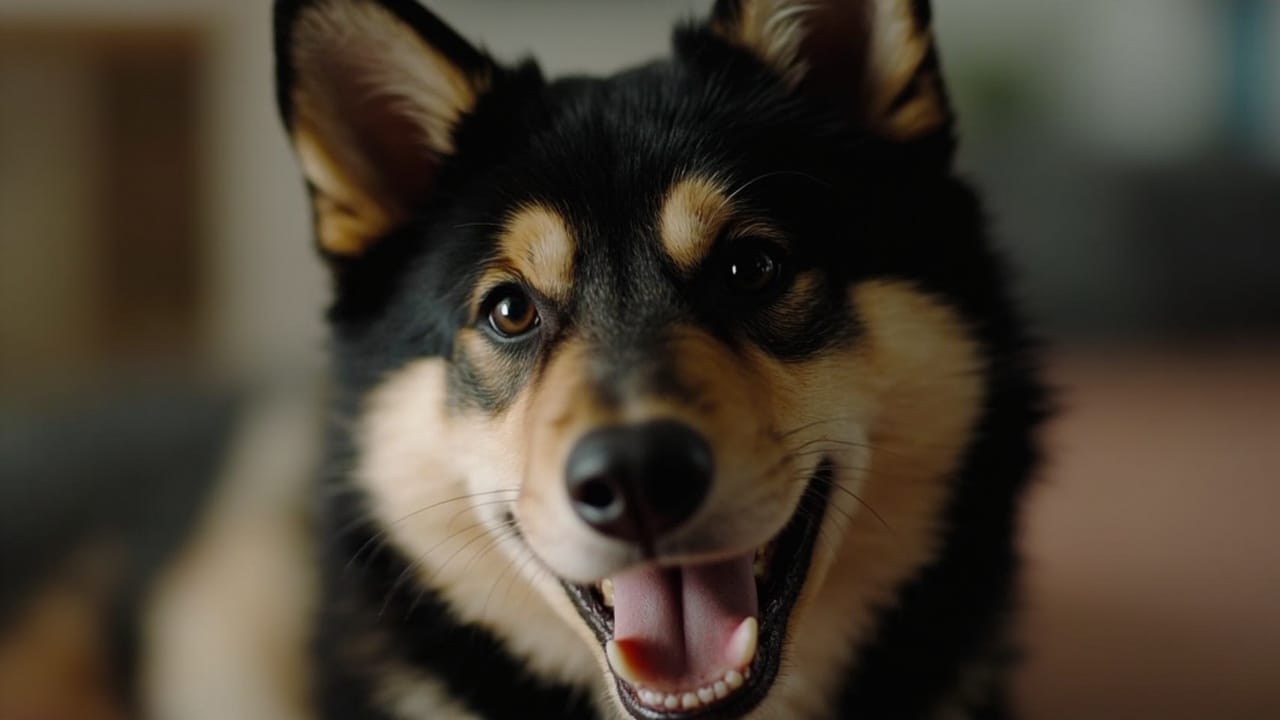
Mame Shiba vs Mini Shiba vs Teacup Shiba: Key Differences Explained
A Mame Shiba is the smallest naturally occurring Japanese size variety (often under 4 kg), while "Mini Shiba" is usually a marketing term for slightly undersized standard Shibas. "Teacup Shiba" is not a recognized size, usually refers to unhealthily small or crossbred dogs, and should be avoided.
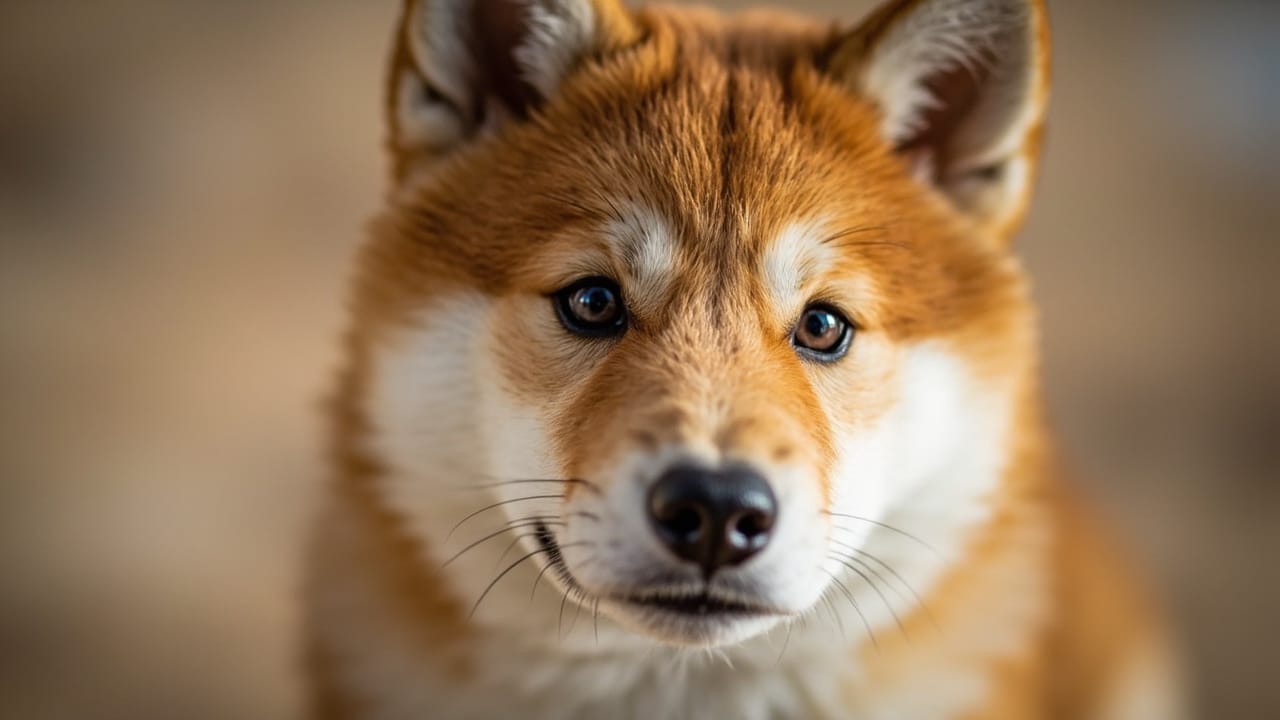
Mame Shiba vs. Runts: What's the Real Difference?
No, a Mame Shiba is not simply the runt of the litter. Mame Shiba is a selectively bred smaller variant of the standard Shiba Inu, typically standing under 33 cm (13 inches) and weighing 4-7 kg, produced through intentional breeding programs. Runts, by contrast, are puppies that fail to thrive due to size, health, or developmental issues, and they remain standard-sized Shibas once grown.
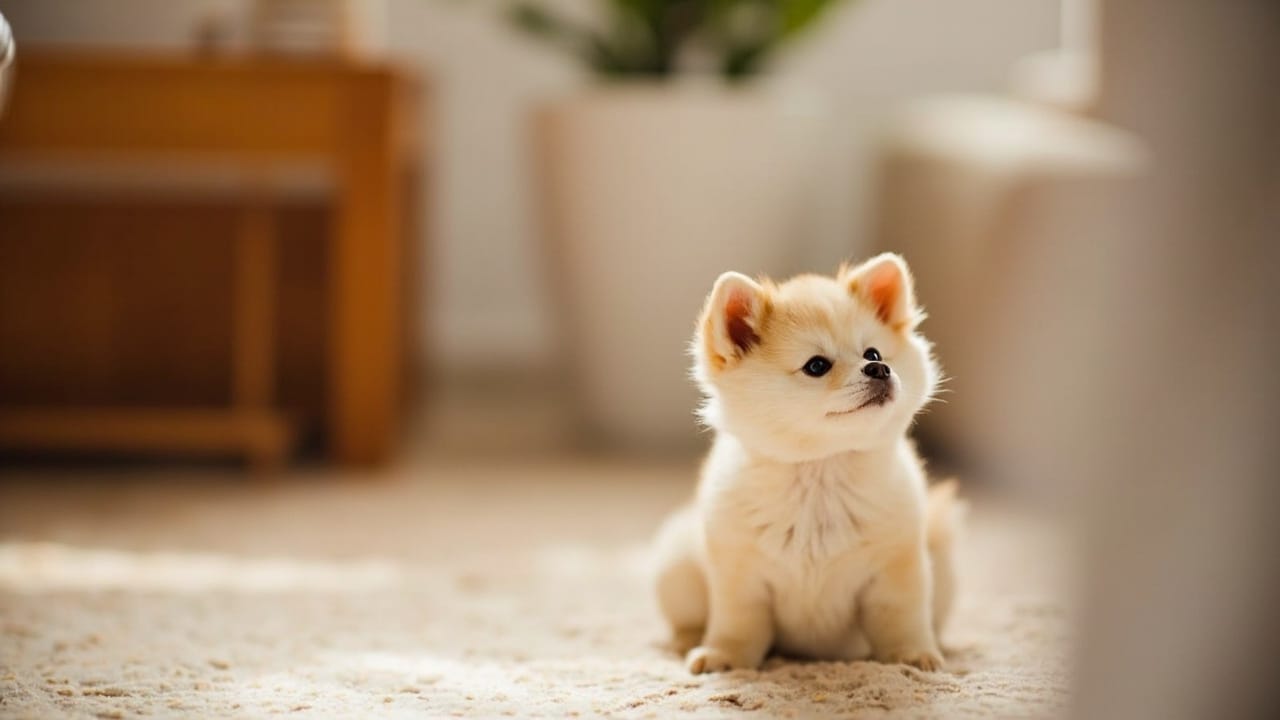
Mame Shiba: Real Breed or Just a Small Shiba Inu?
The Mame Shiba is not a separate AKC- or NIPPO-recognized breed — it is a miniaturized variant of the Shiba Inu, typically bred from the smallest runts of standard litters. While popular in Japan and increasingly in the West, Mame Shibas are not ethically endorsed by major kennel clubs and carry higher health risks than their full-sized counterparts.

Shiba Inu vs Korean Jindo: A Complete Breed Comparison
The Shiba Inu and Korean Jindo are both ancient spitz-type hunting dogs with fox-like looks, but they differ sharply in temperament, trainability, and availability. Shibas are independent companion dogs bred for flushing small game in Japan, while Jindos are intensely loyal pack guardians developed on an island off the Korean coast, often reserved with strangers and more serious in disposition.

Shiba Inu vs Kai Ken (Tora Dog): Key Differences Explained
The Shiba Inu and Kai Ken are both Japanese spitz-type breeds, but they differ in size, temperament, and rarity. Shibas are smaller (8-10 kg), more independent, and far more common globally, while Kai Kens are medium-sized (14-18 kg), more pack-oriented, and remain a rare breed even in Japan.

Shiba Inu vs Hokkaido Dog: A Complete Breed Comparison
The Shiba Inu and Hokkaido are both ancient Japanese spitz-type dogs, but they differ notably in size, build, and temperament. Shibas are smaller (8-10 kg), more independent, and far more common worldwide, while Hokkaidos are medium-sized (20-30 kg), pack-oriented, and remain rare outside Japan. Both share the classic urajiro markings, prick ears, and a strong prey drive.

Shiba Inu vs Kishu Ken: Key Differences Explained (2025 Guide)
The Shiba Inu and Kishu Ken are both ancient Japanese spitz-type dogs, but the Shiba is smaller and more fox-like, while the Kishu is larger, calmer, and traditionally white. Shibas are far more common worldwide; Kishu Kens remain rare even in their native Japan.