Shiba Inu Guides & Articles
Expert, well-sourced answers to every Shiba Inu question — care, training, health, cost and more.
Can I Let My Shiba Inu Off-Leash Legally Across Europe? (2024 Guide)
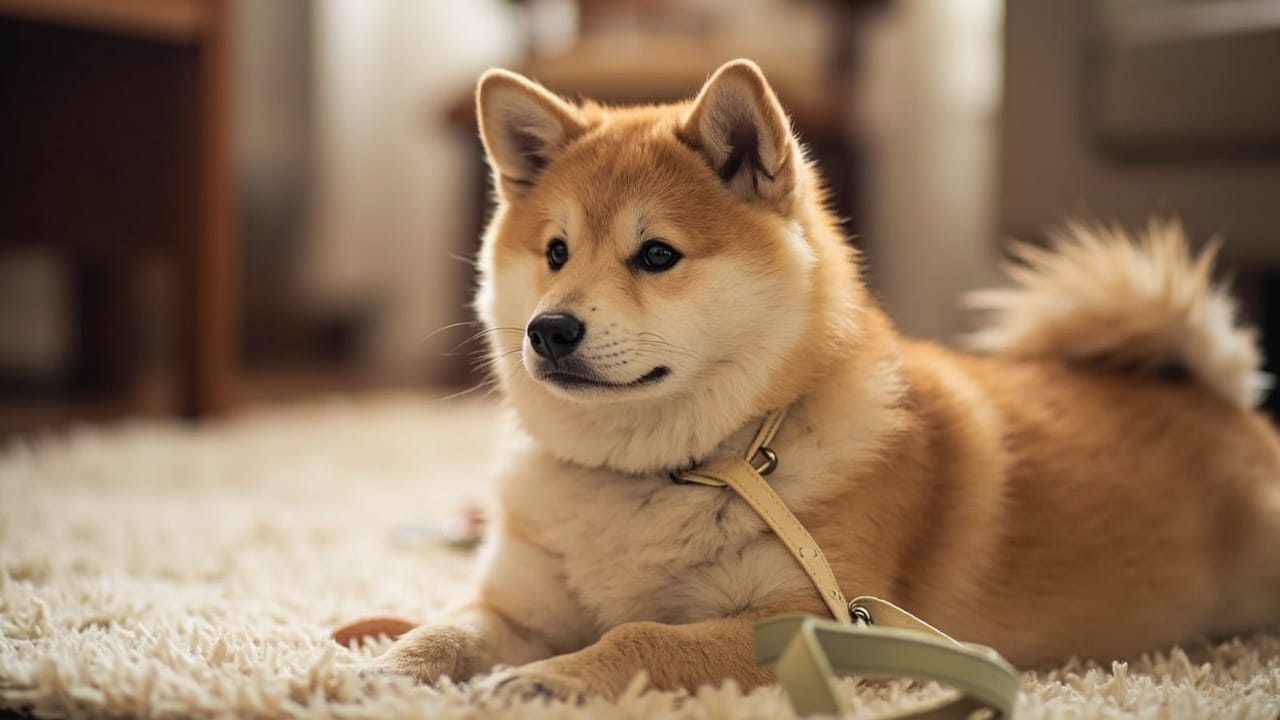
In most European countries, you are legally required to keep your Shiba Inu on a leash in public urban areas, parks, and near roads. Leash-free walking is generally only permitted in designated off-leash zones (Hundwiese, parcours canin, Área de esparcimiento canino) and on marked hiking trails where local rules allow it. Fines for off-leash violations typically range from €35 to over €500 depending on the country and severity.
Did Switzerland's Dog Training Law Apply to Shiba Inu Owners?
Yes. Switzerland's 2008 Hundeverordnung (Canine Ordinance) and the related cantonal laws applied to every dog owner in the country, including Shiba Inu owners. The law required dogs posing a heightened risk to pass a behavioral test (SKN/Sachkundenachweis for handlers and Hundeführerschein equivalent for dogs) and mandated basic obedience training, with certain breeds, including Shiba-sized Spitz-type dogs, falling under stricter rules in multiple cantons.
Does a Shiba Inu Need a Hundeführerschein Dog Licence in Germany?
No, Shiba Inus are not on any restricted list in Germany and therefore do not require a mandatory Hundeführerschein. However, several German states (Länder) and municipalities have introduced voluntary dog licence exams, and responsible ownership is strongly encouraged nationwide. If you travel or relocate, local rules vary by state and city.
How to Stop a Shiba Inu Puppy from Biting and Nipping
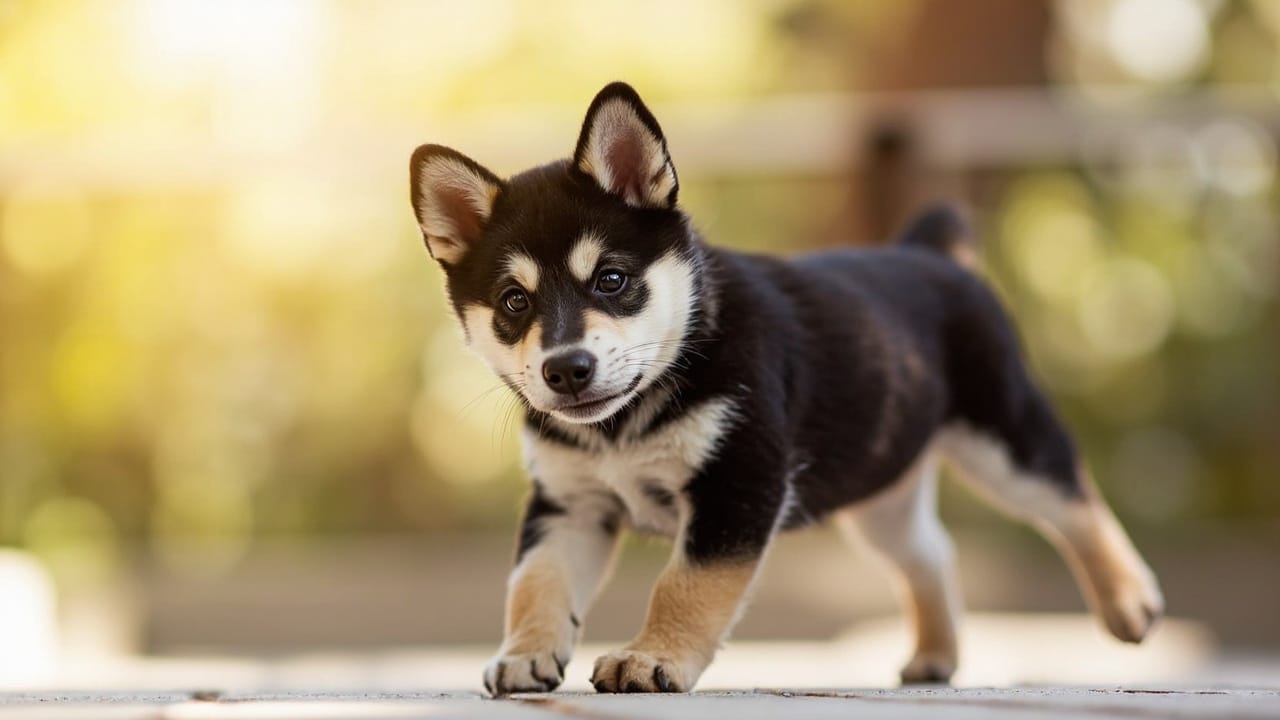
Stop a Shiba Inu puppy from biting by withdrawing attention the instant teeth touch skin, redirecting the bite onto a toy, and reinforcing calm mouths with treats. Shibas are an independent, prey-driven breed, so consistency, daily bite-inhibition drills, and plenty of aerobic exercise are non-negotiable. Most puppies stop nipping hard by 5–6 months if every family member follows the same rules.

Leash Training a Shiba Inu That Pulls: A Step-by-Step Guide
Shiba Inus pull on leash because they're a strong, independent, prey-driven Spitz breed built to move through brushwood. Leash training works by stopping forward motion the instant the leash goes tight, rewarding attention beside you, and using a front-clip harness or standard 6-foot leash — never a choke, prong, or shock collar. Consistency over 2-4 weeks typically produces a calm, loose-leash walker.

Teaching a Shiba Inu Reliable Recall and Off-Leash Skills
Reliable off-leash reliability is uncommon in Shiba Inus due to strong prey drive and an independent nature, but it is achievable with high-value rewards, foundational obedience, and long-term proofing in distracting environments. Most Shibas will only earn true off-leash freedom after 12-24 months of consistent training in securely fenced areas first.

How to Crate Train a Shiba Inu: A Step-by-Step Guide
Crate train a Shiba Inu by choosing a wire or plastic crate sized to your dog (standing height + 2-4 inches), introducing it as a positive den with treats and meals, and building duration gradually. Most Shibas accept the crate within 1-3 weeks if you never use it as punishment and respect their independent nature.

Fun Tricks to Teach Your Shiba Inu: 12 Smart Games This Breed Loves
Shiba Inus learn fun tricks fastest when sessions are short, reward-based, and tap into their independent, food-motivated nature. Start with name recognition, spin, paw, and 'sit pretty' — then progress to retrieve, tidy-up, and scent games. Keep sessions under 5 minutes and end on a win to work with, not against, the Shiba's famously stubborn streak.
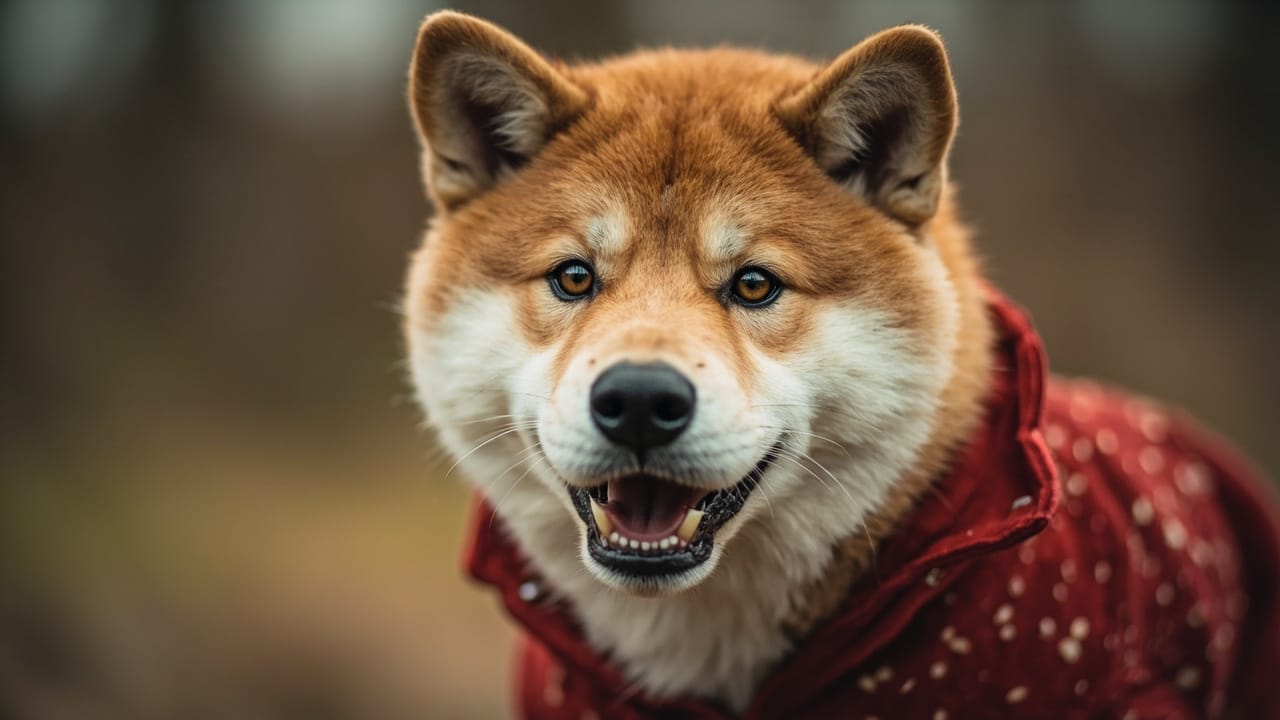
What Tricks Can You Teach a Shiba Inu? 9 Smart Tricks
Shiba Inus can learn a wide range of tricks, from basics like sit and paw to advanced skills like fetch, spin, and even tidy-up routines. Their high intelligence and problem-solving ability make them capable learners, though their independent, stubborn nature means short, reward-based sessions work far better than repetition-heavy drills.

How to Teach a Shiba Inu to Step Into a Harness Calmly
Teaching a Shiba Inu to step calmly into a harness relies on desensitization, luring with high-value treats, and shaping the behavior in short, positive sessions. Because Shibas are independent and sensitive, force-free methods work far better than pushing or restraining the dog. Most Shibas learn the routine within 1–2 weeks of consistent 3–5 minute daily practice.

How to Tire Out a Shiba Inu Indoors: 7 Proven Activities
Tire out a Shiba Inu indoors with 15-30 minute bursts of scent work, flirt-pole sprints, stair runs, puzzle feeders, and structured training sessions. The key is mixing high-intensity play with mental enrichment, because a tired Shiba body comes from a tired Shiba mind.
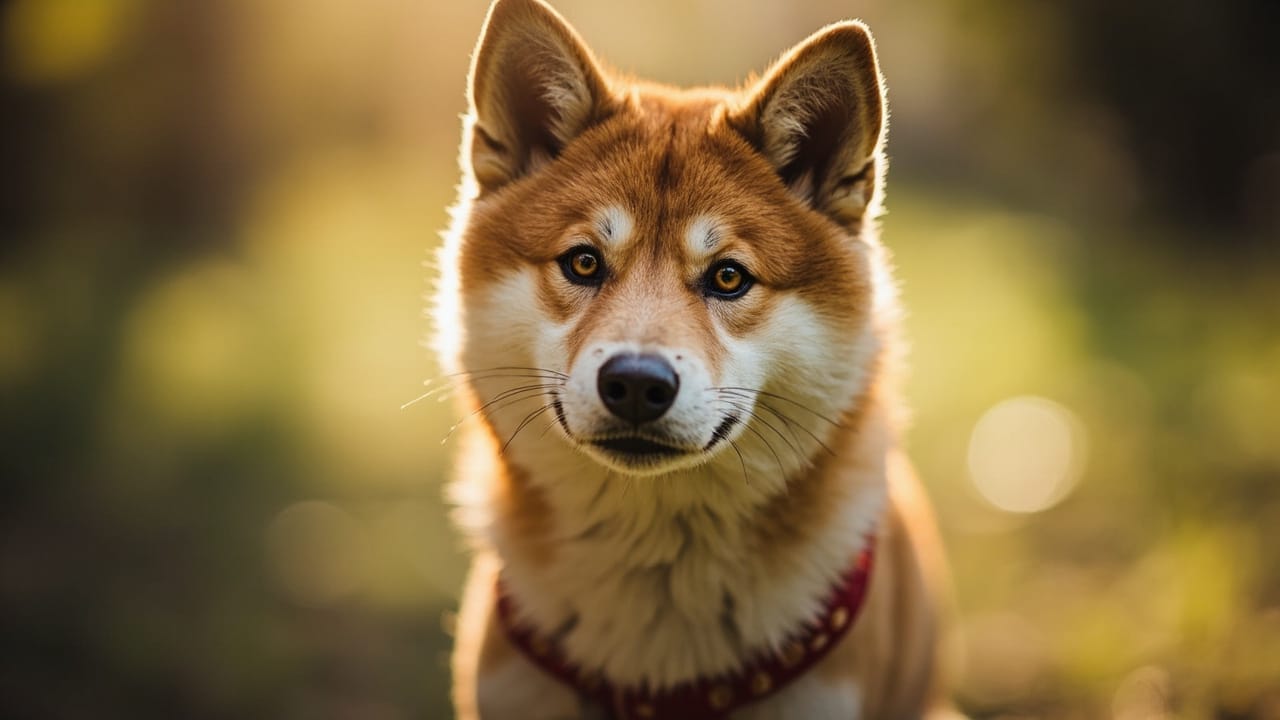
How to Calm Down a Hyper Shiba Inu: 7 Proven Techniques
Calm a hyper Shiba Inu by combining daily physical exercise (45–60 min) with structured mental enrichment, consistent obedience cues, and a predictable 'capturing calm' routine. Skip punishment — Shibas shut down or escalate — and instead reward four-on-the-floor behavior. Most overstimulation cases resolve within 2–3 weeks once the routine is locked in.

Leash-Training an Adult Rescue Shiba Inu: Step-by-Step Guide
Adult rescue Shibas can absolutely learn to walk politely on a leash, but they need patience, consistency, and the right equipment. Use a front-clip harness or standard harness (never a prong or choke), reward loose-leash behavior with high-value treats, and keep early sessions to 5-10 minutes in a low-distraction area. Most rescue Shibas show real improvement within 2-4 weeks of daily practice.

How to Crate Train a Shiba Inu: A Step-by-Step Guide
Crate train your Shiba Inu by making the crate a positive, never-punished space: feed meals inside, toss high-value treats in, start with very short sessions, and never force entry. Shibas are independent and clean by nature, so they typically learn to tolerate — even enjoy — a crate faster than most breeds when you respect their autonomy and protect their den instinct.

How to Stop a Shiba Inu From Counter Surfing: A Practical Guide
Shiba Inus counter surf because they're smart, food-motivated, and athletic enough to reach high surfaces. The fix is a combination of management (removing access), consistent training ('leave it' and 'off' commands), and removing rewards so the behavior stops paying off.

How to Teach Your Shiba Inu to Ring a Potty Bell: Step-by-Step Guide
To teach a Shiba Inu to ring a potty bell, hang the bell at nose-height on the door you use for outings, reward every contact with a high-value treat, then add a verbal cue ("touch" or "potty") and only open the door after the bell rings. Most Shibas learn the full chain in 1–3 weeks of consistent short sessions, though their independent streak means you must reward generously and never punish mistakes.

How to Desensitize Your Shiba Inu to Nail Clippers: A Step-by-Step Guide
Desensitizing a Shiba Inu to nail clippers takes 2–6 weeks of patient, positive-repetition training. Start by rewarding your dog for simply looking at the clippers, then progress to touching the clippers, then paws, and finally pairing the clipper sound with treats — never forcing the first clip. Shibas are notoriously independent, so short daily sessions (2–5 minutes) beat long ones.

How to Introduce Two Shiba Inus: A Step-by-Step Guide
Introduce two Shiba Inus on neutral territory with both dogs leashed, walking them parallel before allowing a controlled sniff. Keep sessions short, reward calm behavior with high-value treats, and never force interaction — Shibas are independent and same-sex pairings, especially females, often clash. Expect a multi-week adjustment period before the dogs are fully integrated.
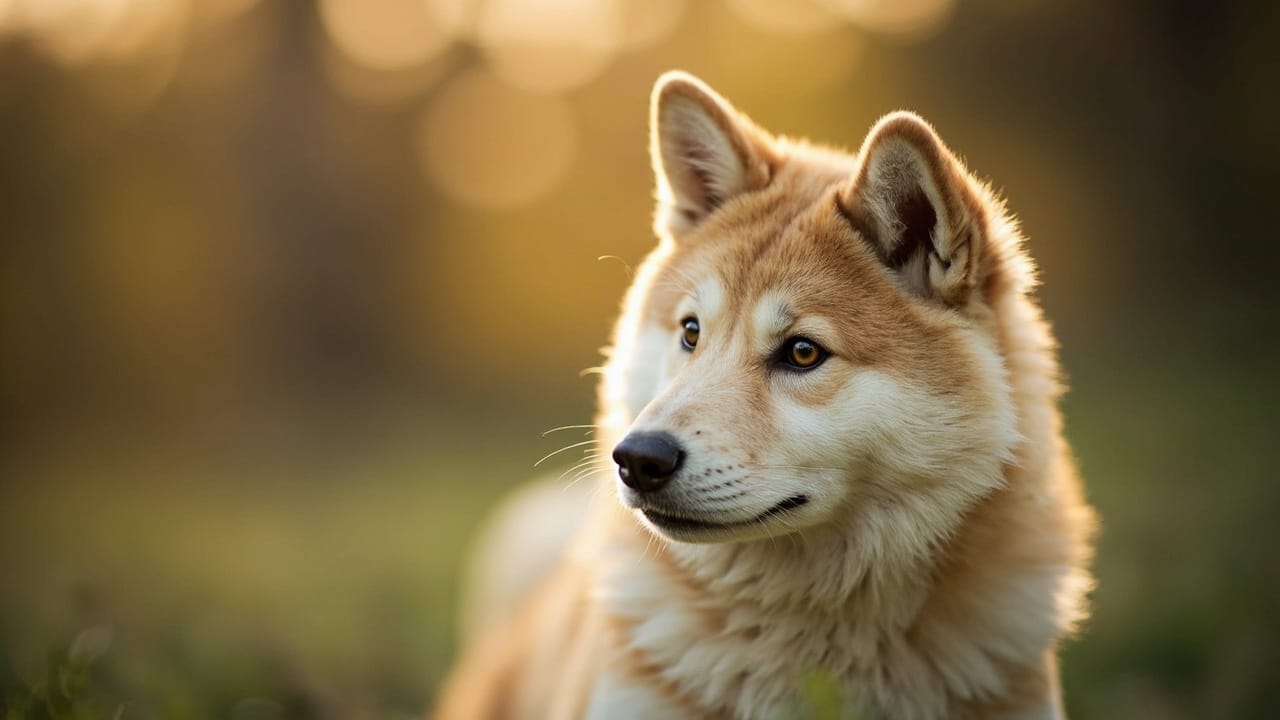
Shiba Inu Adolescent Phase: Survival Guide for the Rebellious Months
The Shiba Inu adolescent phase typically runs from 6 to 18 months and is marked by selective hearing, boundary-testing, and bursts of the 'Shiba 500.' Survive it by reinforcing recall, doubling enrichment, protecting your property from escape attempts, and staying calm and consistent — most Shibas settle noticeably by 2 to 3 years.

How to Stop a Shiba Inu From Door-Dashing and Escaping
To stop a Shiba Inu from door-dashing, you need a layered system: a secure physical barrier (gate, leash, or crate), a rock-solid recall and 'wait' command reinforced with high-value rewards, and a consistent protocol where the door never opens until your Shiba is calm. Shibas are escape artists bred for independence, so management matters as much as training.
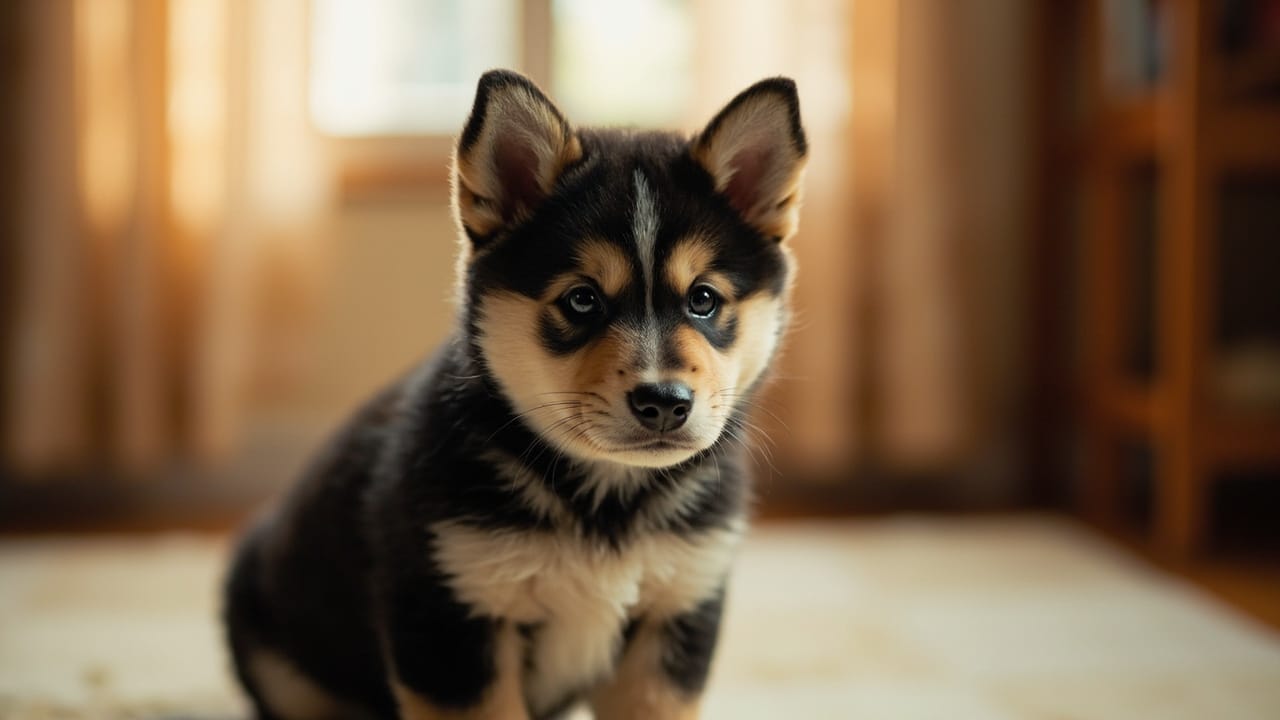
First-Week Training Schedule for a Shiba Inu Puppy: Day-by-Day Plan
A solid first-week Shiba Inu training plan focuses on three 5-minute sessions per day, covering name recognition, crate comfort, potty training, and a foundational 'sit'. Keep sessions short, reward-driven with high-value treats, and end every session before your puppy wants to quit. This short, consistent structure respects the Shiba's independent nature and prevents the stubbornness that derails most new owners.

How to Discipline a Shiba Inu Without Making It Worse: A Realistic Guide
Disciplining a Shiba Inu means managing the environment, reinforcing desired behavior, and never using physical or intimidating punishment. Shibas are a sensitive, self-governing breed, so harsh corrections damage trust and worsen problems like resource guarding and reactivity. Positive reinforcement, consistency, and patience are not optional with this breed — they are the only method that works.
How to Build Impulse Control in a Shiba Inu: A Complete Guide
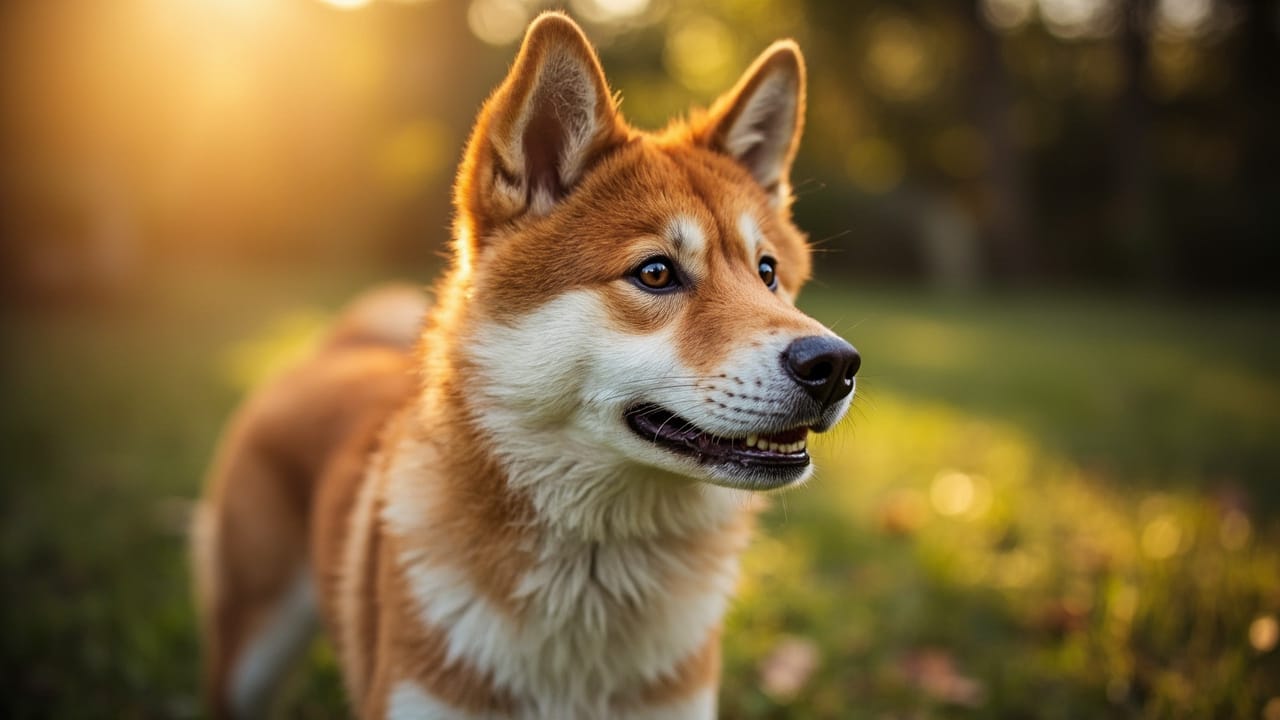
Impulse control in a Shiba Inu is built through daily structured exercises like 'wait,' 'leave it,' and 'stay,' combined with reward-based training and consistent management of the environment. Because Shibas are an independent, ancient breed with strong prey drive, training sessions must be short, positive, and repeated often — most owners see reliable results within 8-12 weeks of consistent practice.

Best Mental Stimulation and Puzzle Games for a Shiba Inu
The best mental stimulation for a Shiba Inu combines scent work, treat-dispensing puzzles, and short problem-solving games (10–20 minutes). Because Shibas are an intelligent but independent breed, rotate activities frequently and pair puzzles with reward-based training to prevent boredom and the 'Shiba 500.'

How to Fix Leash Reactivity in a Shiba Inu: A Step-by-Step Plan
Leash reactivity in Shiba Inus is fixed by teaching a new emotional response to triggers, not by pulling harder. Use desensitization and counter-conditioning with high-value treats, maintain a 'threshold distance' where your Shiba notices but doesn't explode, and reward calm behavior. Most Shibas improve within 4-12 weeks of consistent training.

How to Leash Train a Shiba Inu Puppy: A Step-by-Step Guide
Leash training a Shiba Inu puppy relies on positive reinforcement, short frequent sessions, and a properly fitted harness, because Shibas are independent, prey-driven, and famously reluctant to walk on a leash. Start indoors, reward every step beside you, and gradually add distractions before expecting a calm walk in public. Consistency for the first 8-12 weeks is what turns a stubborn puppy into a reliable walking partner.

How to Teach a Shiba Inu the 'Leave It' Command: Step-by-Step Guide
Teaching a Shiba Inu 'leave it' relies on impulse-control games, high-value rewards, and consistency. Because Shibas are independent and easily bored, short sessions and a reward that beats the distraction are essential for reliable results.

How to Teach a Shiba Inu to Sit and Stay: A Step-by-Step Guide
Teach a Shiba Inu to sit by luring with a treat held above the nose, then marking and rewarding the moment the rear hits the floor. Build a reliable stay by starting with one-second durations in a low-distraction room and gradually adding distance, duration, and distractions while using a clear release word like 'okay.'

Clicker Training a Shiba Inu: A Step-by-Step Guide That Actually Works
Clicker training a Shiba Inu works by pairing a small click sound with a treat to mark the exact moment your dog performs a desired behavior, then gradually shaping more complex actions. Shibas respond well because the method is precise, fair, and lets their independent mind opt in rather than obey out of fear. Keep sessions short, use high-value treats, and always click first, then reward.

Best Recall Games to Teach a Shiba Inu to Come When Called
Shiba Inus are notoriously independent, so recall training must feel like a game they want to win. The best recall games pair their strong prey drive and food motivation with short, high-value reward bursts, building a reflex to spin toward you no matter what else is happening. Rotate 3-5 games daily and you can override the 'I'll come when I feel like it' Shiba attitude in 4-8 weeks.

How to Stop a Shiba Inu From Jumping on People: Proven Training Plan
Stop a Shiba Inu from jumping by ignoring the jump (turn away, no eye contact, no touch) and rewarding four paws on the floor. Consistency from every visitor is non-negotiable, because one reinforced jump keeps the habit alive. Add a daily 'sit-for-greetings' protocol and a pre-emptive exercise routine to drain prey-drive energy before guests arrive.

How to Stop a Shiba Inu from Marking Indoors (Complete Guide)
Stop a Shiba Inu from marking indoors by spaying or neutering first, then combining a strict cleaning routine (enzyme-based cleaners only), close supervision on a leash, immediate interruption with a sharp 'no,' and a reliable 'go potty' command rewarded at the correct spot. Consistency for 2–6 weeks resolves most marking in this naturally clean breed.

How to Stop a Shiba Inu From Digging Up the Yard
Stop a Shiba Inu from digging by giving it 60–90 minutes of daily exercise, offering a designated digging pit filled with loose soil, supervising yard time, and removing temptation (rodents, freshly tilled earth). Consistency matters more than punishment, because the Shiba's drive to dig is genetic, not spiteful.

Dealing with Shiba Inu Separation Anxiety: A Complete Guide
Shiba Inu separation anxiety is managed through gradual desensitization, crate training, and consistent alone-time routines. Because Shibas are an independent but strongly bonded breed, they often improve fastest with short, repeated absences paired with high-value rewards and enrichment. Most cases resolve within 4–12 weeks of structured training.

Shiba Inu Barking at Night: Causes and How to Stop It
Shiba Inus are naturally quiet dogs and rarely bark without reason, so nighttime barking usually signals an unmet need—hunger, boredom, anxiety, pent-up energy, or a genuine alert. Identify the trigger first (need vs. alert vs. behavior), then address it with a predictable routine, evening enrichment, crate training, and ignoring demand barking.

How to Stop a Shiba Inu Puppy from Biting and Nipping
Shiba Inu puppies bite and nip because biting is how they explore the world and because Shibas are an ancient, primitive breed with a naturally strong prey drive and quick reflexes. Stop the biting by redirecting onto toys, ending play the instant teeth touch skin, and staying consistent for the first 6-8 months until the phase passes.

How to Stop a Shiba Inu From Pulling on the Leash
Stop a Shiba Inu from pulling by teaching a structured loose-leash program: use a front-clip harness or standard 6-foot leash (never a retractable), reward eye contact and a slack leash at your hip, and stop moving the instant the leash goes tight. Consistency for 2–4 weeks produces reliable results, though this independent breed will still test you for life.

Best Training Methods for Shiba Inus: A Complete Guide
Shiba Inus respond best to positive reinforcement training that respects their independent, cat-like nature. Short, reward-based sessions using high-value treats and consistent boundaries outperform punishment-based methods, which damage trust and often trigger stubborn shutdown. Early socialization and a confident, calm handler are non-negotiable for raising a well-mannered Shiba.

Crate Training a Shiba Inu: A Step-by-Step Guide
Crate training a Shiba Inu works by making the crate the most positive space in your dog's life through small, reward-based steps over 1–3 weeks. Because Shibas are independent and notoriously clean, they often take to crates faster than many breeds — provided you never use the crate as punishment.

Can You Train a Shiba Inu Off-Leash? Recall and Prey Drive
Yes, a Shiba Inu can be trained off-leash, but success is not guaranteed and depends heavily on individual temperament, prey drive strength, and the quality of early socialization and training. Most Shibas will never be 100% reliable off-leash in open or unfenced areas, and many experienced owners keep them leashed or in secured enclosures for safety.

How to Stop Shiba Inu Resource Guarding and Food Aggression
Shiba Inu resource guarding and food aggression respond best to a desensitization and counter-conditioning program: trade up with higher-value items, teach a strong 'drop it' and 'leave it,' manage the environment to prevent triggers, and never punish a guarding dog. Most Shibas improve within 4-8 weeks of consistent work, though the breed's independent nature means progress is rarely linear.

How to Socialize a Shiba Inu Puppy: The Critical 16-Week Window
Socializing a Shiba Inu puppy means safely exposing them to dozens of new people, dogs, environments, sounds, and surfaces between 3 and 16 weeks of age. It is critical because Shibas are genetically aloof, alert, and prone to reactivity, fear aggression, and same-sex dog aggression, so early socialization is the only reliable way to raise a confident, stable adult dog.

How to Potty-Train a Shiba Inu Puppy: A Complete Guide
Potty-train a Shiba Inu puppy using a strict schedule, constant supervision, and immediate rewards for outdoor elimination. Most Shiba Inu puppies are reliably house-trained by 4-6 months, though the breed's independent nature can add 1-2 months compared to easier breeds.

Are Shiba Inus Hard to Train? The Honest Owner Guide
Shiba Inus are widely considered one of the harder dog breeds to train because of their independent, cat-like temperament. They are not stubborn for the sake of it — they were bred to hunt alone in the mountains of Japan and make decisions without human direction. With short, reward-based sessions, early socialization, and consistent boundaries, most Shibas learn basic obedience and house rules, but they will never be an eager-to-please Labrador.