Shiba Inu Guides & Articles
Expert, well-sourced answers to every Shiba Inu question — care, training, health, cost and more.
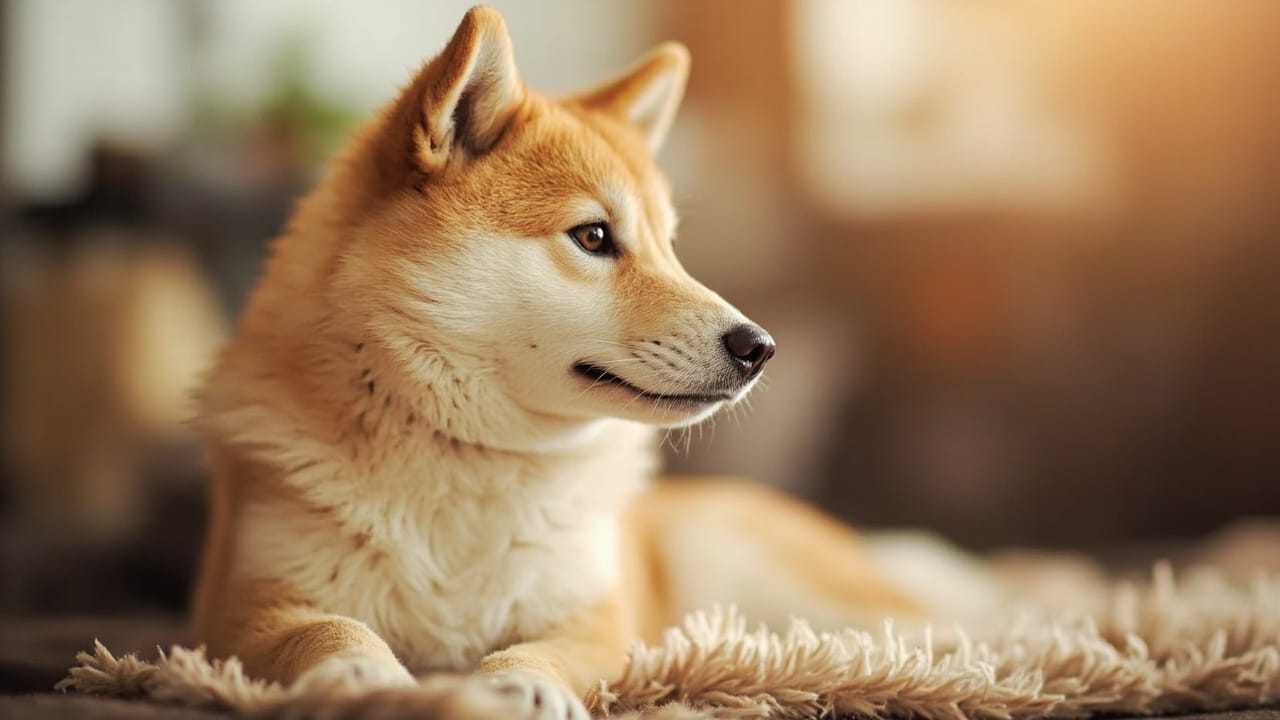
Mame Shiba Lifespan: Do They Live as Long as Standard Shibas?
Mame Shibas live 13–16 years on average, the same range as standard Shiba Inu. Their smaller size does not significantly extend or shorten lifespan, and they benefit from the same health screening protocols, including OFA hips, patella evaluation, and annual eye exams.
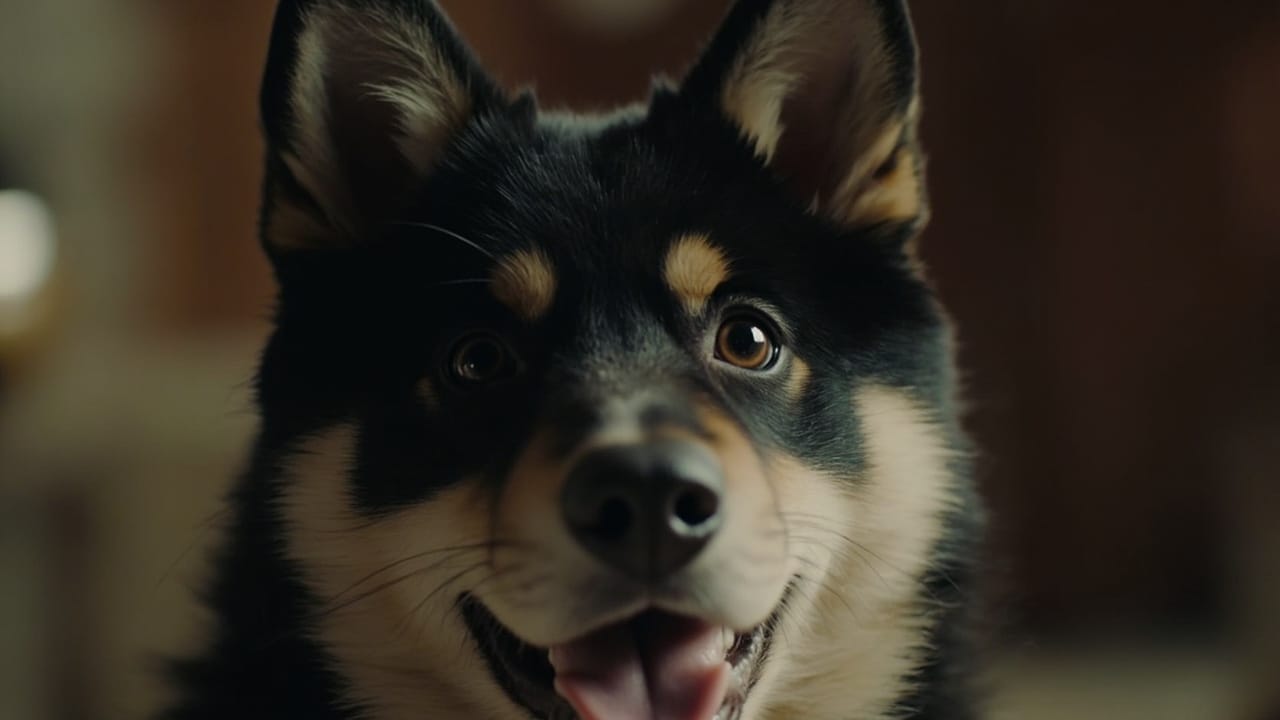
Dwarfism in Shiba Inus: Genetic Condition vs. Intentionally Breeding Small
True canine dwarfism is a genetic condition caused by a growth-hormone or skeletal-development mutation, producing disproportionate, short-legged dogs with specific health risks. Intentionally breeding the smallest dogs in a litter to create a "miniature" or "teacup" line is selective breeding for runts, not dwarfism, and brings its own serious health and ethical problems. The Shiba Inu has no recognized dwarf variety, and both approaches deviate from the breed standard.
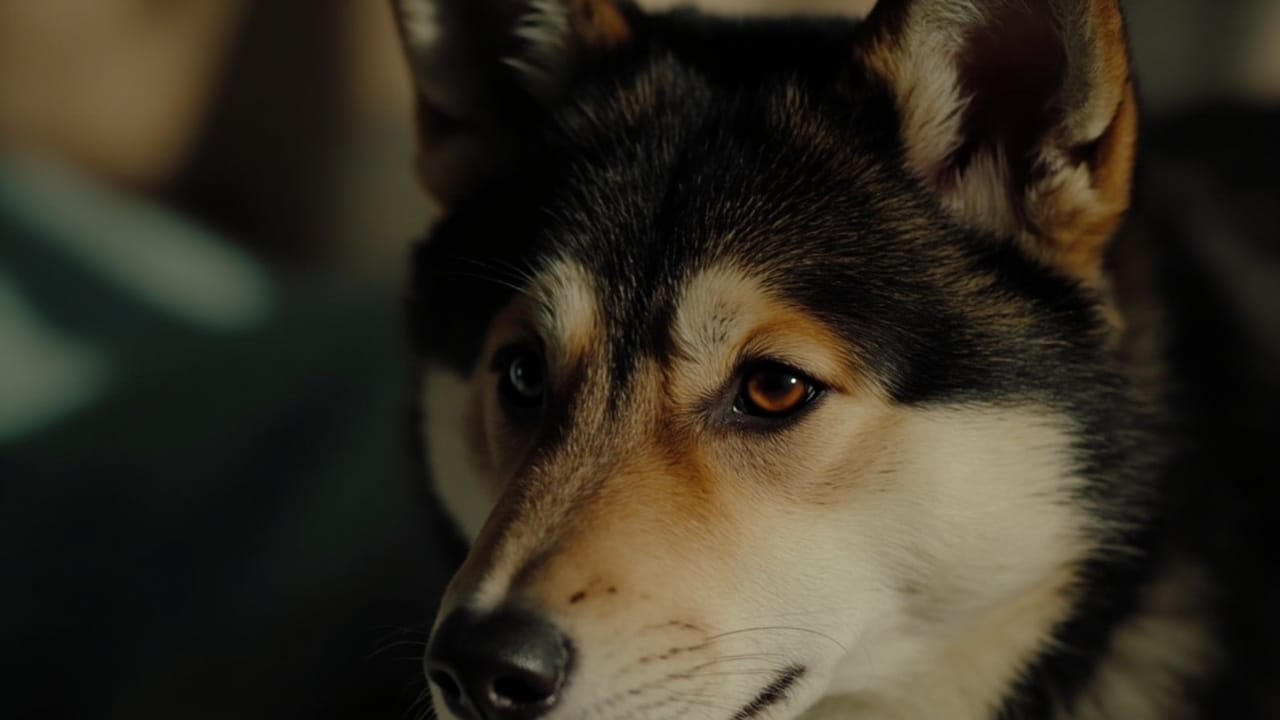
Do Miniature Shibas Have More Dental, Joint, and Birthing Problems?
Miniature Shibas are not a recognized variety of the Shiba Inu breed, so they are essentially mixed-breed dogs or undersized Shibas bred from runts. As such, they do not have documented, predictable breed-specific health profiles, but they are widely considered to carry higher risks of dental crowding, luxating patella, and dystocia because of their small size and narrow breeding pools.
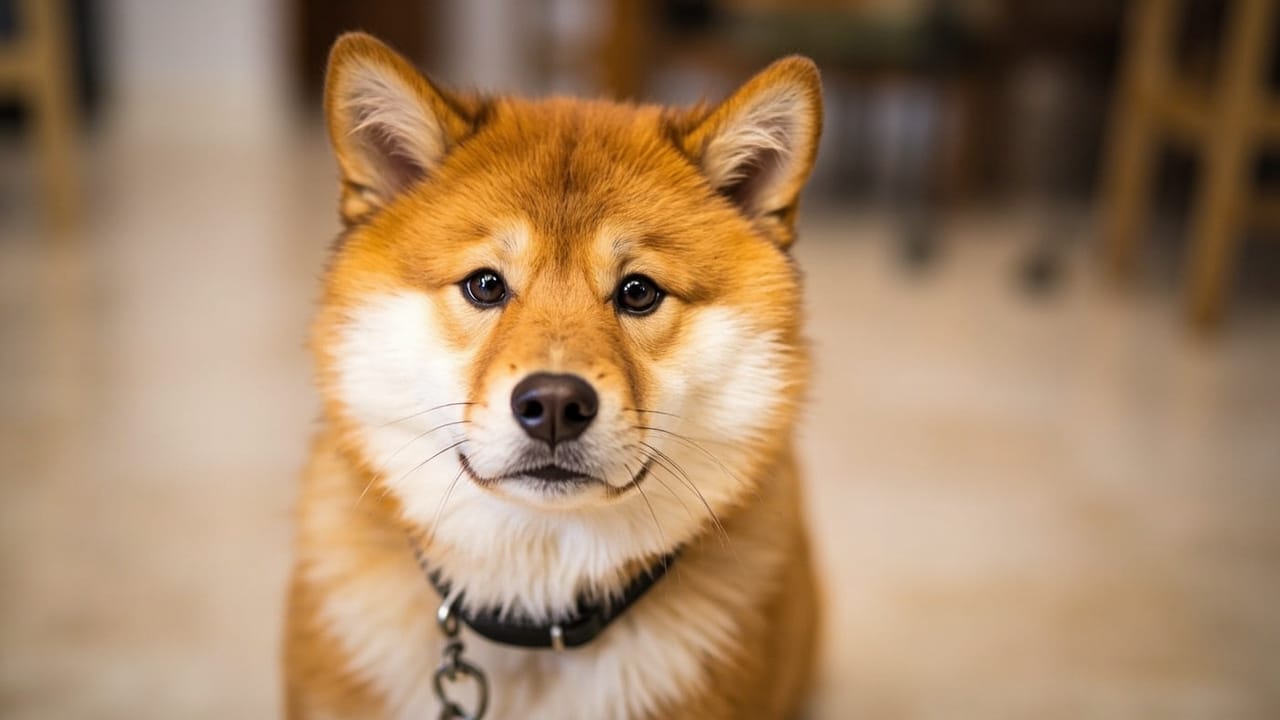
Canine Pituitary Dwarfism: Breeds, Causes, and DNA Testing
Canine pituitary dwarfism is a rare genetic disorder caused by a mutation in the LHX3 gene (and in some breeds the GHRH receptor gene) that prevents the pituitary gland from producing growth hormone. It occurs most often in German Shepherds but is also documented in Karelian Bear Dogs, Saarloos Wolfdogs, Czechoslovakian Wolfdogs, Tibetan Mastiffs, and a handful of other breeds. Definitive diagnosis is made through DNA testing, supplemented by IGF-1 blood levels, growth hormone stimulation tests, and pituitary imaging.
Mame & Miniature Shiba Health Problems: Complete Guide
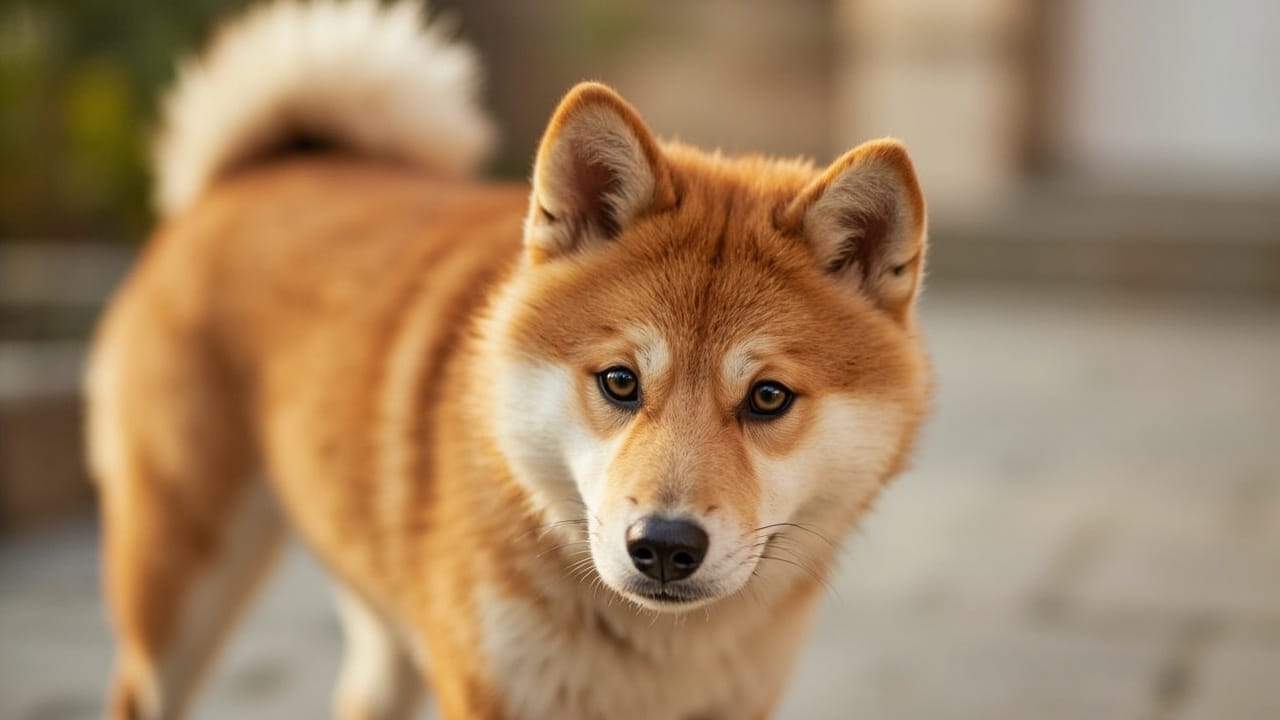
Mame and miniature Shibas share the same genetic health risks as standard Shiba Inu, including luxating patella, hip dysplasia, primary closed-angle glaucoma, cataracts, and atopic dermatitis, plus an elevated risk of dwarfism-related skeletal and joint disorders. Their smaller size does not make them healthier, and they are not officially recognized by NIPPO or AKC, so screening is the buyer's responsibility.
How Are Mame Shibas Bred Down to Such a Small Size?
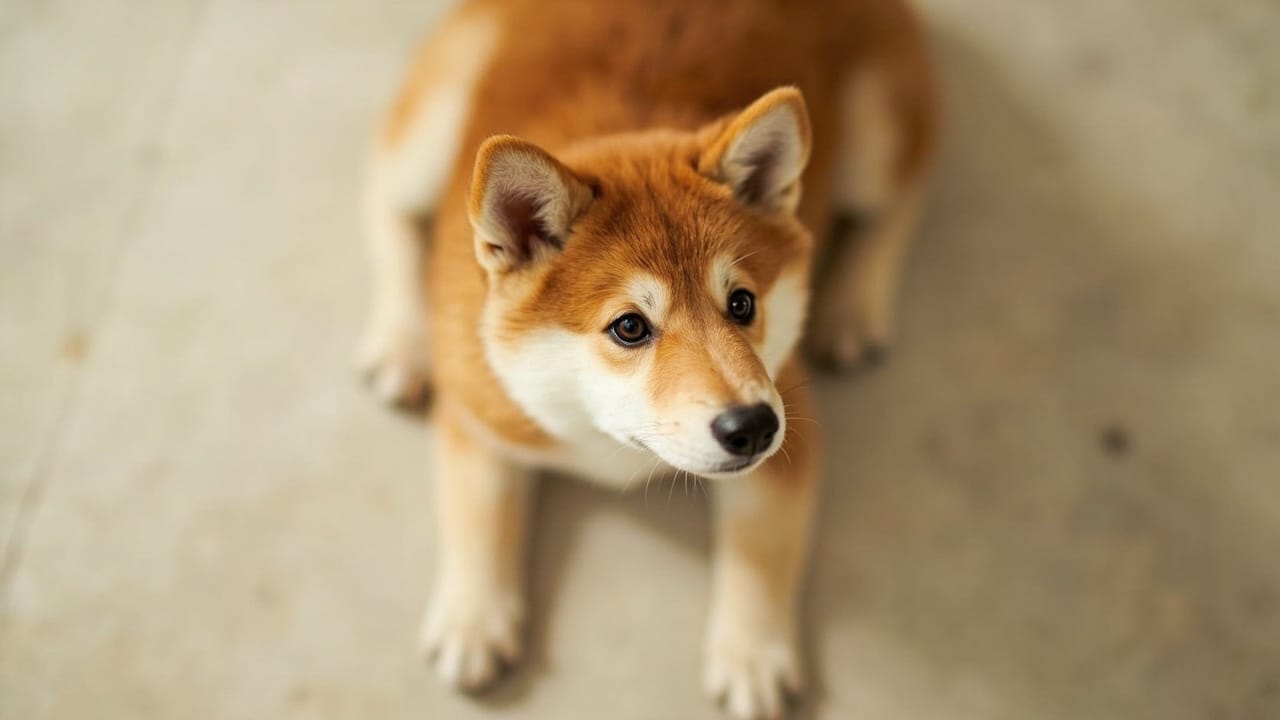
Mame Shibas are bred down to their tiny size (under 4 kg / about 9 lbs) by selectively pairing the smallest runts of standard Shiba Inus over many generations, not by crossbreeding with another breed. Breeders identify the smallest puppies — often called "mame" (bean-sized) — and breed them only with other small Shibas, gradually concentrating the genes for small stature over 4 to 6 generations.
Core Vaccination Costs for Shiba Inus in Europe (2025 Guide)
Core vaccinations for a Shiba Inu in Europe typically cost between €40 and €85 per shot in 2025, with the full puppy series (distemper, hepatitis, parvovirus, leptospirosis) totaling roughly €160 to €340. Rabies adds another €25 to €55, while the first-year package often ranges from €190 to €395 depending on country and clinic type.
Cost to Neuter a Shiba Inu in Europe (2025 Price Guide)
Neutering a Shiba Inu in Europe typically costs between €80 and €350. Low-cost clinics in countries like Spain, Germany, and the UK charge €80–€150, while full-service private veterinary hospitals in Scandinavia, Switzerland, and the UK range from €200–€350. The final price depends on your dog's weight, anesthesia protocol, and pre-op bloodwork.
Shiba Inu Vet Costs in France: 2024 Price Guide
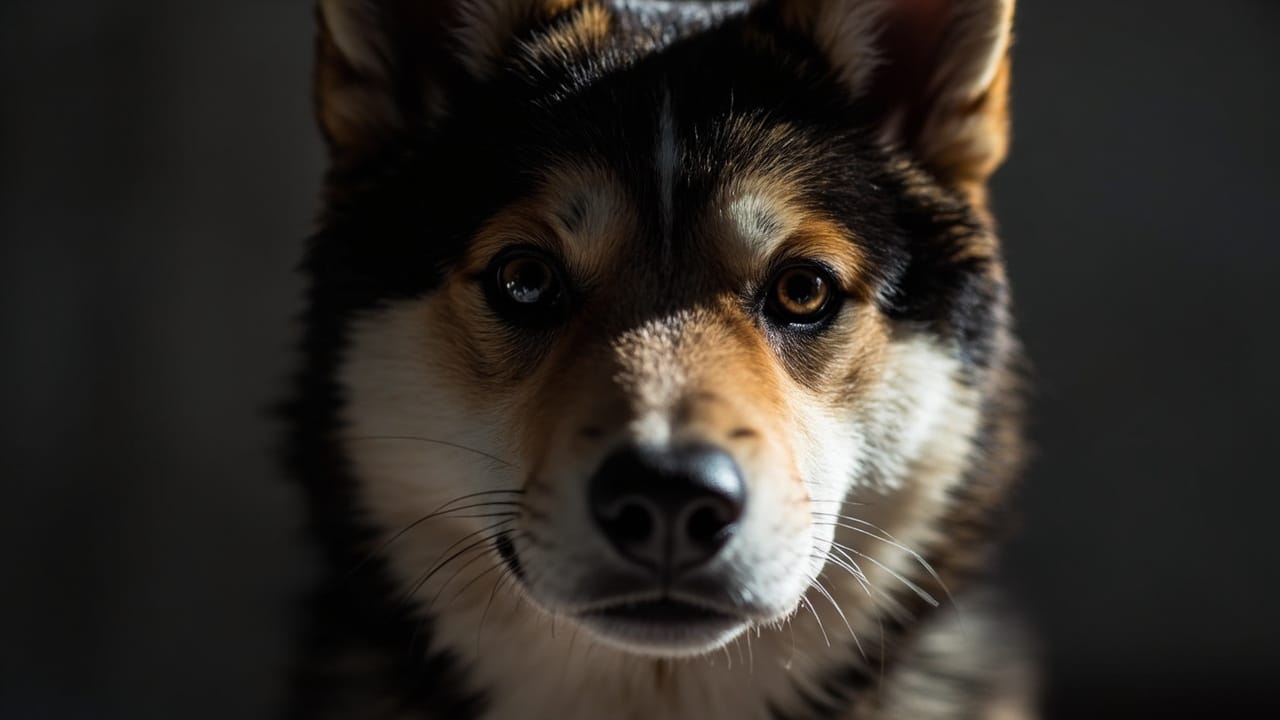
Vet costs for a Shiba Inu in France typically range from €50–€70 for a routine consultation, €80–€150 for vaccinations, and €300–€900 for common procedures like dental cleaning. Annual preventative care usually totals €400–€700, while chronic conditions (allergies, glaucoma, hip issues) can push yearly costs to €1,500–€3,000+.
Shiba Inu UK Vet Costs: A Complete Annual Breakdown
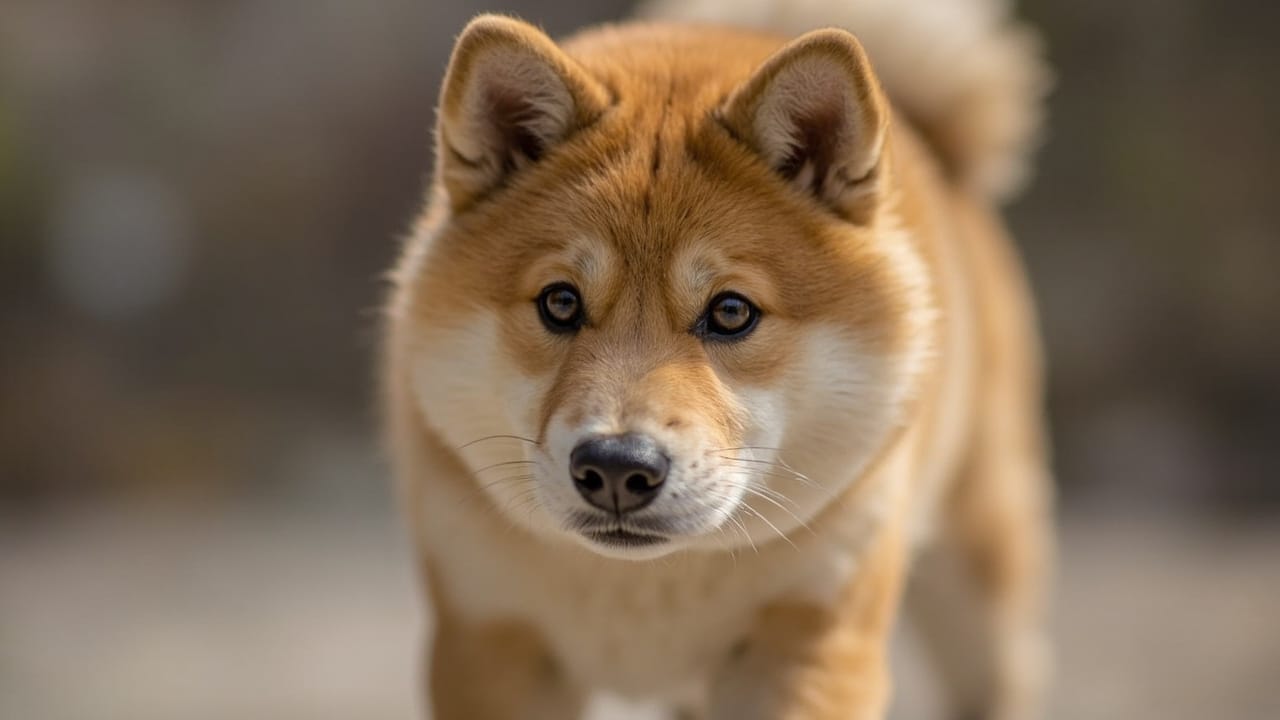
Routine vet costs for a Shiba Inu in the UK typically run £500–£1,200 per year, covering vaccinations, parasite prevention, annual check-ups, and dental care. Puppies in the first year cost more (£800–£1,500) due to initial vaccinations and neutering. Healthy adults average £30–£60 per month for prevention alone.
Shiba Inu Vet Visit Costs in Germany (2025 Price Guide)
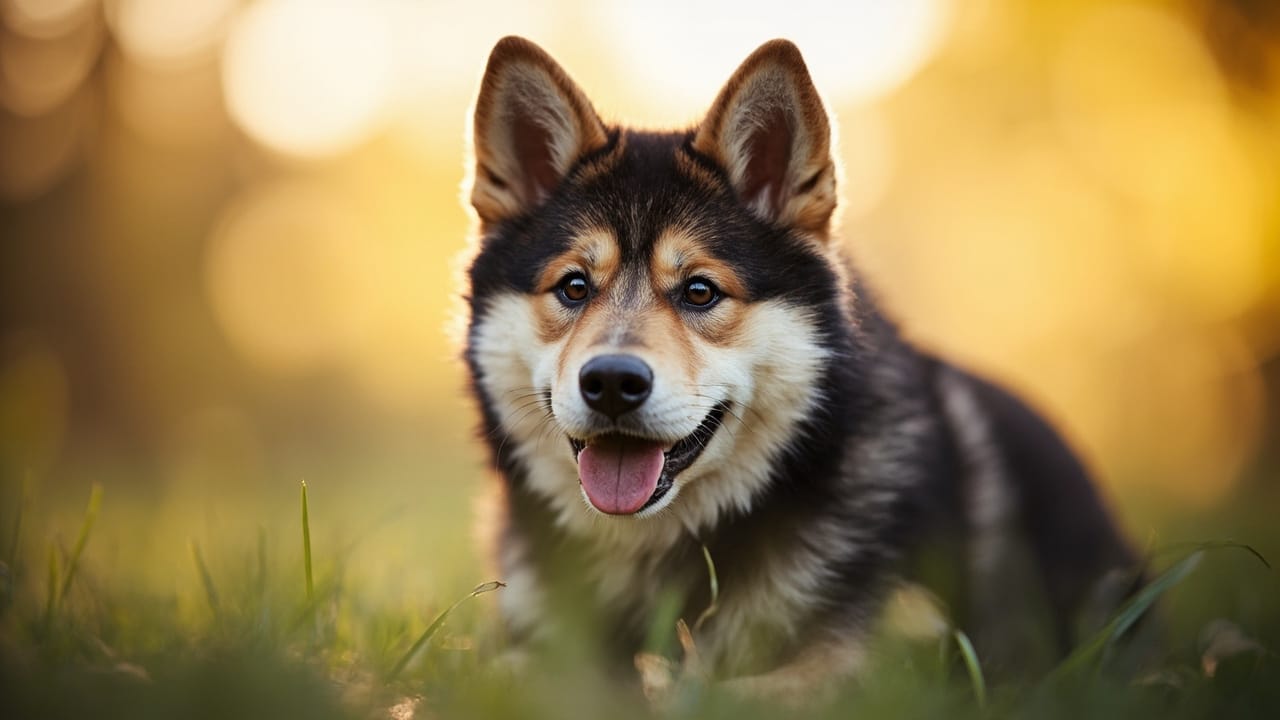
Vet visits for a Shiba Inu in Germany typically cost €40-€80 for a routine check-up, with annual total healthcare expenses ranging from €300-€700 for healthy adults and €800-€2,000+ for puppies, seniors, or dogs with chronic conditions like allergies or glaucoma. Germany uses the GOT (Gebührenordnung für Tierärzte) fee schedule, which legally sets minimum and maximum veterinary charges.
Sandfly and Tick Prevention for Shiba Inus in Southern Europe
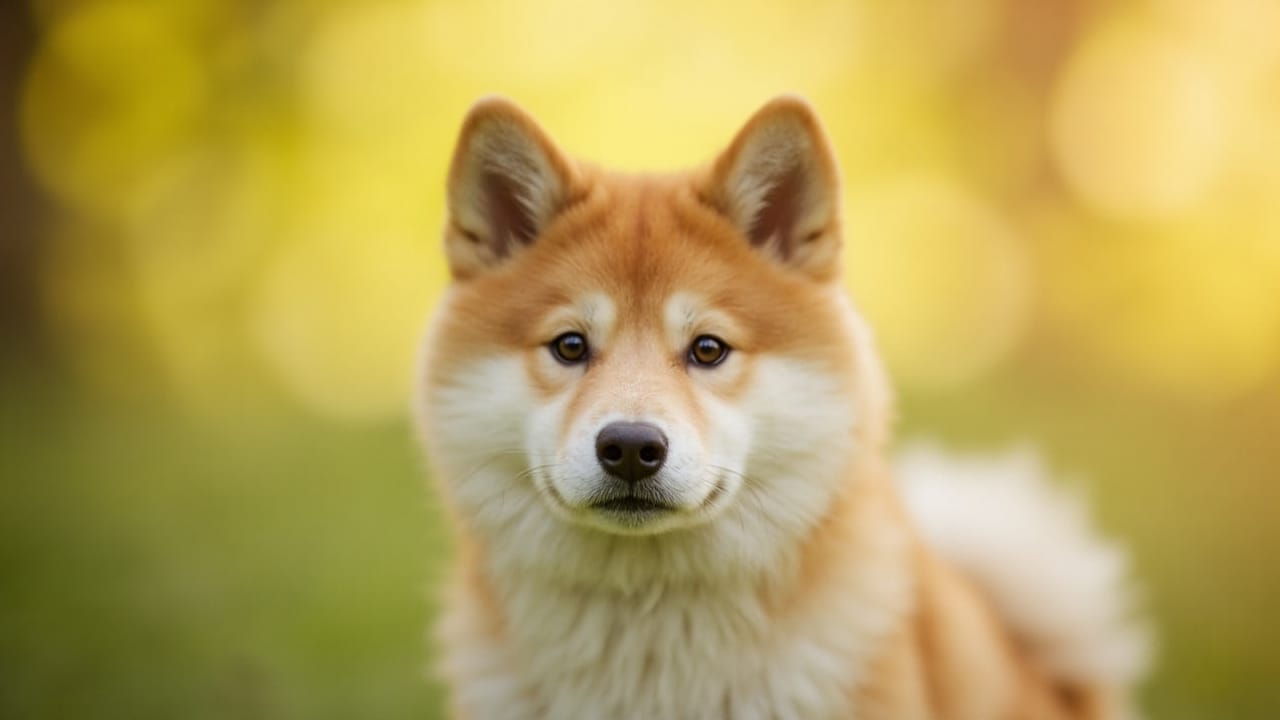
In southern Europe, your Shiba Inu needs year-round parasite protection against sandflies (phlebotomine vectors of Leishmania infantum) and ticks (vectors of babesiosis, ehrlichiosis, and anaplasmosis). Core prevention combines an insect-repellent collar or spot-on with a tick preventive, ideally started before age 6 months and continued for life.
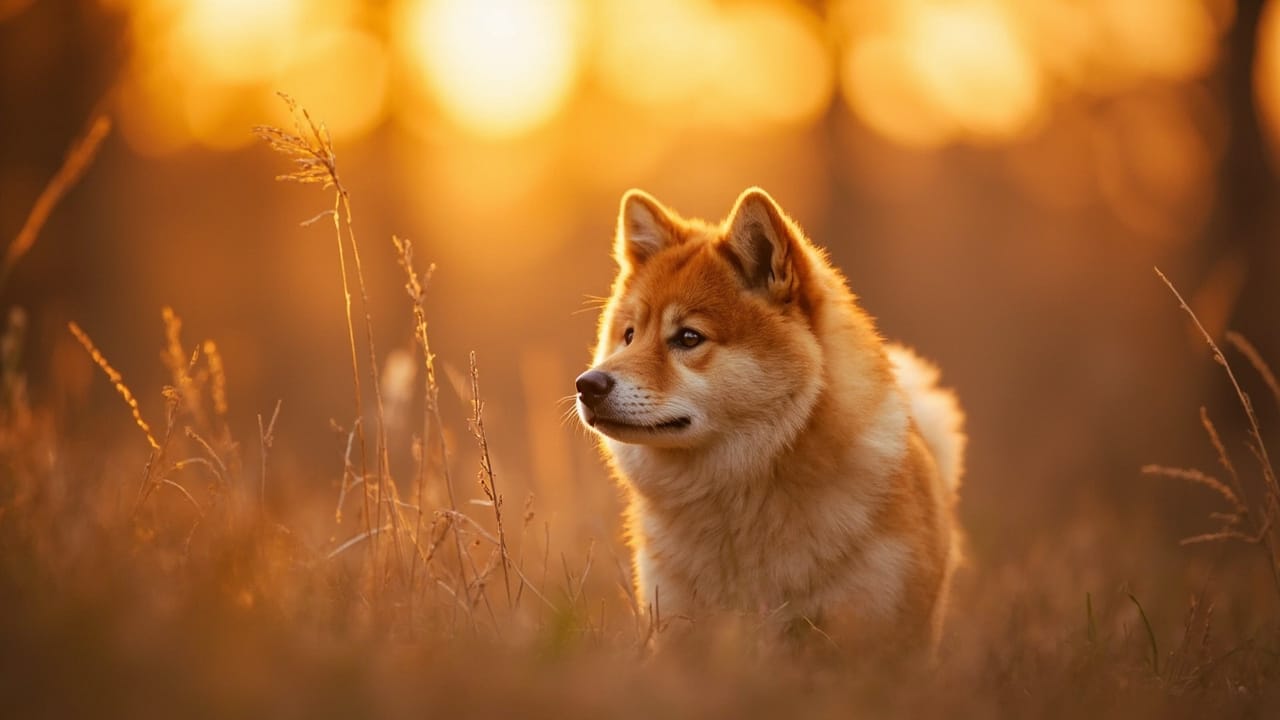
Pine Processionary Caterpillars and Shiba Inu: A Southern Europe Danger
Pine processionary caterpillars are a leading seasonal killer of dogs in southern Europe because their tiny hairs contain a toxin (thaumetopoein) that triggers severe allergic reactions, tongue necrosis, and potentially fatal anaphylactic shock. Shiba Inu — curious, prey-driven, and ground-sniffing — are exactly the type of dog that investigates the migrating processions and gets bitten on the tongue or paws between January and April.
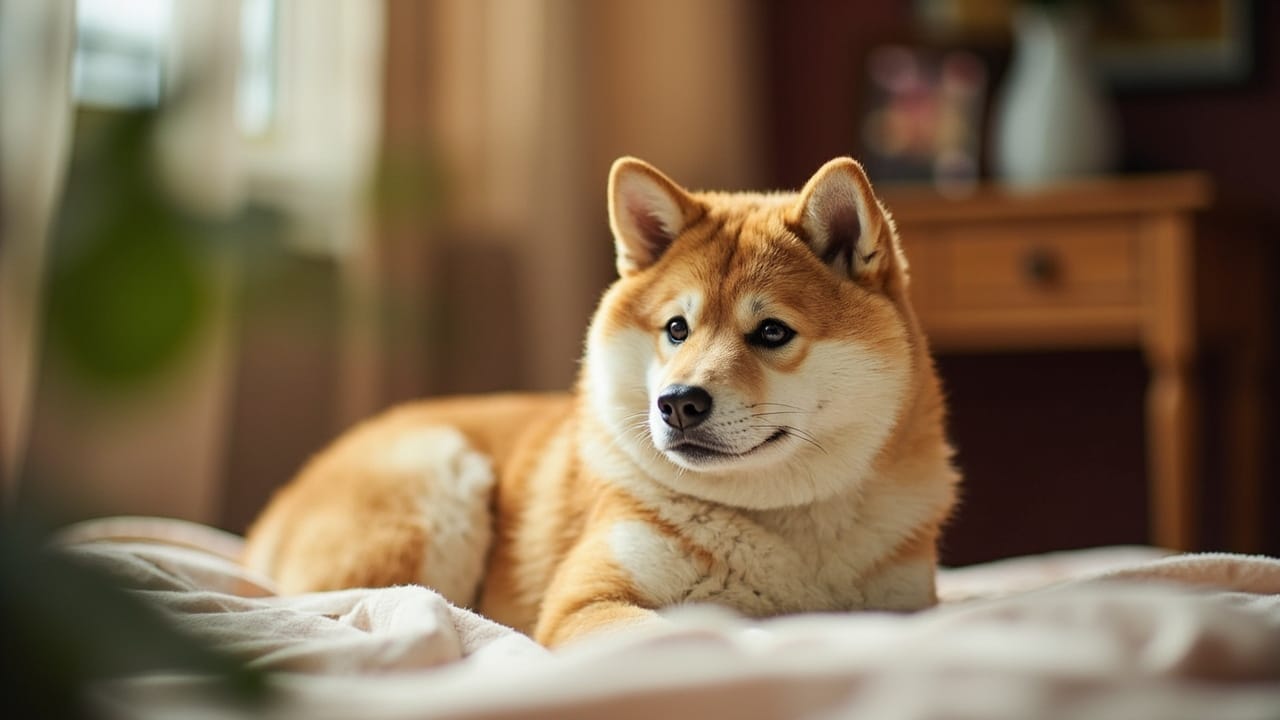
Protecting Your Shiba Inu from Leishmaniasis in Southern Europe
Leishmaniasis is a serious parasitic disease transmitted by sandflies and is endemic across Spain, Italy, and Greece. Shiba Inus living in or traveling to these countries need year-round prevention using veterinary-approved insecticides, vaccination where available, and environmental management. Early detection through regular blood tests dramatically improves outcomes, as treatment controls but rarely cures the disease.
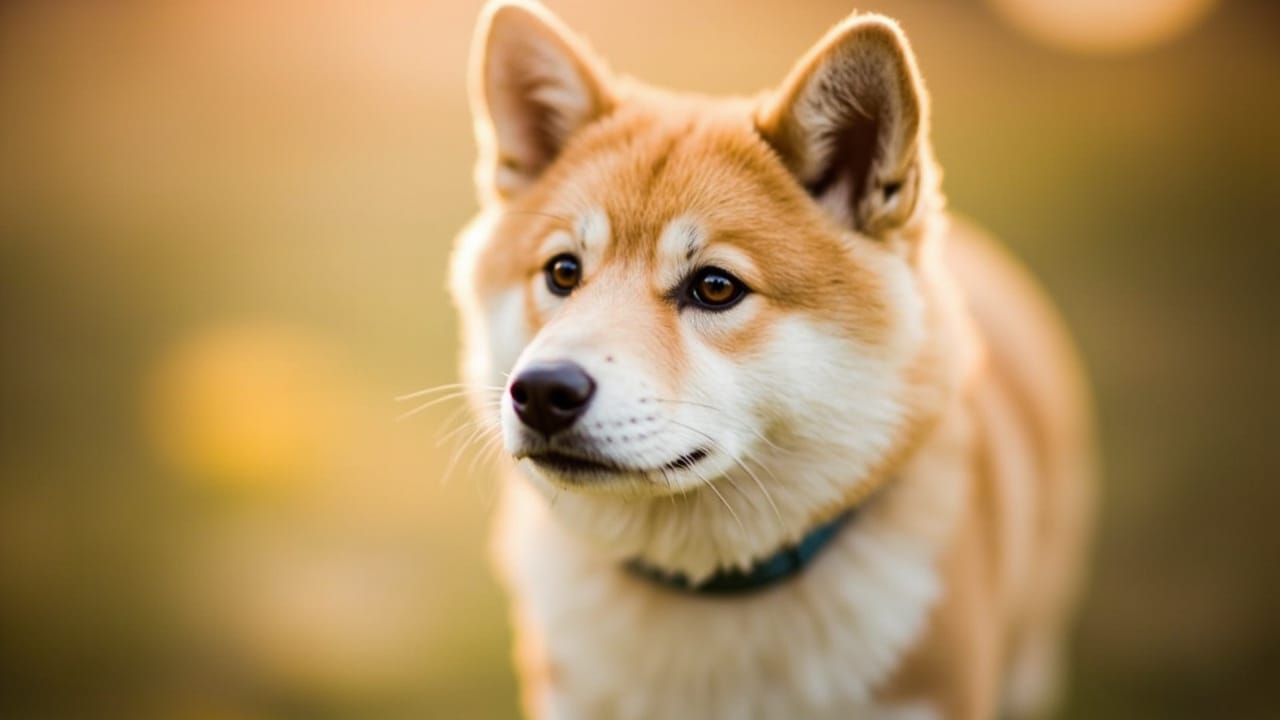
When Does My Shiba Inu Need Tapeworm Treatment to Travel Within Europe?
EU pet travel rules require tapeworm treatment for dogs only when entering the UK, Ireland, Finland, Malta, or Norway. For most of mainland Europe, your Shiba Inu does not legally need tapeworm treatment, but a vet check is still required for the EU pet passport.
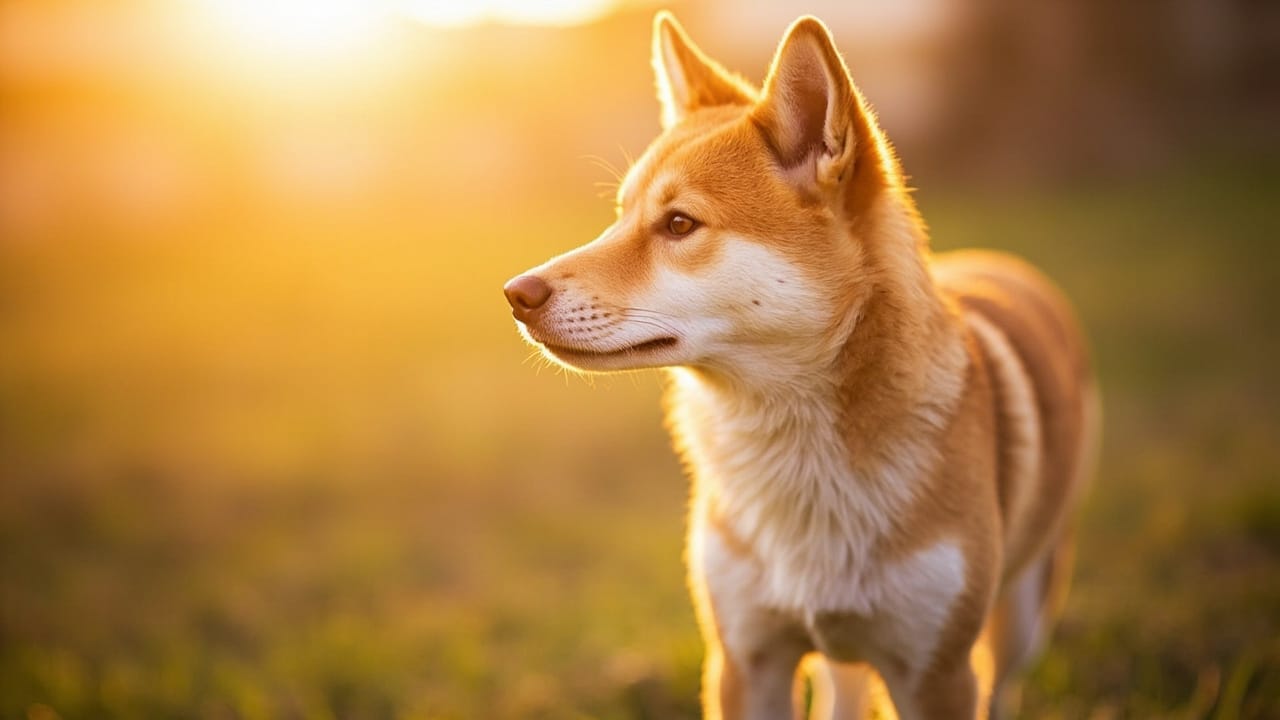
Heat Stroke in Shiba Inu: Warning Signs and Prevention
Heat stroke in a Shiba Inu is a life-threatening emergency signaled by heavy panting, thick drool, bright red gums, weakness, vomiting, or collapse. Because the breed is double-coated and heat-sensitive, prevention relies on shade, cool water, limiting exercise to dawn and dusk, and never leaving your Shiba in a parked car — even for a minute.
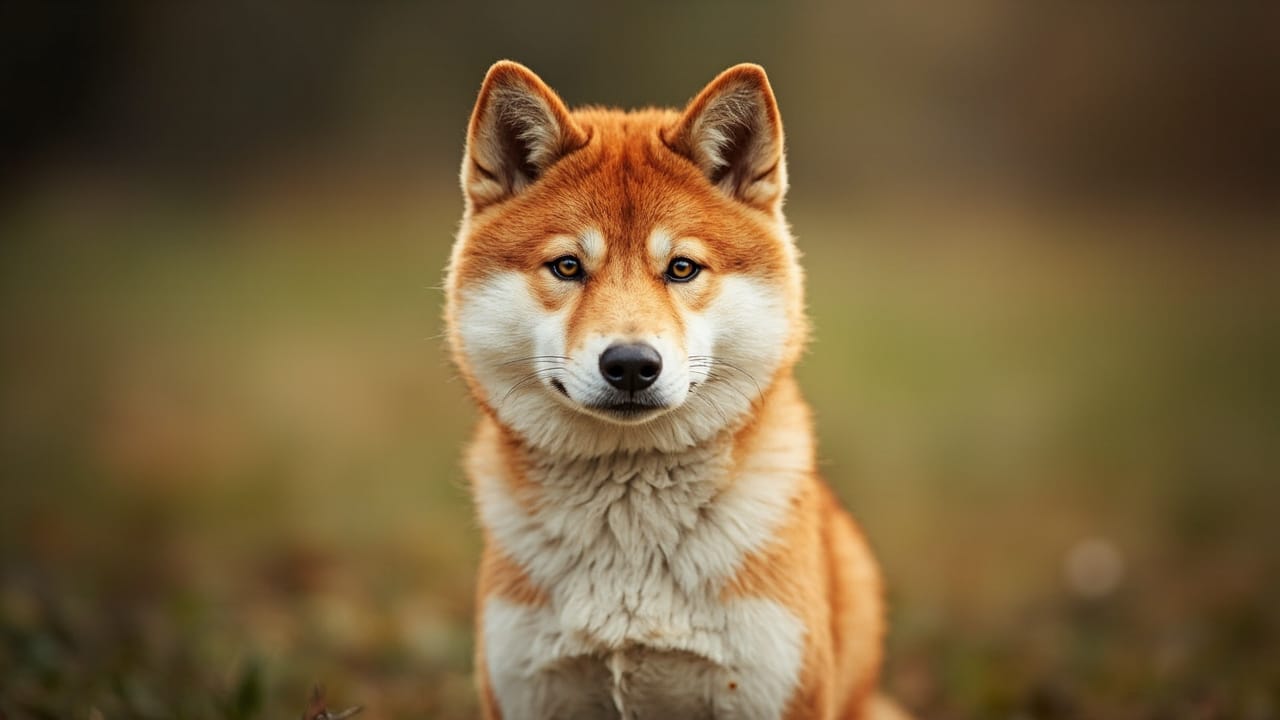
When Does a Female Shiba Inu Go Into Heat? Complete Owner's Guide
A female Shiba Inu typically experiences her first heat between 6 and 12 months of age, then cycles roughly every 6 months. Each heat lasts about 2 to 4 weeks, with the fertile window usually falling between days 9 and 14. Expect swelling, bloody discharge, mood changes, and a dramatic rise in her need to escape and find mates.
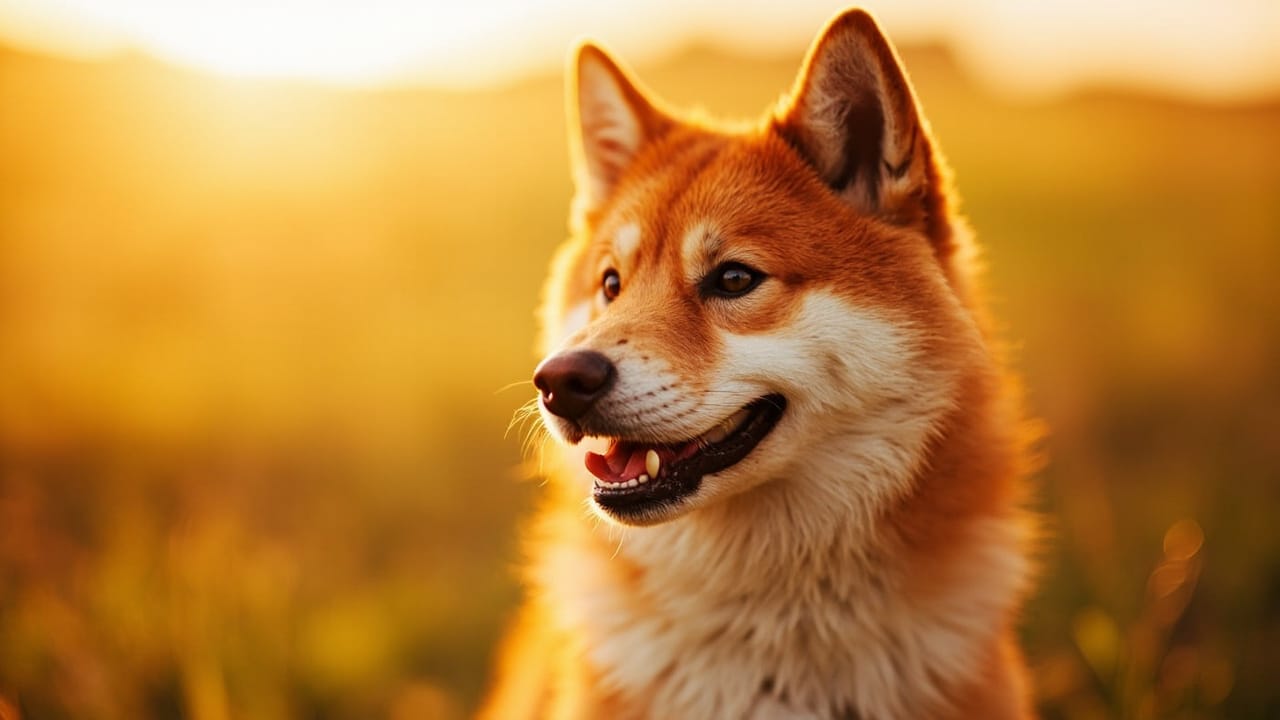
Pale Gums and Emergency Symptoms in Shiba Inus: What They Mean
Pale, white, blue, or yellow gums in a Shiba Inu signal a veterinary emergency. They usually indicate shock, severe anemia, poor oxygenation, or organ failure and require immediate care. Combined symptoms like collapse, breathing difficulty, or a distended abdomen mean go to the nearest emergency vet now.
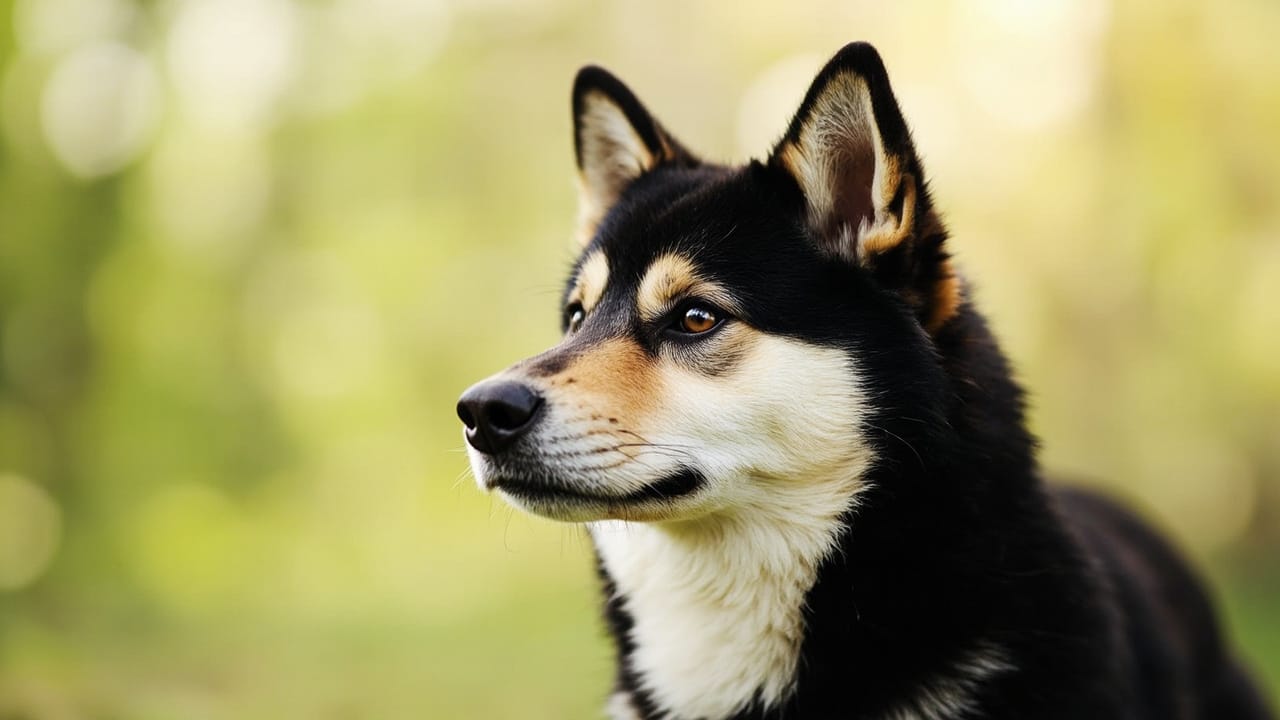
Can Shiba Inus Get Bloat? Warning Signs Every Owner Must Know
Yes, Shiba Inus can get bloat (gastric dilatation-volvulus, or GDV), and while it's not the most common Shiba emergency, it is life-threatening. Warning signs include a visibly swollen or tight abdomen, unproductive retching, restlessness, drooling, and sudden collapse. GDV is a true emergency — get to a vet immediately if you suspect it.
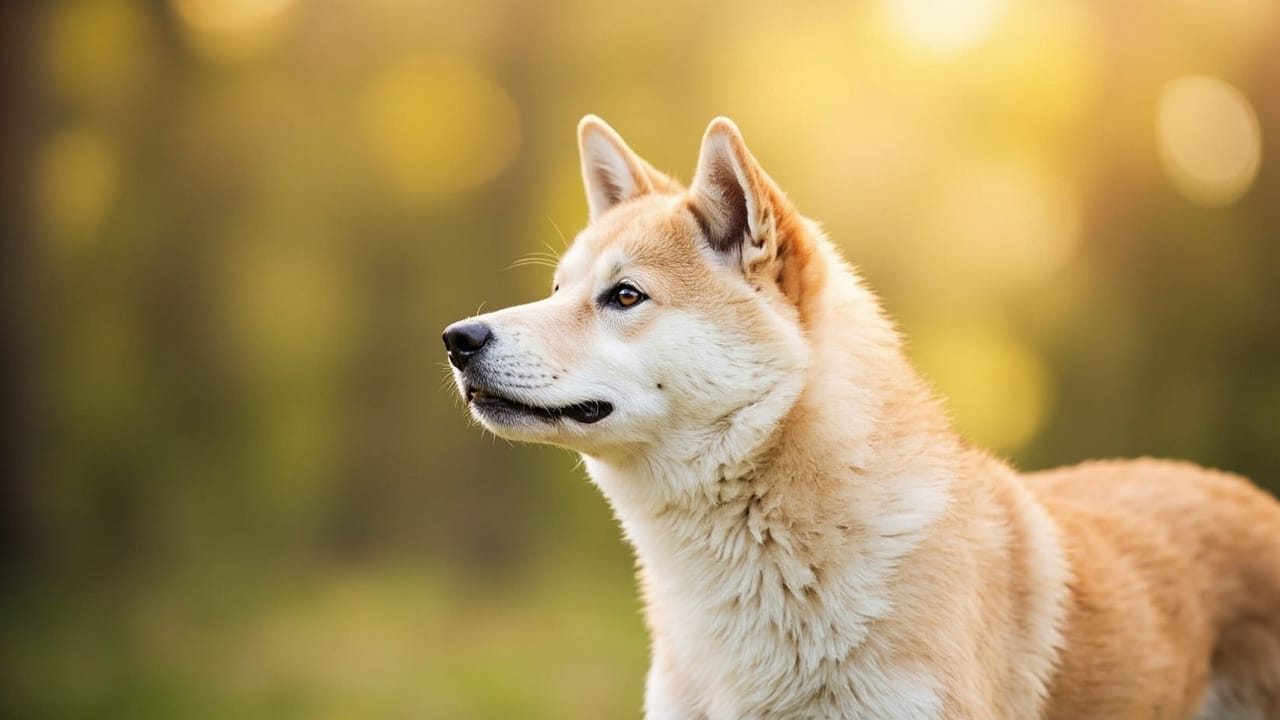
Why Are Shiba Inus So Sensitive to Onions and Garlic?
Shiba Inus are not uniquely sensitive to onions and garlic compared to other dog breeds — all dogs are. These Allium-family plants contain N-propyl disulfide, a compound that oxidizes and destroys red blood cells, causing hemolytic anemia. Even small, repeated doses (about 15–30 g/kg) can be toxic, and Japanese breeds like the Shiba should never be fed any form of onion, garlic, leek, chive, or shallot, raw or cooked.
Is Your Shiba Inu Overweight? Signs, Ideal Weight, and a Safe Weight-Loss Plan
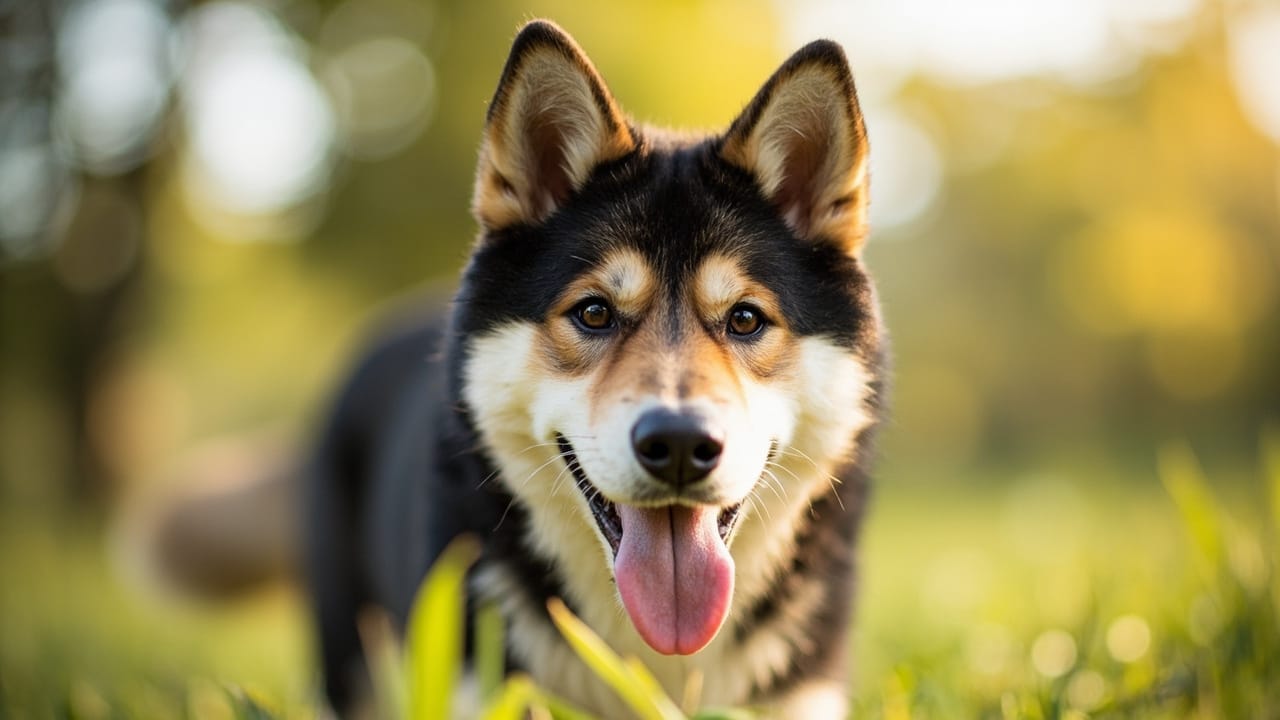
You can tell if your Shiba Inu is overweight by feeling for the ribs (they should be easily felt under a thin fat layer), checking for a visible waist tuck, and weighing your dog against the breed standard of roughly 8–10 kg (17–22 lb). Most Shibas lose weight safely on a measured, high-protein diet, daily aerobic exercise, and zero table scraps, with a vet check to rule out hypothyroidism.
Shiba Inu Dental Disease: How Serious It Is and How to Prevent It
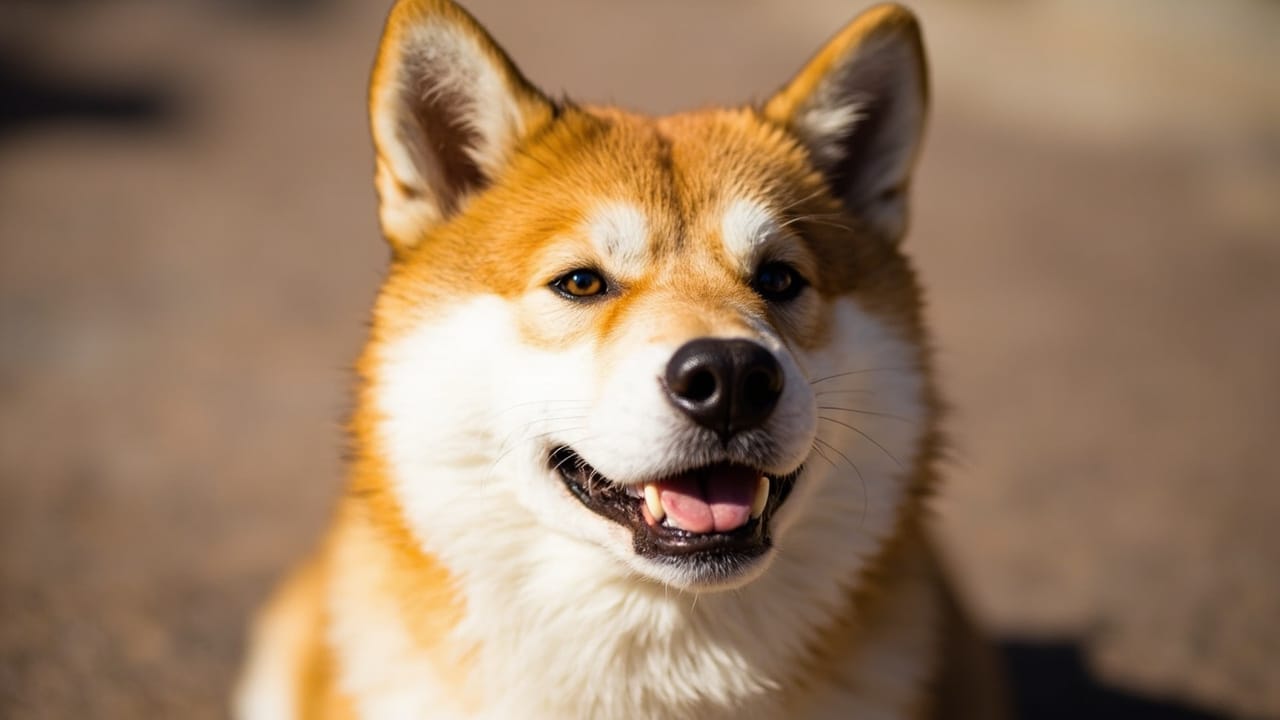
Dental disease is one of the most common and serious health problems in Shiba Inus, affecting the majority of dogs over age three. Without daily brushing and regular veterinary cleanings, plaque hardens into tartar, leading to pain, tooth loss, and infections that can damage the heart, liver, and kidneys.
Are Shiba Inus Prone to Hip Dysplasia? Signs, Stats & What to Do
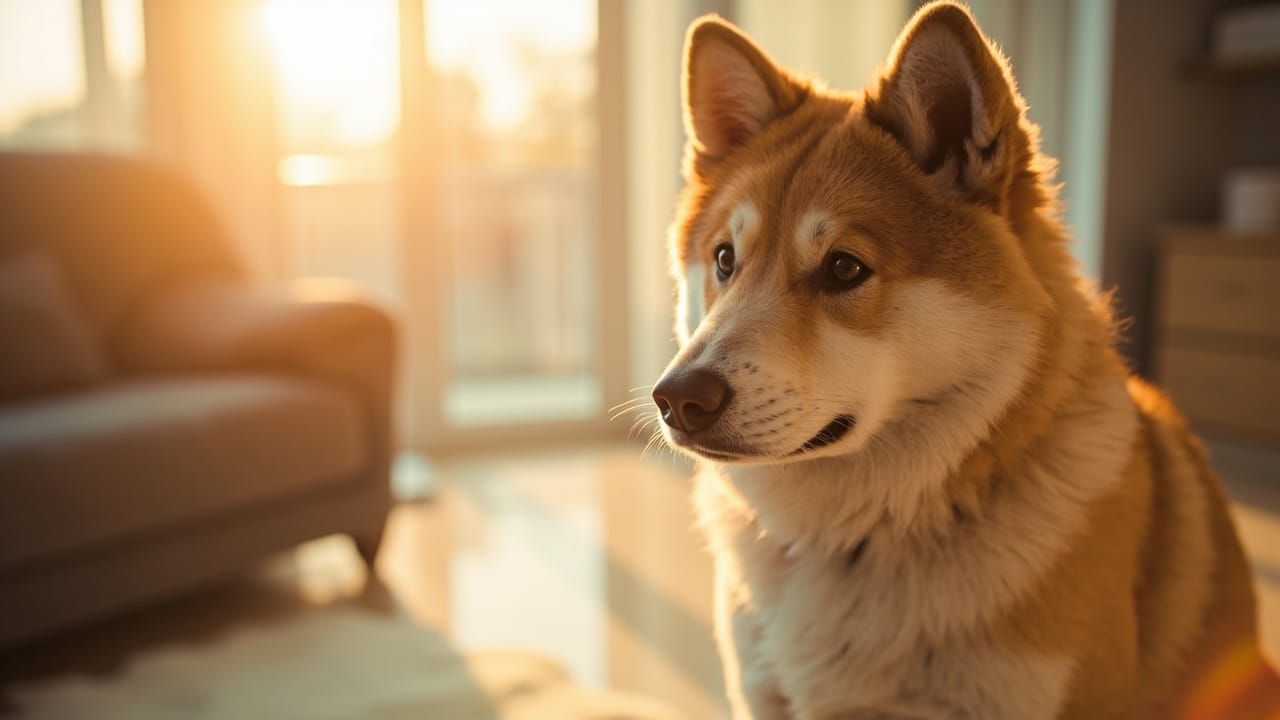
Yes, Shiba Inus are prone to hip dysplasia, though less commonly than larger breeds. About 7.6% of Shibas screened through the Orthopedic Foundation for Animals (OFA) show hip dysplasia, making it one of the breed's recognized hereditary conditions. Early signs include bunny-hopping, reluctance to climb stairs, and hind-limb lameness that warrants prompt veterinary evaluation.
Shiba Inu Limping or Holding Up a Leg: Causes and What to Do
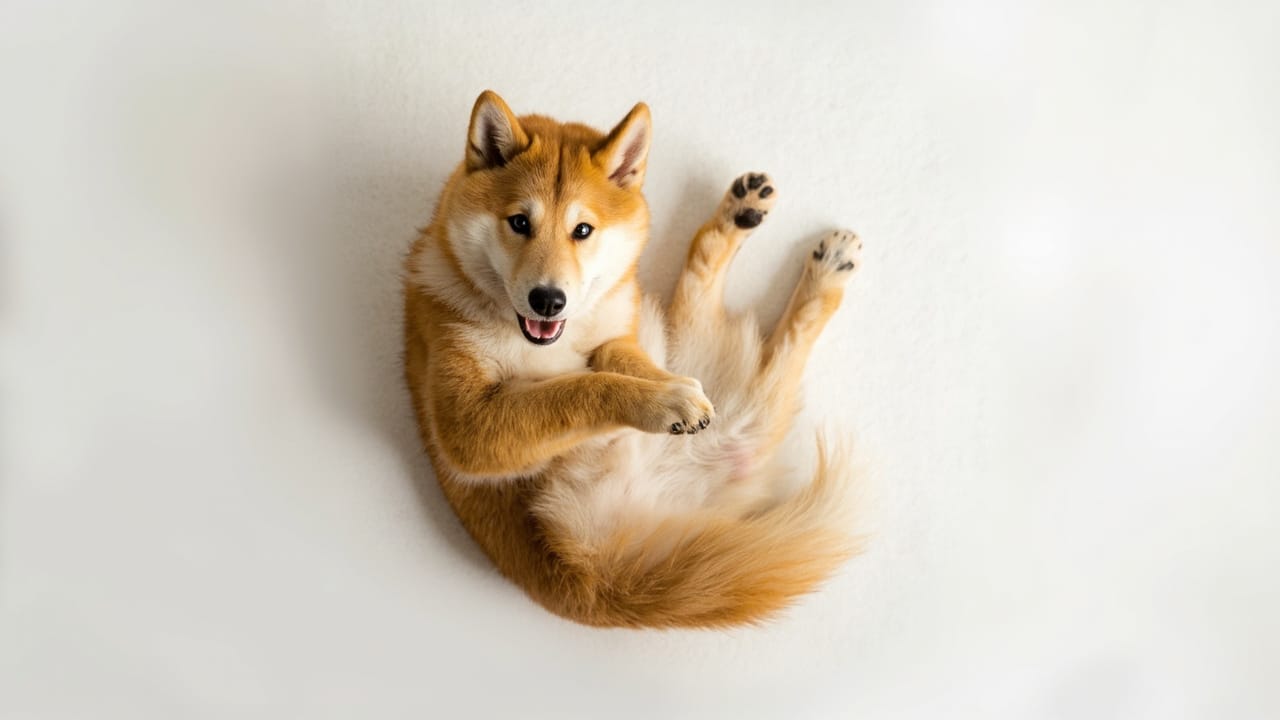
Shiba Inus commonly limp due to luxating patella, hip dysplasia, ACL injuries, or paw pad problems. If your Shiba is suddenly holding up a leg, restrict activity and contact your vet within 24 hours — prolonged limping can worsen joint damage and chronic pain.
Shiba Inu Diarrhea: Causes, Home Treatment, and When to See a Vet
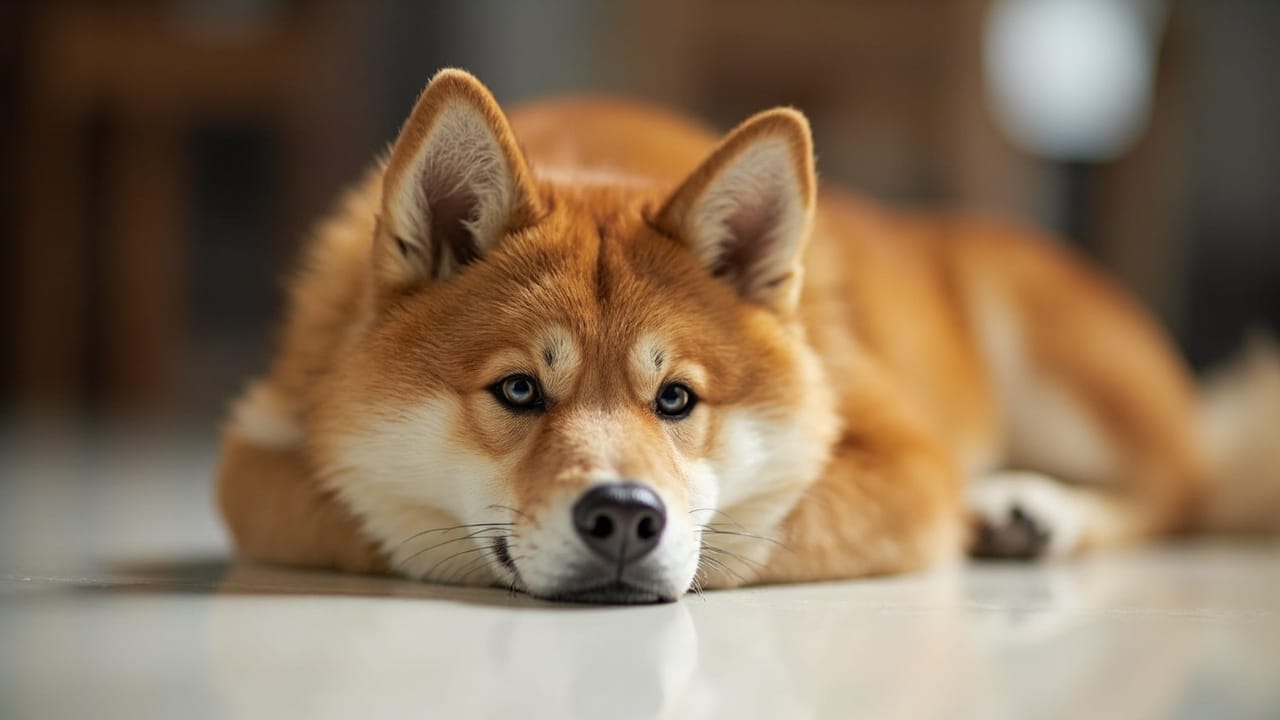
If your Shiba Inu has diarrhea, withhold food for 12 hours but keep water available, then reintroduce a bland diet of boiled chicken and white rice in small meals. Most mild cases resolve within 24–48 hours, but see a vet promptly if there is blood, vomiting, lethargy, fever, or if diarrhea lasts more than two days, as Shibas can dehydrate quickly.
Shiba Inu Vomiting: Causes, Home Care, and When to Call the Vet
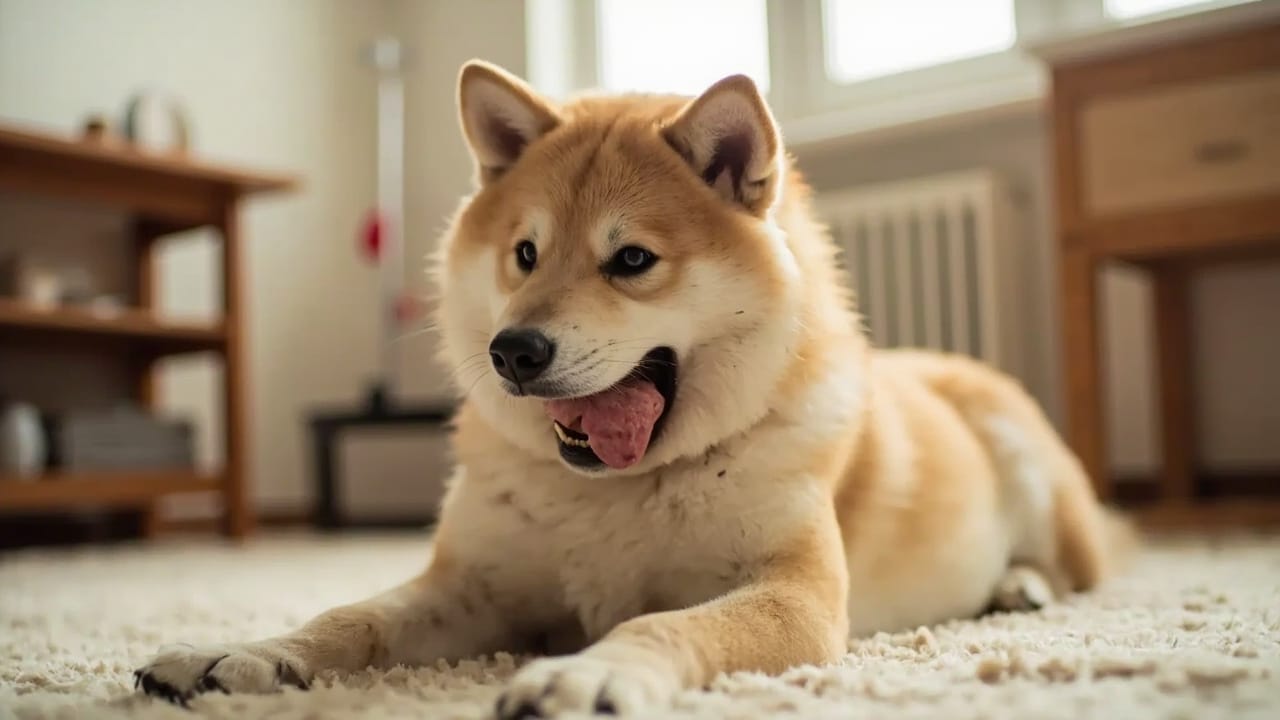
Shiba Inus vomit for many reasons — from eating too fast to a sensitive stomach — but repeated vomiting, blood, lethargy, or puppy vomiting are emergencies. If vomiting lasts more than 24 hours, contains blood, or comes with weakness, see a vet immediately.
Shiba Inu Eye Discharge and Tear Staining: Normal or a Problem?
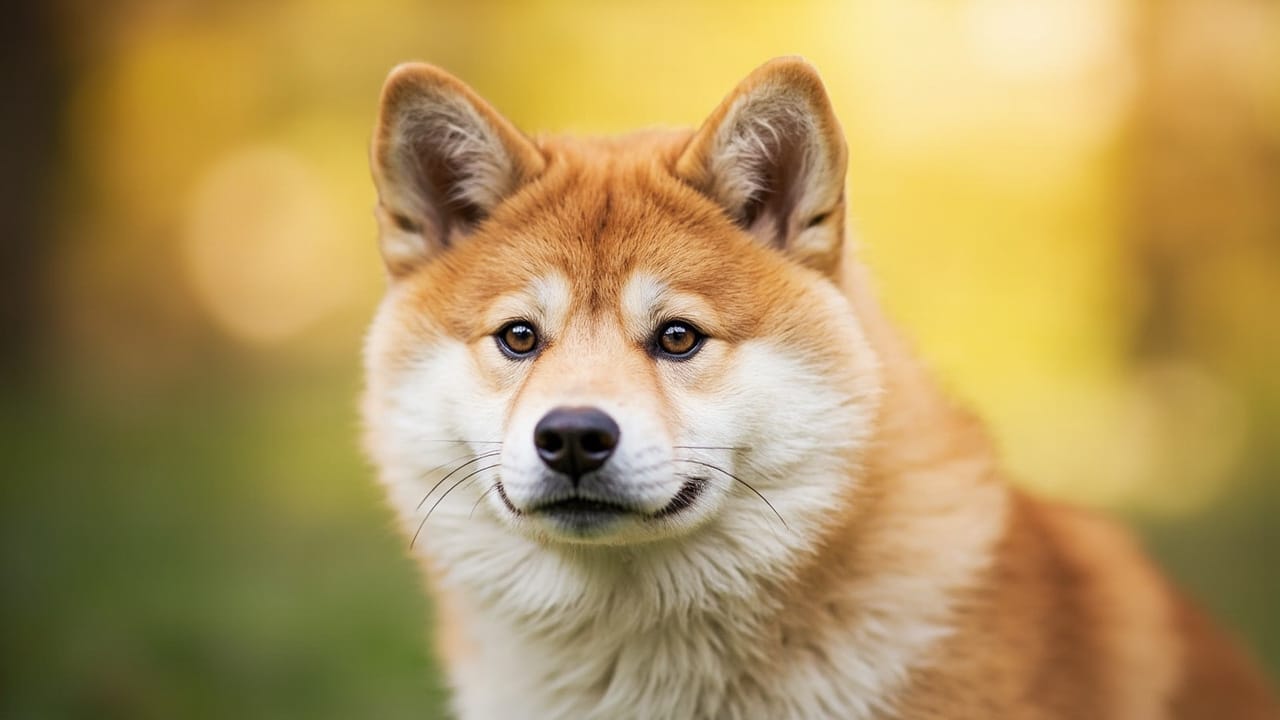
Small amounts of clear or slightly brown eye discharge are normal in Shiba Inus, especially after sleep or during seasonal allergies. However, thick, yellow, green, or suddenly excessive discharge — or reddish-brown tear staining that scolds the fur — usually signals an issue like allergies, glaucoma, dry eye, or a blocked tear duct and warrants a vet visit.
Shiba Inu Dry, Itchy Skin: Causes, Relief & Prevention
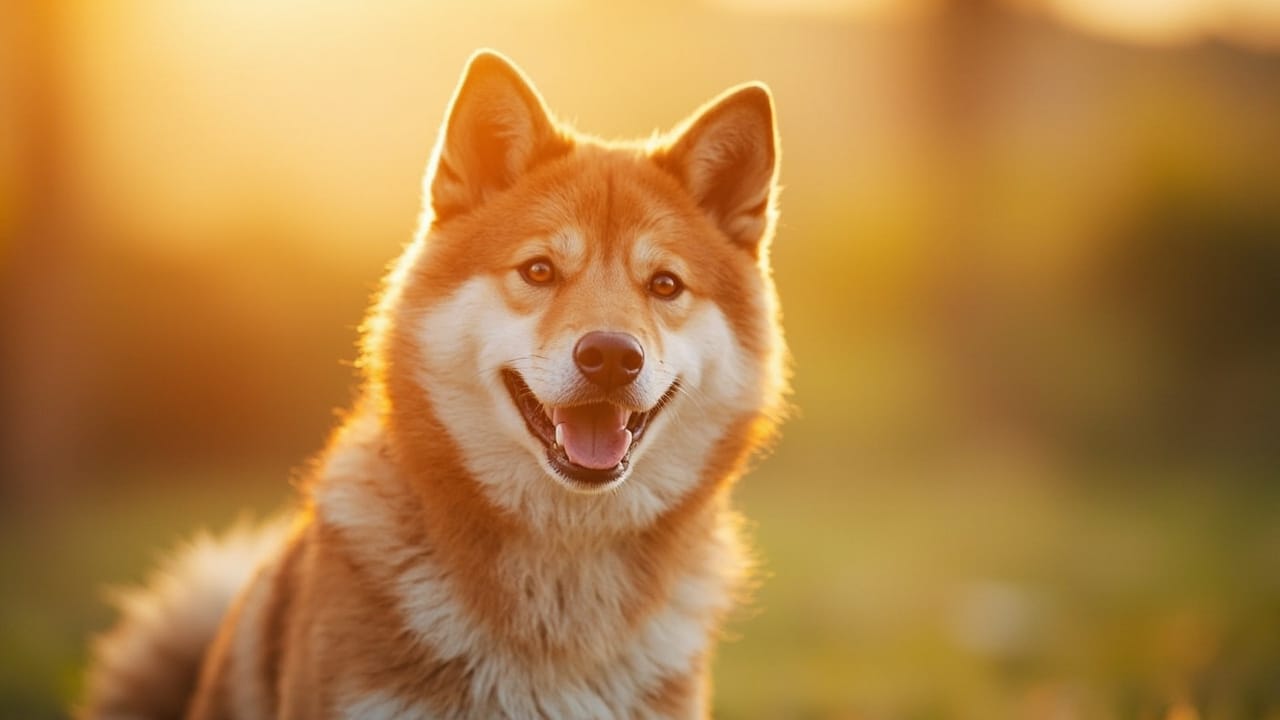
Most Shiba Inu dry, itchy skin is caused by environmental allergies (atopic dermatitis), poor diet, or seasonal coat blow. Relief comes from a vet diagnosis, an omega-3-rich diet, flea control, hypoallergenic shampoos, and consistent coat blow grooming. Because atopic dermatitis is one of the top chronic conditions in the breed, persistent itching always warrants a veterinary visit, not just home remedies.
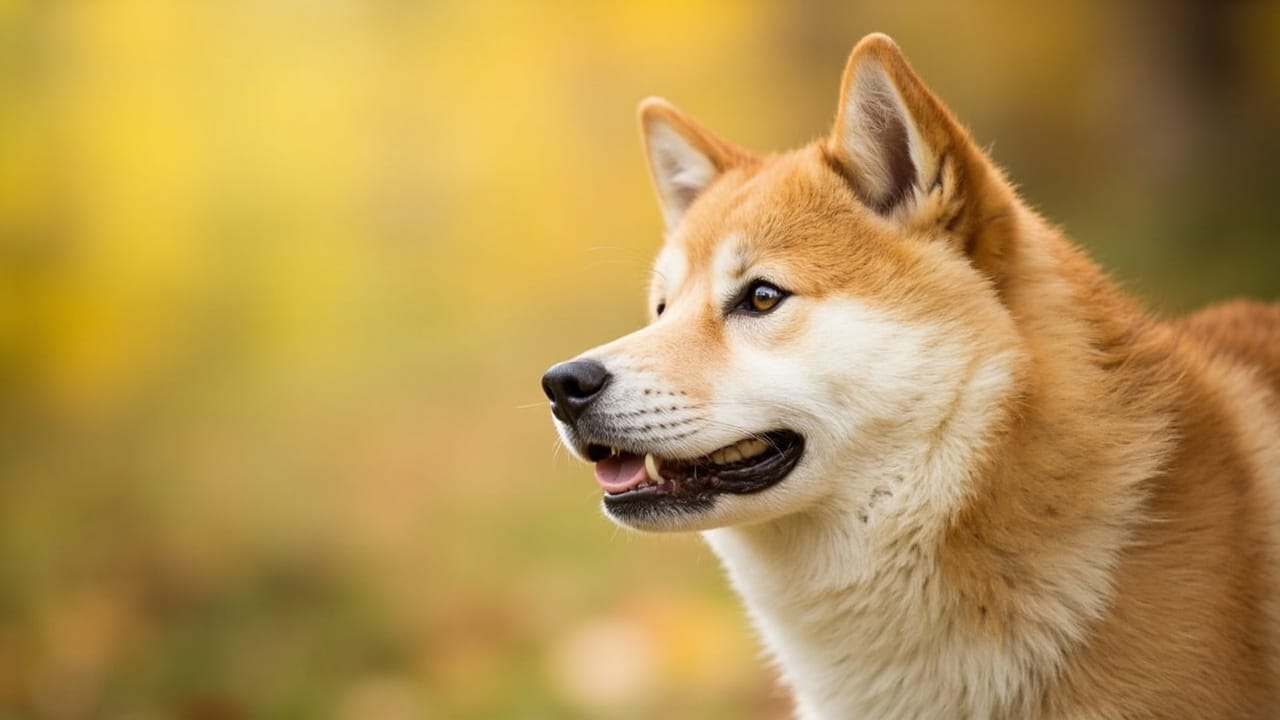
Seasonal Flank Alopecia in Shiba Inus: Causes and Bald Patch Solutions
Seasonal flank alopecia (SFA) is the leading cause of recurring bald patches in Shiba Inus. It is a cosmetic, non-scarring hair loss triggered by reduced daylight in winter, thought to involve a localized melatonin imbalance in the hair follicles. Most cases self-resolve in spring, but phototherapy, melatonin supplementation, and ruling out hypothyroidism are key management steps.
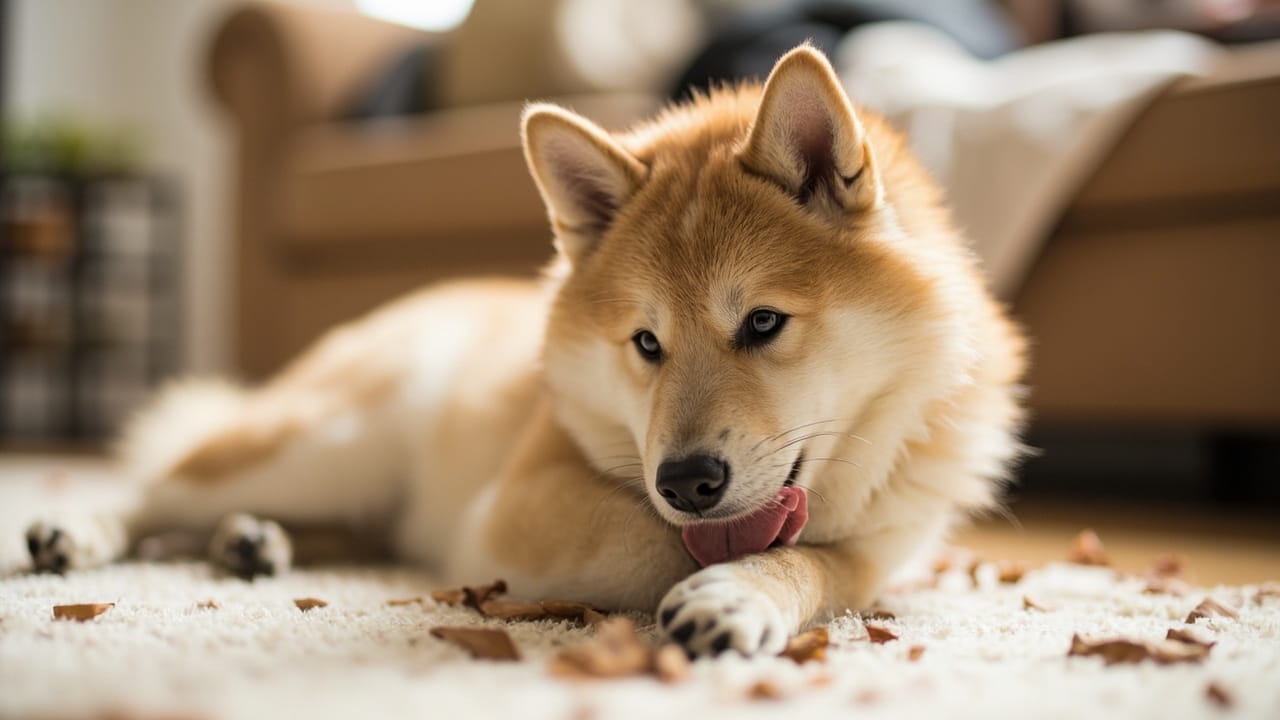
Why Does My Shiba Inu Keep Licking and Chewing Its Paws?
Shiba Inus chew and lick their paws most often because of atopic dermatitis (environmental allergies), which is one of the most common health issues in the breed. Secondary causes include food allergies, yeast or bacterial infections, pain from luxating patella or hip dysplasia, boredom, and stress. A vet visit is needed if the skin is red, swollen, bleeding, or if licking is constant, to identify the root cause and start targeted treatment.
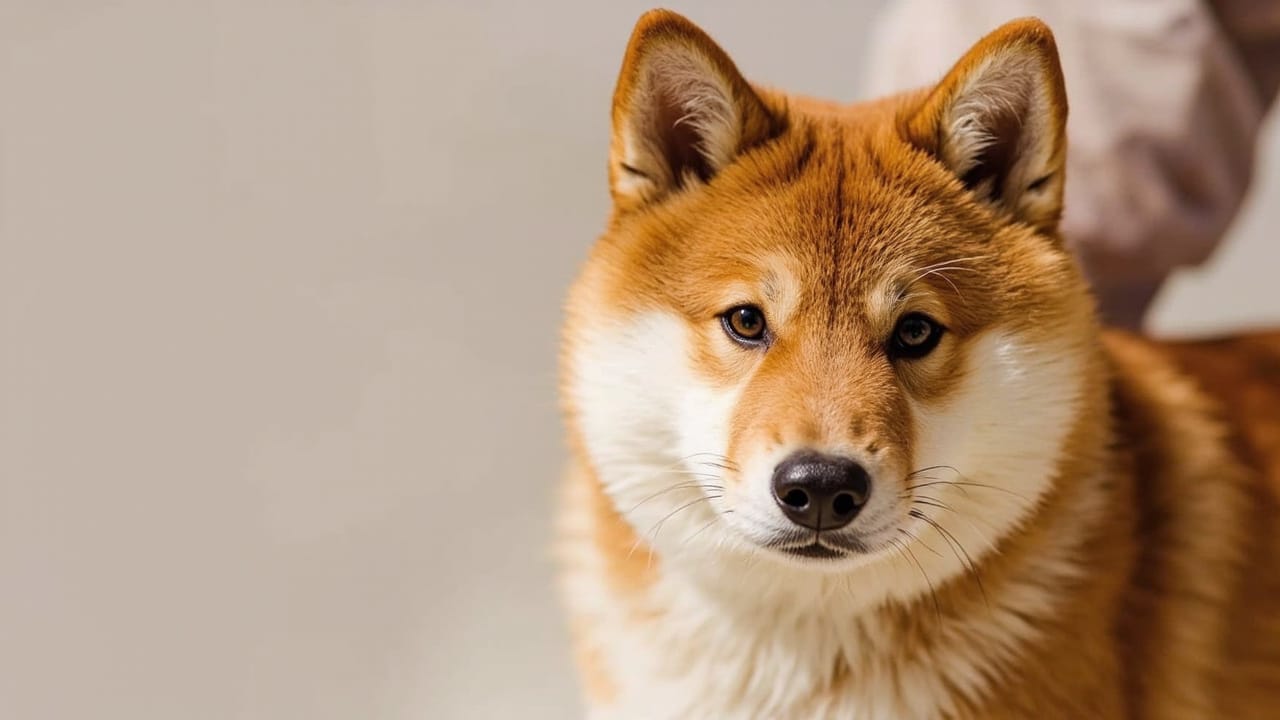
Signs of Skin Allergies in a Shiba Inu: A Complete Owner Guide
The most common signs of skin allergies in a Shiba Inu include intense itching (especially on the belly, paws, groin, and face), red and inflamed skin, recurrent ear infections, hair loss from scratching, hot spots, and the classic "Shiba rash" of pink, irritated armpits and groin. If your Shiba is scratching, licking their paws, or rubbing their face on the carpet, allergies are the most likely culprit.
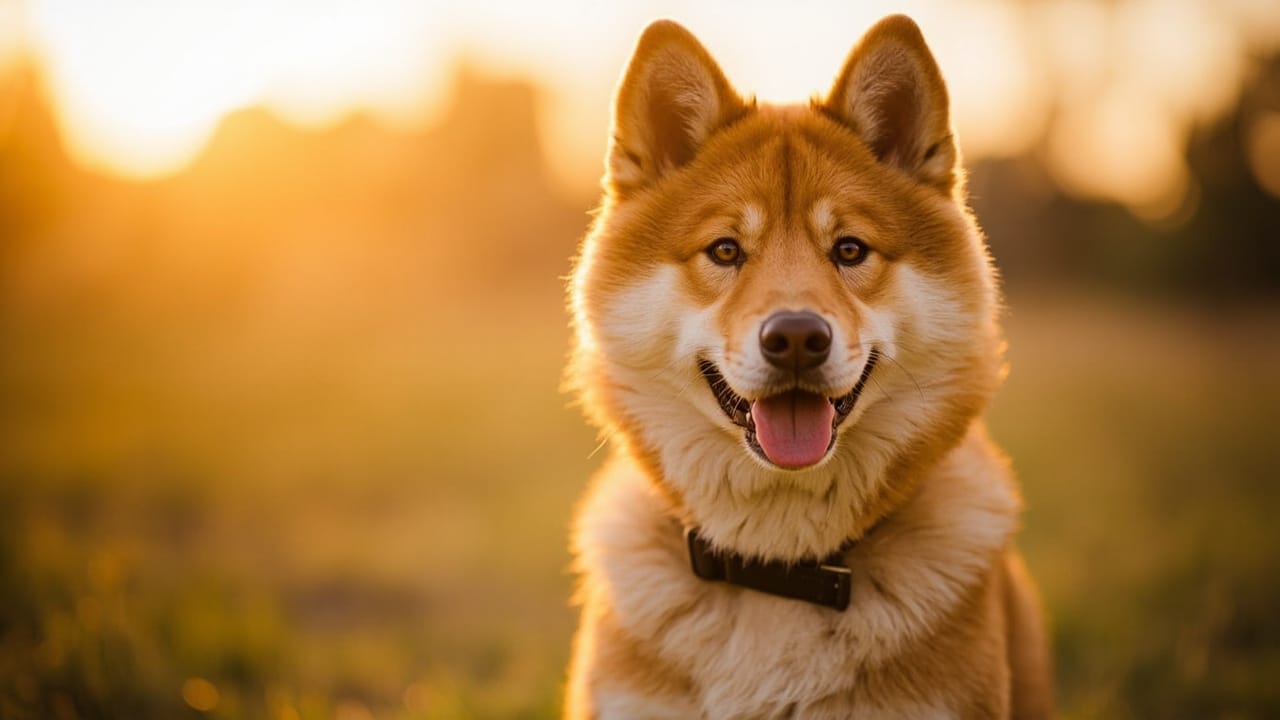
Why Does My Shiba Inu Keep Getting Ear Infections? Causes & Fixes
Recurrent ear infections in Shiba Inus are usually caused by underlying allergies (especially atopic dermatitis), narrow ear canals trapping moisture, or yeast overgrowth after swimming or bathing. Diagnosis requires a vet cytology test, and prevention focuses on allergy control, weekly ear cleaning, and thorough drying after water exposure.

When to Spay or Neuter a Shiba Inu: Complete Timing Guide
Most veterinarians recommend spaying or neutering a Shiba Inu between 6 and 9 months of age, before the first heat cycle in females. However, growing evidence suggests waiting until 12–18 months may benefit joint and bone development, especially in males.

Signs Your Shiba Inu Is Getting Older: Senior Care Guide
Shiba Inus typically become seniors around 9-10 years old, though many live 13-16 years. Watch for graying muzzles, slower movements, joint stiffness, sleep changes, and shifts in appetite or weight. Early senior care focuses on joint support, dental health, twice-yearly vet visits, and adjusting exercise to keep aging Shibas comfortable.

Should You Microchip Your Shiba Inu? How It Works
Yes, you should microchip your Shiba Inu. A microchip is a permanent, rice-grain-sized RFID implant placed under the skin between the shoulder blades, linked to a unique ID number in a pet recovery database. It dramatically increases the odds your escape-artist Shiba is returned if they ever slip out of the yard, bolt through a door, or get lost during travel.

Can People With Allergies Live With a Shiba Inu? An Honest Guide
Yes, many allergy sufferers live comfortably with Shiba Inus, but Shibas are not hypoallergenic. They shed year-round and blow their coat twice yearly, releasing dander and the protein Can f 1 that triggers most reactions. Success depends on your sensitivity, home management, and grooming routine.
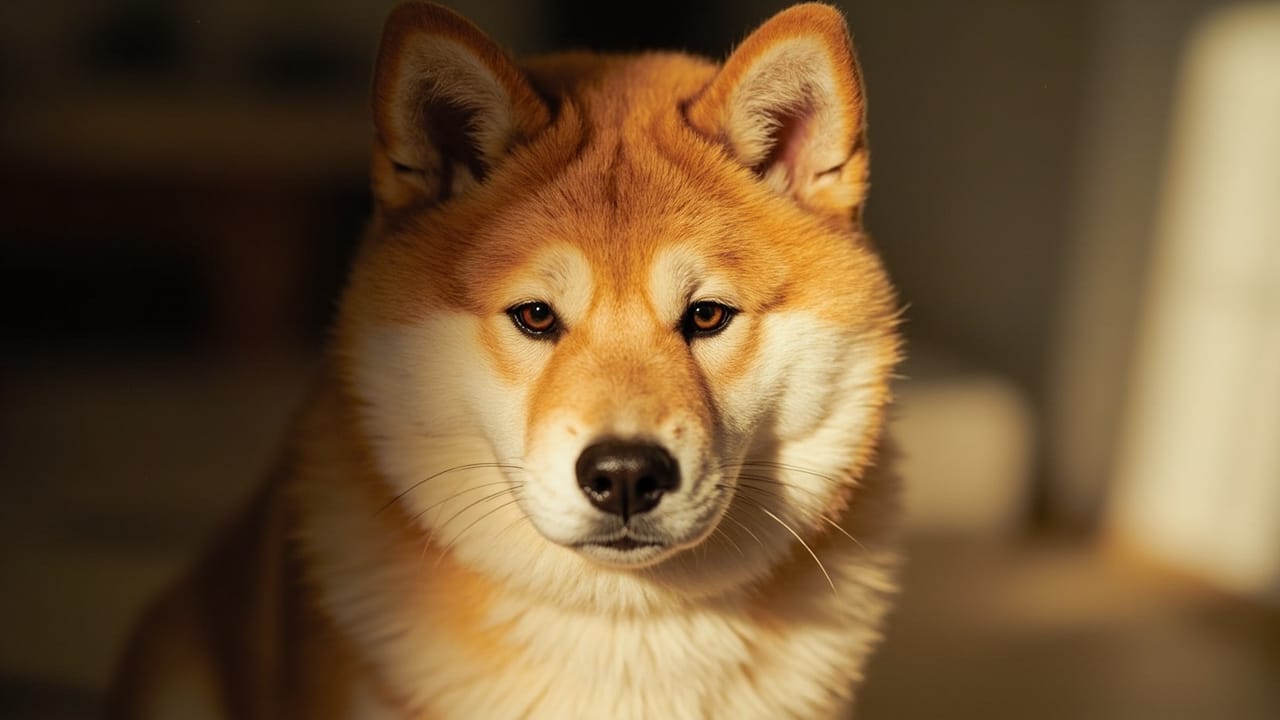
How to Treat Ringworm on a Shiba Inu: A Practical Guide
Treat ringworm on a Shiba Inu by visiting a vet for diagnosis, then applying topical antifungals (miconazole or chlorhexidine washes), giving oral medication like itraconazole for 4-8 weeks, and decontaminating your home. Recovery usually takes 6-12 weeks, and treatment must continue until two negative cultures confirm it's gone.
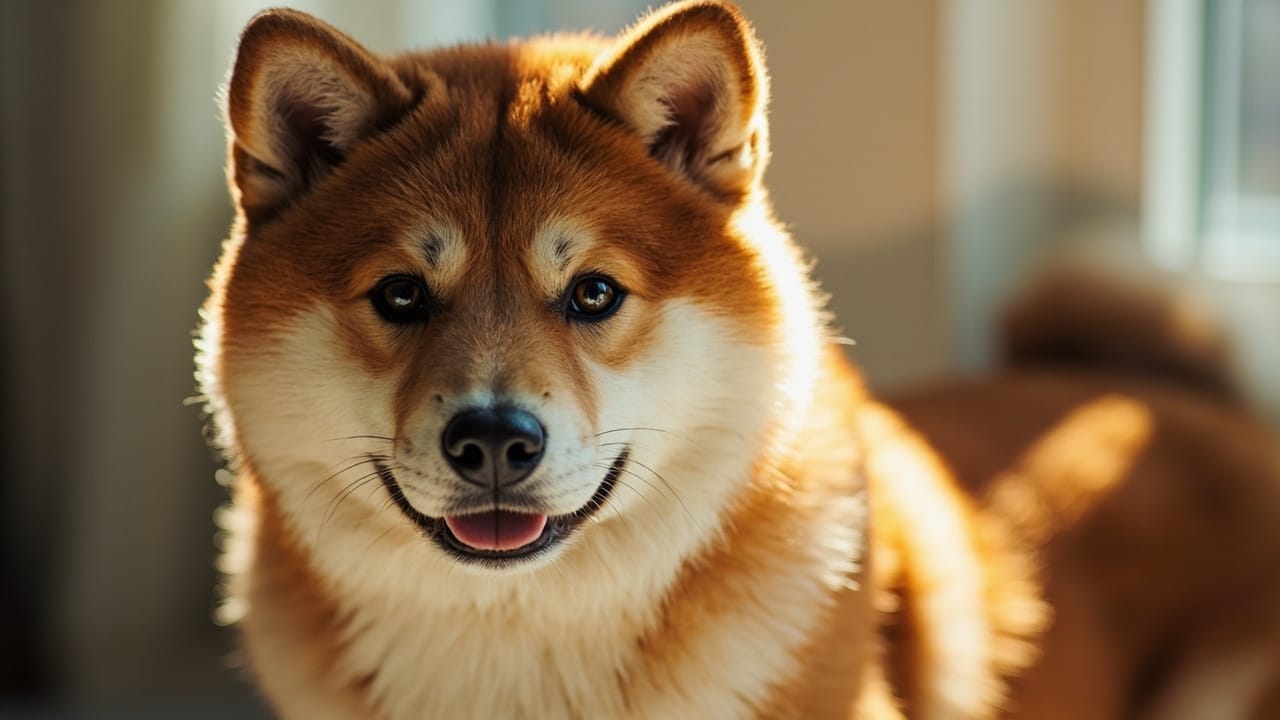
How to Treat Hot Spots on a Shiba Inu: A Complete Guide
Treat hot spots on a Shiba Inu by trimming the hair around the lesion, gently cleaning with a chlorhexidine or antiseptic solution, and applying a veterinary-recommended topical antibiotic or steroid spray. Prevent recurrence by addressing the underlying cause — allergies, moisture trapped in the dense double coat, or fleas — and keep the area dry and monitored as the thick fur regrows.
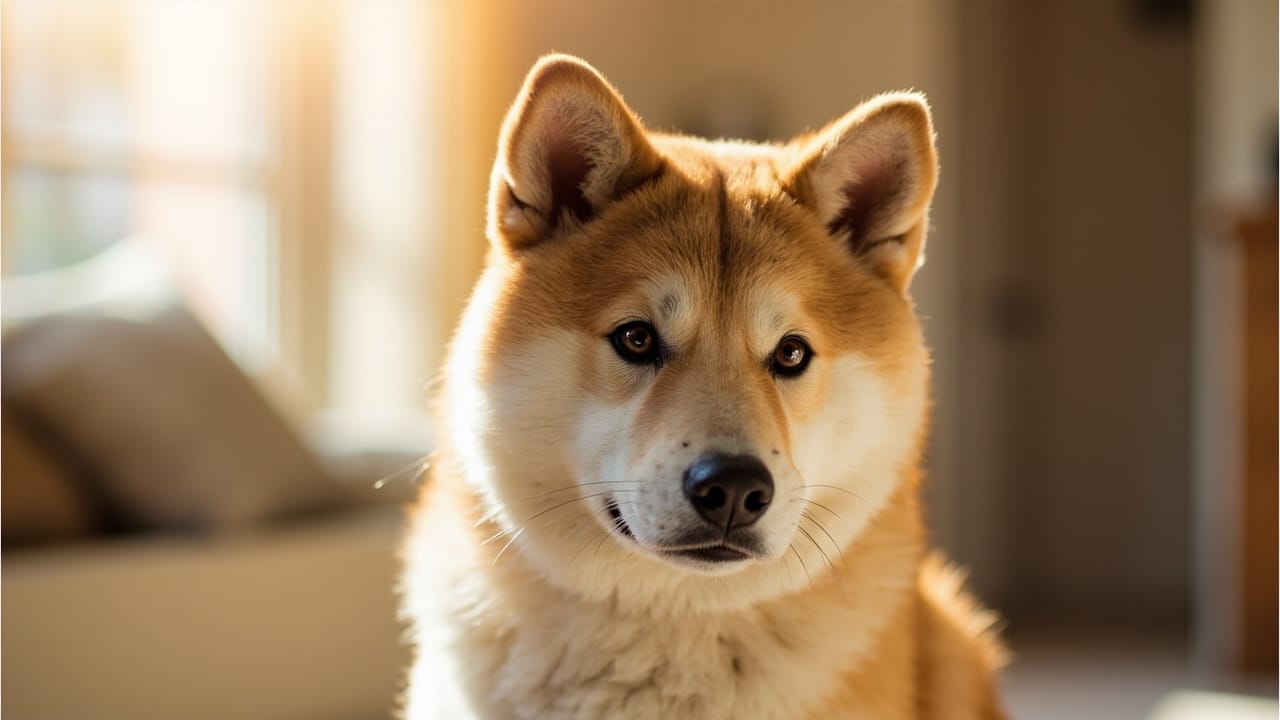
Managing Seborrhea in a Shiba Inu: Causes, Symptoms & Treatment
Seborrhea in Shiba Inus is a chronic skin disorder that causes flaky, oily, or scaly skin and is often secondary to allergies, hypothyroidism, or hormonal imbalance. Treatment combines medicated shampoos, fatty acid supplements, and addressing the underlying cause, with most dogs improving significantly within 4-8 weeks of consistent therapy.
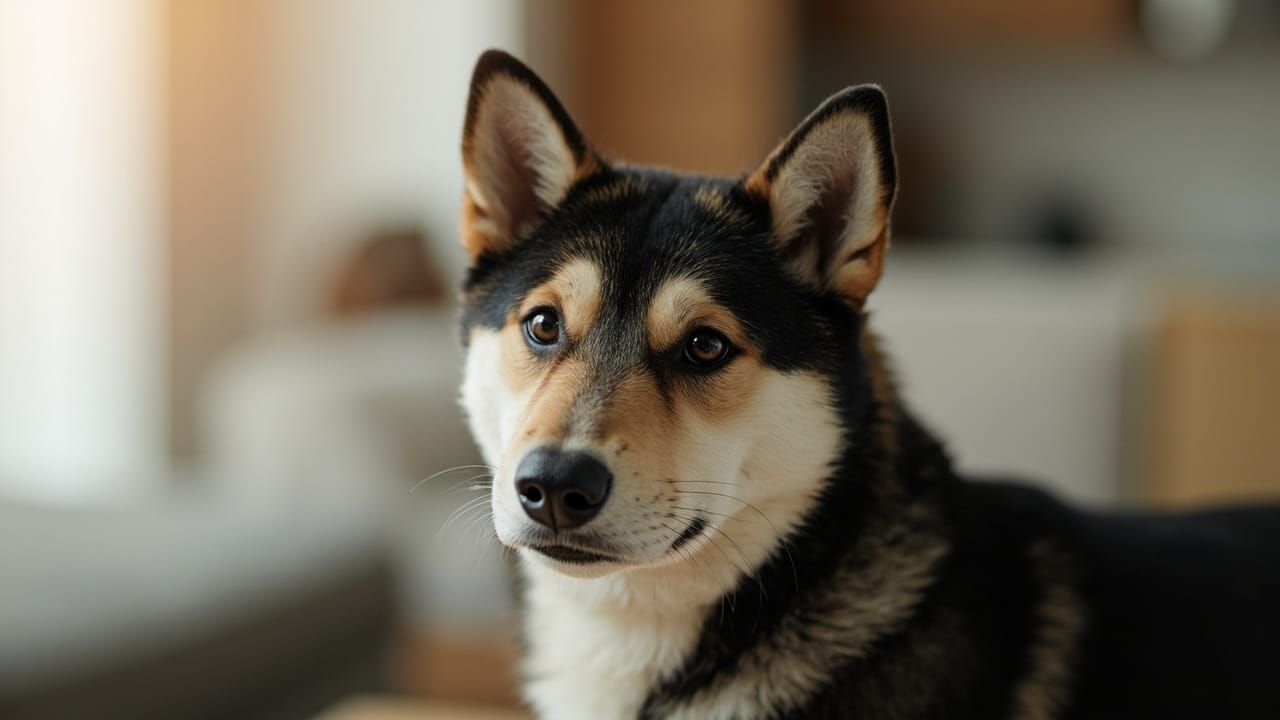
Dry Eye (KCS) in Shiba Inus: Symptoms, Treatment & Care
Dry eye, or Keratoconjunctivitis Sicca (KCS), in Shiba Inus is a condition where the tear glands don't produce enough tears, leading to dry, irritated, and potentially damaged corneas. It requires lifelong management with prescription eye drops, most commonly cyclosporine or tacrolimus, to stimulate natural tear production and prevent vision loss.
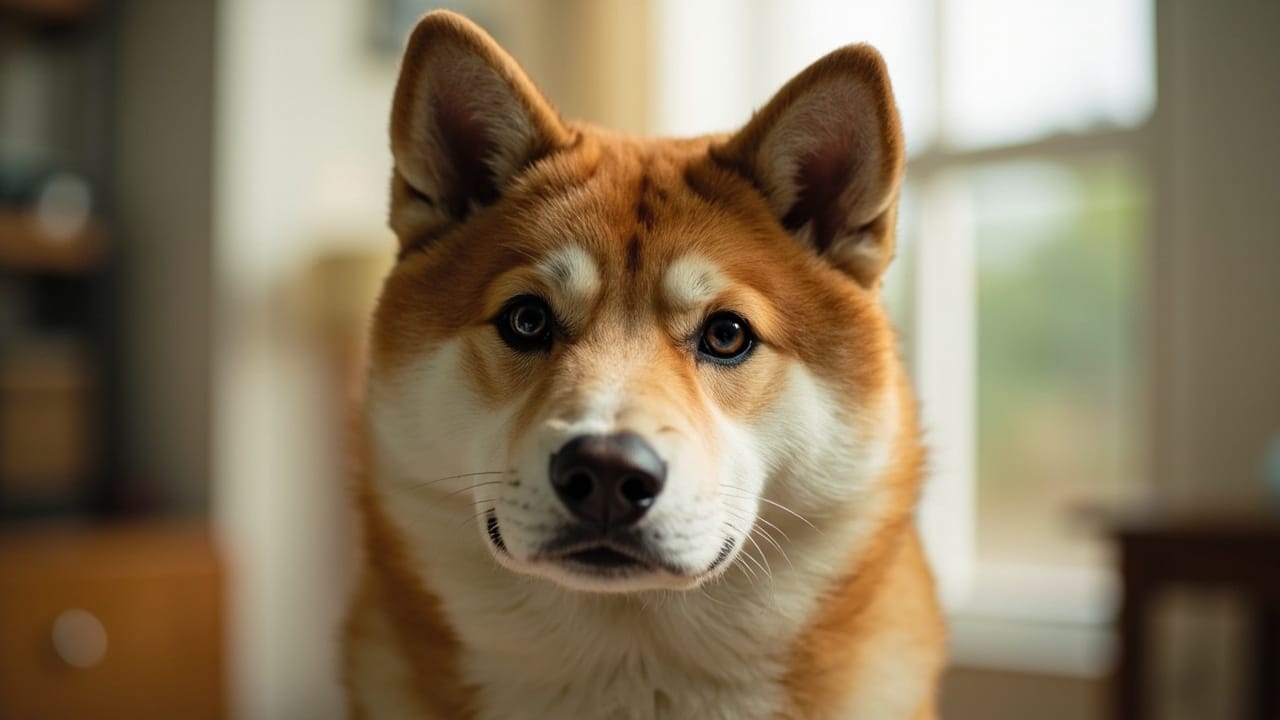
Cherry Eye in Shiba Inus: Causes, Treatment, and Recovery
Cherry eye in a Shiba Inu is a prolapsed third eyelid gland that appears as a red, swollen mass in the inner corner of the eye. It is not painful in itself but requires surgical correction by a veterinary ophthalmologist to prevent long-term dry eye and irritation. Most Shibas recover fully within 2–3 weeks after surgery.
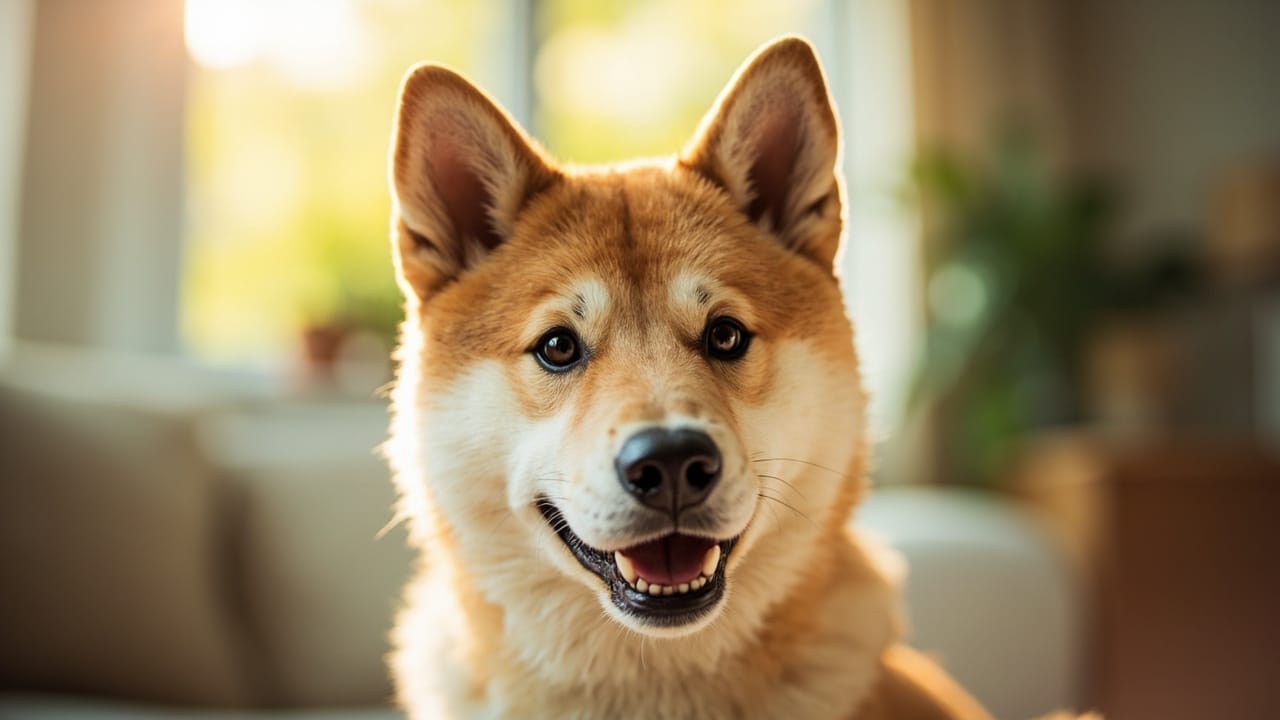
Does a Shiba Inu Need a Professional Dental Cleaning?
Yes. Shiba Inus need professional veterinary dental cleanings under anesthesia roughly every 1–2 years starting around age 3, since home brushing alone cannot remove the plaque and tartar that lead to periodontal disease — the most common health problem in the breed.
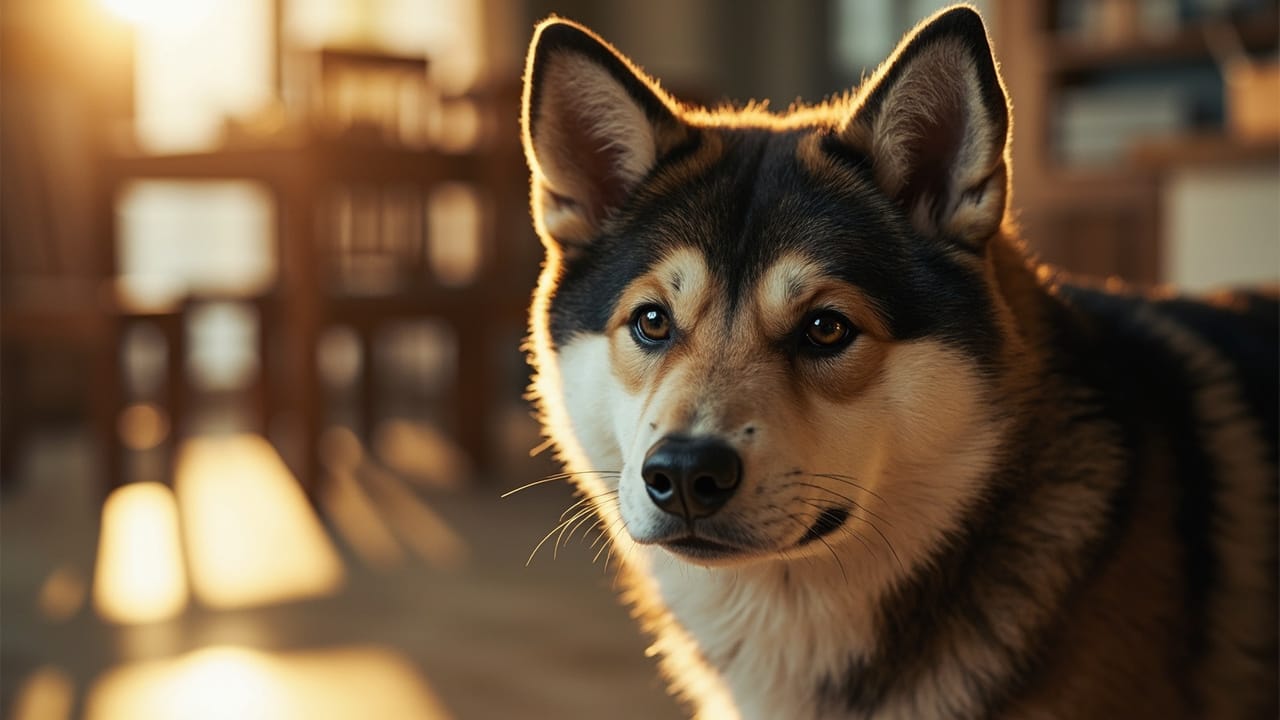
Tick-Borne Diseases in Shiba Inus: Symptoms, Risks & Prevention
Shiba Inus are vulnerable to the same tick-borne diseases as other dogs, with the most common being Lyme disease, ehrlichiosis, anaplasmosis, babesiosis, and Rocky Mountain spotted fever. Because Shibas have a thick double coat that can hide ticks, owners must check carefully after outdoor time. Year-round flea and tick prevention plus prompt tick removal are the best ways to protect your Shiba.
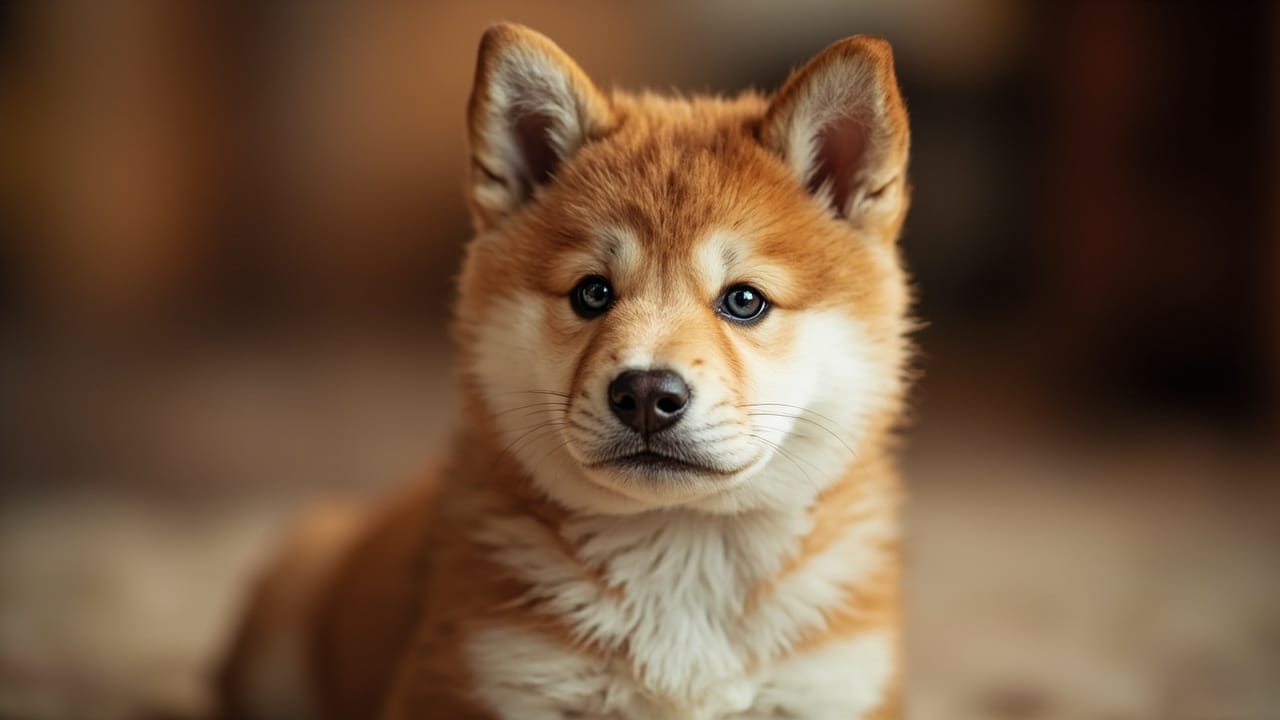
Early Signs of Parvo in a Shiba Inu Puppy: A Complete Guide
The earliest signs of parvo in a Shiba Inu puppy are lethargy, loss of appetite, and a sudden drop in energy, typically followed within 12–24 hours by vomiting and bloody diarrhea. Parvo progresses extremely fast—often within 24–72 hours—so any suspicion warrants an immediate emergency vet visit, as the survival rate drops sharply with each hour of delay.
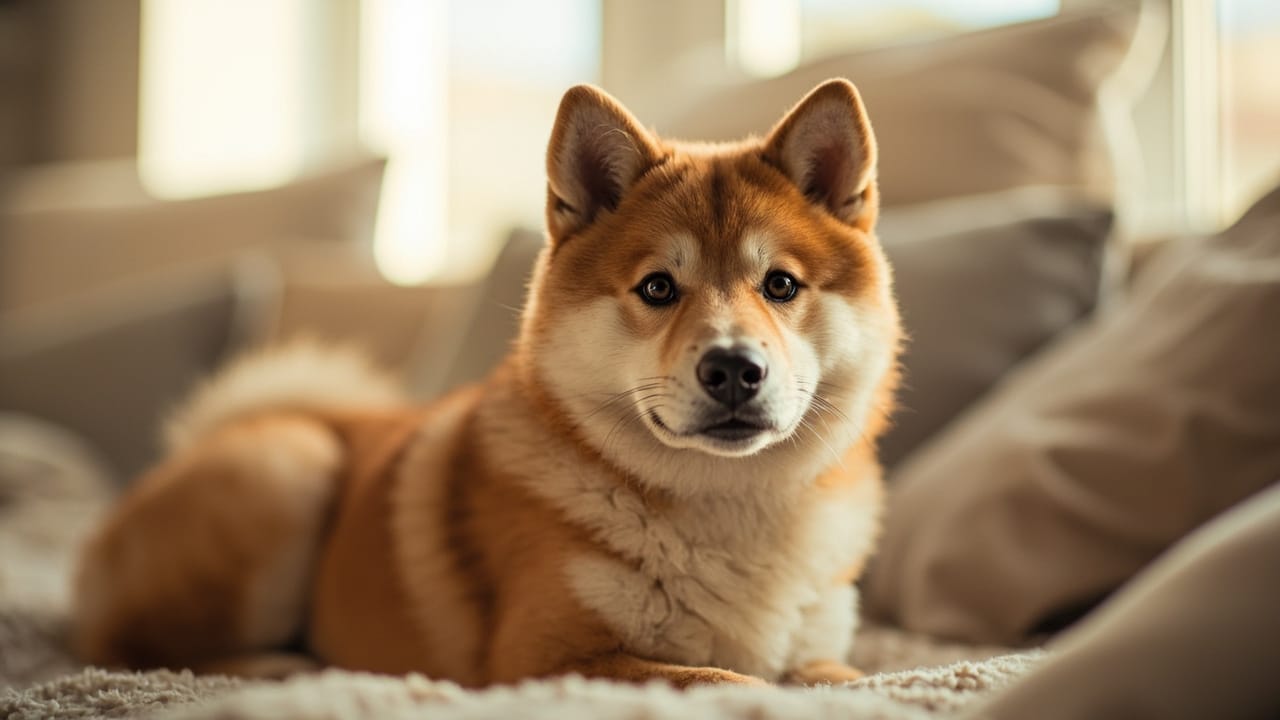
How to Treat Kennel Cough in a Shiba Inu: Complete Owner Guide
Most Shiba Inus with kennel cough recover in 2-3 weeks with rest, isolation, and supportive care, though severe cases need a vet-prescribed antibiotic or cough suppressant. Call your vet promptly because the Bordetella bronchiseptica infection can progress to pneumonia, especially in puppies, seniors, or stressed dogs.
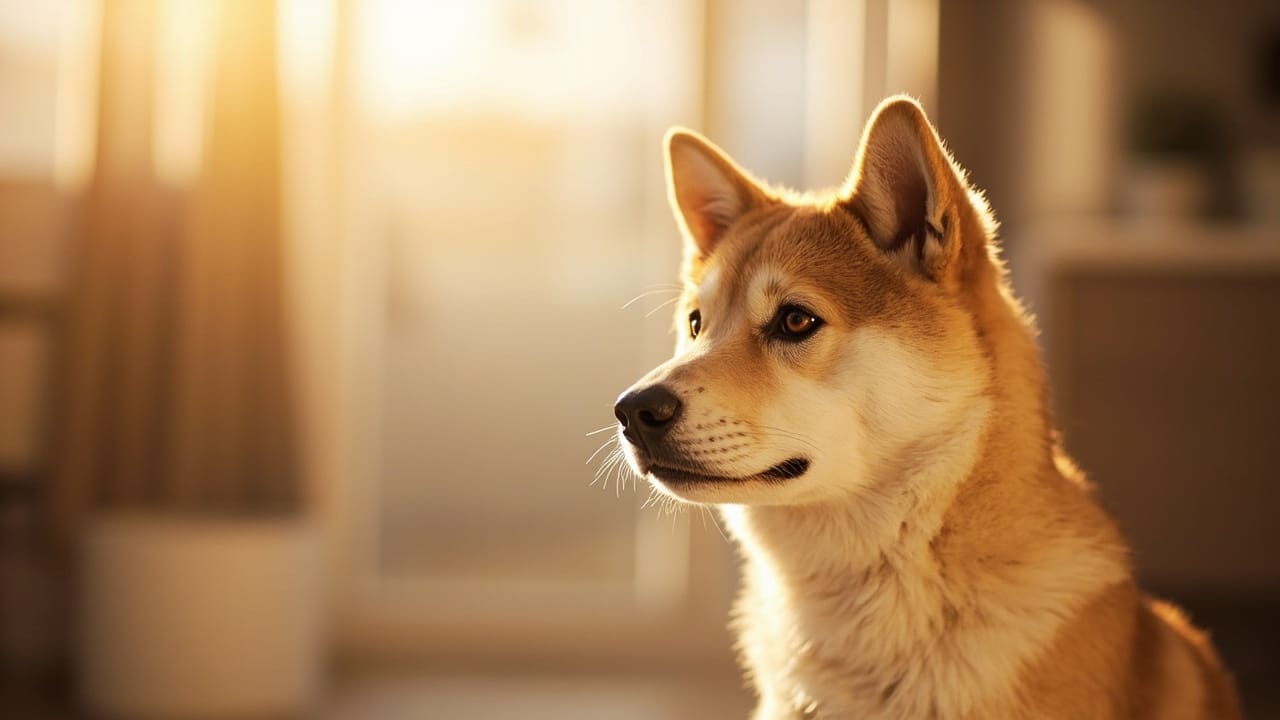
Urinary Tract Infection in Shiba Inus: 10 Warning Signs to Watch For
Urinary tract infections (UTIs) in Shiba Inus often show up as frequent urination, straining to pee, blood in the urine, and accidents in the house. Because Shibas are famously clean and house-trained, any sudden lapse in potty habits is one of the earliest red flags. If you notice these symptoms, a vet visit with a urine culture is essential — untreated UTIs can travel to the kidneys.
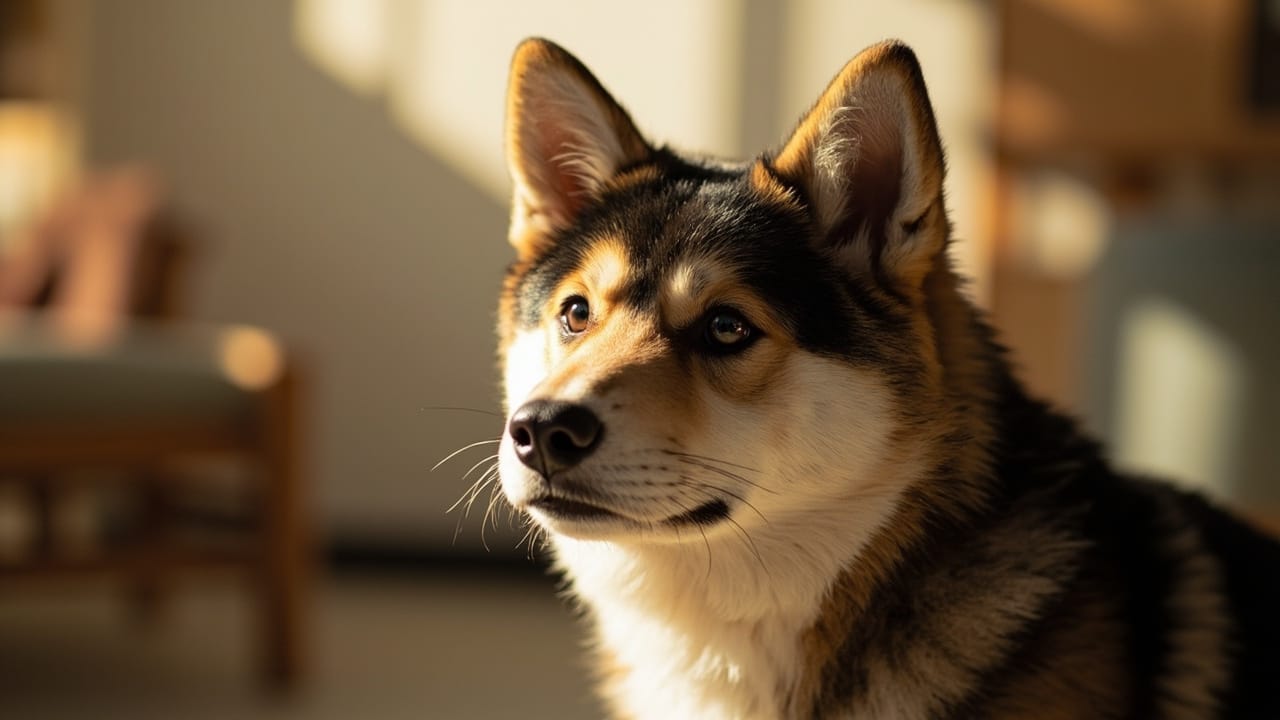
Shiba Inu Ear Infection: How to Spot and Treat It
A Shiba Inu ear infection shows up as head shaking, ear scratching, redness, odor, or dark discharge. Most are otitis externa caused by yeast or bacteria and are treated with vet-prescribed ear drops after cytology confirms the cause. Untreated infections can spread deeper, so see your vet within 24-48 hours of noticing symptoms.
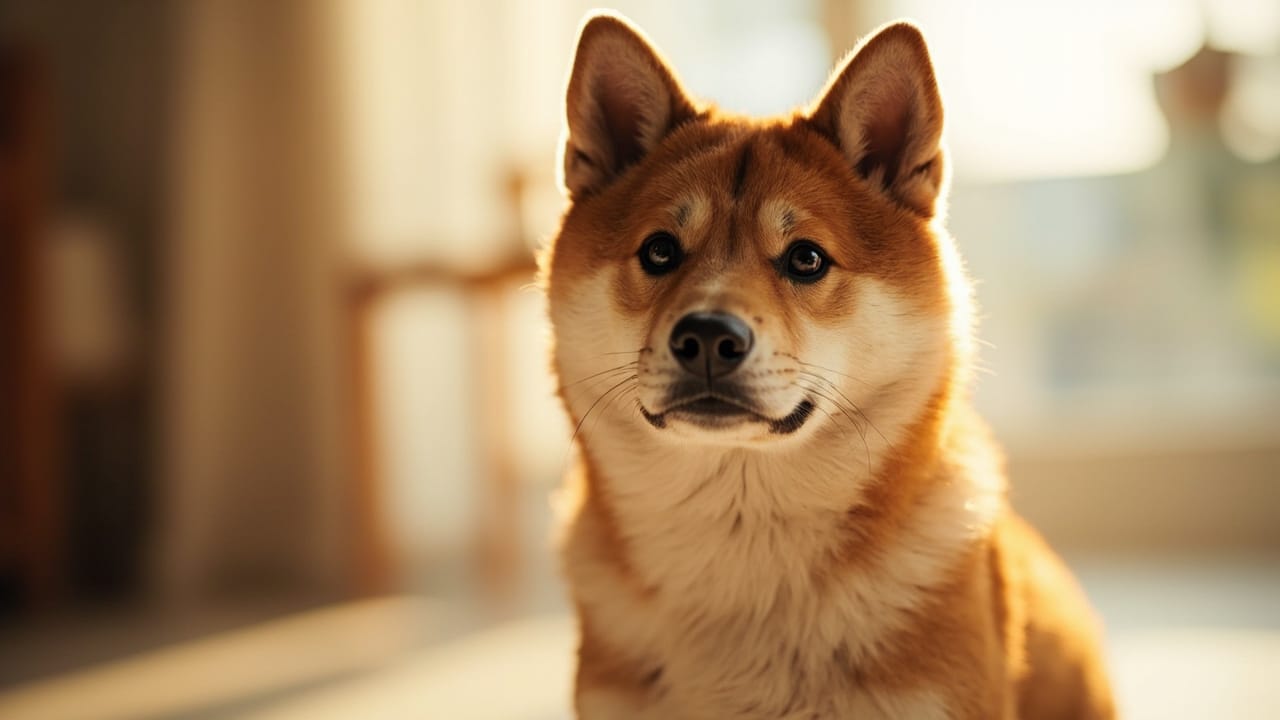
Does My Shiba Inu Have Food or Environmental Allergies? A Complete Guide
Yes, Shiba Inu can develop both food and environmental allergies, and atopic dermatitis is actually one of the most common skin conditions in the breed. Diagnosis requires a vet-supervised elimination diet for food allergies and intradermal or serum testing for environmental allergens, since symptoms overlap significantly.

7-Year-Old Shiba Inu: Health, Behavior & Care Changes
At 7, a Shiba Inu is entering its senior years. You can expect a slower metabolism, graying fur (especially around the muzzle), reduced stamina, and a higher risk of joint, eye, and thyroid problems. Most 7-year-old Shibas still act young at heart, but proactive vet care becomes essential from this age onward.

Are Shiba Inus at Risk of Bloat (GDV)? A Vet-Informed Guide
Shiba Inus are not among the high-risk breeds for bloat (gastric dilatation-volvulus), but the condition can still occur, especially in older dogs, deep-chested individuals, and those fed one large daily meal. Knowing the early signs and acting within minutes is what saves lives, because GDV is a true surgical emergency.

Shiba Inu Cancer Risks: What Every Owner Should Know
Shiba Inus are most at risk for lymphoma (including lymphosarcoma and mast cell tumors), hemangiosarcoma (often affecting the spleen or heart), and oral melanoma. Cancer typically appears in middle-aged to senior dogs (around 9–12 years), and early detection through regular vet checks dramatically improves outcomes.

Shiba Inu Annual Vet Costs: Complete 2025 Price Breakdown
Annual vet costs for a healthy adult Shiba Inu typically run $500–$900 per year for routine care (exams, vaccines, preventatives, bloodwork). Add $300–$700 for food, $200–$600 for grooming/dental, and you should budget $1,200–$2,500 total annually. Puppies and seniors cost more, often $2,000–$4,500+ per year.

Shiba Inu Diarrhea & Upset Stomach: What to Do (Vet-Informed Guide)
For a Shiba Inu with mild diarrhea or an upset stomach, withhold food for 12 hours but keep water available, then reintroduce a bland diet of boiled chicken and white rice in small portions. If diarrhea lasts more than 24 hours, contains blood, or is paired with vomiting, lethargy, or refusal to drink, see a veterinarian immediately.

Chylothorax in Shiba Inus: Causes, Symptoms, and Treatment
Chylothorax is the buildup of lymphatic fluid (chyle) in the chest cavity, putting pressure on the lungs. Shiba Inus are predisposed to it because of their narrow chest conformation and a higher rate of concurrent conditions like heart disease and lung torsion that trigger the leak. It is a serious, potentially life-threatening condition that requires prompt veterinary intervention.

GME in Shiba Inus: Symptoms, Diagnosis, and Treatment Guide
Granulomatous meningoencephalomyelitis (GME) is a serious inflammatory disease of the central nervous system that appears to occur with unusual frequency in Shiba Inus. It causes the immune system to attack the brain and spinal cord, leading to rapidly progressive neurological signs that require immediate veterinary care. With aggressive immunosuppressive treatment, many Shibas can achieve remission, though the disease is potentially life-threatening.

Shiba Inu Health Emergencies: What Every Owner Must Know
The most common Shiba Inu health emergencies are gastric dilatation-volvulus (bloat), heatstroke, toxin ingestion, traumatic injury, anaphylaxis, and acute eye injuries including glaucoma. Shibas are also prone to atopic dermatitis flare-ups, luxating patella, and hip dysplasia, all of which can become urgent if left untreated.

Is Pet Insurance Worth It for a Shiba Inu? Honest Cost Breakdown
Yes, pet insurance is generally worth it for a Shiba Inu. With a lifespan of 13–16 years and a predisposition to conditions like luxating patella, glaucoma, and atopic dermatitis, even one surgery can exceed $3,000–$5,000. A solid plan turns unpredictable emergencies into a manageable monthly expense, often paying for itself within a single vet visit.

Should You Spay or Neuter Your Shiba Inu? A Complete Guide
Yes, most Shiba Inu owners should spay or neuter their dog, but timing matters. The traditional 6-month spay/neuter is being reconsidered for Shibas due to breed-specific orthopedic and cancer risks, and many veterinarians now recommend waiting until 12-18 months for males and after the first heat for females.

When Should You Spay or Neuter a Shiba Inu? Vet-Informed Timing Guide
Most veterinarians recommend spaying or neutering a Shiba Inu between 6 and 9 months of age, though recent research suggests waiting until skeletal maturity (12-18 months) may reduce orthopedic and certain cancer risks. The best timing balances population health, behavioral benefits, and breed-specific risks like patellar luxation and hip dysplasia. Always consult your veterinarian to tailor the decision to your individual dog.
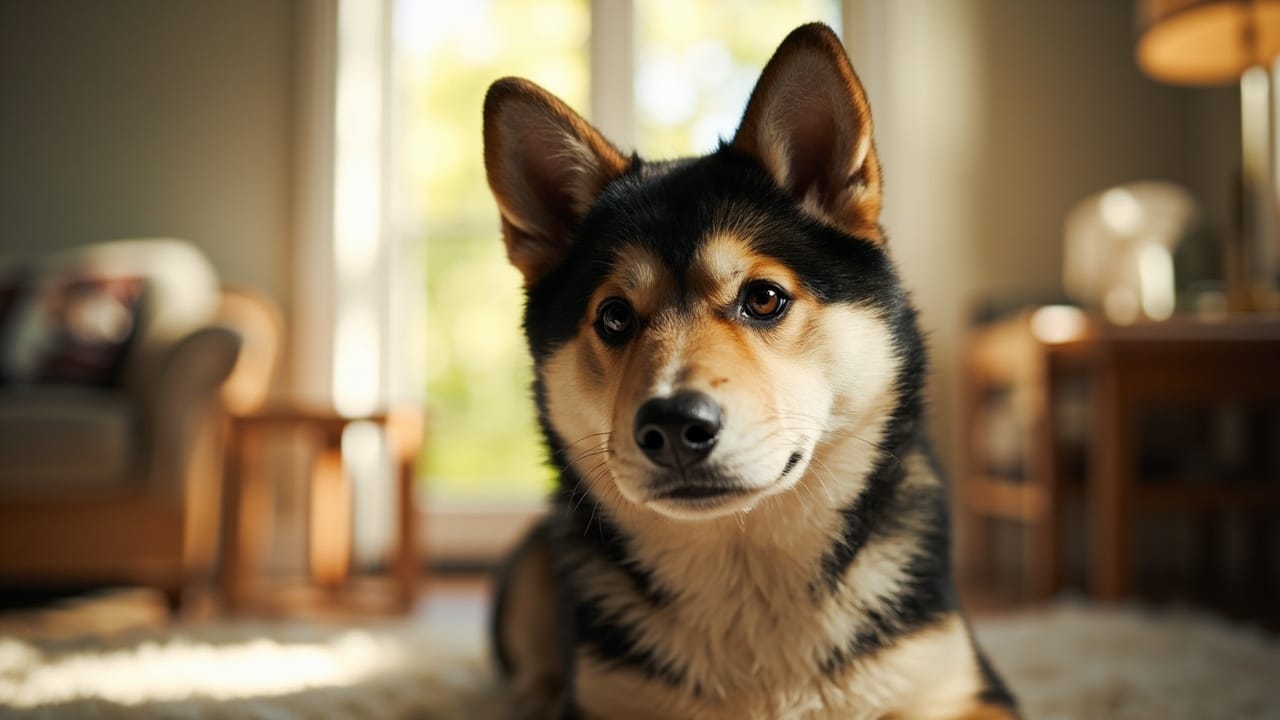
How to Protect a Shiba Inu from Fleas, Ticks, and Worms: Complete Guide
A complete parasite protection plan for a Shiba Inu combines year-round flea and tick preventives, monthly heartworm prevention, and regular deworming based on fecal testing. Because Shibas have a high risk of atopic dermatitis, flea bites can trigger severe skin flare-ups, making consistent prevention essential rather than reactive.
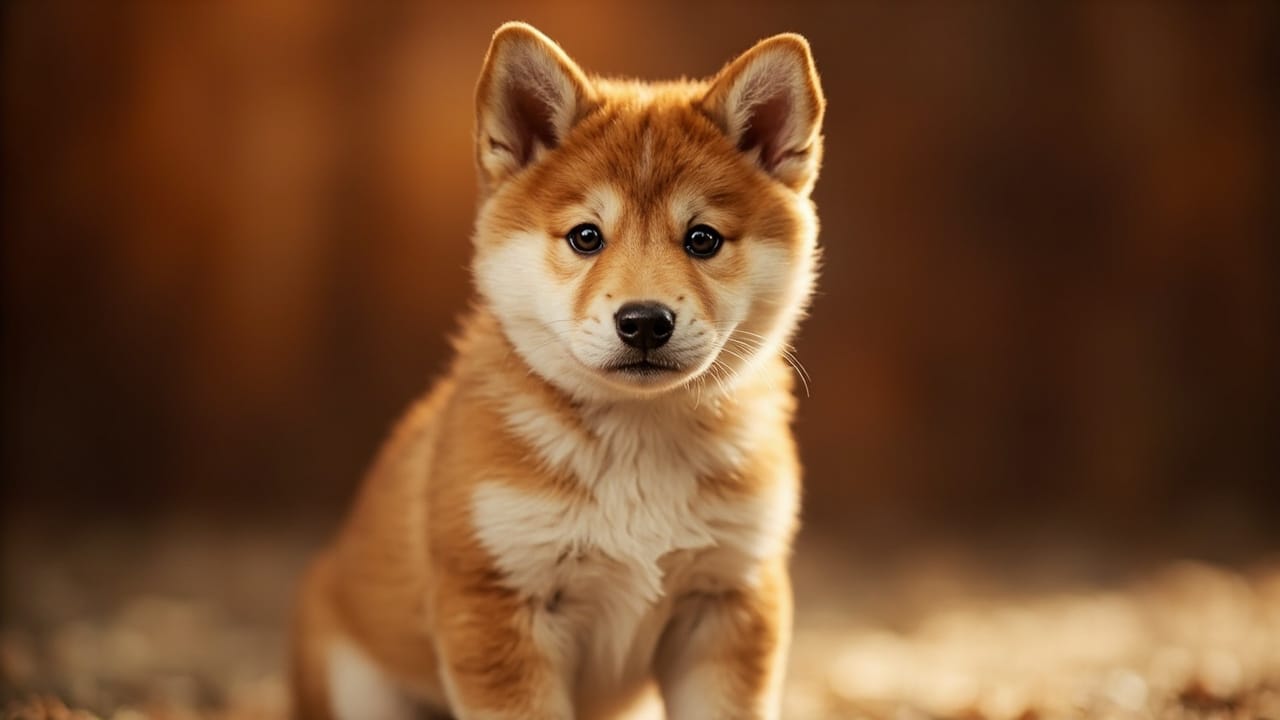
Shiba Inu Puppy Vaccination Schedule: Complete Guide for New Owners
Shiba Inu puppies follow the standard canine vaccination schedule: first core vaccines (DHPP) at 6-8 weeks, then boosters every 2-4 weeks until 16-20 weeks, with rabies typically given at 12-16 weeks. Annual or triennial boosters maintain protection throughout their 13-16 year lifespan.

Senior Shiba Inu Care: Aging Signs and End-of-Life Support
Shiba Inus are one of the longest-lived breeds at 13–16 years, and most enter their senior years around 9–10. Quality end-of-life support centers on early recognition of aging signs, proactive veterinary care, mobility and comfort adjustments at home, and informed, compassionate decisions when quality of life declines.

Shiba Inu Breeder Health Tests: OFA, CHIC, and Patella Guide
A responsible Shiba Inu breeder performs at minimum OFA hips, OFA patellas, and a CAER (formerly CERF) eye exam — together these form the CHIC certification required by the national breed club. Genetic testing for PRA, glaucoma, and thyroid function is also strongly recommended before breeding.

Shiba Inu Hypothyroidism: Signs, Diagnosis, and Management
Yes, Shiba Inus are predisposed to hypothyroidism, typically developing it between ages 4 and 10. Watch for unexplained weight gain, lethargy, bilateral hair loss (especially on the tail and flanks), cold intolerance, and recurring skin or ear infections. Diagnosis requires blood tests (T4, TSH, free T4), and treatment is a daily levothyroxine tablet that usually restores normal energy within weeks.

Shiba Inu Eye Diseases: Glaucoma, Cataracts, and PRA Explained
Shiba Inus are prone to three notable hereditary eye conditions: primary closed-angle glaucoma, cataracts, and progressive retinal atrophy (PRA). All three can lead to blindness if untreated, but early detection through annual CERF/OFA eye exams dramatically improves outcomes. Responsible breeders screen breeding stock, and affected dogs can often live full, comfortable lives with prompt veterinary care.

Shiba Inu Hip Dysplasia and Luxating Patella: Joint Health Explained
Shiba Inus can develop hip dysplasia and luxating patella, two of the breed's most common orthopedic joint conditions. Hip dysplasia affects the hip socket and occurs in roughly 7.6% of Shibas screened by OFA, while luxating patella involves a kneecap that slips out of place and is graded from I to IV in severity.

Do Shiba Inus Have Allergies? Shiba Inu Skin Problems & Atopic Dermatitis Guide
Yes, Shiba Inus are prone to allergies and skin problems, with atopic dermatitis (environmental allergies) being one of the most common conditions in the breed. Typical signs include itching, redness, ear infections, and "hot spots" on the belly, paws, and face. Management combines allergy testing, diet, medicated baths, and—in moderate-to-severe cases—immunotherapy or Apoquel.

Common Shiba Inu Health Problems Every Owner Should Know
Shiba Inus are a long-lived breed (13–16 years) but are prone to specific health issues. The most common are atopic dermatitis, luxating patella, hip dysplasia, primary closed-angle glaucoma, cataracts, progressive retinal atrophy (PRA), and hypothyroidism. Responsible breeders test through CHIC (OFA hips, patella, and a CERF/CAER eye exam) to reduce these risks.

Shiba Inu Lifespan: How Long Do Shibas Live? (13-16 Years)
The Shiba Inu lifespan is typically 13 to 16 years, making it one of the longest-lived dog breeds. Most well-cared-for Shibas reach at least 12 years, with many living to 14 or older when given proper nutrition, regular vet care, and appropriate exercise.