Shiba Inu Guides & Articles
Expert, well-sourced answers to every Shiba Inu question — care, training, health, cost and more.
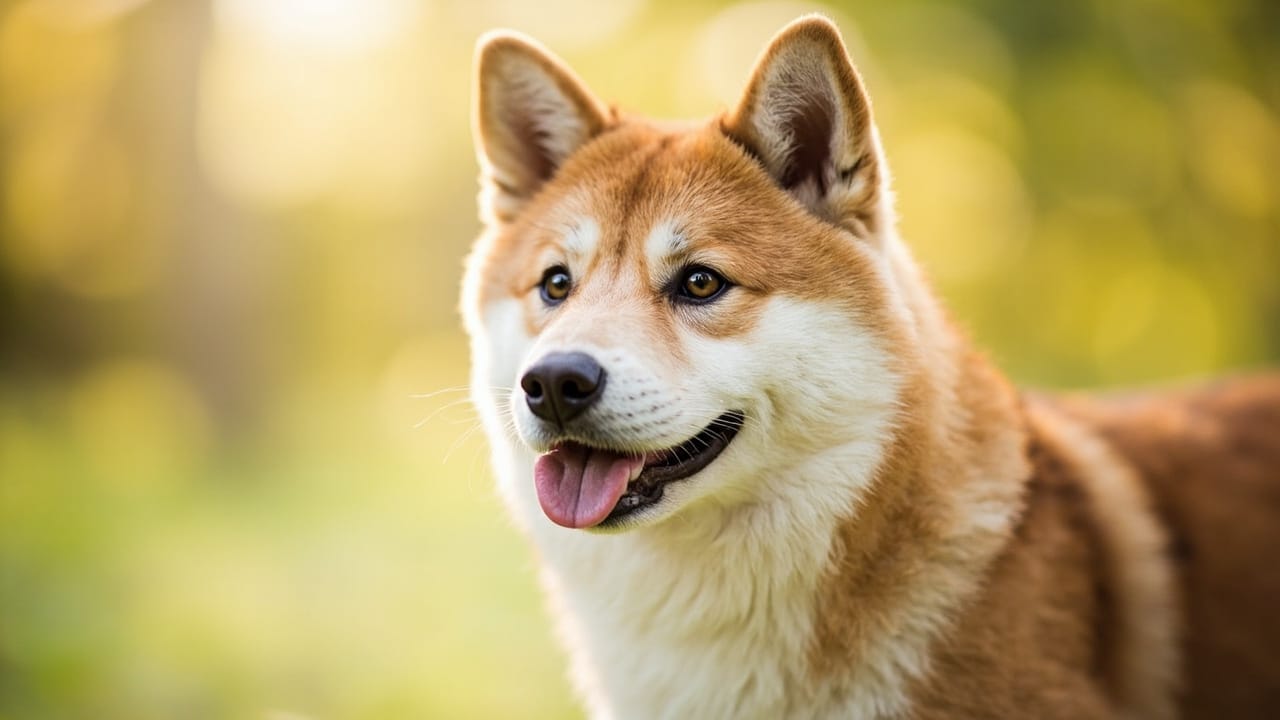
Mame Shiba Daily Care, Exercise & Grooming Guide
A Mame Shiba needs the same care routine as a standard Shiba Inu—just in a smaller package. Expect 30–60 minutes of daily exercise, weekly brushing (with twice-yearly coat blowouts), high-quality kibble portions around ¼–½ cup daily, and consistent training to manage the breed's strong prey drive and escape-artist tendencies.
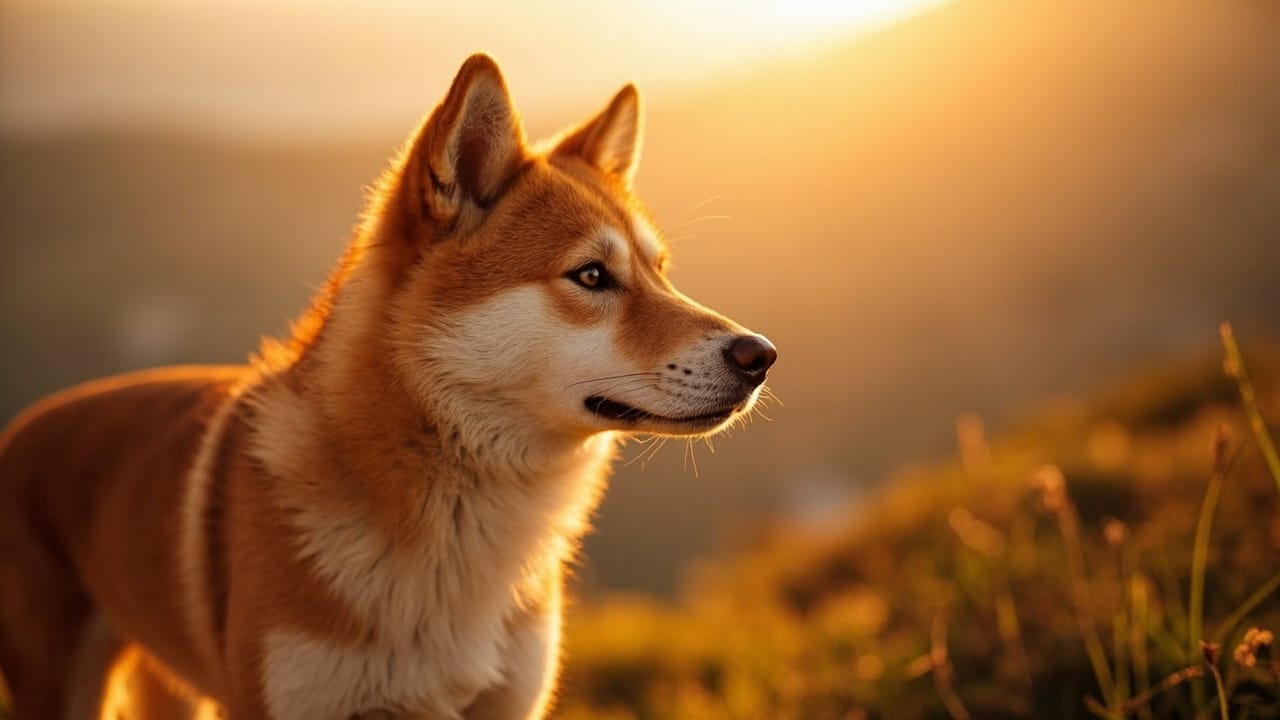
Is a Shiba Inu a Good Hiking Companion in the European Alps?
Yes — with proper conditioning, gradual acclimatization, and key precautions for altitude, snow, and wildlife, a healthy adult Shiba Inu can be an excellent Alps hiking partner. Their compact size, sturdy build, and weatherproof double coat handle Alpine terrain well, though they are not built for extreme alpine tours above 2,500 m or technical scrambling.
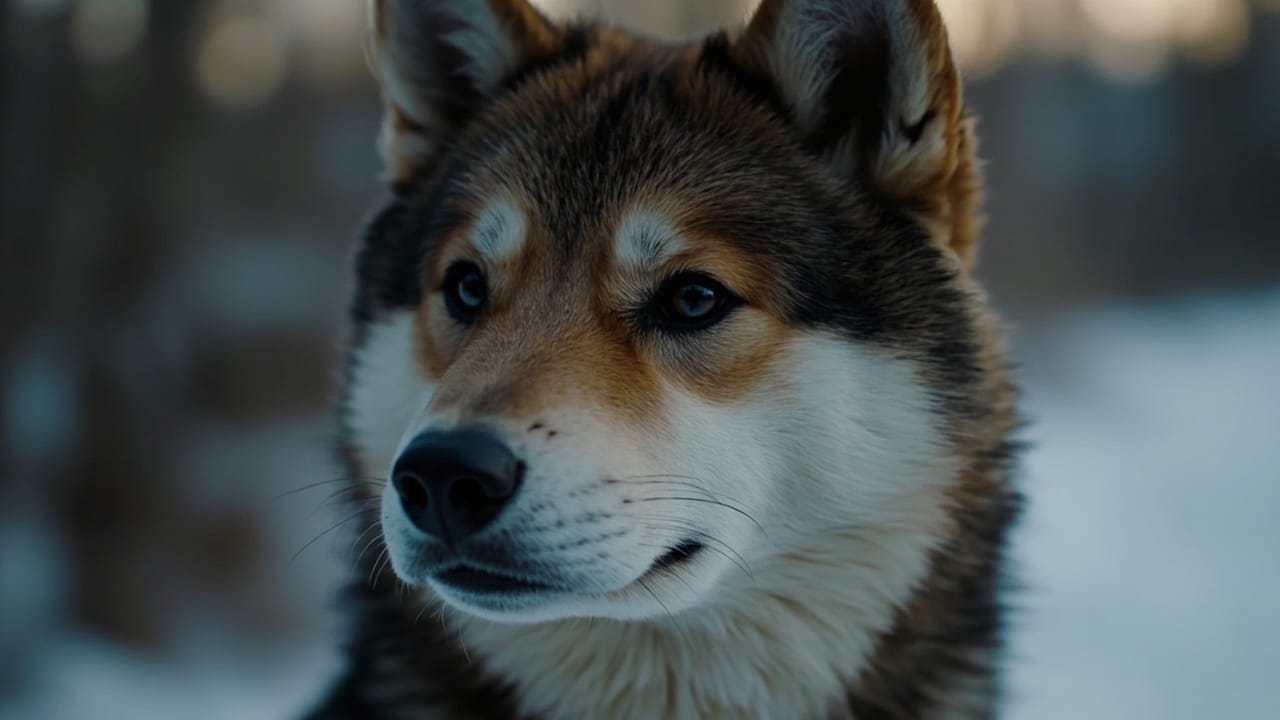
Shiba Inu Coat Blow in Northern European Climates: What to Expect
A Shiba Inu's coat blow behaves more dramatically in cold northern European climates than in temperate zones, with longer and more intense shedding cycles triggered by extreme seasonal temperature swings. Owners should expect two major blows per year (spring and autumn) lasting 4–8 weeks each, plus increased year-round fluffing during damp, dark winters.
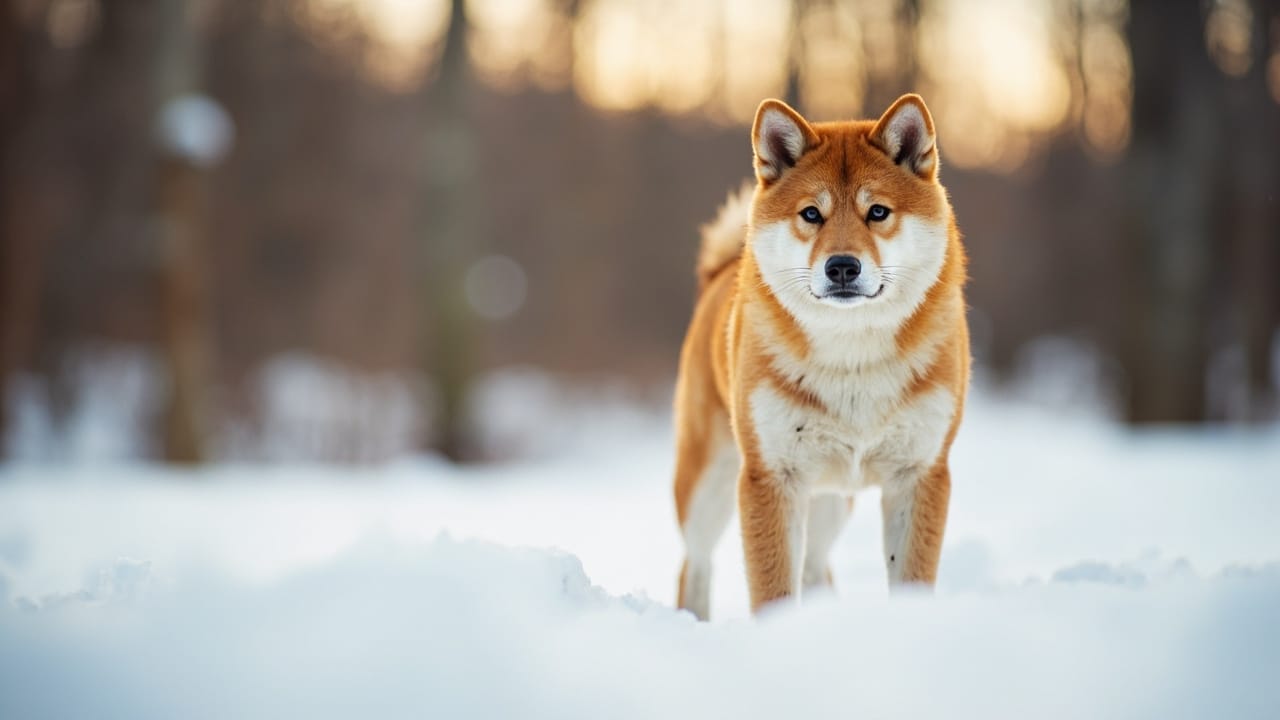
Caring for a Shiba Inu Through a Scandinavian Winter: Complete Guide
Shiba Inus handle Scandinavian cold remarkably well thanks to their dense double coat, but winter care still requires attention. Focus on paw protection from ice and salt, adjusted feeding for higher caloric burn, visible walks in low daylight, and indoor humidity to prevent dry skin.
Keeping a Shiba Inu Safe in Mediterranean Summer Heat
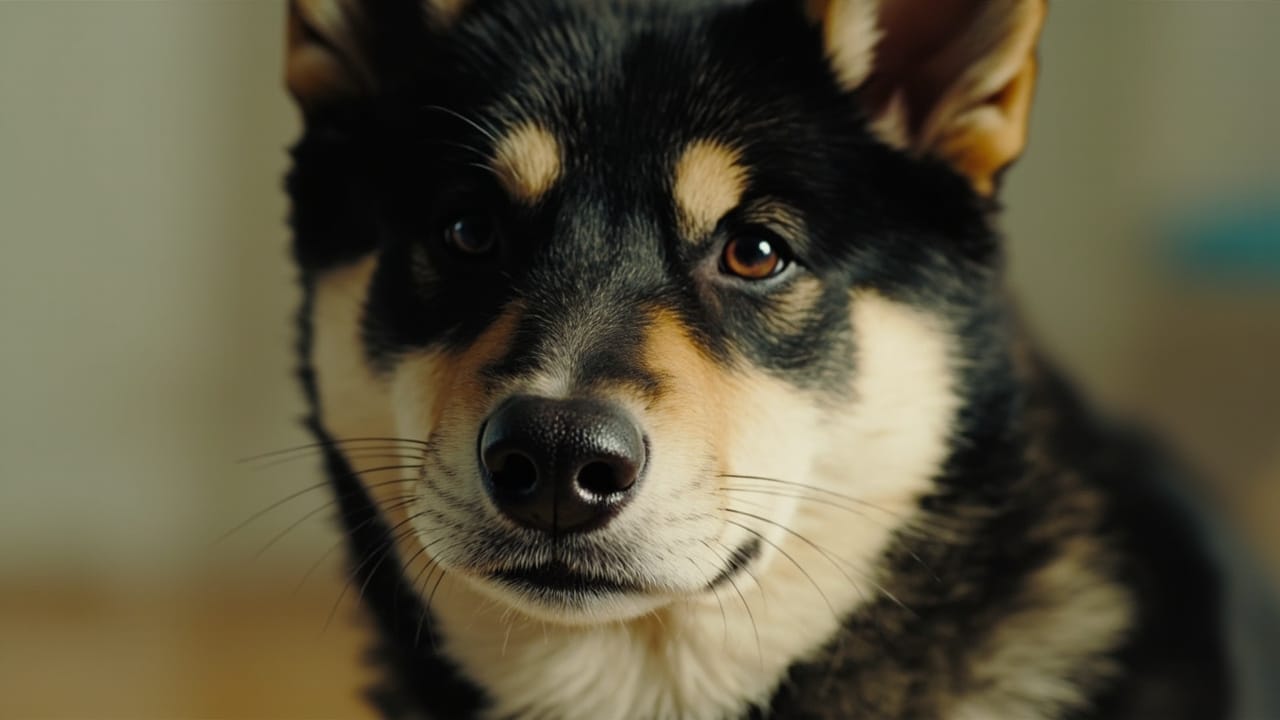
Shiba Inus are not built for hot Mediterranean summers. Provide constant shade, fresh water, and limit walks to early morning or after sunset when pavement cools below 25°C. Watch for excessive panting, drooling, and bright red gums — these are heatstroke warning signs requiring immediate cooling and vet attention.
Keeping a Shiba Inu Cool Through a Greek Summer: Complete Guide
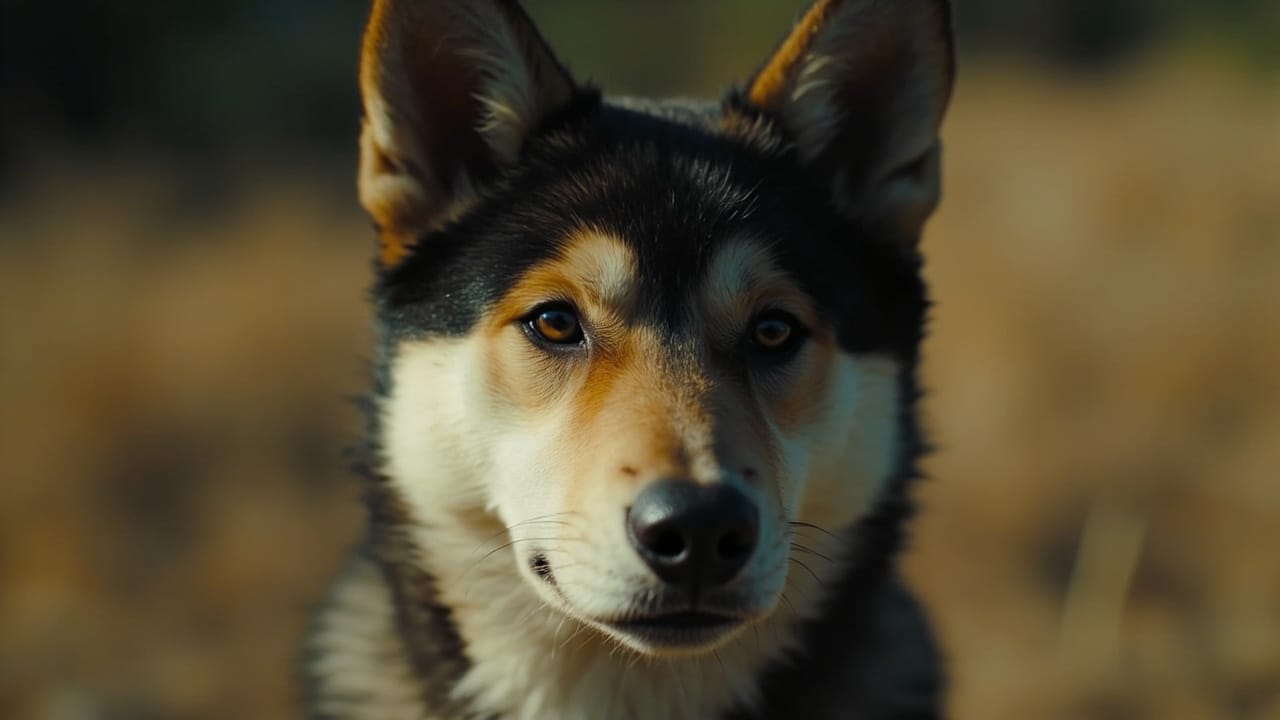
A Shiba Inu can handle Greek summer heat if you manage the four essentials: shade and air-conditioned indoor rest during midday, constant access to fresh cool water, early-morning and late-evening walks only, and avoiding any car travel. Never shave the double coat; it actually insulates against heat. Watch for heatstroke signs: heavy panting, drooling, glazed eyes, or collapse.
How Much Food Should a Shiba Inu Eat Per Day? (Feeding Chart by Weight)
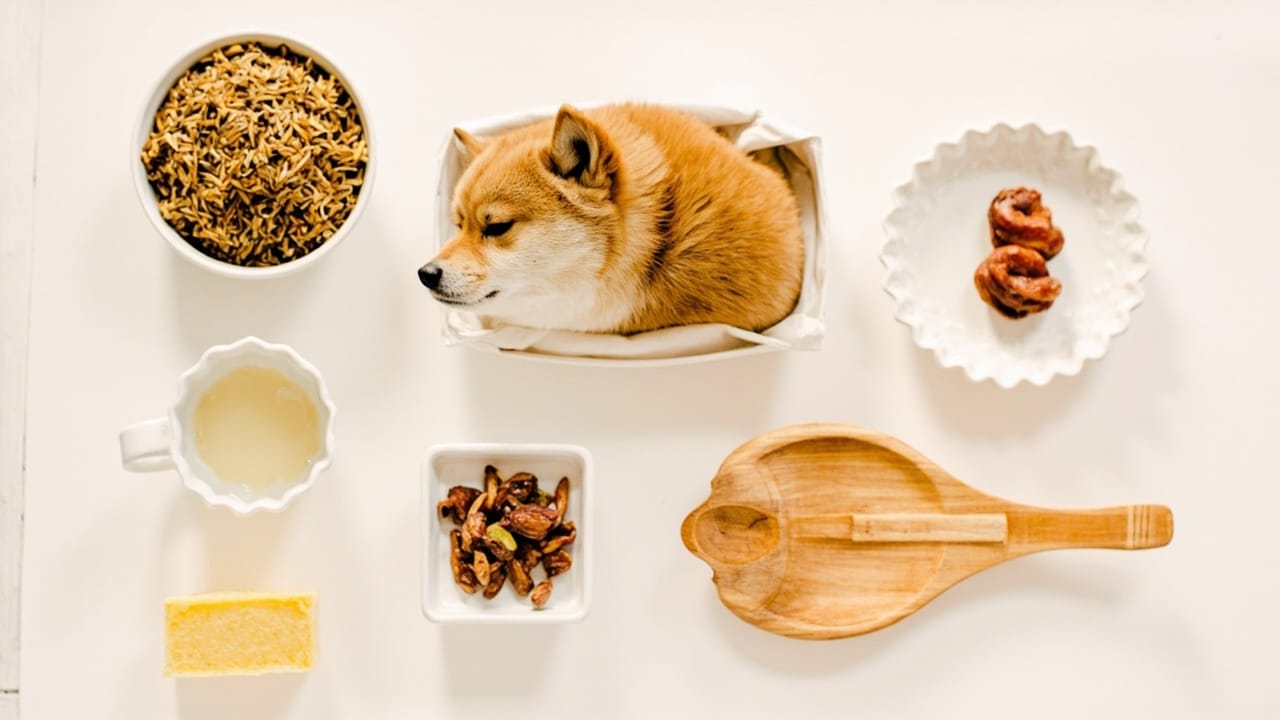
An adult Shiba Inu typically eats about 1 to 1.5 cups (230–340 g) of high-quality kibble per day, split into two meals. Puppies need roughly 1.5–2.5 cups daily across 3–4 meals, while senior Shibas usually drop to about 0.75–1 cup. Exact amounts depend on weight, activity level, body condition, and calorie density of the food.
Best Supplements for Shiba Inus: What to Give and Why
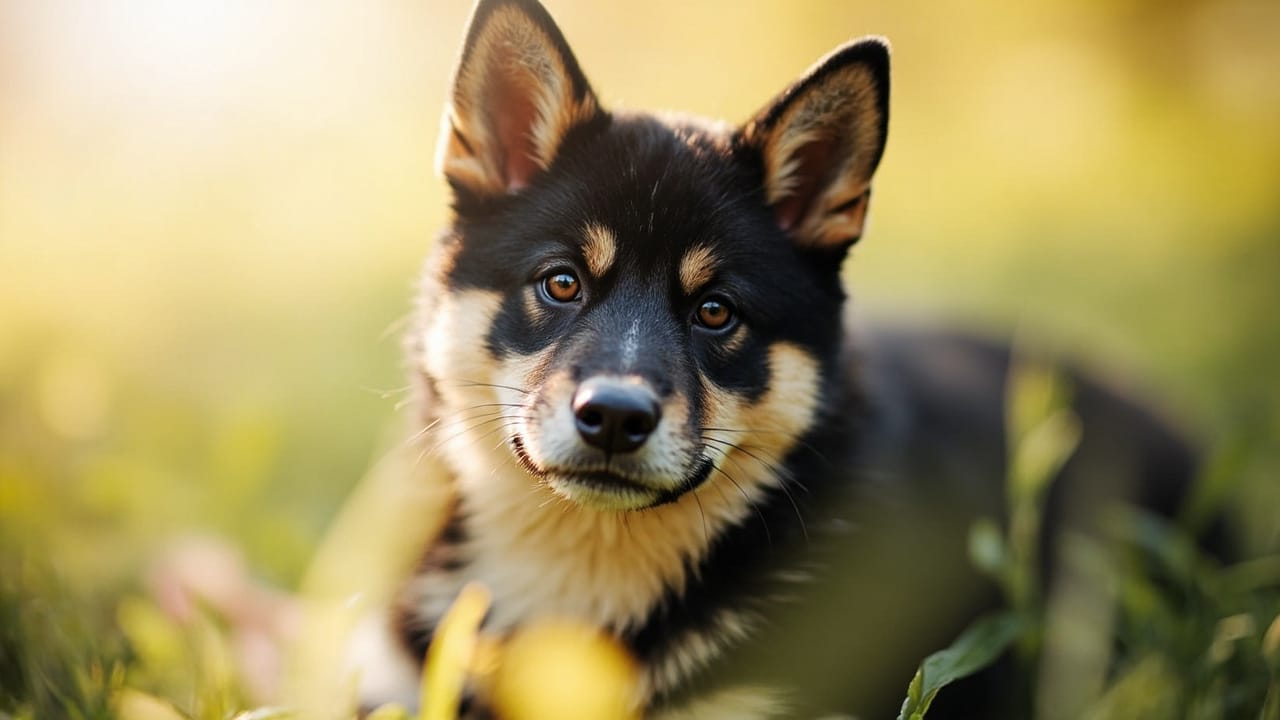
Shiba Inus benefit most from omega-3 fatty acids for skin and coat health, glucosamine and chondroitin for joint support, and probiotics for digestion. Most healthy Shibas eating a complete, AAFCO-approved diet only need targeted supplements for specific issues like coat blow, allergies, or joint aging rather than a general multivitamin.
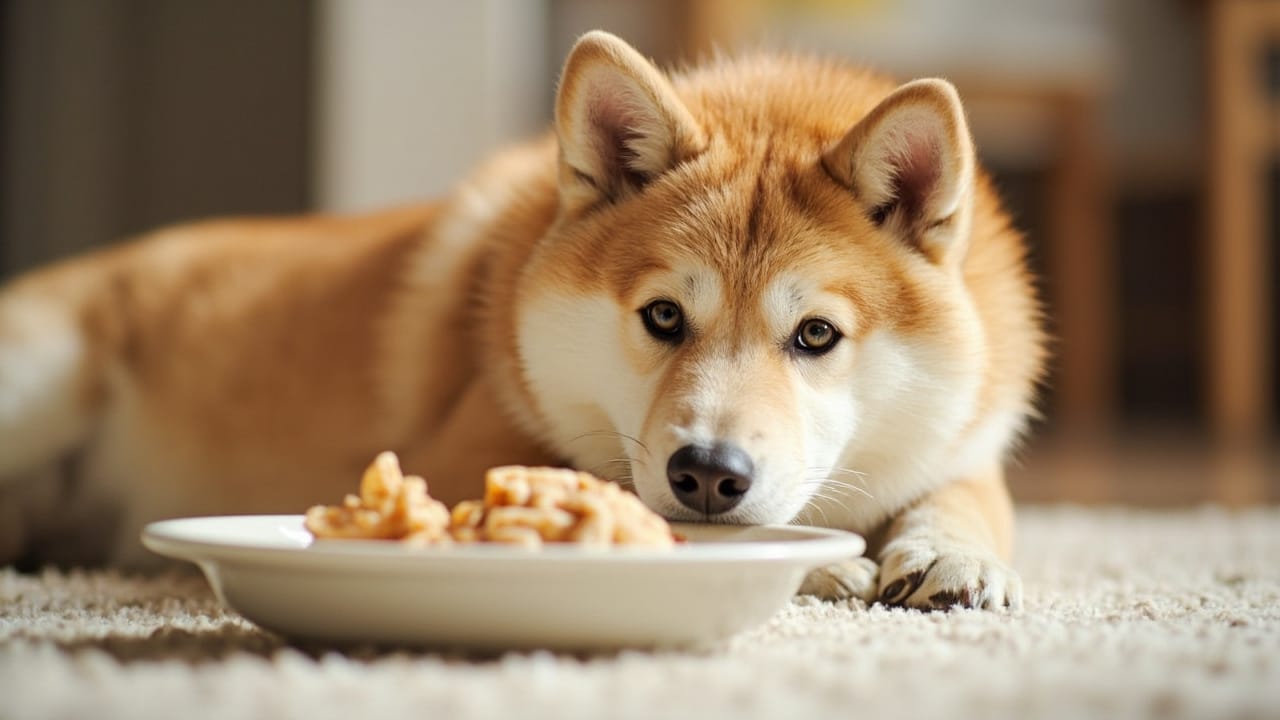
Best Treats for a Shiba Inu: Vet-Approved Guide for 2025
The best treats for a Shiba Inu are small, low-calorie, single-ingredient options made in North America, the EU, or another country with strict pet-food safety standards. Skip anything with artificial additives, and remember that treats should make up no more than 10% of daily calories to prevent the weight gain this naturally lean breed is prone to.
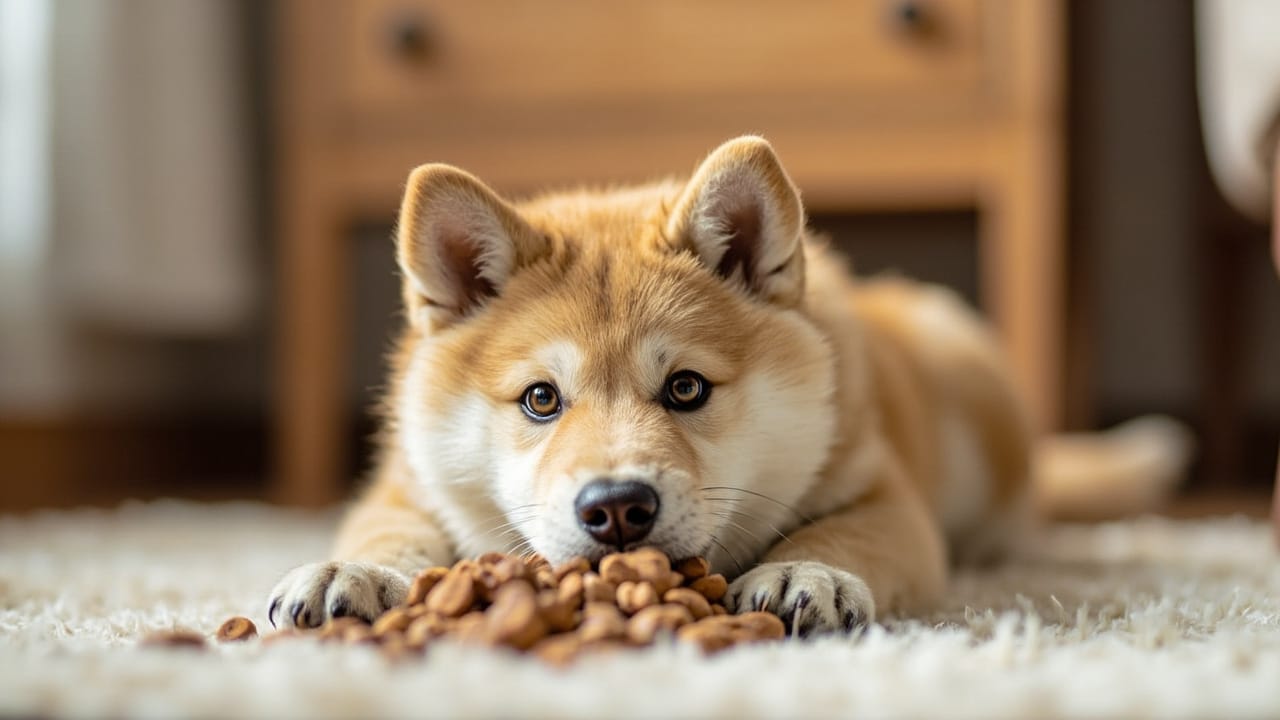
Raw Diet vs Kibble for Shiba Inu: Which Is Better?
Neither raw nor kibble is universally superior for a Shiba Inu. A balanced raw diet supports coat quality and lean muscle but requires careful handling and supplementation, while high-quality kibble is safer, more convenient, and formulated to prevent the nutritional gaps raw feeding can create. The best choice is the one you can prepare and store safely every single day.
Foods Toxic to Shiba Inus: Complete Safety Guide
Chocolate, grapes, raisins, onions, garlic, macadamia nuts, xylitol, alcohol, and raw bread dough are among the most dangerous foods for Shiba Inus. Even small amounts of xylitol or grapes can cause life-threatening reactions, so keep human snacks locked away and feed a species-appropriate diet.
Human Foods Shiba Inus Can Safely Eat (Complete Vet-Informed List)
Shiba Inus can safely eat many human foods, including plain cooked lean meats (chicken, turkey, beef), white fish, eggs, plain rice, oats, certain fruits (blueberries, apple slices, banana, watermelon), and dog-safe vegetables (carrots, pumpkin, sweet potato, green beans, cucumber). Always serve plain, cooked, boneless, seedless, and in moderation — and avoid toxic staples like chocolate, grapes, onions, garlic, xylitol, and macadamia nuts.
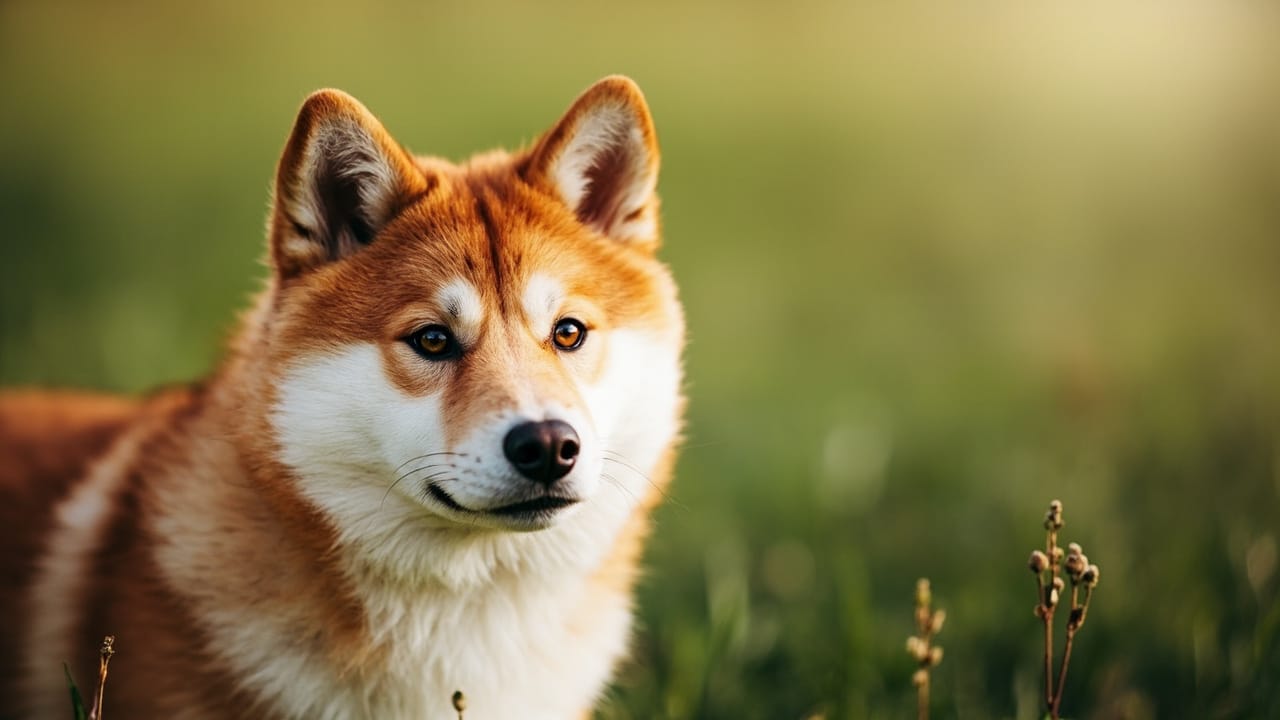
Best Shampoo for Shiba Inu: A Vet-Informed Guide to Coat & Skin Care
The best shampoo for a Shiba Inu is a gentle, pH-balanced dog shampoo (ideally pH 6.0–7.5) with oatmeal or aloe for sensitive skin. Avoid human shampoos and harsh sulfates, as the Shiba's double coat and skin barrier are easily disrupted — atopic dermatitis is already common in the breed.
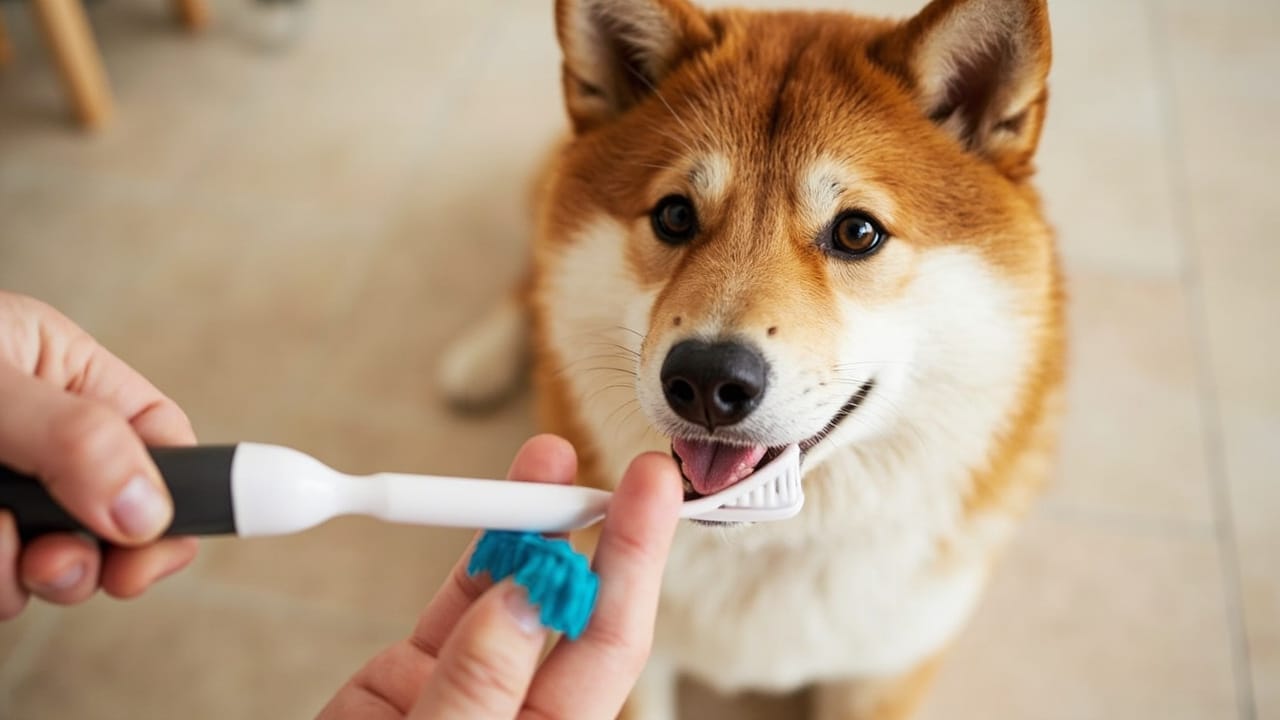
Brushing Your Shiba Inu's Teeth: A Complete Guide
Brush your Shiba Inu's teeth 3-5 times per week using a dog-specific toothbrush and enzymatic toothpaste (never human toothpaste). Daily brushing is ideal, but most Shibas do well with a consistent every-other-day routine that significantly reduces plaque, tartar, and the risk of periodontal disease.
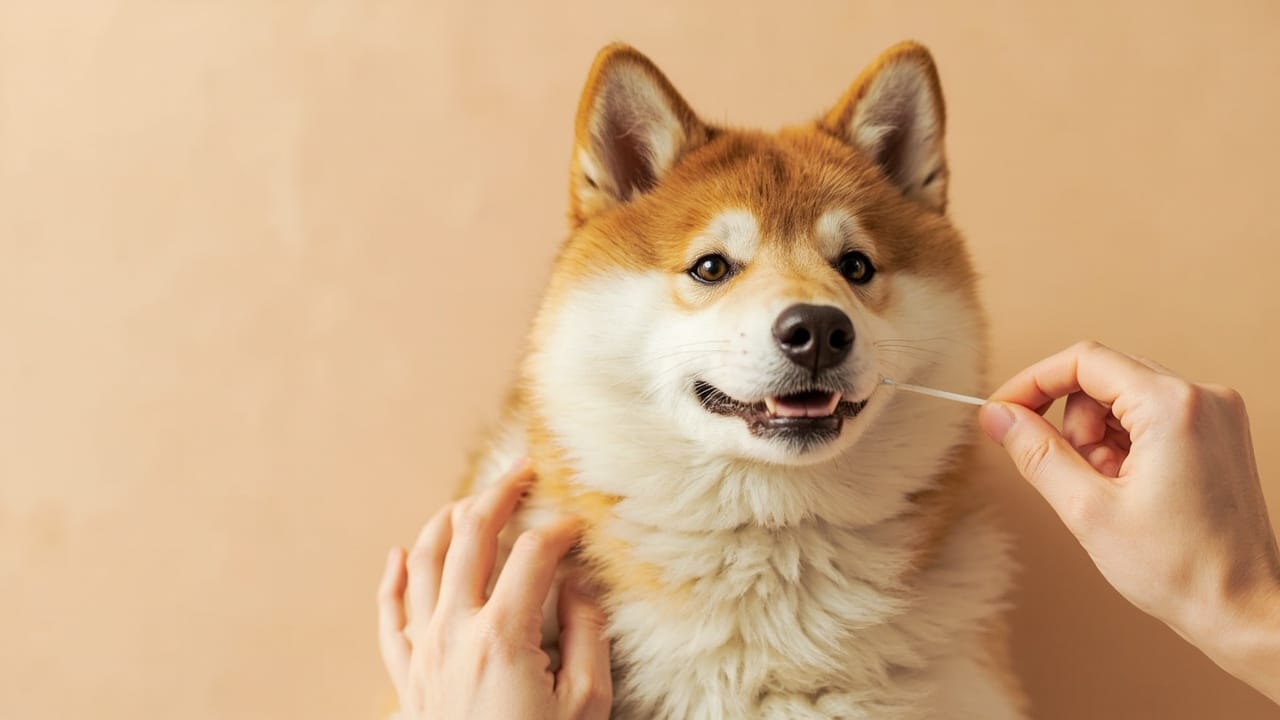
Do Shiba Inus Need Their Anal Glands Expressed? (How To Do It Safely)
Most Shiba Inus do not need routine anal gland expression — healthy Shibas typically empty their glands naturally during defecation. However, if your Shiba is scooting, licking, or has a fishy odor, the glands may need to be manually expressed by a vet, groomer, or at home using the correct external or internal technique.
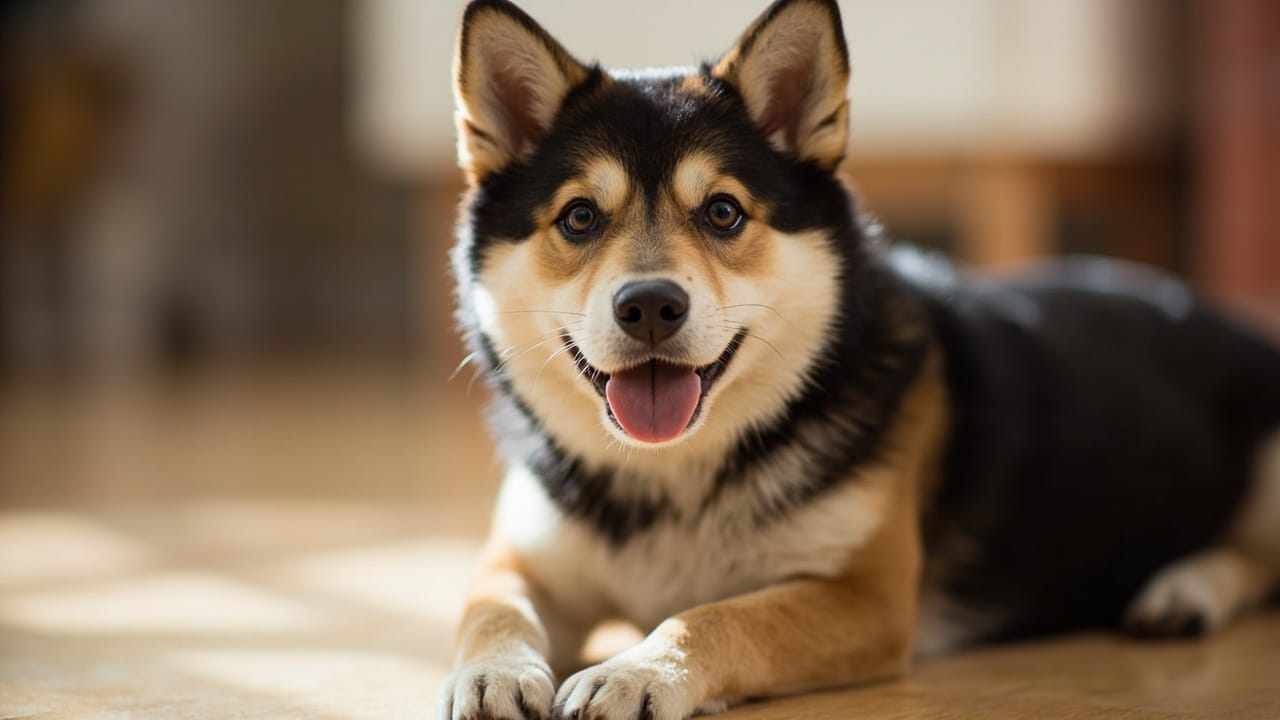
Trimming a Shiba Inu's Nails: Clipper vs. Grinder Guide
Use sharp dog nail clippers or a Dremel-style grinder to take a Shiba Inu's nails back to just above the quick, cutting a tiny bit every 7-10 days. Clippers are faster and cheaper; grinders give a smoother, rounder finish and make it easier to avoid the quick on dark nails. Most Shiba owners do best with a clipper for maintenance and a grinder for weekly smoothing.
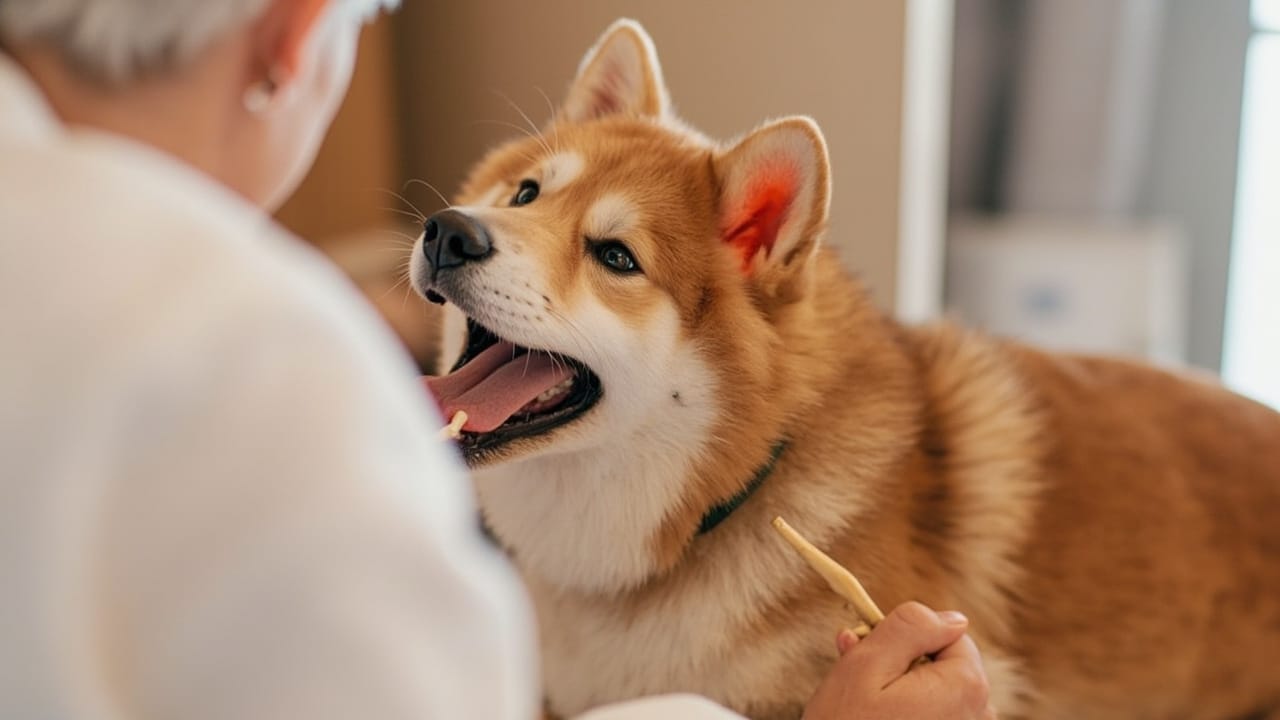
How to Clean Your Shiba Inu's Ears at Home: A Step-by-Step Guide
Clean your Shiba Inu's ears at home using a vet-approved dog ear cleaner, cotton balls, and gentle technique. Lift the ear flap, fill the canal with cleaner, massage the base for 20–30 seconds, then let your Shiba shake it out before wiping away debris. Clean only when visibly dirty or every 2–4 weeks — over-cleaning disrupts the ear's natural balance.
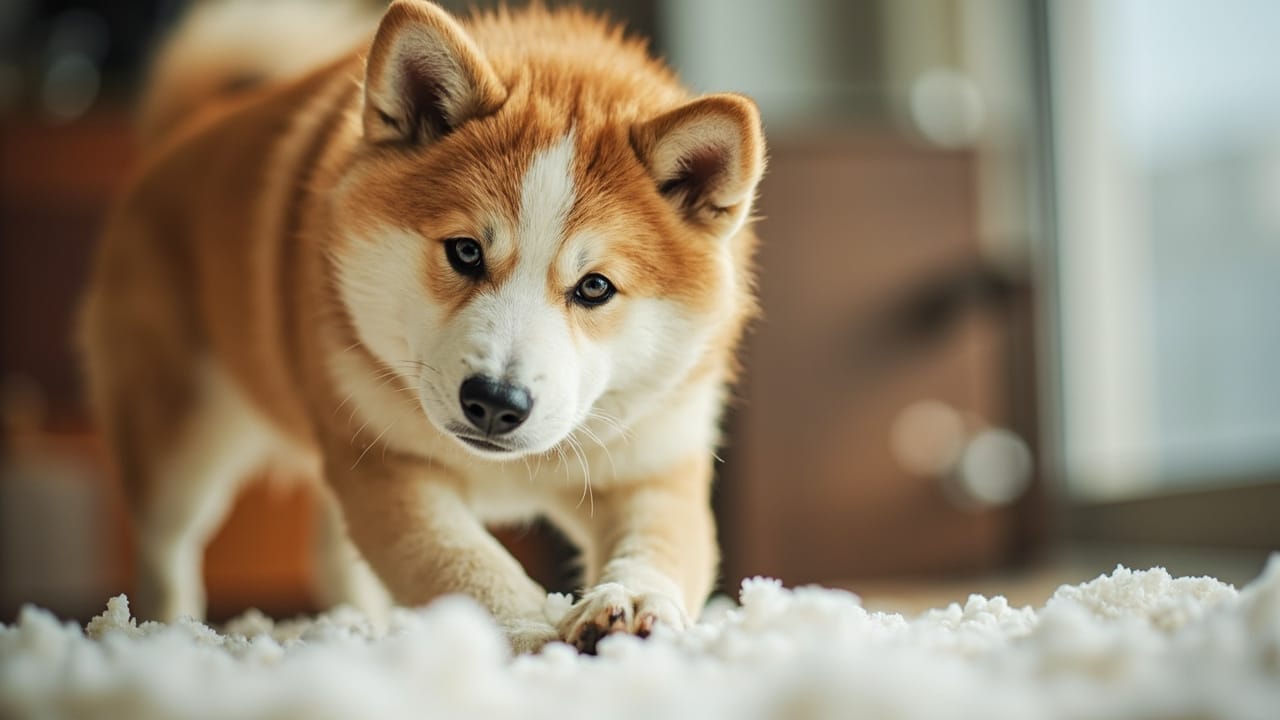
Shiba Inu Winter Paw Care: Snow & Salt Protection Guide
Shiba Inu paws need protection from winter snow, ice, and road salt, which can cause cracking, chemical burns, and irritation. Wipe paws after every walk, apply paw balm or musher's wax as a barrier, and use dog boots for heavy salt exposure. Trim the fur between paw pads to prevent ice ball buildup.
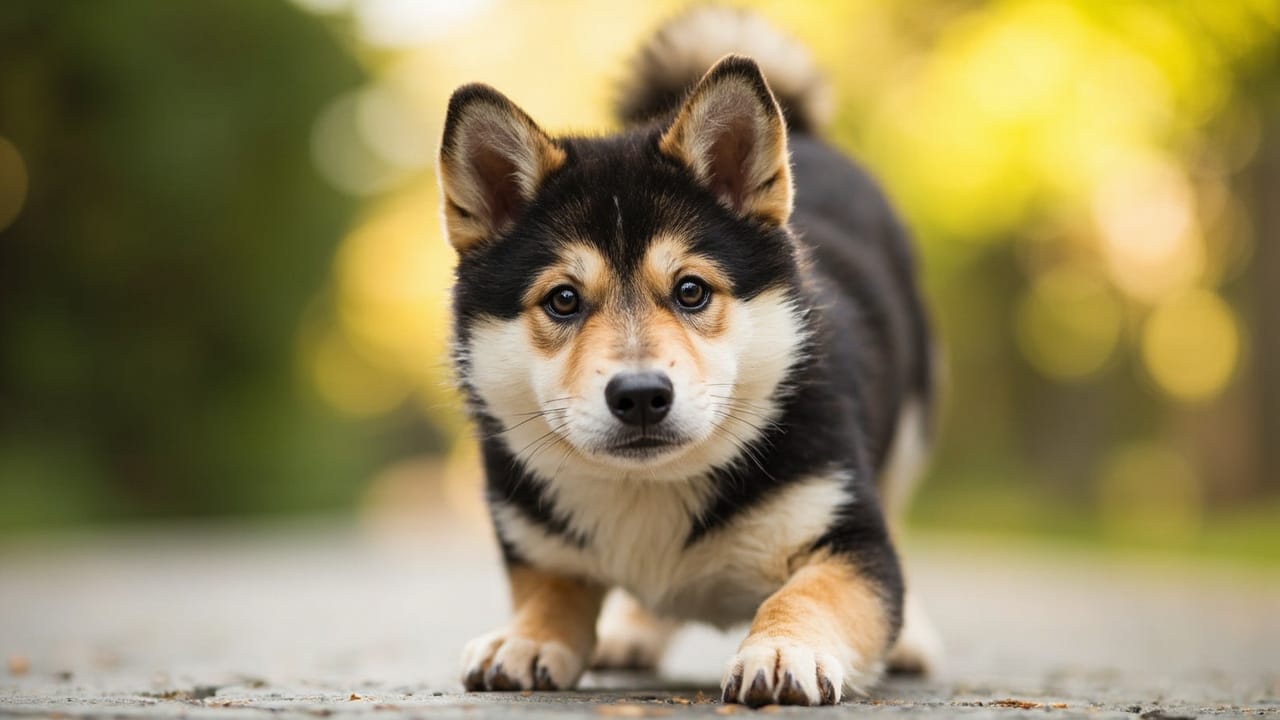
How to Protect Your Shiba Inu's Paws from Hot Pavement
Hot asphalt can burn a Shiba Inu's paw pads in seconds at summer temperatures above 77°F (25°C), so test every surface with the back of your hand before walks. Walk early morning or after sunset, use protective dog booties or paw wax, and stick to grass and shaded dirt trails whenever possible.
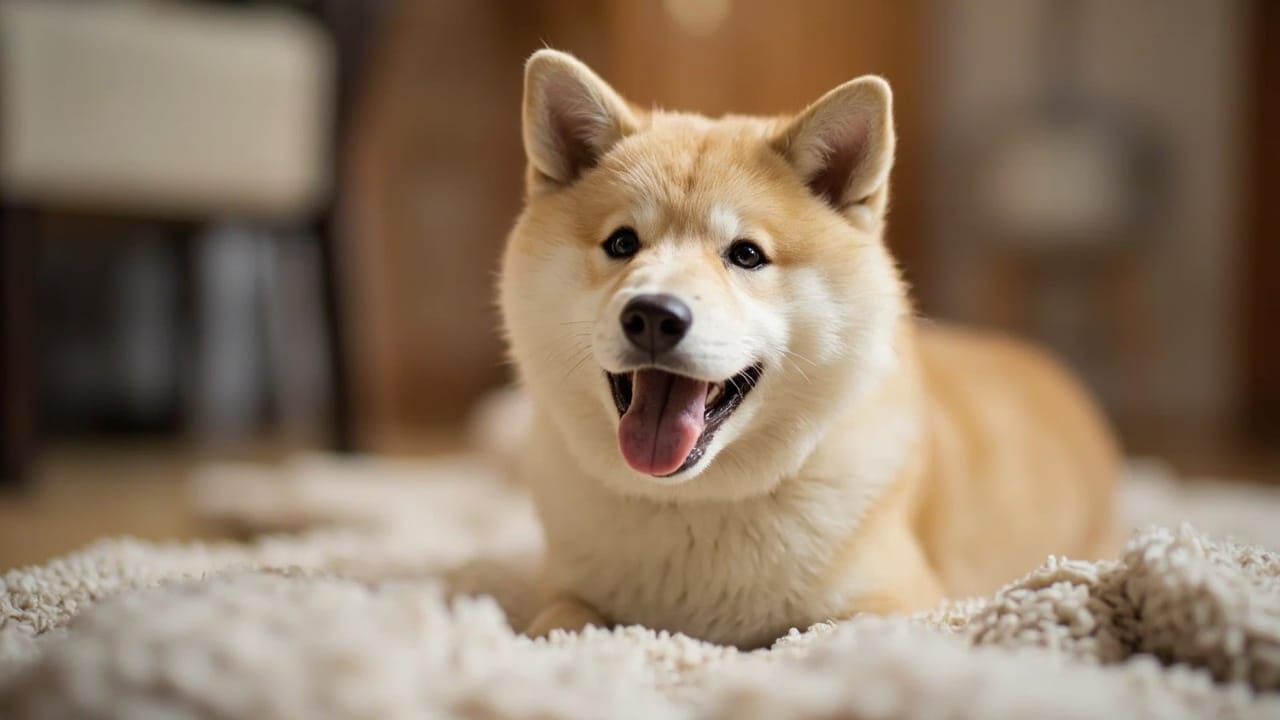
Helping a Shiba Inu Afraid of Thunderstorms: A Practical Guide
Thunderstorm anxiety in Shiba Inu is common and manageable. Create a safe den, use pressure wraps, mask outdoor noise with white noise or music, and pair storms with high-value rewards. For severe cases, ask your vet about anti-anxiety medication or a referral to a veterinary behaviorist.
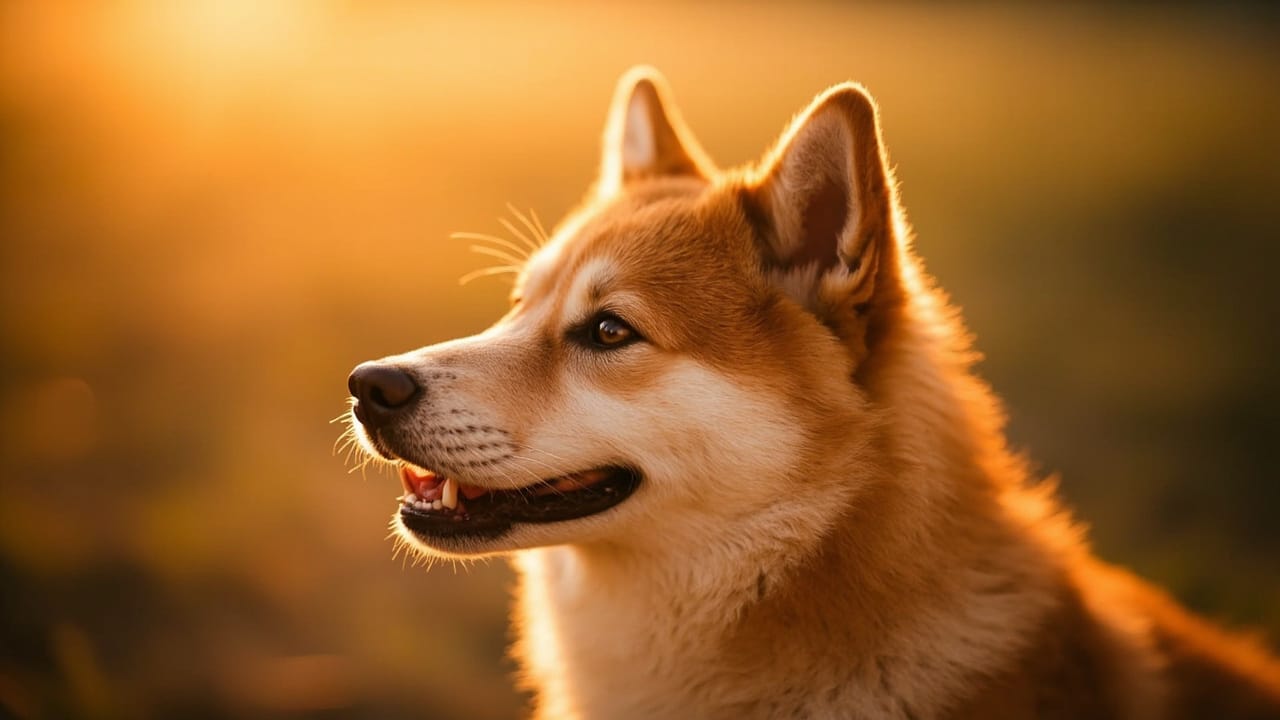
How to Calm a Shiba Inu During Fireworks: 7 Proven Tips
Create a safe, soundproofed den well before the fireworks start, keep windows and curtains closed, and run your Shiba Inu early in the day to burn off energy. Pair the setup with calming aids like a ThunderShirt, a white noise machine, and high-value chews, and stay calm yourself — your Shiba reads your mood more than your words.
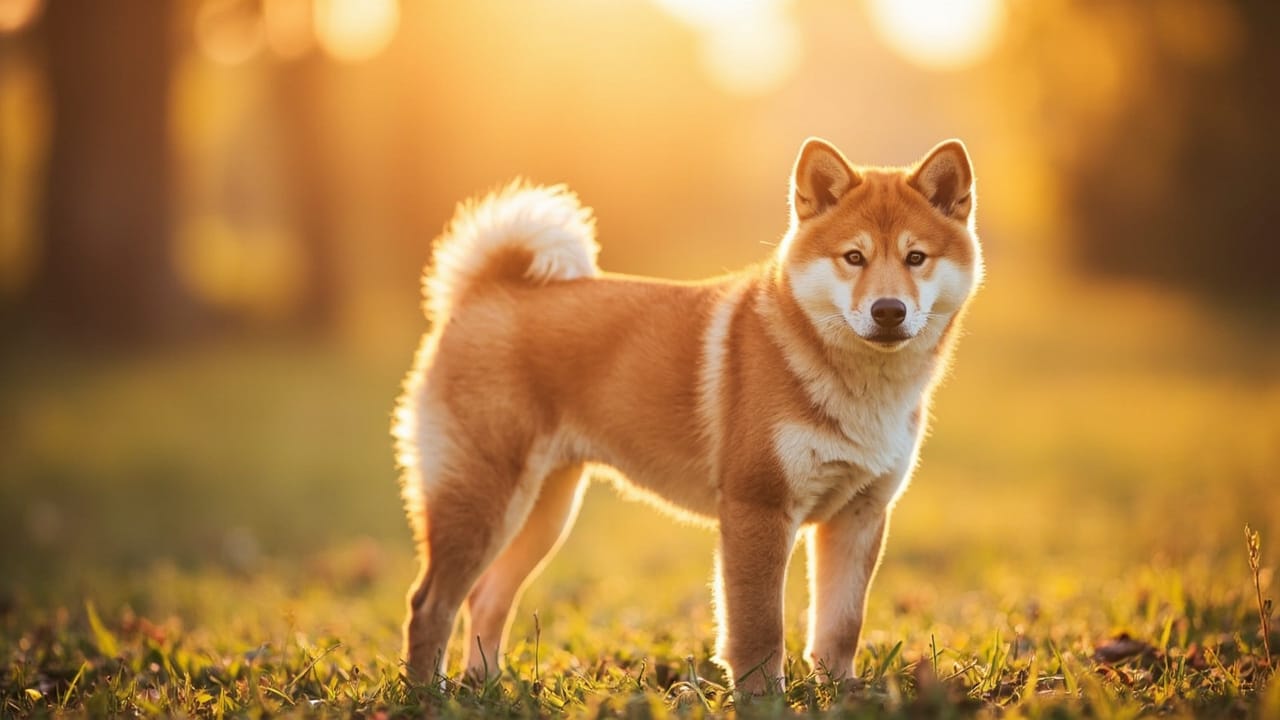
Shiba Inu Weight & Growth Chart by Age: Complete Guide
A healthy adult Shiba Inu typically weighs 8–10 kg (17–22 lbs), with males at 10 kg and females around 8 kg. Puppies gain weight rapidly in the first 6 months, reach roughly 80% of adult size by 7 months, and fully fill out by 12–18 months.
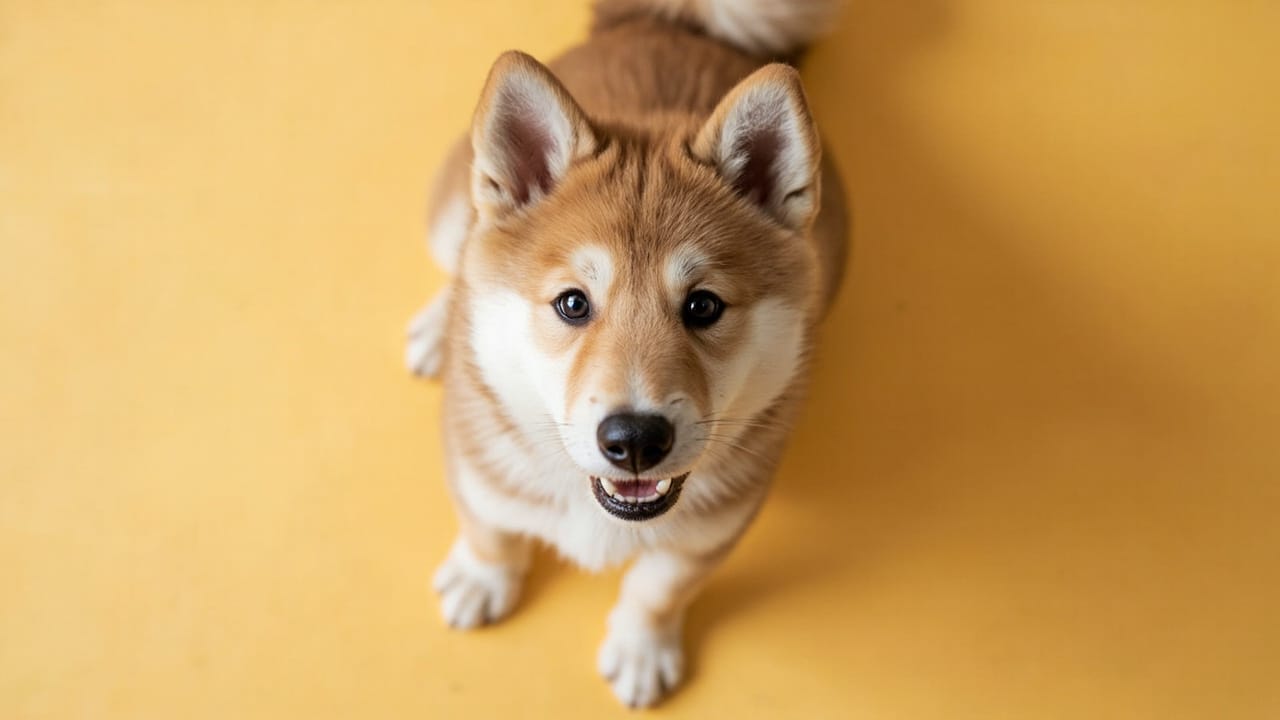
Shiba Inu Teething: When It Happens and How to Soothe the Pain
Shiba Inu puppies teethe in two main phases: baby teeth erupt between 3 and 6 weeks, and adult teeth come in from about 4 to 7 months of age. Teething ends around 7-8 months once all 42 permanent teeth are set. Frozen Kongs, safe rubber chew toys, cold carrots, and frozen wet washcloths reliably reduce soreness, while icy or hard objects and punishment for chewing are avoided.
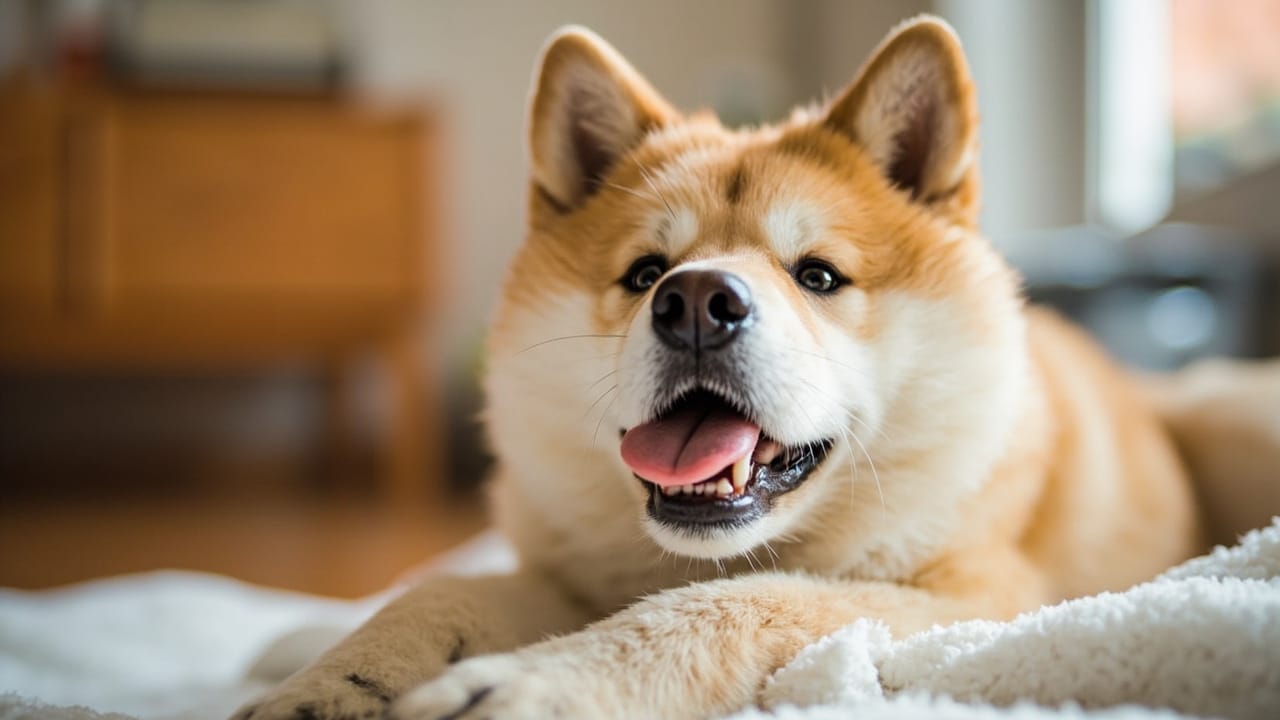
Shiba Inu Sensitive Stomach: Causes, Diet, and Management Guide
Shiba Inus commonly develop sensitive stomachs due to food allergies, stress, or rapid diet changes. Management focuses on a limited-ingredient, high-quality protein diet, slow transitions, and ruling out medical causes like IBD or pancreatitis with your vet. Most cases improve within 4–8 weeks of a consistent feeding routine.

How to Safely Trim a Shiba Inu's Nails: A Step-by-Step Guide
Use sharp, dog-specific clippers or a grinder, trim just the curved tip of each nail, and stop well short of the pink quick. Shiba Inus have black nails, so shave tiny slivers and look for a gray or pink oval center before cutting further. Reward calm behavior with treats and keep sessions short (1-2 minutes) to prevent the dreaded Shiba scream.

Shiba Inu Dental Care: How to Keep Their Teeth Healthy
Brush your Shiba Inu's teeth 2–3 times per week (ideally daily) using a dog-safe enzymatic toothpaste and a soft-bristled or finger brush. Combine brushing with annual professional cleanings, appropriate chew toys, and dental-friendly chews to prevent plaque, tartar, periodontal disease, and tooth loss — issues that affect most dogs by age three.

Feeding a Shiba Inu by Life Stage: Puppy, Adult, and Senior
Shiba Inus need three distinct diets across their lifetime. Puppies (8 weeks to 12 months) require a high-protein, calorie-dense puppy formula fed 3–4 times daily; adults (1–7 years) thrive on quality maintenance food with 18–25% protein fed twice daily; seniors (7+ years) benefit from lower-calorie, joint-supporting senior formulas, often with added omega-3s and easier-to-digest ingredients.

Shiba Inu Grooming Schedule: Month-by-Month Care Guide
A Shiba Inu grooming schedule focuses on weekly brushing most of the year, with two heavy coat blows annually when daily brushing becomes essential. Routine nail trims every 3-4 weeks, ear checks, teeth brushing 2-3 times a week, and baths every 6-8 weeks keep a Shiba healthy and clean without stripping the coat's natural waterproofing.

Shiba Inu in Cold Weather: Winter Care Guide for the Brushwood Dog
Shiba Inus handle cold weather well thanks to a dense double coat, but they are not immune to winter hazards. Temperatures below -10°C (14°F) for extended periods, wet conditions, ice-melt chemicals, and reduced daylight all require active management to keep a Shiba safe and comfortable.

Shiba Inu in Summer Heat: A Complete Safety Guide
Shiba Inus can overheat quickly because their thick double coat traps heat. Keep walks to early morning or after sunset, always provide shade and fresh water, never shave the coat, and watch for heatstroke signs like heavy panting, drooling, or collapse.

Shiba Inu Shedding Month by Month: A Complete Year-Round Guide
Shiba Inus shed moderately most of the year, then blow their undercoat heavily twice a year — typically in spring (March–May) and autumn (October–November). Outside these peak seasons, expect steady, lower-volume shedding that still requires weekly brushing.