Shiba Inu Guides & Articles
Expert, well-sourced answers to every Shiba Inu question — care, training, health, cost and more.
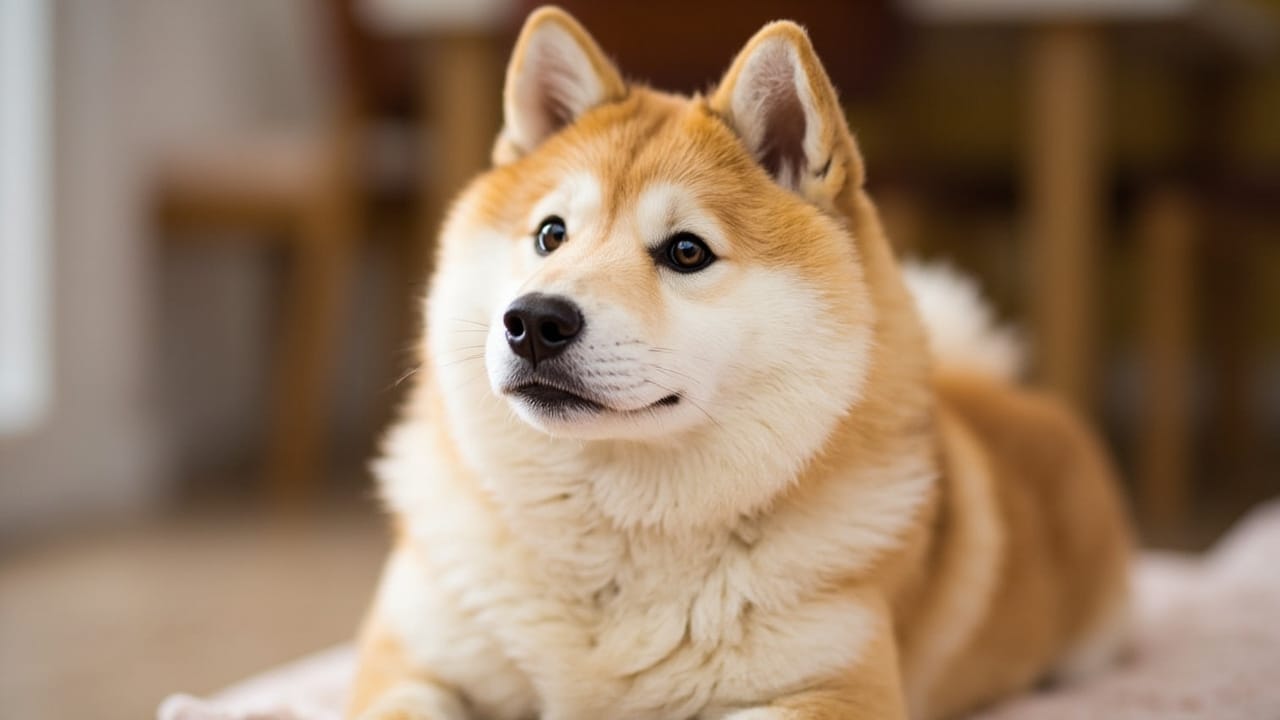
Mame Shiba Temperament: How It Differs From a Standard Shiba Inu
Yes, Mame Shiba have a noticeably different temperament from standard Shiba Inu, though the differences are matters of degree rather than kind. Mame Shiba are typically more affectionate, clingy, and eager to please, while standard Shiba Inu are more independent, reserved, and strong-willed. Both share core breed traits like loyalty, alertness, and a strong prey drive.
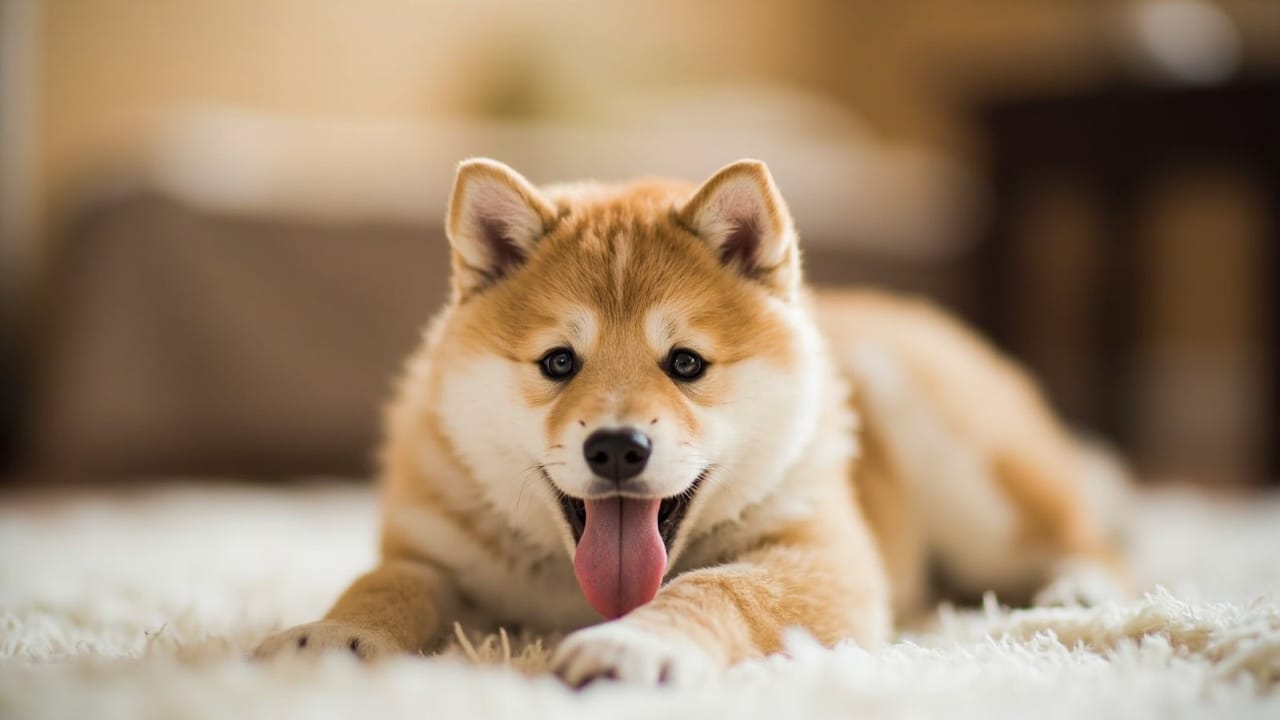
Fear Periods in Shiba Inu Puppies: A Complete Owner's Guide
Fear periods in Shiba Inu puppies are short developmental windows (typically 8-11 weeks and 6-14 months) when a previously confident puppy suddenly becomes anxious, shy, or reactive to new people, sounds, objects, and situations. Stay calm, avoid forcing encounters, pair scary things with high-value treats, and never punish fear — your reaction during these phases directly shapes your Shiba's lifetime confidence and temperament.
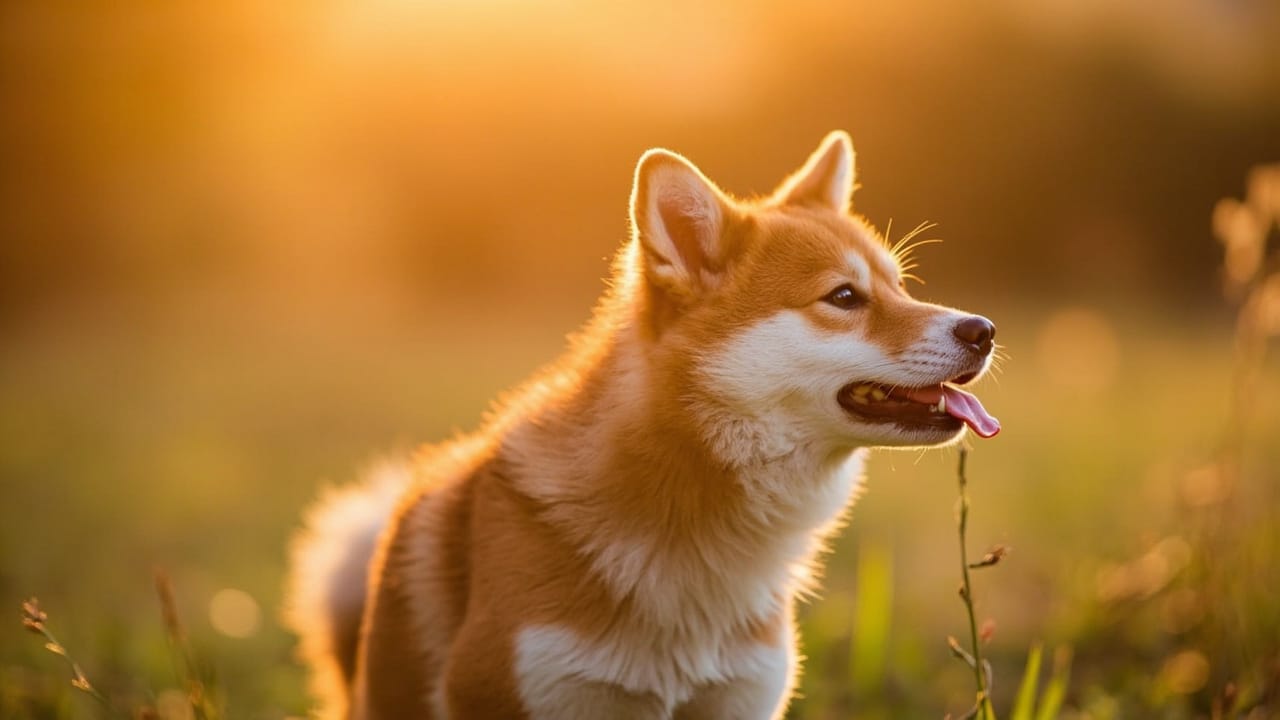
How to Stop a Shiba Inu From Counter-Surfing and Stealing Food
Shiba Inu counter-surf because the breed is intelligent, food-motivated, and naturally opportunistic — not because they are 'naughty.' The fix is consistent management (no accessible food), a strong 'leave it' and 'off' command, and rewarding alternative behavior. Most Shibas stop stealing within 2–4 weeks of a strict, no-access household routine.
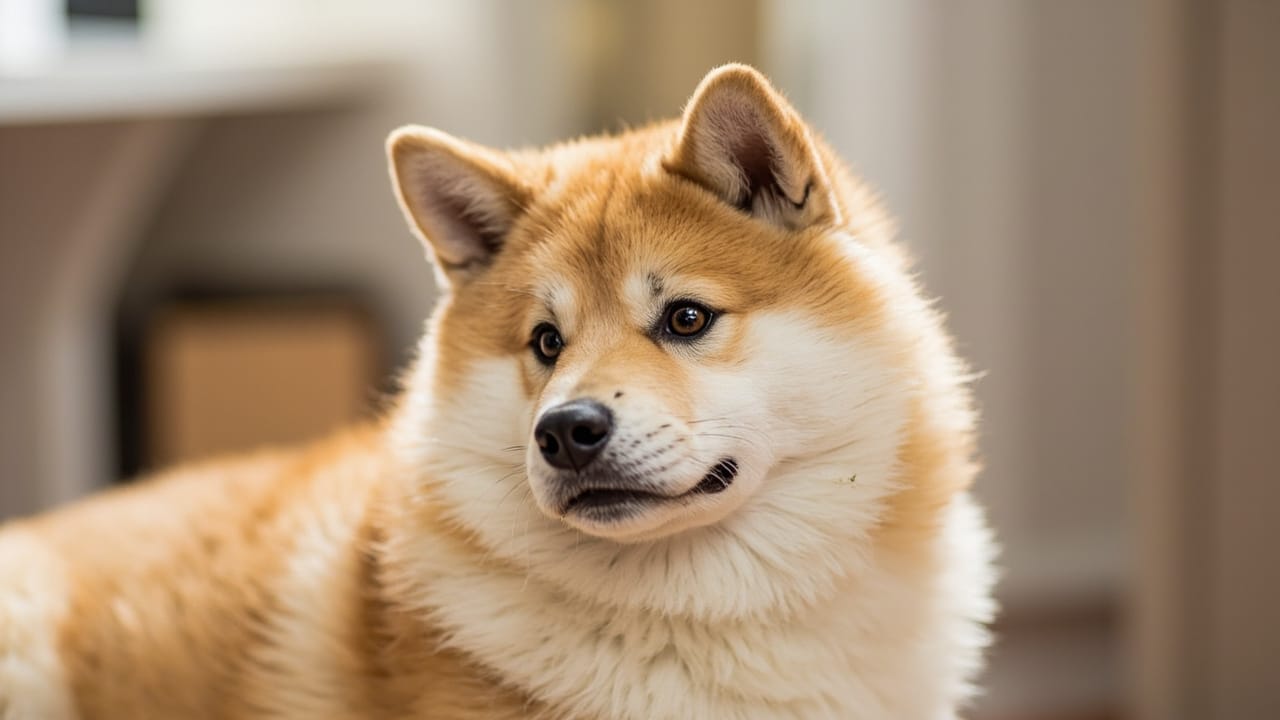
Why Does My Shiba Inu Hump? Causes and How to Stop It
Shiba Inus hump for several reasons — most commonly overstimulation, excitement, stress, or a bid for social control — and it is rarely sexual in neutered dogs. Stop it by identifying the trigger, redirecting to a reward-based alternative, interrupting calmly, and reinforcing incompatible behaviors like 'place' or 'four-on-the-floor.' Medical causes (UTI, priapism, allergies) should be ruled out first by a veterinarian.
How to Stop a Shiba Inu from Marking or Peeing Indoors
Stopping indoor urination and marking in Shiba Inus requires ruling out medical causes first, then applying consistent training: thoroughly clean soiled spots with enzyme cleaner, supervise closely, reward outdoor elimination on a strict schedule, restrict access to marked areas, and consider spaying or neutering if intact. Most Shibas improve within 2–6 weeks when the routine is consistent, because the breed is intelligent but notoriously stubborn.
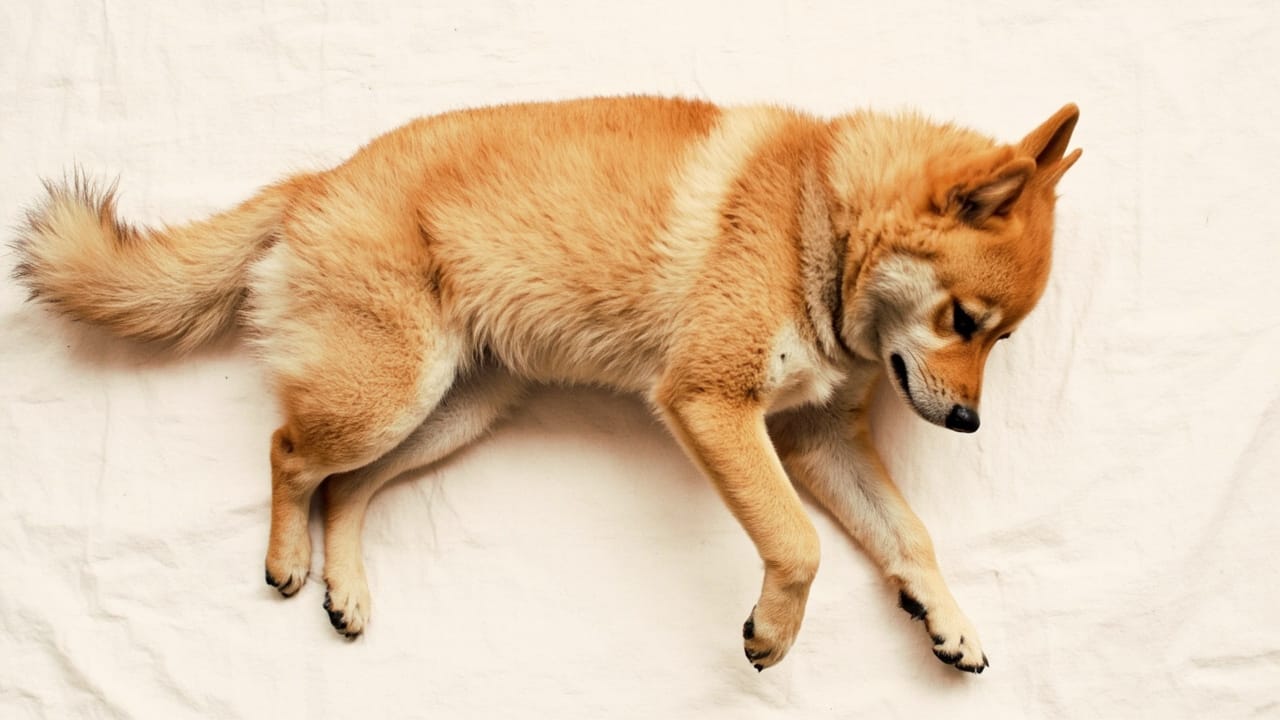
Why Does My Shiba Inu Dig? Causes and How to Stop It
Shiba Inus dig because of deeply rooted instincts — prey drive, den-making, temperature regulation, boredom, and stress relief. You can reduce digging by meeting their physical and mental needs, securing your yard, and redirecting the behavior rather than punishing it. Expectation-setting matters: Shibas were bred to hunt in mountainous brush and will never be fully dig-free without consistent outlets.
Why Is My Shiba Inu Aggressive Toward Other Dogs? Causes & Solutions
Shiba Inu aggression toward other dogs usually stems from their strong prey drive, same-sex tension, and selective socialization instincts — not from being a "bad" dog. Most reactive behavior can be reduced with early socialization, structured training, and avoiding off-leash dog-park situations where Shibas feel pressured.
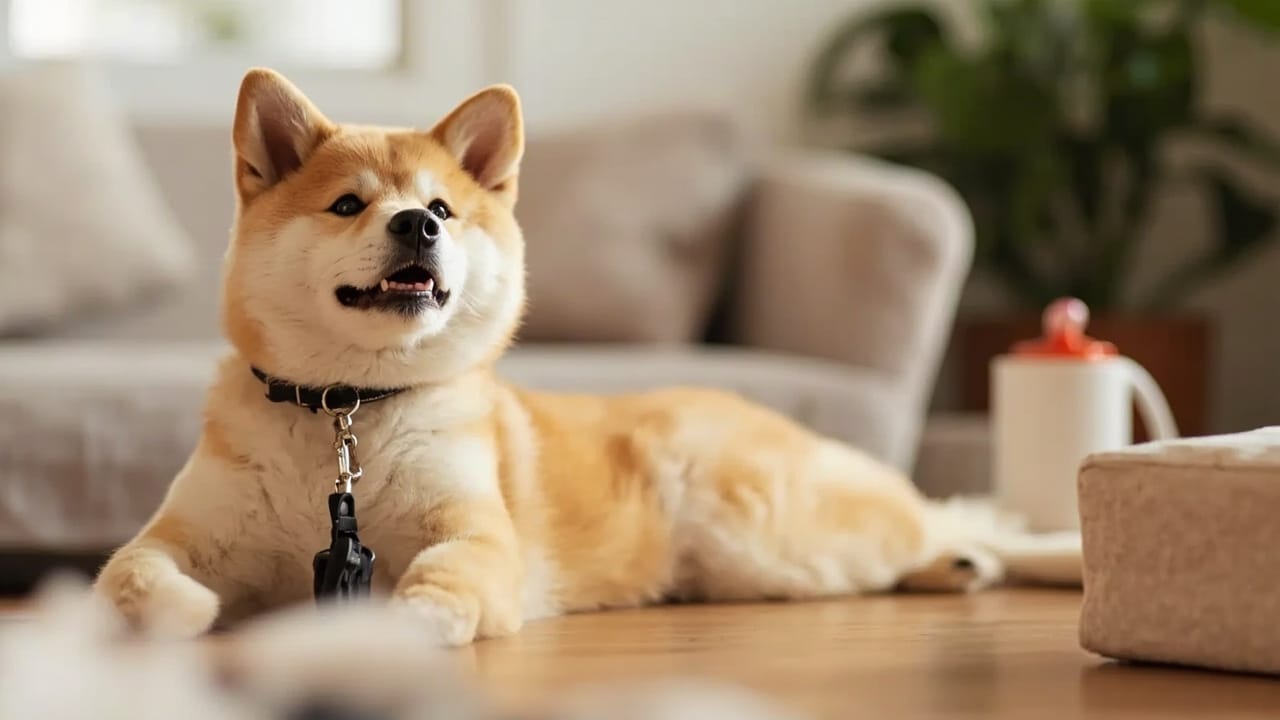
Why Is My Shiba Inu Reactive on the Leash and How Do I Fix It?
Leash reactivity in Shiba Inus usually comes from frustration, fear, or a strong prey drive — not aggression. Fix it with distance-based desensitization, counter-conditioning to triggers, and a front-clip or head halter that removes the pulling reward. Most leash-reactive Shibas improve in 4–8 weeks of consistent work.
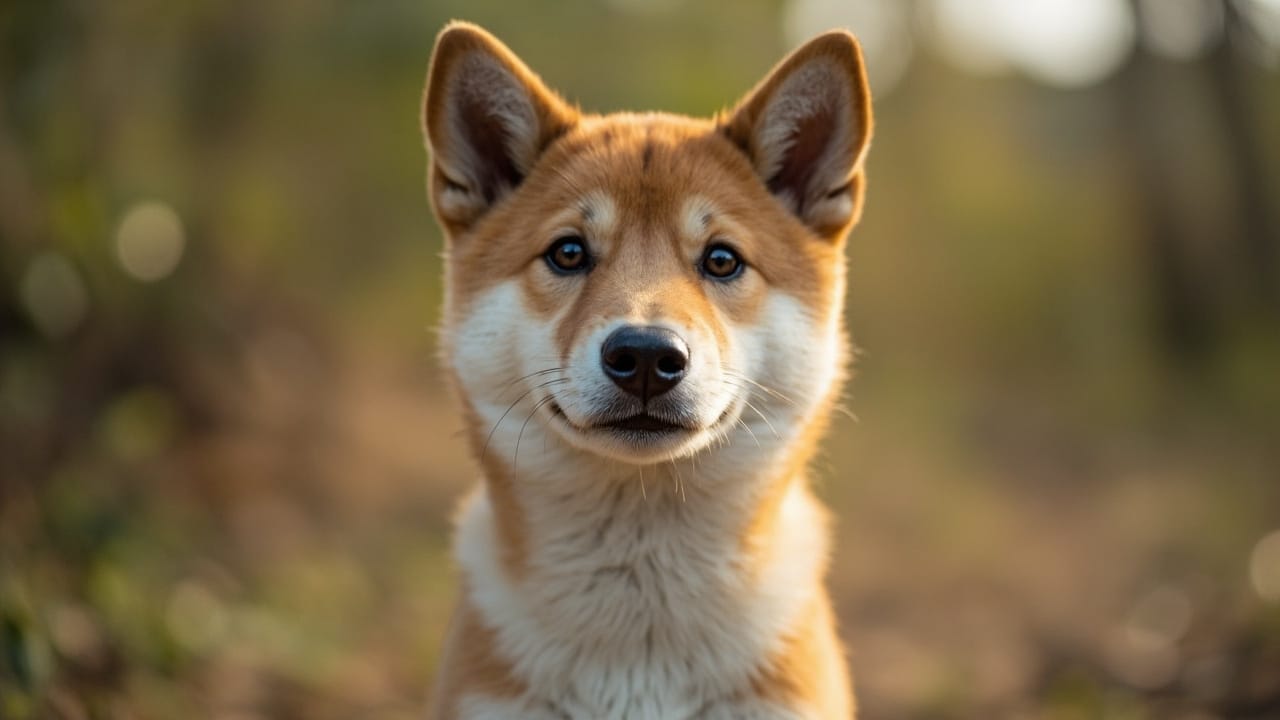
Dealing with Separation Anxiety in a Shiba Inu
Shiba Inus are an independent breed but can still develop separation anxiety. The fix is a consistent desensitization program: short absences that gradually lengthen, no dramatic goodbyes, lots of pre-departure exercise, and reward-based crate or mat training. Most cases improve in 4–8 weeks; severe cases need a veterinarian or veterinary behaviorist.
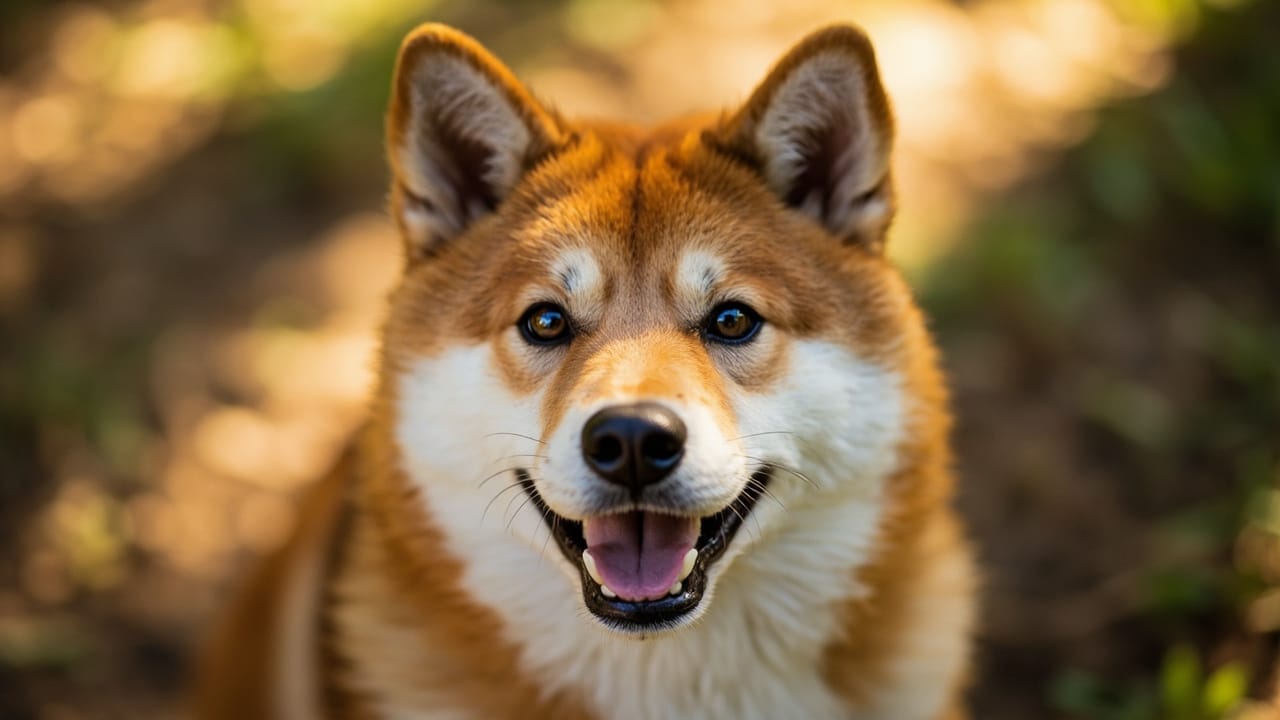
Why Does My Shiba Inu Bury Food and Treats? (Survival Instinct Explained)
Shiba Inus bury food and treats because of an ancient survival instinct inherited from their ancestors, who cached meals to save them for leaner times. In modern homes this behavior is also triggered by stress, overfeeding, boredom, or the simple desire to hide a prized item for later.
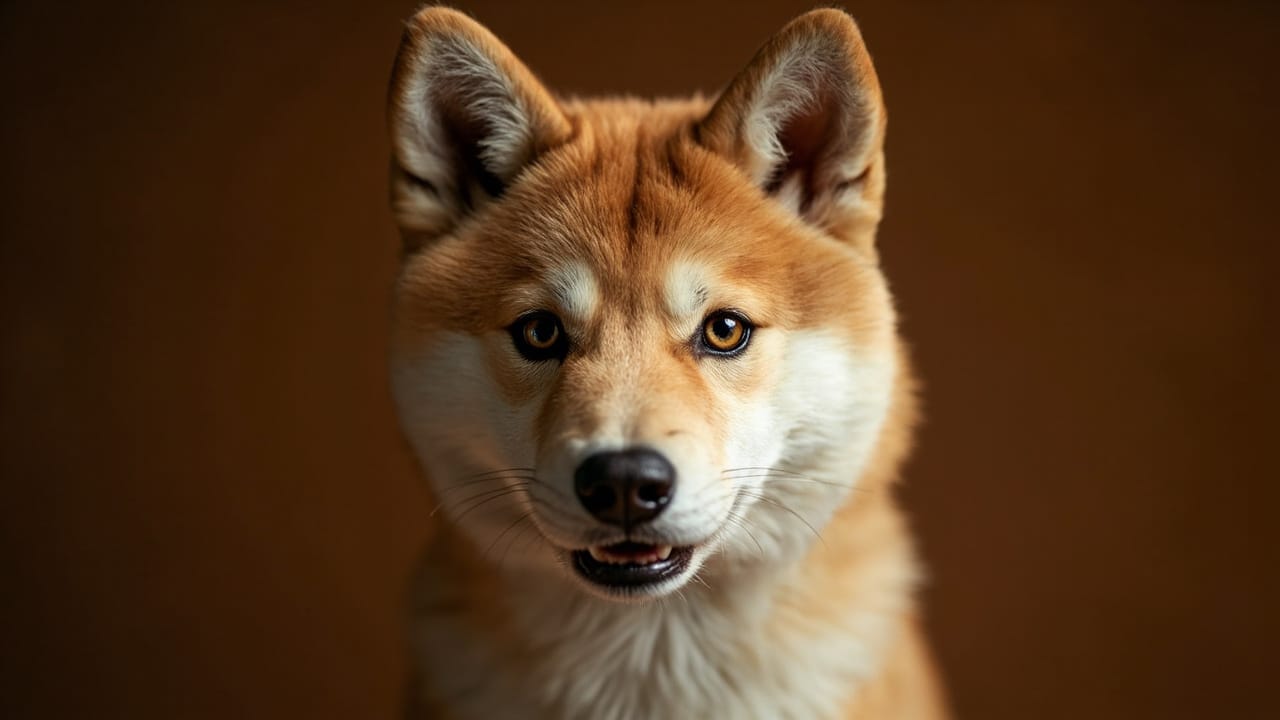
How Strong Is a Shiba Inu's Prey Drive? A Complete Guide
A Shiba Inu's prey drive is strong — among the highest in companion spitz breeds. Bred to flush small game and birds in Japan's mountainous terrain, modern Shibas retain a powerful instinct to chase, stalk, and sometimes kill squirrels, rabbits, cats, birds, and rodents. Off-leash reliability is poor for most individuals, and secure fencing is essential.
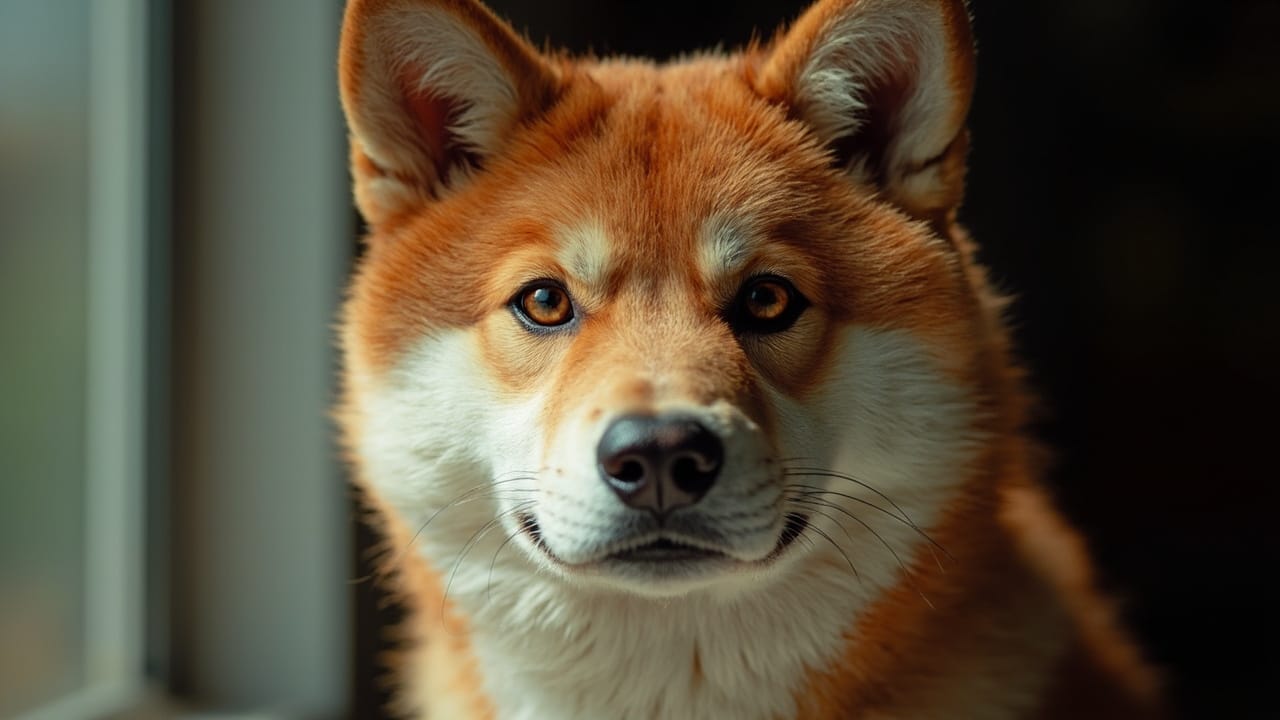
Shiba Inu Sounds and Vocalizations: What They All Mean
Shiba Inus communicate through a surprisingly wide vocal range, including the famous 'Shiba scream,' the Shiba 500 howl, sharp barks, chirps, grumbles, and soft whines. Each sound typically signals a specific emotion or need—from excitement and alert to discomfort, anxiety, or contentment. Learning your individual Shiba's vocal cues is essential because the breed is famously expressive but not excessive in barking.
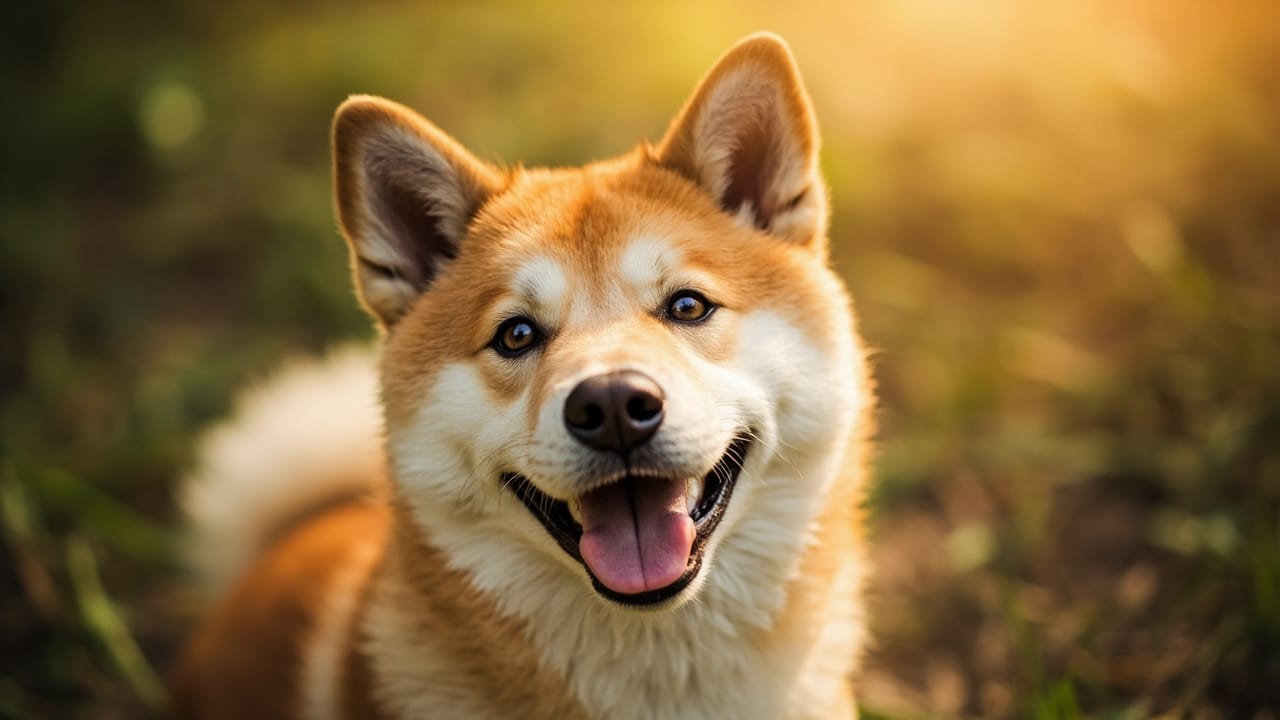
Do Shiba Inus Actually Smile? Reading Shiba Inu Facial Expressions
Yes, Shiba Inus genuinely do smile, but not in the human way. The famous curved mouth is a relaxed, contented facial posture called the 'Shiba smile,' and it's one of several distinct expressions that signal calm, trust, and affection rather than human-like emotion.
How to Read Shiba Inu Body Language: A Complete Visual Guide
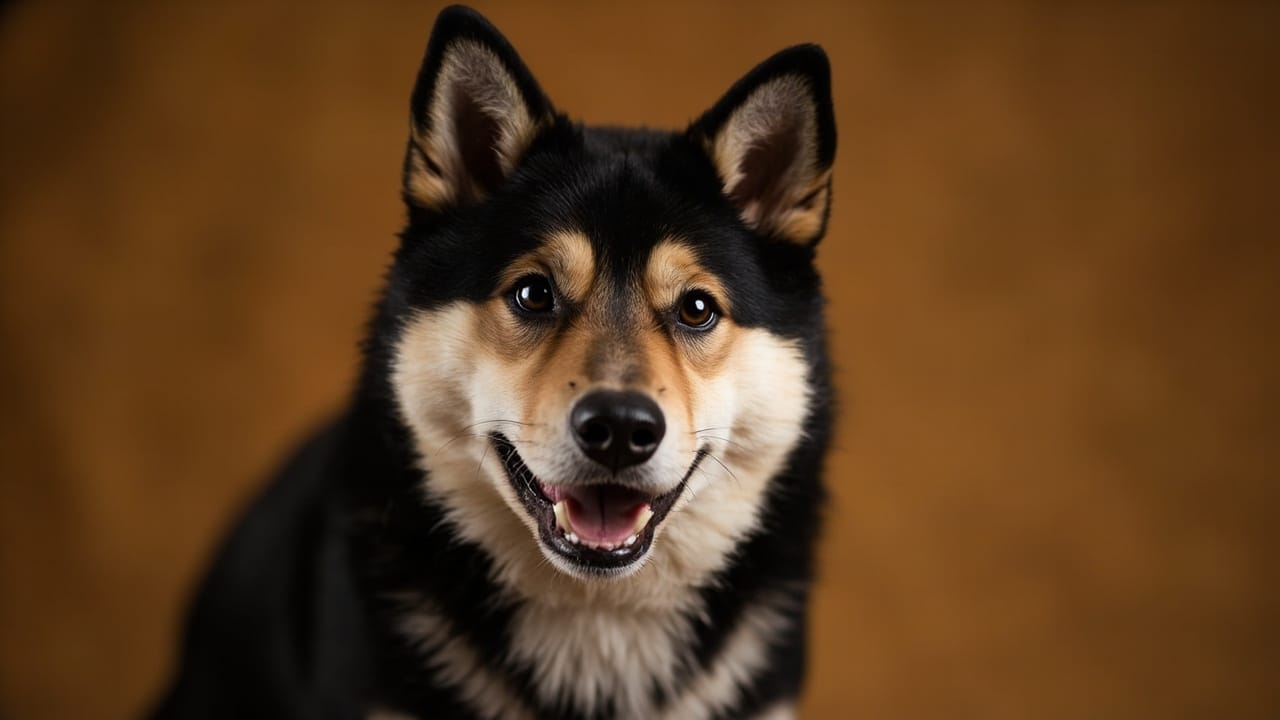
Shiba Inus communicate through a famously expressive body language: the broad, confident stance signals confidence, while a tucked tail, lowered head, and averted eyes mean stress or submission. The 'Shiba scream,' exaggerated posturing, and subtle tail-flagging are all part of a uniquely dramatic communication style rooted in their spitz heritage.

Why Does My Shiba Inu Roll in Smelly Things? 7 Real Reasons
Shiba Inus roll in smelly things because of deeply wired canine instincts: scent camouflage from wild ancestors, information-gathering to bring 'news' back to the pack, attention-seeking, residual prey drive, and simple sensory pleasure. It is normal dog behavior, not a training failure, though it can be managed with consistent 'leave it' cues and on-leash control in high-risk areas.

Why Does My Shiba Inu Dig and Circle in Its Bed? 6 Real Reasons
Shiba Inus dig and circle in their beds because of hardwired survival instincts: wild canids trampled grass to create a safe, comfortable nest, scratched to check for threats, and circled to flatten the surface and align with wind or pack members. In your home, these same behaviors are a self-soothing ritual that signals your Shiba feels secure enough to settle down for sleep.

Why Does My Shiba Inu Ignore Me When I Call? (And How to Fix It)
Shiba Inus often ignore calls because they are an independent, cat-like breed originally bred to hunt alone in Japanese mountain brush. Selective deafness is usually a training, motivation, or inherited temperament issue, not defiance. The fix is high-value rewards, short positive sessions, and proving you're more interesting than the environment.

Why Does My Shiba Inu Lick Me So Much? 7 Real Reasons
Shiba Inus lick their owners to show affection, seek attention, taste salt and skin residue, communicate stress or submission, self-soothe, respond to routine cues, or signal an underlying medical issue like allergies or nausea. Occasional licking is normal; obsessive licking warrants a vet visit.

Why Does My Shiba Inu Bring Me Toys? 5 Reasons Explained
Your Shiba Inu brings you toys as a bonding ritual, a request for play, a sign of trust and resource sharing, a way to seek attention, or simply because the breed is naturally active and needs an outlet. This toy-delivering behavior is one of the most endearing expressions of the Shiba's reserved but loyal temperament.

Why Does My Shiba Inu Tilt Its Head? 6 Real Reasons Explained
Shiba Inus tilt their heads primarily to better locate and interpret sounds, especially higher-pitched or unusual ones like their owner's whistle or a squeaky toy. The tilt also sharpens their focus on your facial expressions and emotional cues, and it simply becomes a learned behavior that earns positive attention. Occasional head tilting is completely normal in the breed.

Why Does My Shiba Inu Want to Sleep on My Bed? 7 Real Reasons
Shiba Inus climb onto your bed because they are den animals who bond deeply with their owners, seek warmth and security, and want to guard the pack. Despite their famously independent streak, a Shiba that chooses your bed is showing trust, affection, and a strong desire to be near the person they consider family.

Why Does My Shiba Inu Growl When I Pick It Up?
Shiba Inus growl when picked up because the breed is naturally independent and physically sensitive. Picking up removes their control, which triggers a defensive warning. Training, desensitization, and respecting their boundaries usually resolve the behavior.

Why Does My Shiba Inu Hide Under Furniture? 7 Real Reasons
Shiba Inus hide under furniture primarily to seek a safe, enclosed den-like space when they feel stressed, anxious, or overwhelmed, or simply to rest in a cool, quiet spot. This ancient 'brushwood dog' behavior is hardwired and usually normal — but sudden or constant hiding can signal pain, illness, or a serious anxiety problem that warrants a vet visit.

Why Does My Shiba Inu Pull Back Toward Home on Walks?
Shiba Inus pull back toward home because the breed is a scent-driven, home-oriented hunter with strong independence, not a social walker. Pulling home is rarely a sign of fear or pain — it is usually a normal expression of the Shiba's prey drive, selective bonding, and the instinct to patrol and return to known territory.
Why Does My Shiba Inu Suddenly Refuse to Walk? 7 Common Reasons
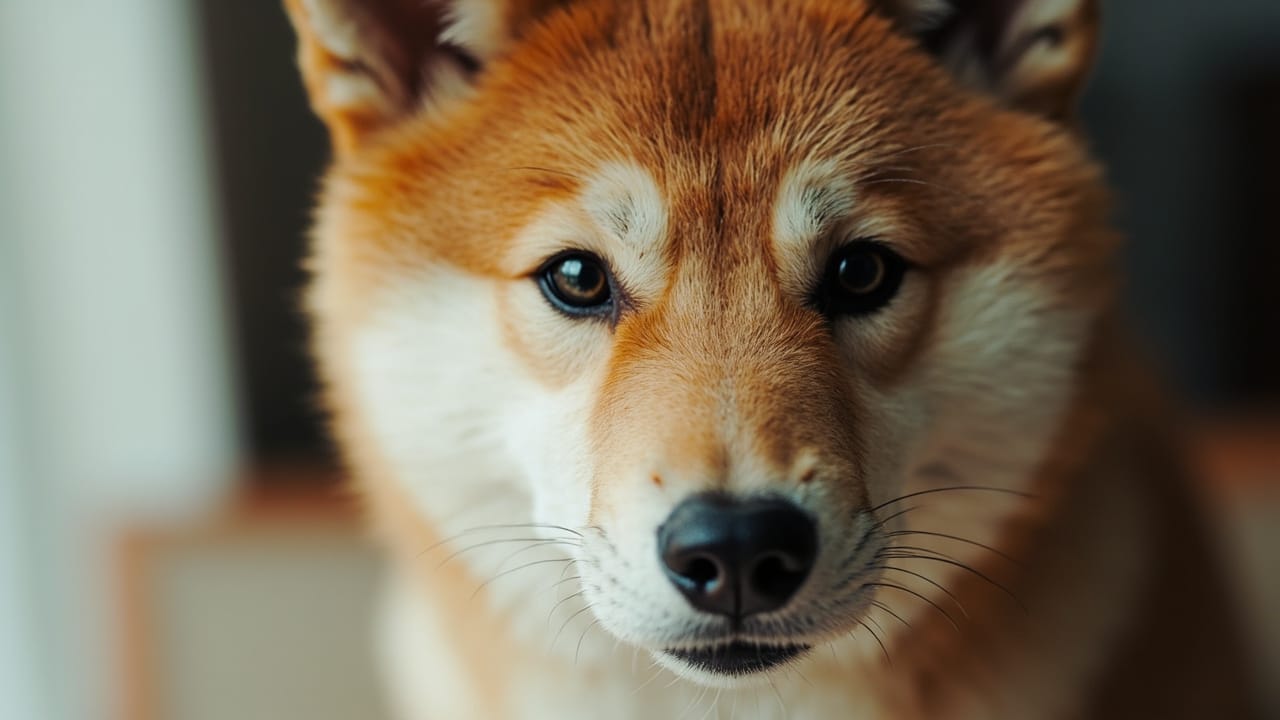
Shiba Inus suddenly refuse to walk because of breed-typical stubbornness, fear, pain, or a strong prey drive that has caught their attention. Most cases resolve with patience, a check for injury, and consistent training rather than forcing the dog forward.

Why Does My Shiba Inu Hate Baths? The Real Reasons Explained
Shiba Inus hate baths because they are a self-cleaning primitive breed that evolved to avoid water, paired with a sensitive, independent temperament that treats forced handling as a threat. Bathing strips their natural oils, triggers their strong prey-drive alert system, and often coincides with water-related negative associations. Patience, positive conditioning, and minimal full baths are the fix.
Why Does My Shiba Inu Sleep So Much? 7 Vet-Reviewed Reasons
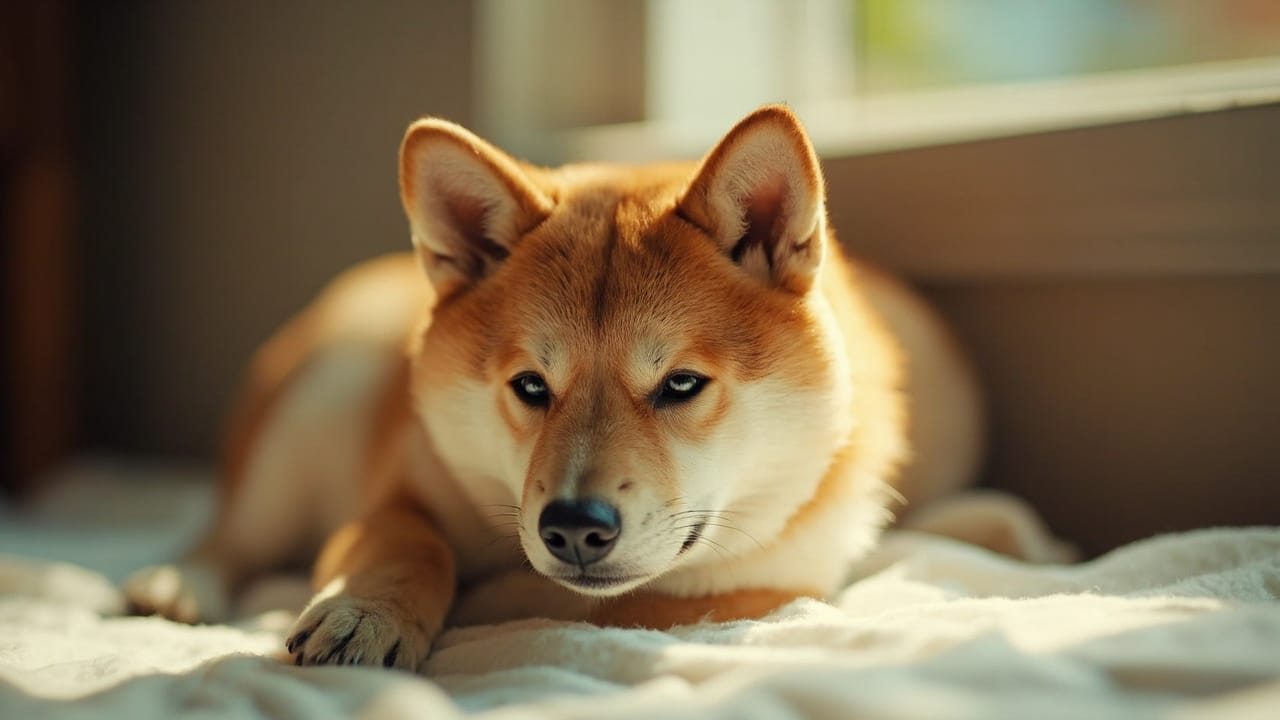
Shiba Inus sleep 12–16 hours a day on average, which is completely normal for the breed. Adult Shibas are crepuscular, meaning they are most active at dawn and dusk, so long midday naps are built into their biology. Puppies, seniors, and cold or rainy days can push that total even higher.

Why Does My Shiba Inu Sigh So Much? Decoding the Sounds
Shiba Inus sigh as a normal form of vocal communication to express contentment, mild frustration, boredom, or to solicit attention. Frequent sighing is usually emotional rather than a medical concern, though sudden increases combined with lethargy or appetite changes warrant a vet visit.
Why Does My Shiba Inu Lean Against Me? 6 Reasons Explained
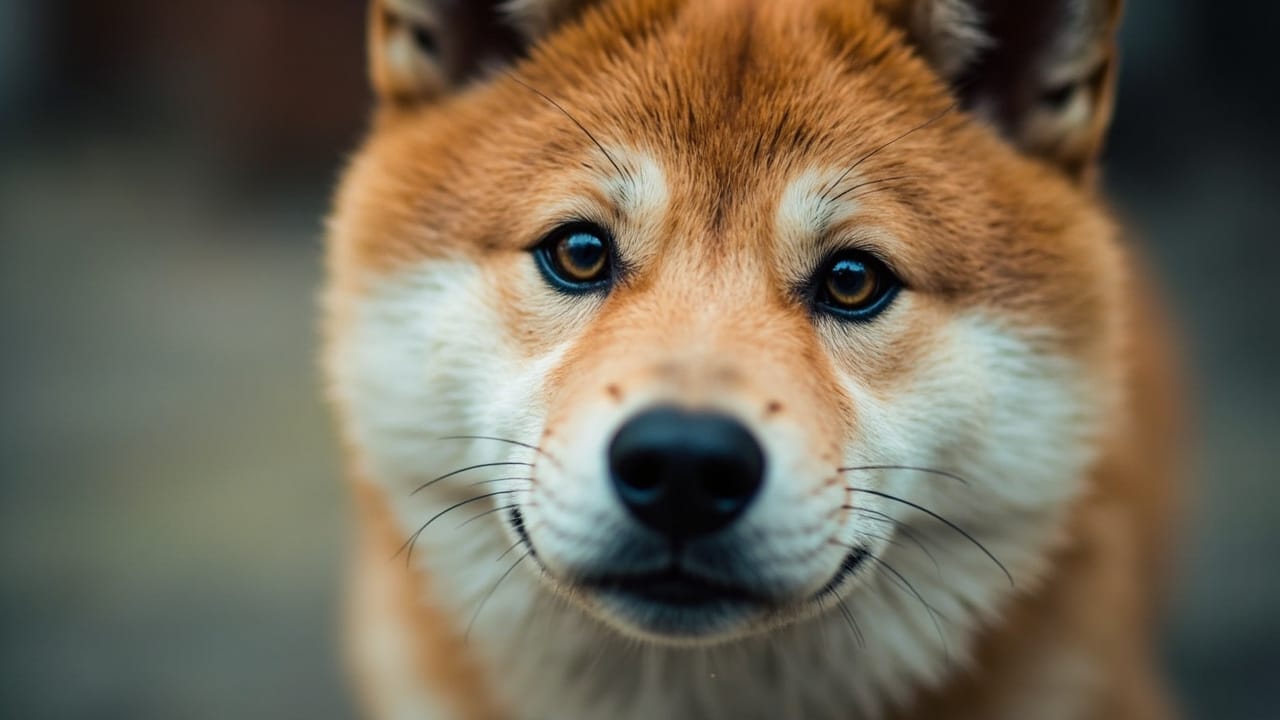
Shiba Inus lean against their owners as a sign of trust, affection, and pack bonding. Unlike clingy breeds, this reserved dog uses physical contact to communicate comfort, claim you as 'theirs,' and seek security, especially when tired, anxious, or simply content to be near you.
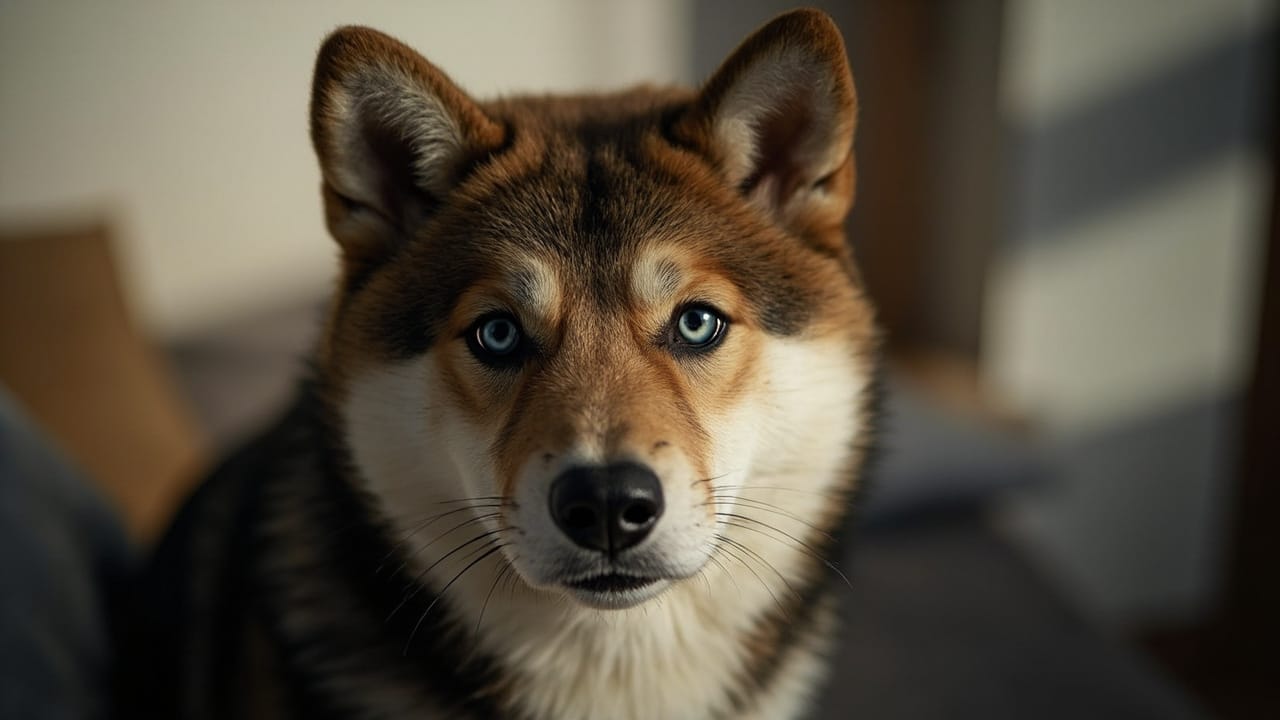
Why Does My Shiba Inu Stare at Me? 7 Real Reasons
Your Shiba Inu stares at you to communicate — most often to read your emotions, request food or play, ask for direction, or simply bond. Sustained eye contact from a Shiba is a sign of trust and attention, since the breed is naturally aloof and rarely holds eye contact with strangers.
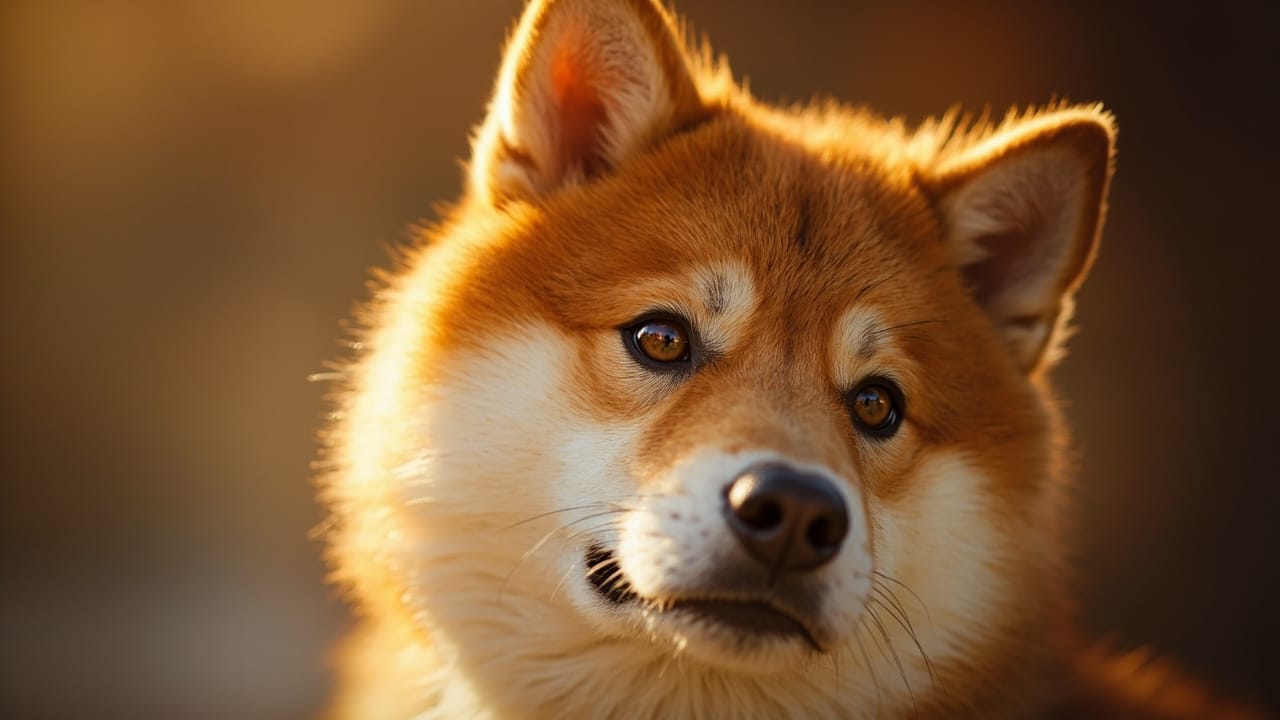
Why Does My Shiba Inu Follow Me Everywhere? (It's Not Just Love)
Shiba Inus are famously independent, so clingy behavior usually signals a specific need — not blind devotion. Most often it's a sign of bonding, routine, unmet exercise or mental stimulation, separation anxiety, or an underlying medical issue. Decode the context and you'll know whether to enjoy the affection or address a problem.

How Smart Are Shiba Inus? Intelligence Ranking Explained
Shiba Inus rank around #93 out of 138 in Stanley Coren's dog intelligence ranking, placing them in the 'above average working/obedience intelligence' tier. However, Coren's test only measures obedience, and Shibas are widely considered one of the smartest breeds in adaptive and instinctive intelligence, ranking roughly equivalent to a 2-2.5 year old human toddler.

Why Shiba Inus Are Often Compared to Cats: 7 Feline-Like Traits
Shiba Inus are compared to cats because they share strikingly feline behaviors: they groom themselves obsessively, display aloof independence, leap into sudden zoomies, prefer elevated perches, and demand affection strictly on their own terms. Beneath the cat-like exterior, however, they remain loyal, alert, and deeply bonded to their people.

Are Shiba Inus Cuddly and Affectionate? A Honest Guide
Shiba Inus are affectionate with their family but rarely cuddly in the traditional sense. They show love through proximity, loyalty, and quiet companionship rather than constant lap time, earning them the nickname 'cat-like dog.' Expect a devoted bond, not a velcro dog.

Why Shiba Inus Are Escape Artists and How to Prevent It
Shiba Inus escape because they are independent, high-prey-drive dogs bred to roam the mountains of Japan with a stubborn, cat-like need for autonomy. They climb, dig, jump, and squeeze through tiny gaps. Prevention requires a secure physical setup (6+ ft fence, buried hardware cloth, no climbable furniture) plus mental and physical exhaustion, recall training, and constant supervision.

Are Shiba Inus Clingy or Aloof? Understanding Their Bonding Style
Shiba Inus are famously aloof, not clingy. They bond deeply with their family but typically choose one favorite person, displaying classic 'Shiba loyalty' — affectionate on their own terms, independent by nature, and rarely velcro-dogs like lap breeds.
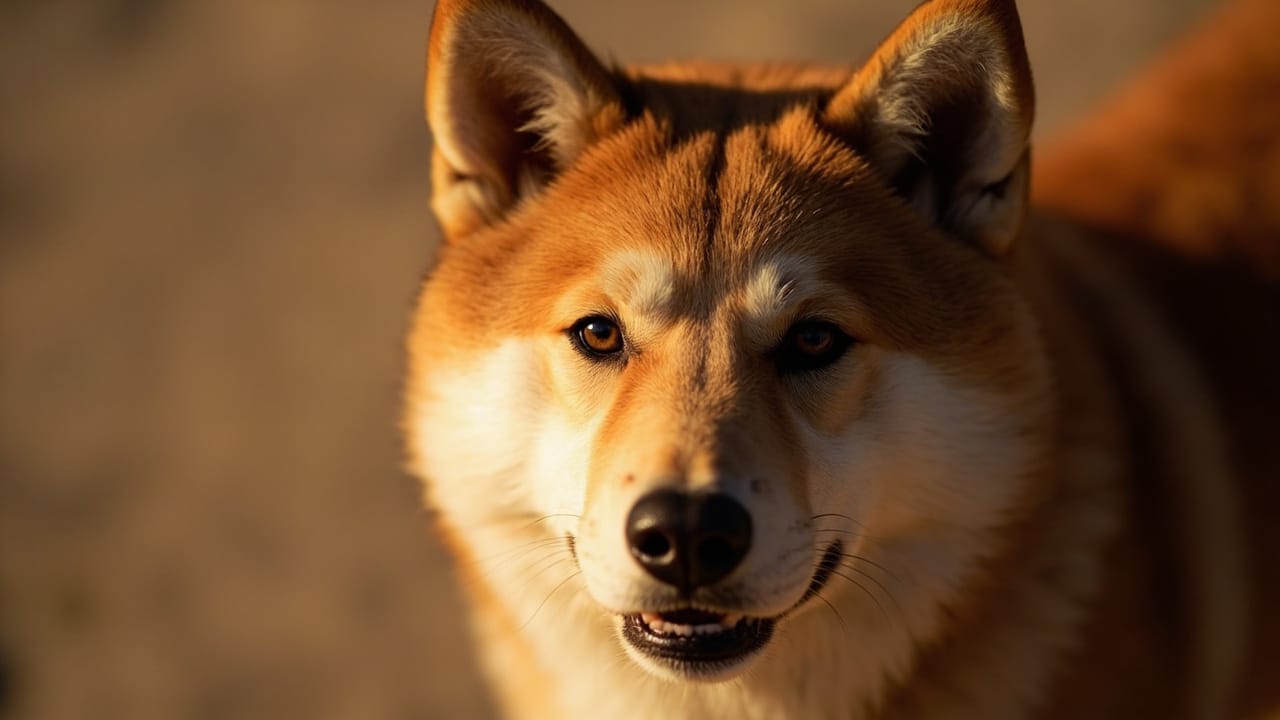
Do Shiba Inus Bark a Lot? The Truth About Shiba Inu Vocalizations
Shiba Inus are generally quiet dogs and do not bark a lot compared to most breeds. They communicate through a wide range of sounds, most famously the high-pitched 'Shiba scream,' rather than excessive barking, making them surprisingly well-suited to apartment living when properly trained.

Why Do Shiba Inus Do the Shiba 500? The Science Behind Zoomies
The 'Shiba 500' is a burst of frantic, joyful running triggered by a sudden release of pent-up mental and physical energy. It is a normal, healthy behavior rooted in canine biology, not a sign of a problem dog. Most Shibas do it daily, especially after a bath, a meal, or first thing in the morning.

Why Shiba Inus Are So Stubborn and Independent: The Cat-Like Temperament Explained
Shiba Inus were bred as solo hunting dogs in Japan's mountainous brushwood terrain, not to work alongside humans, so independence, self-reliance, and a strong will were survival traits, not flaws. Add in a primitive-spitz brain wired for autonomy, a high prey drive, and centuries of selective breeding for dogs that think for themselves, and you get the famously 'cat-like' Shiba: aloof, dignified, selectively affectionate, and convinced their idea is better than yours.

Shiba Scream: Why Shiba Inus Scream and How to Handle It
The 'Shiba scream' is a distinctive, high-pitched vocalization Shiba Inus use to express extreme emotion—usually protest, fear, pain, or overstimulation. It's not aggression but a dramatic communication signal that can reach surprisingly loud volumes, often startling first-time owners.

Are Shiba Inus Aggressive? Understanding the Breed's True Temperament
Shiba Inus are not typically aggressive toward people, but they are a strong-willed, primitive breed that can be reactive, possessive, and dog-aggressive, especially when poorly socialized. Most "aggression" owners report is rooted in resource guarding, same-sex dog tension, or fear-based responses rather than human-directed hostility.

Shiba Inu Temperament: What They're Really Like to Live With
The Shiba Inu temperament is famously independent, alert, and cat-like — affectionate with their family but reserved with strangers, often described as the most feline of dog breeds. They are clean, quiet, and loyal, yet strong-willed, which makes them both charming and challenging for first-time owners.