Shiba Inu Guides & Articles
Expert, well-sourced answers to every Shiba Inu question — care, training, health, cost and more.

Elimination Diet for Shiba Inu Food Allergies: Complete Guide
An elimination diet for a Shiba Inu involves feeding a single novel protein and carbohydrate source for 8–12 weeks, then reintroducing ingredients one at a time to identify triggers. Shibas are particularly prone to atopic dermatitis and food sensitivities, so a strict, vet-supervised trial is the gold standard for diagnosis.

Should a Shiba Inu Eat Grain-Free Dog Food? Vet-Informed Guide
Most Shiba Inus do not need grain-free food and thrive on diets that include wholesome grains like rice, barley, and oats. Grain-free is only justified for a confirmed grain allergy or intolerance, which is rare — and the FDA has linked some grain-free, legume-heavy diets to a heart condition called DCM in dogs.

Best Food for Senior Shiba Inu: Complete Nutrition Guide (2024)
The best food for a senior Shiba Inu is a high-quality, animal-protein-first diet with moderate fat, added joint support (glucosamine, chondroitin, omega-3s), and easy-to-digest ingredients. Most senior Shibas thrive on premium kibble formulated for seniors, supplemented with wet food, fresh toppers, or a balanced raw/home-cooked plan.

Picky-Eating Shiba Inu: Causes, Fixes, and When to Worry
Most Shiba Inus aren't truly picky—they're smart, routine-driven dogs that learn to hold out for better food. Fix it by removing table scraps and treats, switching to a scheduled two-meal routine with a high-protein kibble, and not replacing refused food within 24 hours. See a vet if refusal lasts more than 48 hours, comes with weight loss, vomiting, or lethargy.

Foods Toxic to Shiba Inu: Complete Safety Guide
Several common human foods are toxic to Shiba Inus, including chocolate, grapes, raisins, onions, garlic, macadamia nuts, xylitol, and alcohol. Even small amounts of these can cause serious health problems, from kidney failure to seizures, so keep them well away from your Shiba's bowl and any food-prep surfaces.
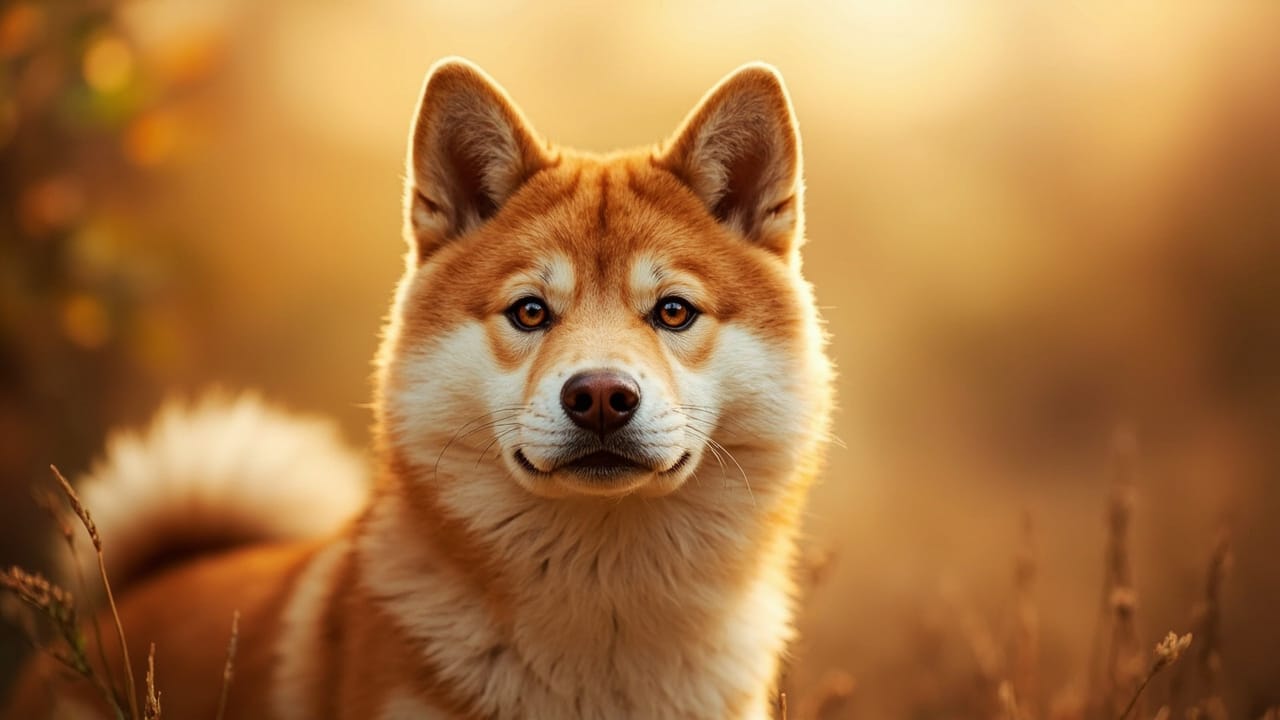
Best Supplements for Shiba Inus: A Complete Owner’s Guide
The best supplements for a Shiba Inu target the breed’s most common health risks: omega-3 fish oil for skin and coat, glucosamine and chondroitin for joint health, and probiotics for digestion. Most healthy Shibas eating a complete, AAFCO-approved diet need only a few targeted supplements rather than a long list.

Is Your Shiba Inu Overweight? How to Tell and Help It Lose Weight
You can tell if your Shiba Inu is overweight by checking for a visible waist, an hourglass profile from above, and easily felt but not protruding ribs. Most Shibas slim down effectively with measured meals of 300–550 kcal per day, eliminating table scraps, and adding 20–30 minutes of low-impact activity like brisk walks or controlled fetch.

Best Training Treats for a Shiba Inu: Top Picks, Sizes, and Tips
The best training treats for a Shiba Inu are small, soft, low-calorie, and high-value — typically pea-sized, smelly, and rich in protein. Freeze-dried meat, soft training minis, and small pieces of plain cooked chicken or cheese work exceptionally well, while keeping daily treat intake under 10% of calories.
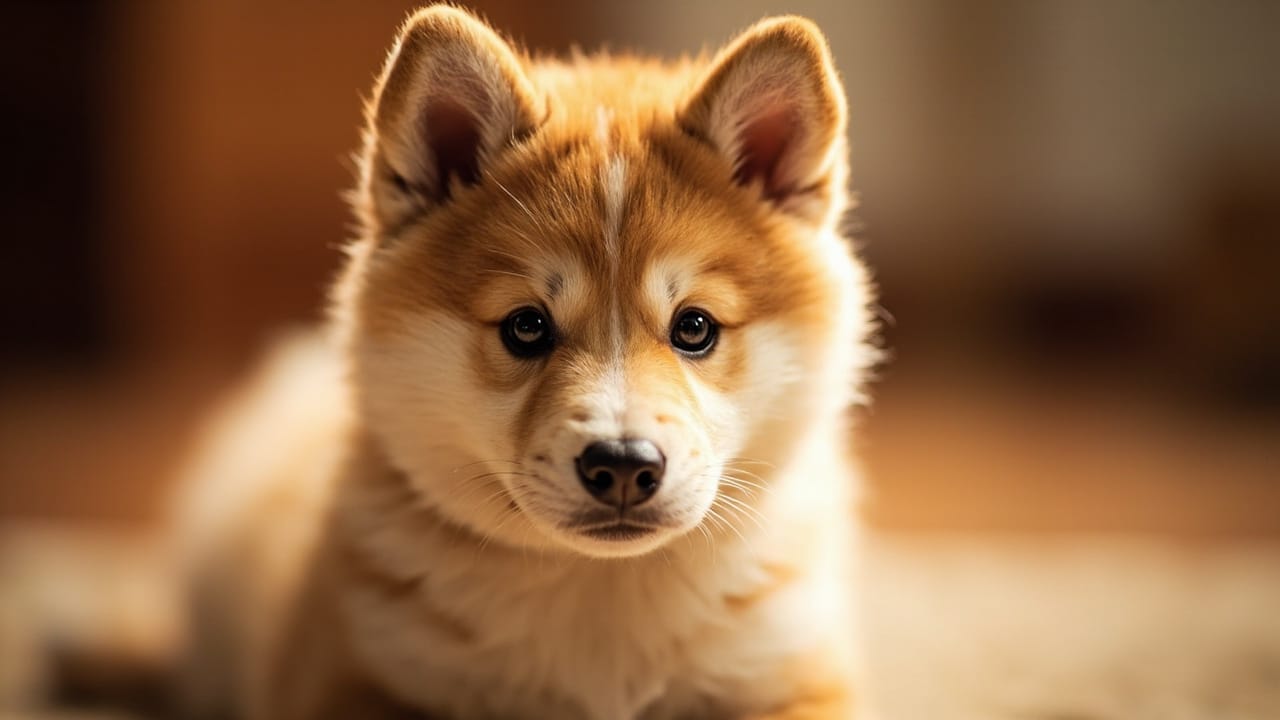
Shiba Inu Puppy Feeding Schedule: What & How Much to Feed
Feed your Shiba Inu puppy three to four measured meals per day from 8 weeks to 6 months, then transition to two meals daily. Use a high-quality puppy formula with animal protein as the first ingredient, and base portion size on weight and body condition rather than the bag's recommendation alone.
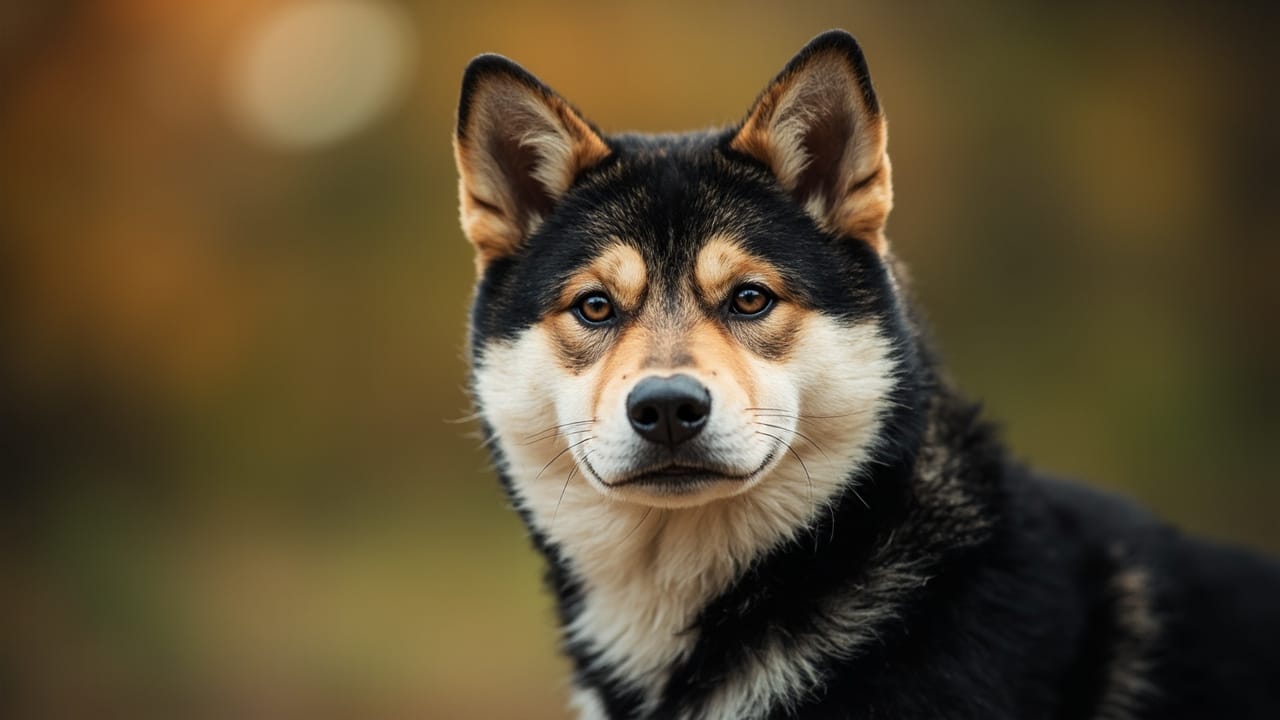
How Much Should You Feed a Shiba Inu Per Day? (Complete Guide)
An adult Shiba Inu typically needs 1 to 1.5 cups of high-quality kibble per day, split into two meals. Puppies require 3-4 meals daily of a large-breed puppy formula, while senior or less active Shib as may need closer to 1 cup. Exact portions depend on weight, activity level, food calorie density, and body condition score.

Raw Food vs Kibble for Shiba Inu: Which Diet Is Better?
Neither raw food nor kibble is universally superior for a Shiba Inu — both can be nutritionally complete or dangerously incomplete depending on formulation. Raw diets match the breed's ancestral biology and often improve coat and stool quality, but kibble is safer, cheaper, and easier to balance consistently. The best choice is the one you can source, prepare, and store safely without nutritional gaps.

Best Dog Food for Shiba Inu: Vet-Informed Feeding Guide
The best dog food for a Shiba Inu is a high-quality, animal-protein-first kibble (or balanced raw/fresh diet) formulated for small-to-medium active breeds, with named meat as the first ingredient, healthy fats like fish oil for coat health, and no fillers, artificial colors, or excessive grain. Most healthy adult Shibas thrive on roughly 1 to 1.5 cups of premium kibble per day split into two meals, with amounts adjusted for weight, age, and activity level.