Shiba Inu Guides & Articles
Expert, well-sourced answers to every Shiba Inu question — care, training, health, cost and more.
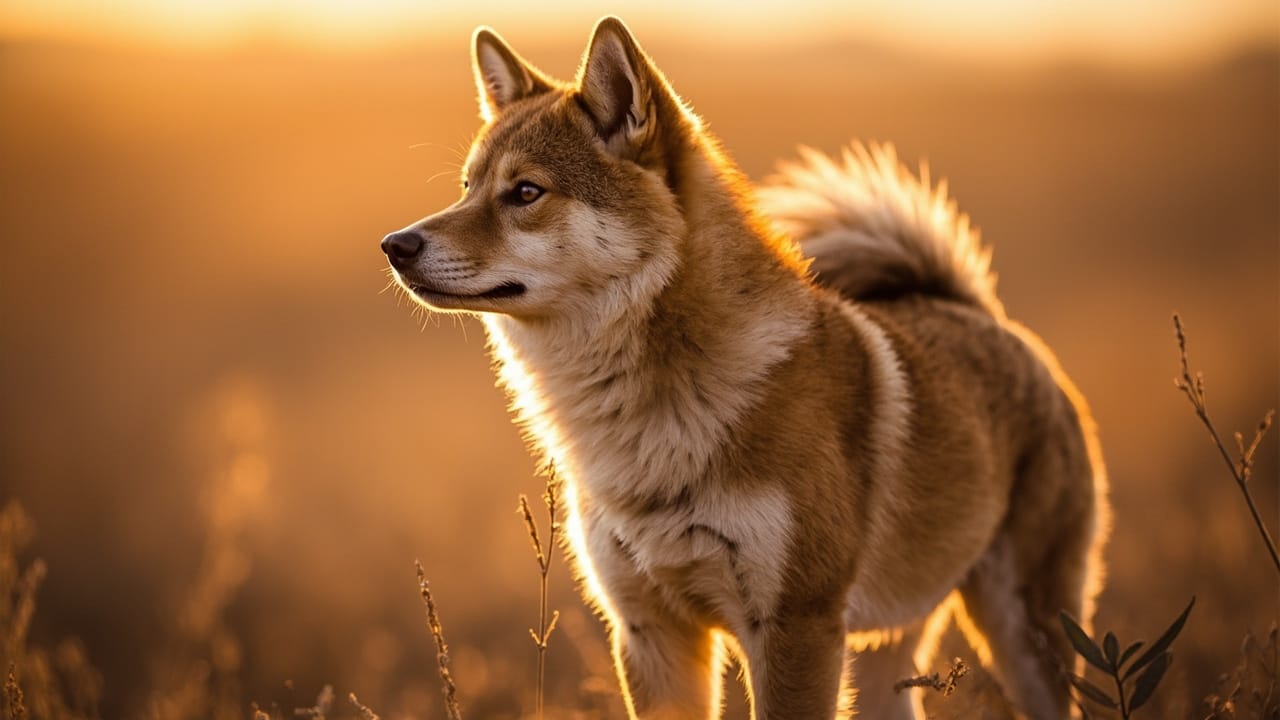
Is a Shiba Inu Related to a Fox? The Surprising Answer
No, the Shiba Inu is not related to a fox. Despite their famously fox-like face, curled tail, and foxy coloring, Shibas are 100% domestic dog (Canis lupus familiaris), descended from ancient Asian spitz-type ancestors. The fox resemblance is a textbook example of convergent evolution, where two unrelated species evolve to look similar because they share similar ecological niches.

Shiba Inu vs Alaskan Klee Kai: Full Breed Comparison
The Shiba Inu and Alaskan Klee Kai look similar but differ sharply in size, origin, and care needs. Shibas are a medium-sized ancient Japanese spitz (8–10 kg) bred for hunting, while Klee Kai are a small, modern American companion breed (4–11 kg) created in the 1970s. Both share spitz-type traits—prick ears, double coats, and independent personalities—but their exercise, training, and health profiles diverge significantly.

Shiba Inu vs Pomeranian: Full Breed Comparison
The Shiba Inu and Pomeranian are both small Spitz-type dogs with fox-like looks, but they're very different dogs in temperament. Shibas are independent, reserved, and athletic (8-10 kg), while Pomeranians are tiny (1.5-3 kg), extroverted, and people-pleasing. Choose a Shiba if you want a cat-like, quiet companion; choose a Pomeranian if you want a bubbly, lap-sized extrovert.

Shiba Inu vs Corgi: Which Breed Is Right for You?
Shiba Inus and Corgis are both small-to-medium spitz-type dogs with big personalities, but they differ sharply in temperament, trainability, and care needs. Shibas are independent, aloof, and cat-like, while Corgis are outgoing, people-pleasing herders who crave constant companionship. Neither breed is ideal for first-time owners, but for very different reasons.

Shiba Inu vs Siberian Husky: Key Differences, Temperament, Size & Care
The Shiba Inu is a small, independent Japanese spitz breed (8–10 kg) with a fox-like look and a reserved, cat-like personality, while the Siberian Husky is a medium-to-large working sled dog (16–27 kg) bred for endurance and pack sociability. Shibas are quieter, cleaner, and far more aloof with strangers, whereas Huskies are vocal, social, and demand more exercise and company.

Shiba Inu vs Finnish Spitz, Pomeranian & Fox-Looking Breeds Compared
The Shiba Inu is a medium-sized, primitive Japanese spitz-hunting dog built for stamina and independence, while lookalikes like the Finnish Spitz, Pomeranian, and Akita share the foxy face but differ sharply in size, temperament, and purpose. If you want a cat-like, athletic companion in a ~10 kg package, the Shiba is the clear pick; for a tiny toy breed, a vocal hunting dog, or a large guarding spitz, the alternatives fit better.

Shiba Inu vs Hokkaido, Kishu & Other Japanese Breeds
The Shiba Inu is the smallest of Japan's six native spitz breeds, standing 35-43 cm and weighing 8-10 kg, while the Hokkaido, Kishu, Shikoku, Kai, and Akita are all medium-to-large hunting dogs built for bigger game and harsher terrain. Visually similar but temperamentally distinct, the Shiba is the alert apartment-friendly companion, whereas the larger Japanese breeds tend to be more reserved, more pack-oriented, and more demanding to manage.

Shiba Inu vs Korean Jindo: How to Tell Them Apart
Shiba Inus and Korean Jindos look remarkably similar, but key differences set them apart: Shibas are smaller (8-10 kg), come in red, sesame, black & tan, and cream, and have rounder eyes, while Jindos are larger (15-23 kg), typically white or brindle, and have a more athletic, leggy build with almond-shaped eyes. Temperament also differs — Shibas are famously independent and cat-like, whereas Jindos bond intensely with one owner and are more reserved with strangers.

Shiba Inu vs Akita: What's the Difference? (Size, Temperament, Care)
The Shiba Inu and Akita are both ancient Japanese spitz-type dogs, but they differ dramatically in size, temperament, and care needs. Shibas are compact (8-11 kg) and cat-like in independence, while Akitas are large (32-59 kg), powerful guardians bred for big-game hunting and protection.