Shiba Inu Guides & Articles
Expert, well-sourced answers to every Shiba Inu question — care, training, health, cost and more.
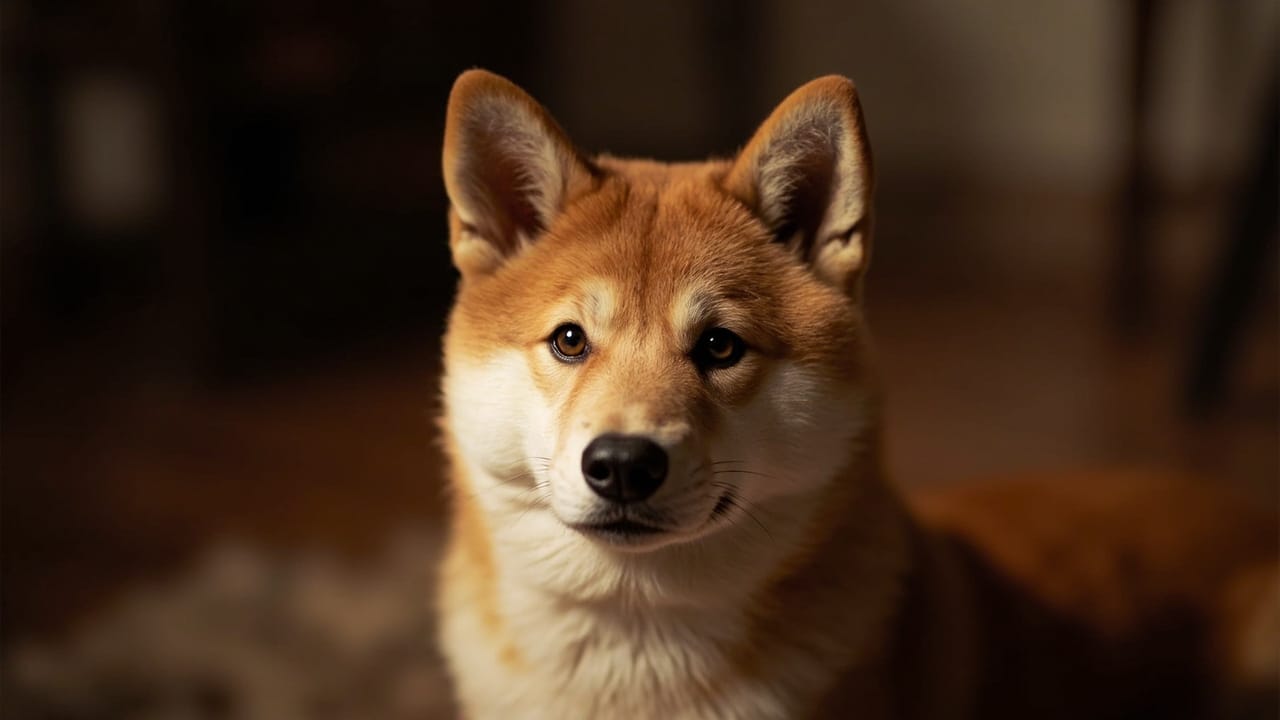
Dirty Red Shiba Inu: What It Means & How to Care for the Coat
A "dirty red" Shiba Inu is a red-coated Shiba whose fur has faded or sun-bleached to a duller, brownish, orange-rust, or muddy tone rather than the breed's preferred bright, clear orange-red. It is a cosmetic coat issue, not a health problem, and is most often caused by sun exposure, seasonal coat changes, or low-quality nutrition.
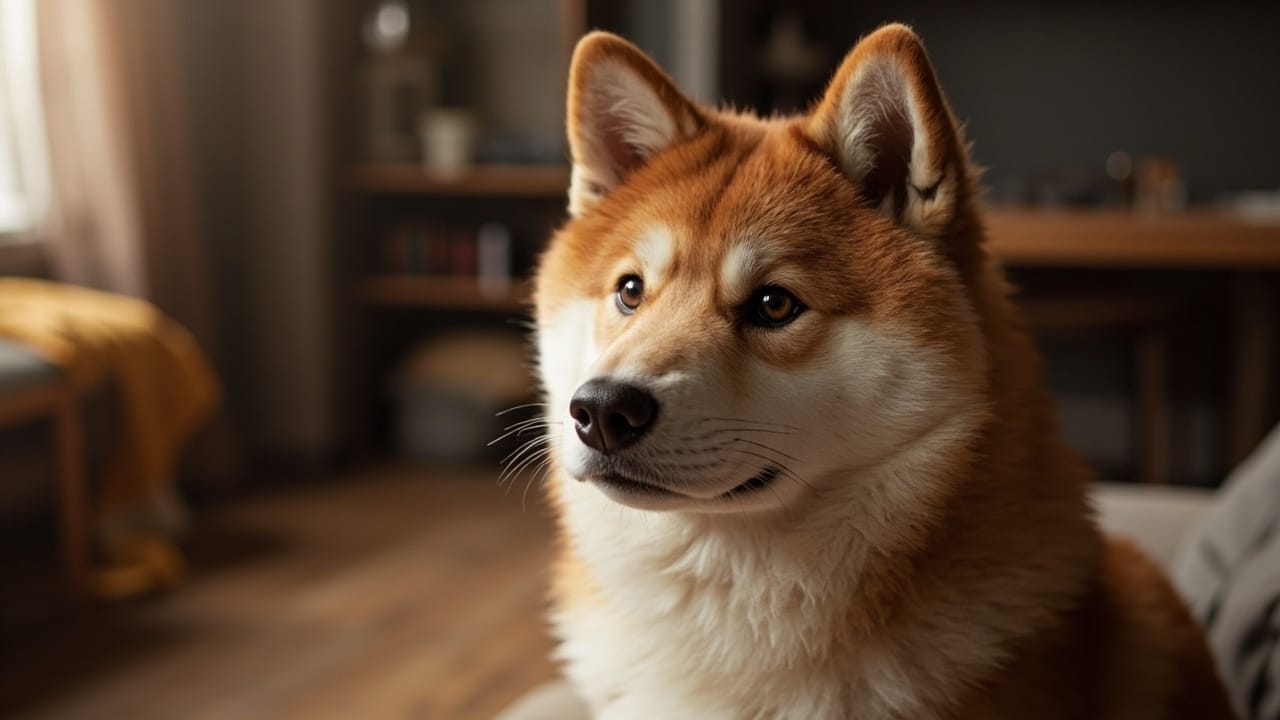
Do Shiba Inus Have an Undercoat? Yes — Here's What It Means
Yes, Shiba Inus have a thick, dense double coat made up of a soft undercoat and a stiff, straight outer coat. This double layer is the single most defining feature of the breed and the reason they shed heavily twice a year in what's called "blowing coat."
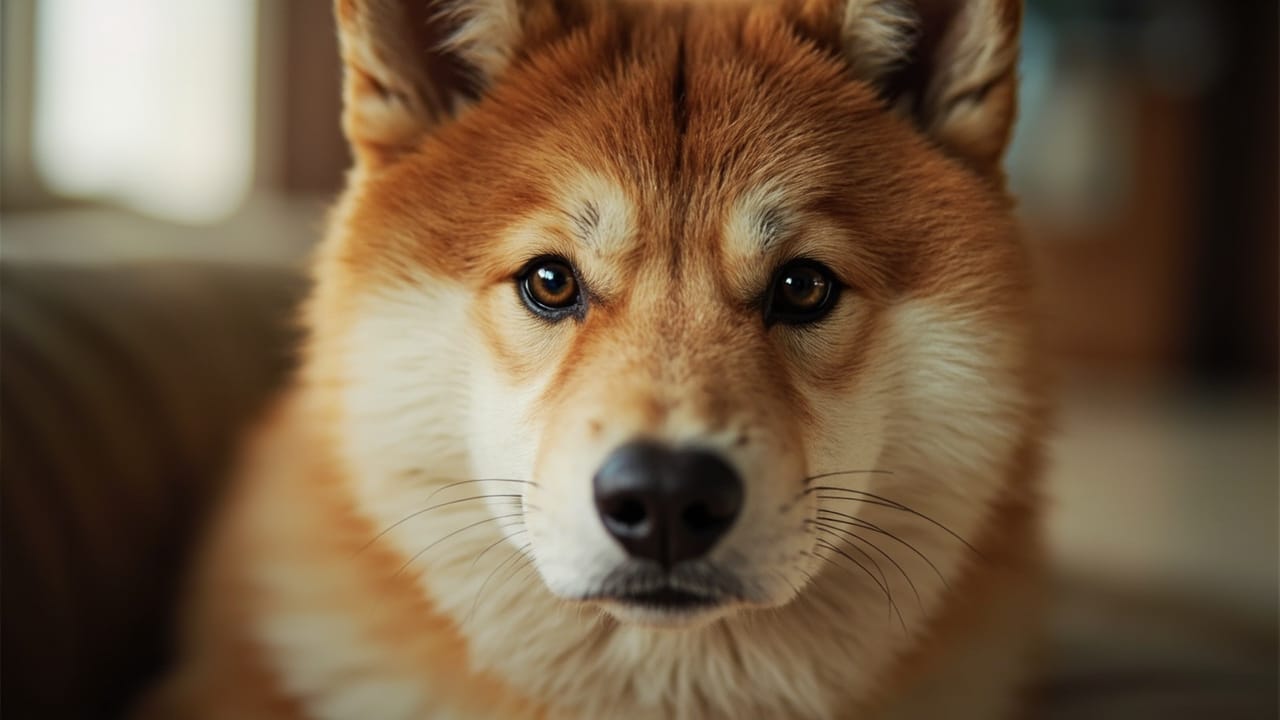
What Does a Healthy Shiba Inu Coat Feel Like? Texture Guide
A healthy Shiba Inu has a double coat with a stiff, straight outer coat that feels coarse and bristly to the touch, paired with a soft, dense, cottony undercoat. The fur should stand slightly away from the body rather than lie flat, giving the dog a plush, almost brushwood-like texture that repels dirt and water.
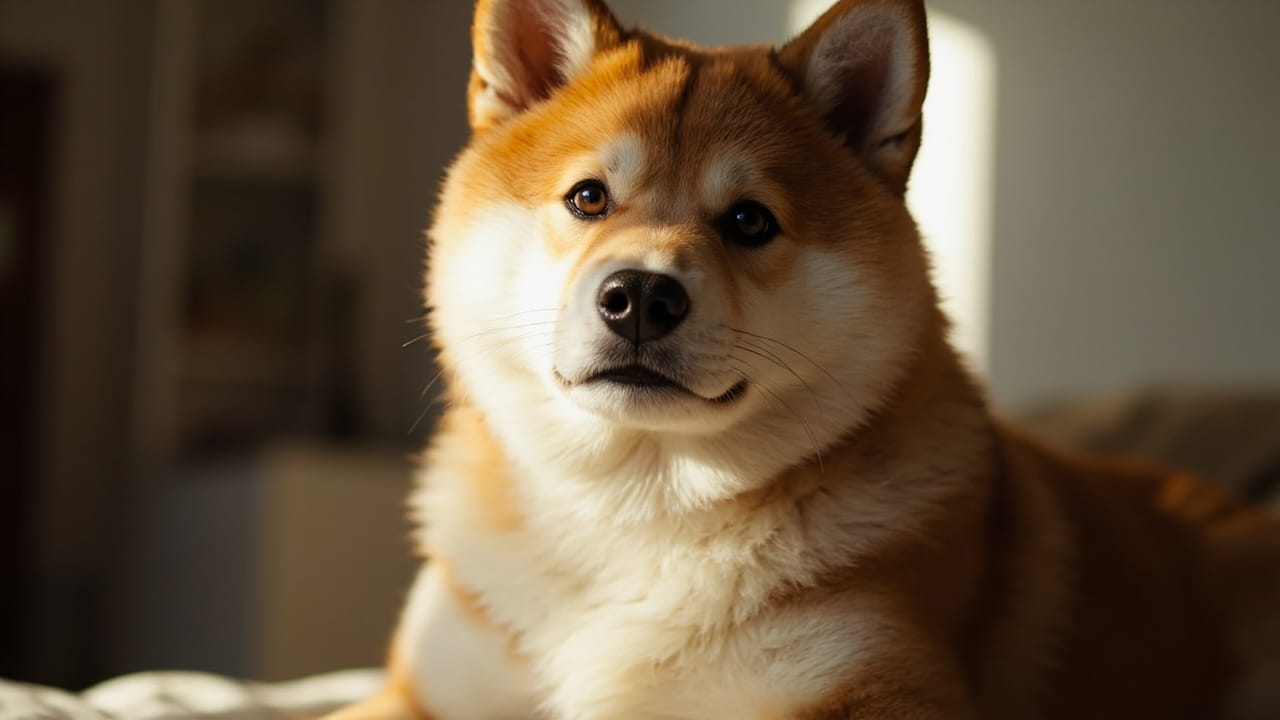
Do Shiba Inu Coat Colors Change As They Age? Complete Guide
Yes, Shiba Inu coat colors change as they age. Puppies are born dark and go through major shedding stages called "blowing coat," where puppy fuzz is replaced by adult fur. Red and sesame Shibas typically lighten, black and tans often fade to softer tones, and urajiro markings become more defined with maturity.
Why Is the Cream or White Shiba Inu Controversial?
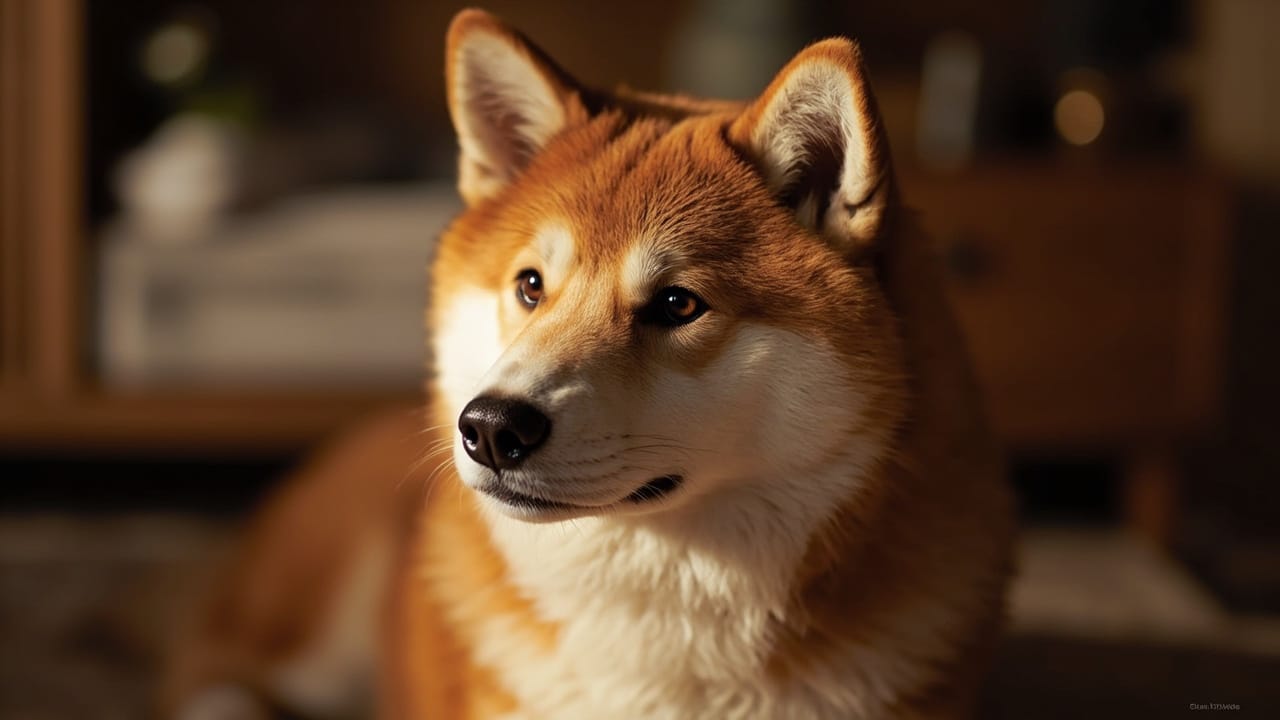
The cream Shiba Inu is controversial because, while striking and popular, the color is considered a serious fault by the original Japanese NIPPO standard and disqualifies the dog from conformation titles. Breed purists argue it indicates a loss of the urajiro (cream-white ventral markings) that defines the breed, while owners love the pale coat for its beauty and rarity.
Black Sesame Shiba Inu: Rarest Color Explained (With Pictures)
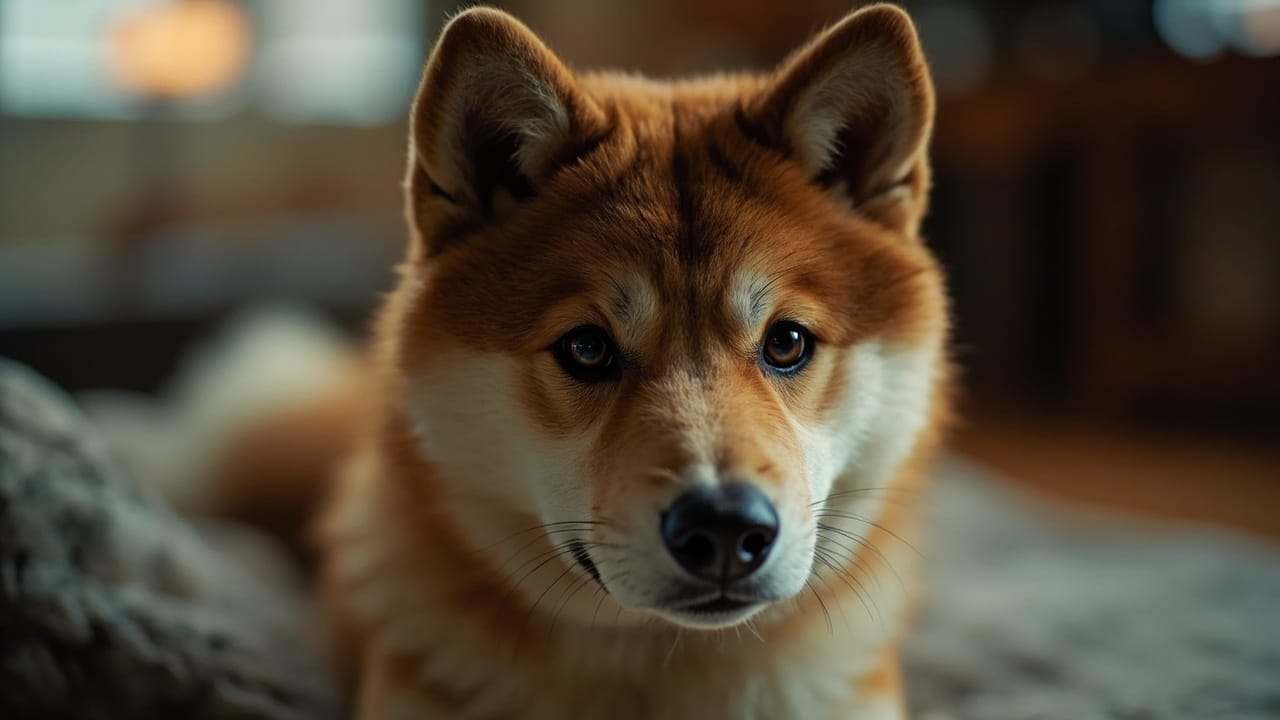
A black sesame Shiba Inu is a rare color variant where black-tipped hairs overlay a red base coat, producing a distinctive grizzled or salt-and-pepper appearance. True black sesame is one of the hardest Shiba colors to breed correctly and is only accepted in show rings under specific NIPPO and AKC standards.
Sesame vs Red Sesame Shiba Inu: Coat Color Differences Explained
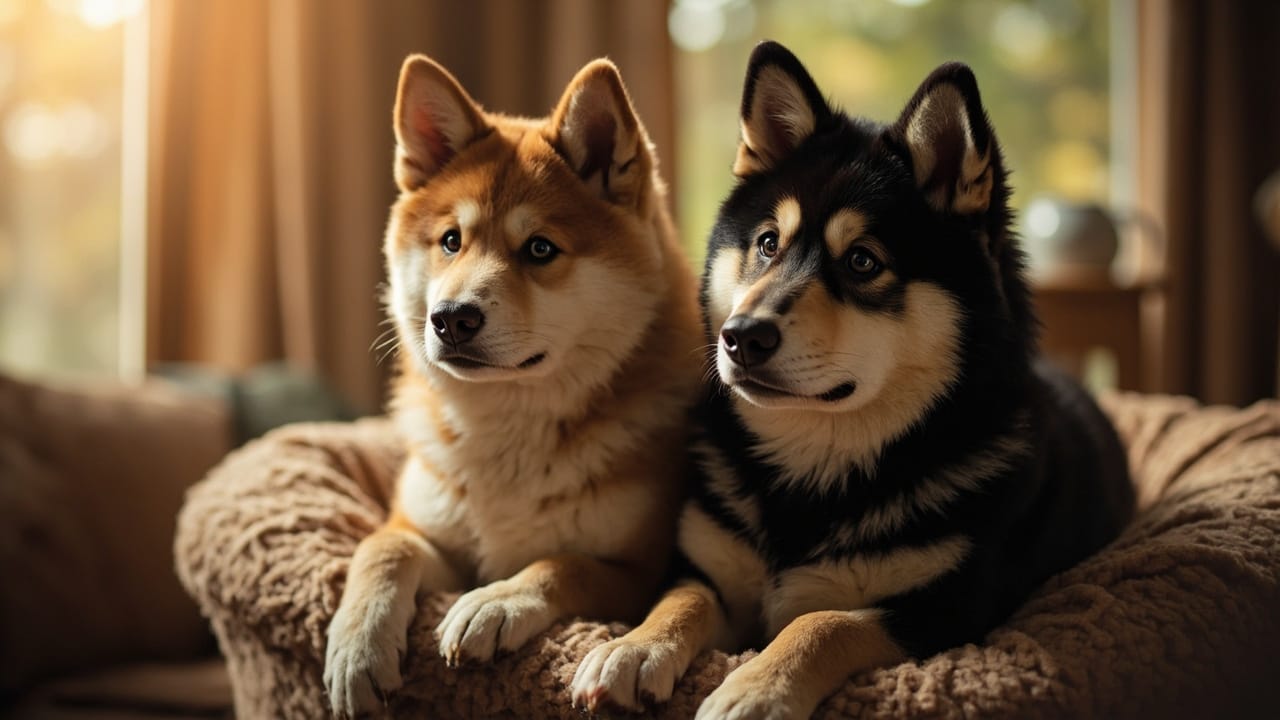
A true sesame Shiba Inu has a black-tipped, red-based coat with an even distribution of black overlay over a red background, while a red sesame Shiba Inu shows a predominantly red coat with only light or minimal black tipping. Both are recognized colors under the NIPPO and FCI standards, but the ratio of black to red overlay is what separates them.
Caring for a Shiba Inu's Dewclaws: Complete Guide
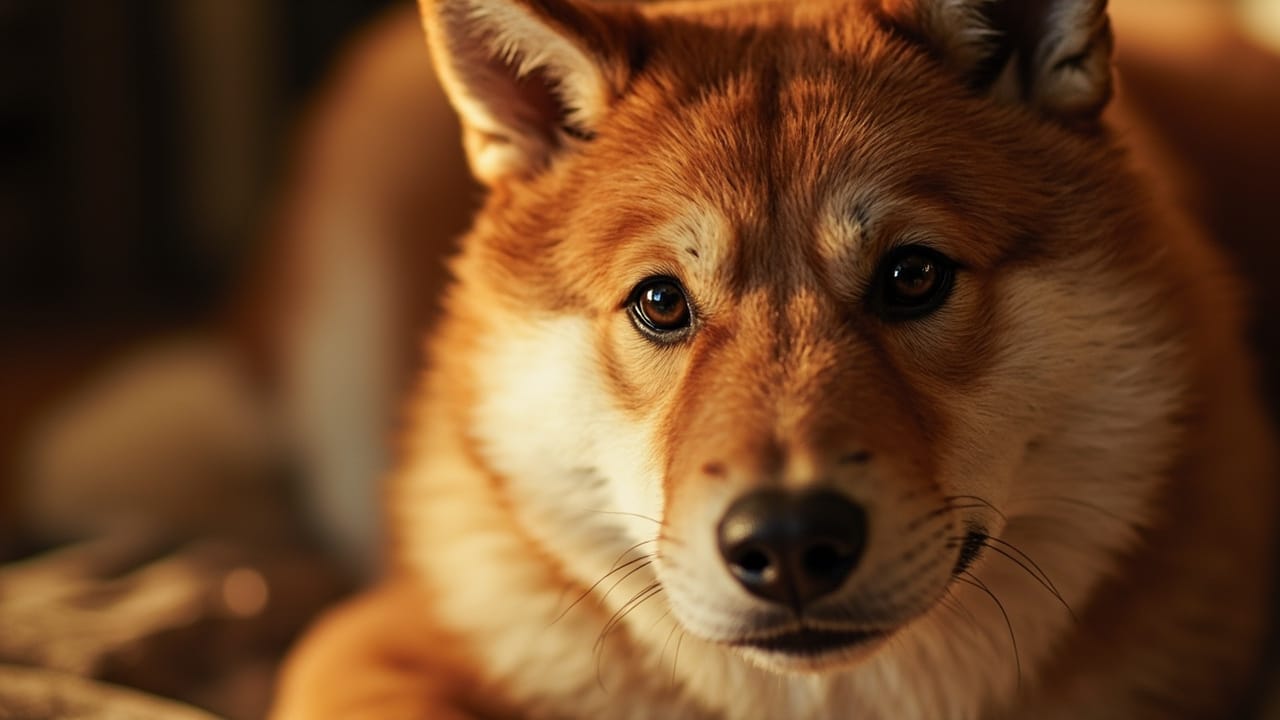
Shiba Inu dewclaws need regular trimming every 2-4 weeks, routine inspection for cracks or splits, and prompt care if caught or torn. Most Shibas have rear dewclaws that are loosely attached and prone to injury, making consistent maintenance essential for preventing pain and infection.
Best Undercoat Rake for a Shiba Inu: Complete 2025 Guide
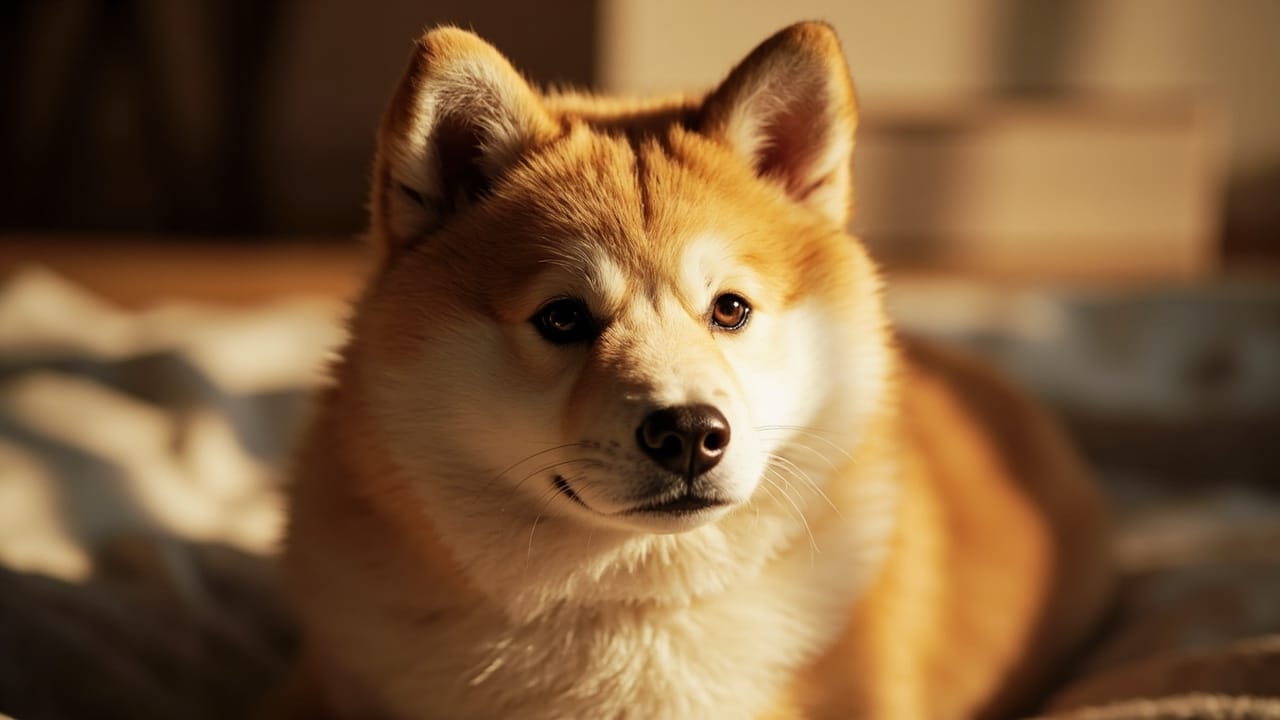
The best undercoat rake for a Shiba Inu is a two-row stainless steel deshedding rake with long, slightly curved pins (around 1 to 1.5 inches) and an ergonomic, non-slip handle. Top picks include the FURMAX Double-Sided Undercoat Rake, the Maxpower Planet Double-Sided Undercoat Rake, and the Pat Your Pet Double-Sided Deshedding Rake. Pair the rake with a slicker brush and a greyhound comb to manage the Shiba's heavy biannual coat blow.
Best Shampoo for a Shiba Inu: A Complete Buyer's Guide
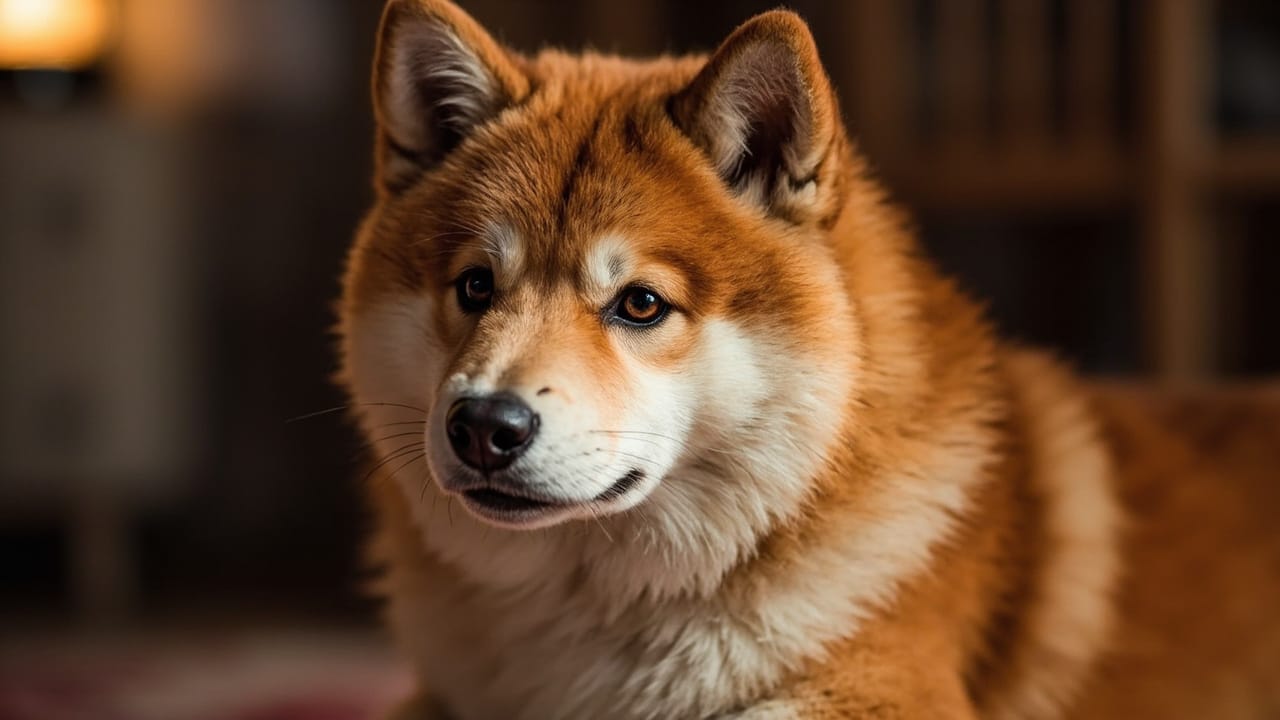
The best shampoo for a Shiba Inu is a mild, pH-balanced, soap-free formula designed for dogs — ideally with oatmeal, aloe, or coconut-based surfactants for Shibas with sensitive skin. Avoid human shampoos, harsh sulfates (SLS/SLES), and strong fragrances, as Shibas are prone to atopic dermatitis and dry skin.
How to Protect a Shiba Inu's Paws from Winter Road Salt (7 Practical Tips)
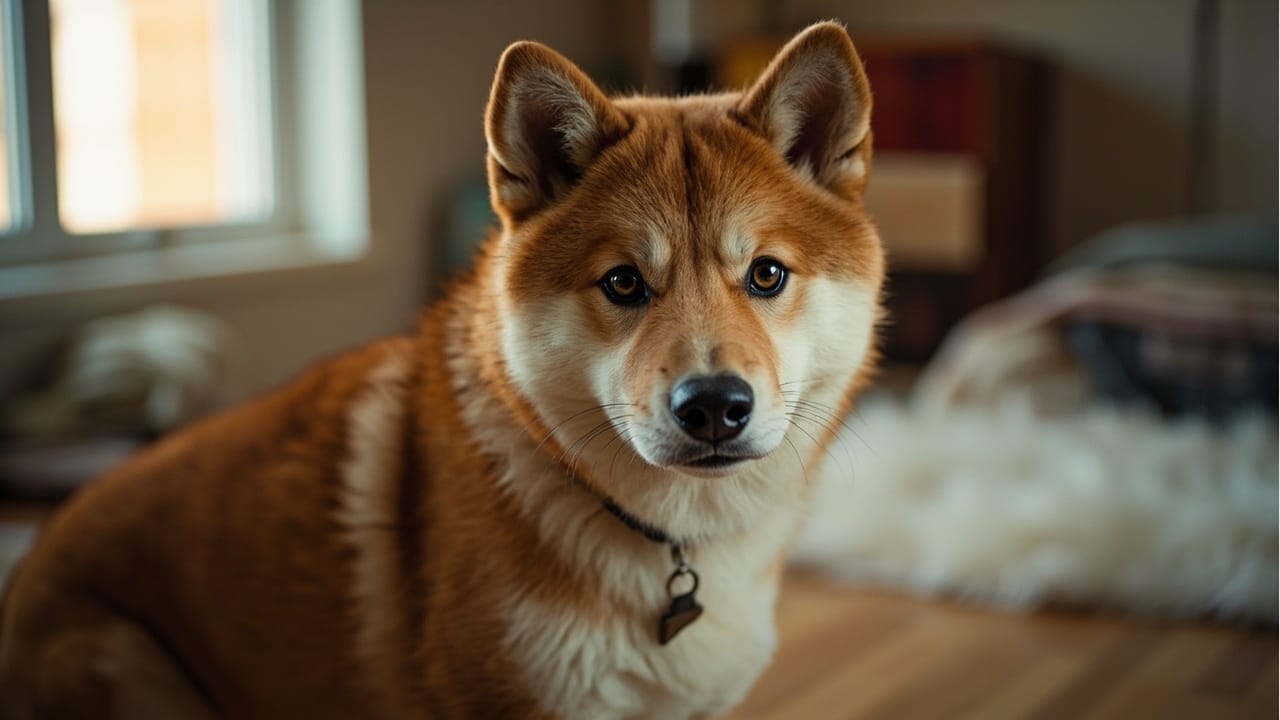
Wipe your Shiba's paws with a damp towel immediately after every winter walk to remove road salt before it irritates the skin, and apply a paw balm or musher's wax as a protective barrier before heading outside. Booties are the gold standard for full protection, but most Shibas need short desensitization sessions before tolerating them.
How to Protect Your Shiba Inu's Paws from Hot Pavement
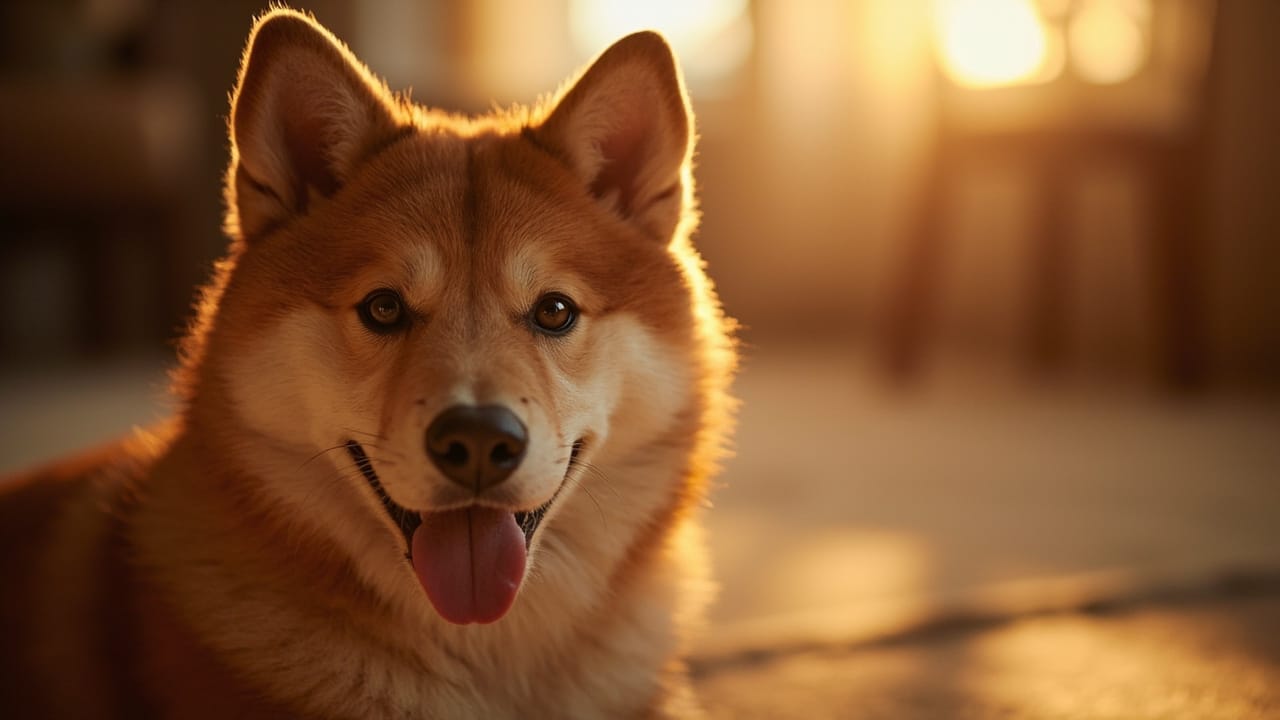
Hot pavement can burn a Shiba Inu's paw pads in seconds. Walk your dog during the coolest hours, use the 7-second back-of-hand test on the surface, and choose protective booties or paw wax on high-heat days. Limit contact time and rinse paws after every walk to remove road chemicals.

Trimming Shiba Inu Paw Fur: A Step-by-Step Guide
Trim the fur on a Shiba Inu's paws by first combing out the paw hair, then carefully snipping it level with the paw pad using rounded-tip safety scissors. Trim only the hair that grows beyond or between the pads, never shave the coat, and reward your Shiba with treats to keep the session calm.

How to Brush a Shiba Inu's Teeth: Complete Dental Care Guide
Brush your Shiba Inu's teeth 3-4 times per week using a soft-bristled or finger toothbrush and dog-safe enzymatic toothpaste (never human paste). Start slowly with finger rubbing, build up to 2-minute sessions, and pair the routine with praise and high-value treats to make it a positive habit.

When Do Shiba Inu Ears Stand Up? Complete Timeline Guide
Shiba Inu ears typically stand up between 7 and 12 weeks of age, though some puppies take up to 6 months. If ears are still floppy after 6-7 months, they will likely remain that way, as the cartilage has fully set by then.

When Does a Shiba Inu Finish Teething? Full Timeline & Care Guide
Shiba Inu puppies finish teething around 6 to 7 months of age, once all 42 adult teeth have erupted. The adult incisors and canines typically come in by 5 months, with the full set complete a few weeks later. Most Shibas are done chewing destructively by their first birthday.

Do Shiba Inus Need Their Anal Glands Expressed? A Complete Guide
Most Shiba Inus do not need routine anal gland expression — healthy dogs express them naturally when they poop. However, some Shibas are prone to impacted or infected anal glands and may need manual expression by a vet or trained groomer every 4-8 weeks.

At-Home Shiba Inu Grooming Routine: The Complete Guide
A full at-home grooming routine for a Shiba Inu includes weekly brushing with a slicker and undercoat rake, a bath every 6-8 weeks, nail trims every 2-3 weeks, daily teeth brushing, and ear and eye checks. During the twice-yearly coat blow, daily line brushing and deshedding sessions are essential to manage the heavy undercoat.

Should You Shave a Shiba Inu? Vet-Informed Guide to Coat Care
No, you should never shave a healthy Shiba Inu's double coat. The coat insulates against heat and cold, protects the skin from sunburn and injury, and takes years to grow back correctly. Shaving is only appropriate when a veterinarian specifically recommends it for medical reasons.

Shiba Inu in Winter: Cold-Weather Care Guide for Owners
Shiba Inus handle cold weather better than most dogs thanks to their dense double coat, but they still need limits on exposure, paw protection, and adjusted routines. Keep outdoor time moderate, watch for shivering, and bring them inside well before temperatures drop below freezing for long periods.

Keeping a Shiba Inu Cool and Safe in Summer Heat
Shiba Inus are double-coated and can overheat quickly in hot weather, so they need shaded rest areas, constant fresh water, and limited outdoor time when temperatures climb above 80°F (27°C). Never shave the coat — it actually protects against heat — and watch for heavy panting, drooling, or collapse as warning signs of heatstroke.

Shiba Inu Coat Care Through the Seasons: Complete Grooming Guide
A Shiba Inu's double coat needs seasonal, not constant, care. Brush weekly most of the year, daily during the twice-yearly coat blow (spring and fall), bathe only every 2-3 months, and never shave the coat — it regulates temperature and protects against sun and skin allergies.

Shiba Inu Paw Care: Complete Guide to Healthy Pads and Feet
Shiba Inu paw care starts with weekly inspections, regular trimming of the hair between the pads, and moisturizing dry or cracked pads with paw balm or coconut oil. Walks on hot pavement, ice melt chemicals, and rough terrain are the biggest threats to pad health, so wipe paws after every outing and check for cuts, torn nails, and foreign debris.

Shiba Inu Dental Care: Complete Guide to Healthy Teeth
Brush your Shiba Inu's teeth 2-3 times per week with dog-safe enzymatic toothpaste, provide daily dental chews, and schedule professional cleanings under anesthesia every 1-2 years. Shibas are prone to dental disease starting around age 3, making consistent home care essential for their 13-16 year lifespan.

How to Clean a Shiba Inu's Ears and Prevent Infections
Clean a Shiba Inu's ears every 2–4 weeks using a vet-approved dog ear cleaner and cotton balls — never cotton swabs. Weekly visual checks, thorough drying after baths or swims, and routine grooming are the best defenses against the otitis externa and yeast infections Shibas are prone to.

How to Trim a Shiba Inu's Nails Safely (Step-by-Step Guide)
Trim your Shiba Inu's nails every 3-4 weeks using a sharp guillotine or scissor-style clipper, clipping just 2-3 mm past the quick (the pink blood vessel inside the nail). If your Shiba has clear or white nails, the quick is visible; for black nails, trim in tiny 1-2 mm increments and stop at the chalky white ring to avoid pain and bleeding.
How Often Should You Bathe a Shiba Inu? Expert Grooming Guide
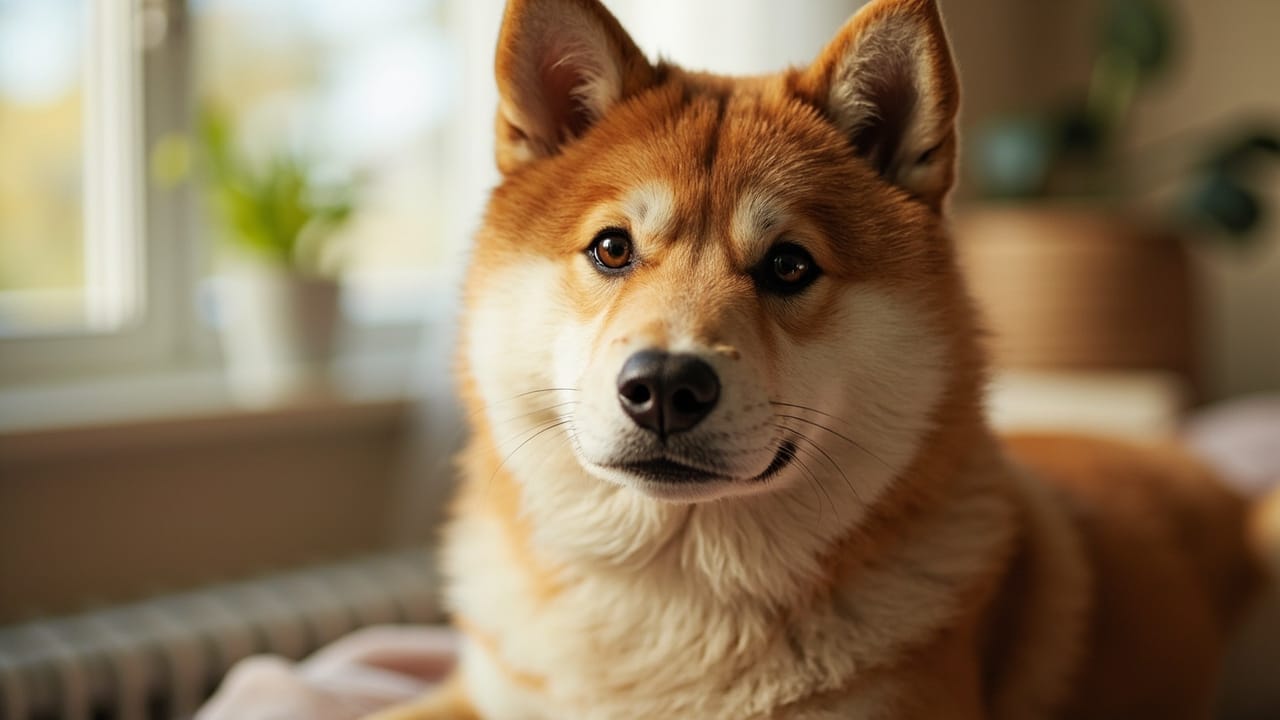
Bathe a Shiba Inu about once every 6 to 8 weeks, or only when truly dirty or smelly. Over-bathing strips the coat's natural oils, leading to dry skin and dull fur. Between baths, brushing 2-3 times per week keeps the coat clean and healthy.

Best Brush and Deshedding Tool for a Shiba Inu: Expert Guide
The best brush and deshedding tool for a Shiba Inu is a combination of a slicker brush (or pin brush) for daily maintenance and an undercoat rake or deshedding tool like the FURminator during the twice-yearly coat blow. A stainless steel comb finishes the job and keeps the dense double coat healthy year-round.

Keeping a Double-Coated Shiba Inu Comfortable in Heat and Cold
A Shiba Inu's double coat is a self-regulating insulator: it traps cool air in summer and warm air in winter. Your job is to work with it, not against it — never shave it. Provide shade, water, and airflow in hot weather, and rely on the dry undercoat plus sensible layering in cold weather.

What to Feed a Shiba Inu: Complete Feeding Guide by Age & Weight
Feed an adult Shiba Inu roughly 1–1.5 cups of high-quality kibble (or calorie equivalent) split into two meals daily, adjusting for weight, age, and activity. Puppies need 3–4 meals of growth-formula food, while seniors benefit from lower-calorie, joint-supporting diets. Always base portions on body condition, not the bag label alone.
Do Shiba Inus Smell? Bathing Frequency & Coat Care Guide
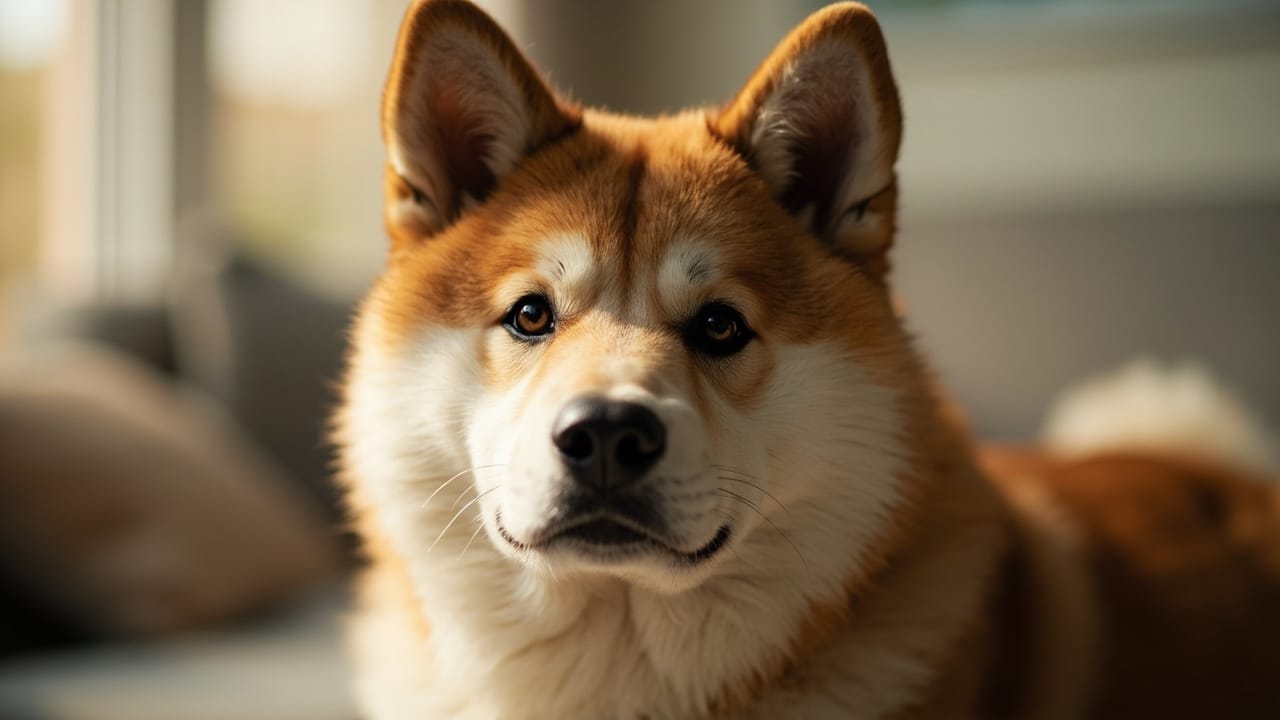
Shiba Inus are one of the least smelly dog breeds thanks to their clean, cat-like self-grooming habits and naturally water-resistant double coat. Most Shibas only need a full bath every 6–8 weeks (or roughly once a month), with spot cleaning and towel wipes in between to preserve the coat’s natural oils.
Shiba Inu Exercise Needs: How Much Activity Per Day?
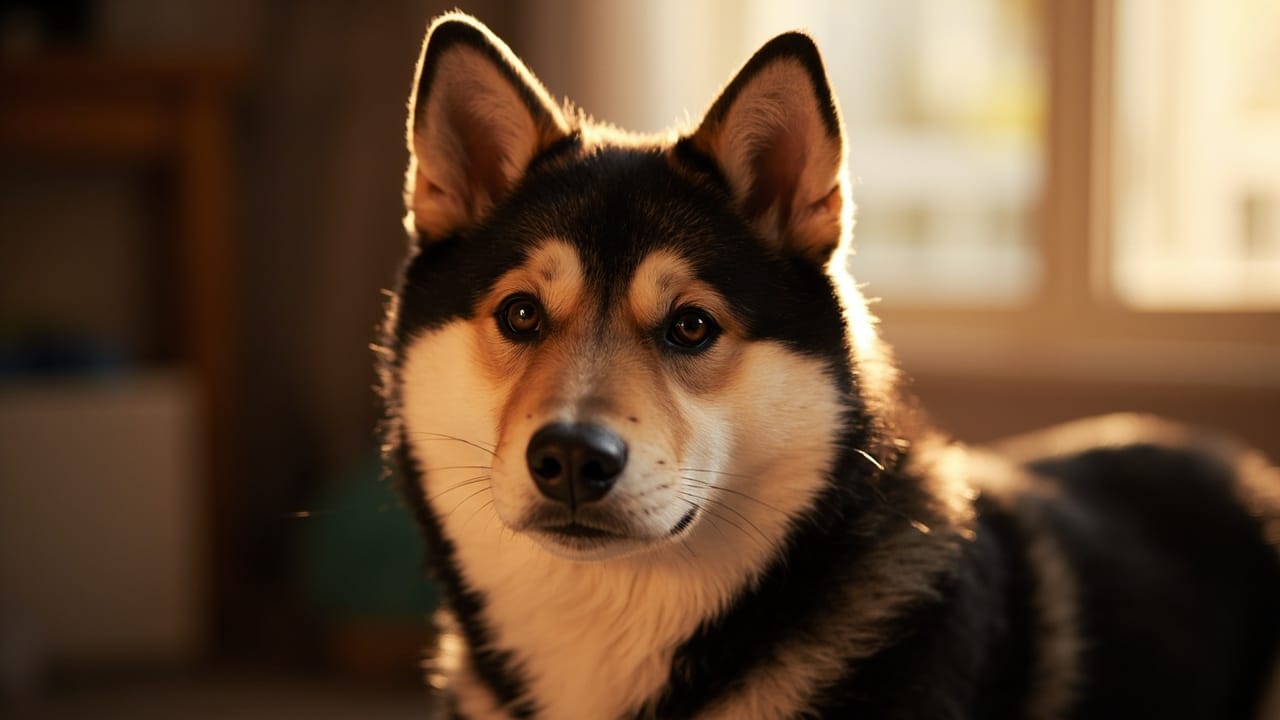
A healthy adult Shiba Inu needs 45–60 minutes of structured exercise per day, split into two sessions, plus off-leash freedom in a secure area when possible. Puppies require short, careful sessions (5 minutes per month of age) to protect growing joints, while seniors still need 20–30 minutes of low-impact movement to stay mobile and lean.

Shiba Inu Grooming: How Often to Brush, Bathe & Maintain That Iconic Coat
Brush your Shiba Inu once or twice a week for most of the year, and daily during the two heavy seasonal coat blows. Bathe only every 6–8 weeks (or as needed), trim nails every 2–4 weeks, brush teeth several times per week, and check ears weekly. Shibas are clean, low-odor dogs whose double coat does best with minimal intervention.

Are Shiba Inus Hypoallergenic? The Honest Answer
No, Shiba Inus are not hypoallergenic. They have a thick double coat that sheds heavily year-round and blows coat twice a year, releasing significant dander and the primary dog allergen Can f 1 into your home. Allergy sufferers should expect reactions, though individual sensitivity varies.

Do Shiba Inus Shed a Lot? Understanding the Blowing Coat
Yes, Shiba Inus shed heavily year-round and undergo dramatic seasonal 'coat blows' twice a year, typically in spring and fall. During a coat blow, the undercoat comes out in massive clumps for 2-4 weeks, requiring daily brushing. They are not hypoallergenic, and no grooming routine can stop the shedding cycle.