Shiba Inu Guides & Articles
Expert, well-sourced answers to every Shiba Inu question — care, training, health, cost and more.
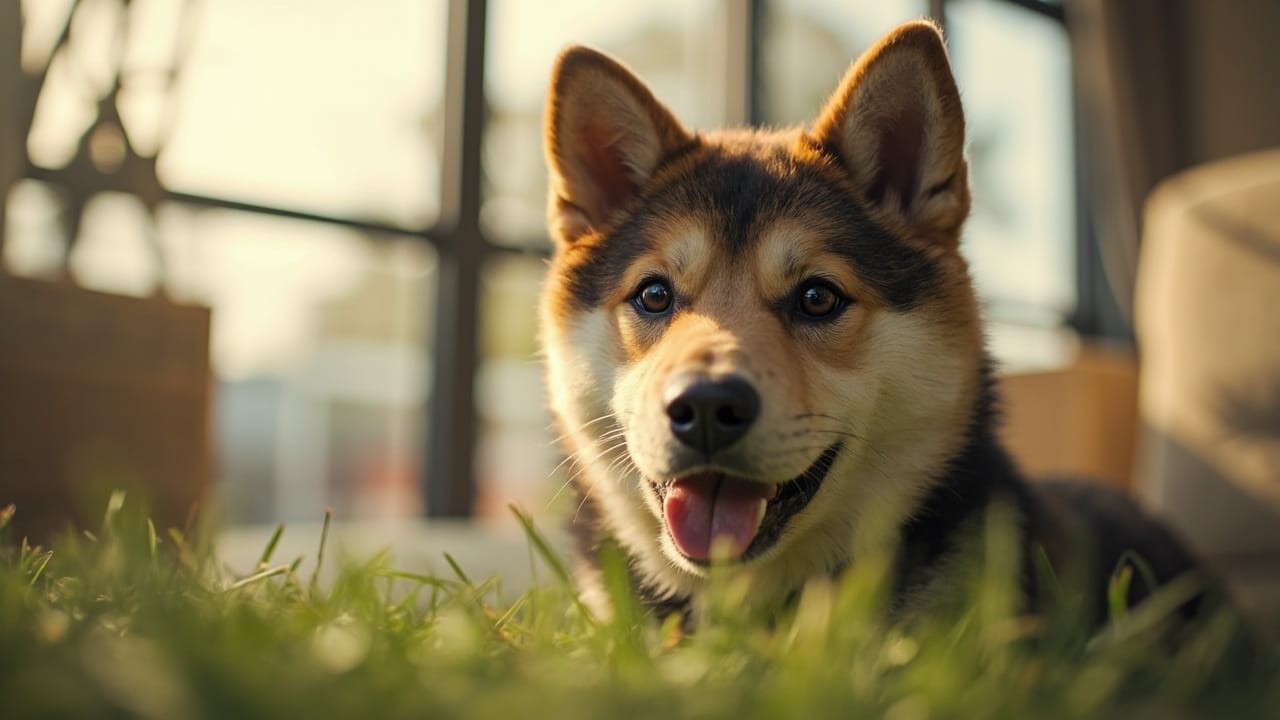
Why Does My Shiba Inu Eat Grass and Then Vomit?
Most Shiba Inu eat grass to soothe an upset stomach, and vomiting afterward is usually a normal self-clearing reflex rather than an emergency. Repeated vomiting, blood, lethargy, or refusal to eat, however, signals a vet visit. Occasional grass-eating in an otherwise bright, well-eating Shiba is generally harmless.
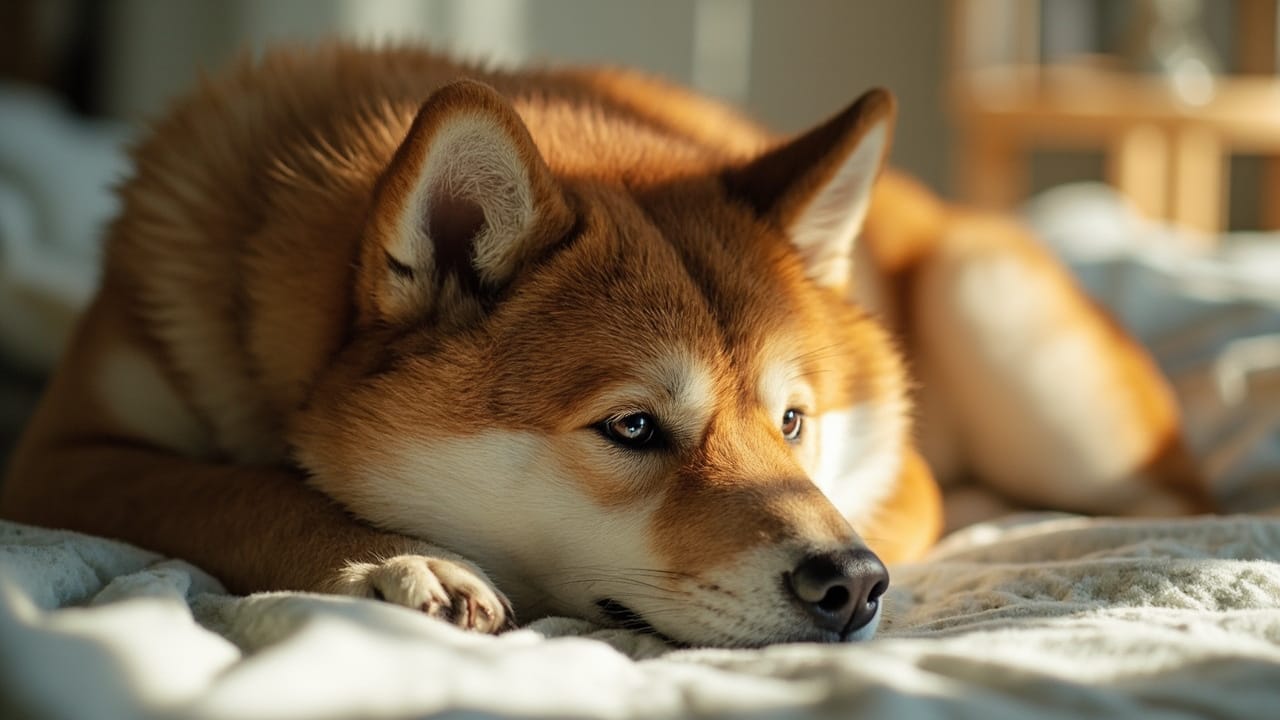
Why Does My Shiba Inu Tremble While Sleeping? (Vet-Informed Guide)
Shiba Inus often twitch, paddle, and even whimper during sleep because they are dreaming — most likely in REM sleep. Occasional sleep tremors are a normal part of canine sleep cycles and are not usually a cause for concern. Persistent, violent, or whole-body shaking that continues while awake warrants a veterinary visit.

Why Does My Shiba Inu Have Red, Itchy Ears? (Vet-Informed Guide)
Red, itchy ears in Shiba Inus are most often caused by ear mites, bacterial or yeast infections, or allergic skin disease (especially atopic dermatitis, which is common in the breed). Because Shibas have small, deep ear canals and a strong tendency toward allergies, symptoms escalate fast and need prompt cleaning and a vet visit within 24-48 hours.

Why Is My Shiba Inu Drinking So Much Water? 7 Common Causes
Increased thirst in Shiba Inus (called polydipsia) often points to heat, exercise, or diet, but it can also signal medical issues like kidney disease, diabetes, or Cushing's disease. Track how much your Shiba actually drinks, and see a vet promptly if intake jumps above roughly 50–60 ml per kg of body weight per day or is paired with other symptoms.
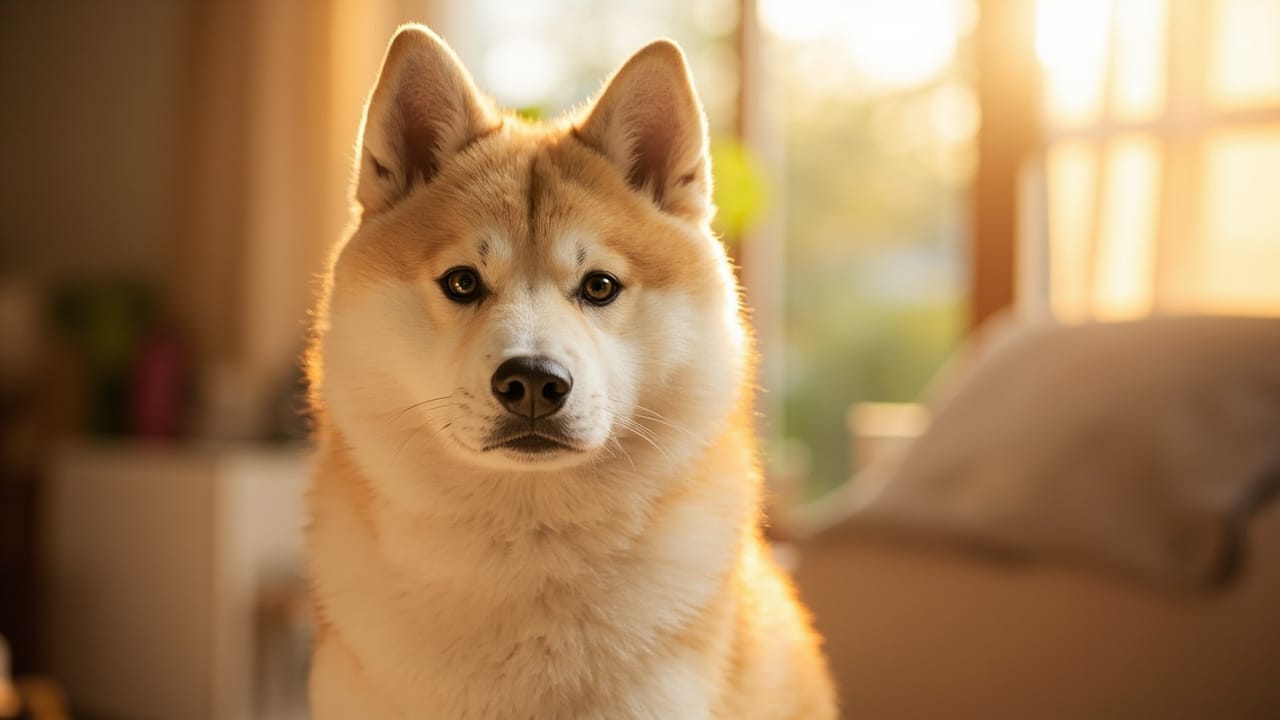
Why Does My Shiba Inu Reverse Sneeze? Causes, Relief, and When to Worry
A Shiba Inu reverse sneeze is a sudden, sharp inhalation caused by a spasm of the soft palate, usually triggered by post-nasal irritation, allergies, or excitement. It sounds alarming but is almost always harmless and self-resolves within seconds to a minute.

Why Does My Shiba Inu Get Hiccups? Causes, Prevention, and Care
Shiba Inu hiccups are usually harmless and caused by eating or drinking too fast, excitement, or sudden temperature changes. They typically resolve within minutes. Persistent hiccups lasting more than a few hours, or those paired with breathing trouble, drooling, or lethargy, warrant a vet visit.

Why Does My Shiba Inu Have a Dry, Cracked Nose?
A dry, cracked nose in a Shiba Inu is usually harmless and often caused by dehydration, sleep, sun exposure, or cold winter air. However, persistent cracking, crusting, sores, or loss of pigment can signal infection, autoimmune disease, or a condition called nasal hyperkeratosis, and warrants a vet visit.

Shiba Inu Losing Hair in Patches: Causes and What to Do
Patchy hair loss in a Shiba Inu usually points to an underlying issue rather than normal seasonal shedding. The most common causes are allergies (especially atopic dermatitis), hormonal imbalances, demodectic mange, fungal infections like ringworm, and stress-related over-grooming. A vet visit with skin scrapings, cytology, or a fungal culture is the fastest way to identify the cause and start treatment.

Why Does My Shiba Inu Have Watery Eyes? 7 Common Causes & When to Worry
Shiba Inu watery eyes are usually caused by environmental irritants (dust, wind, allergens), tear staining from the breed's facial structure, or mild conjunctivitis. Persistent tearing, redness, squinting, or thick discharge warrants a vet visit, as it can signal atopic dermatitis, glaucoma, corneal ulcers, or dental disease common to the breed.
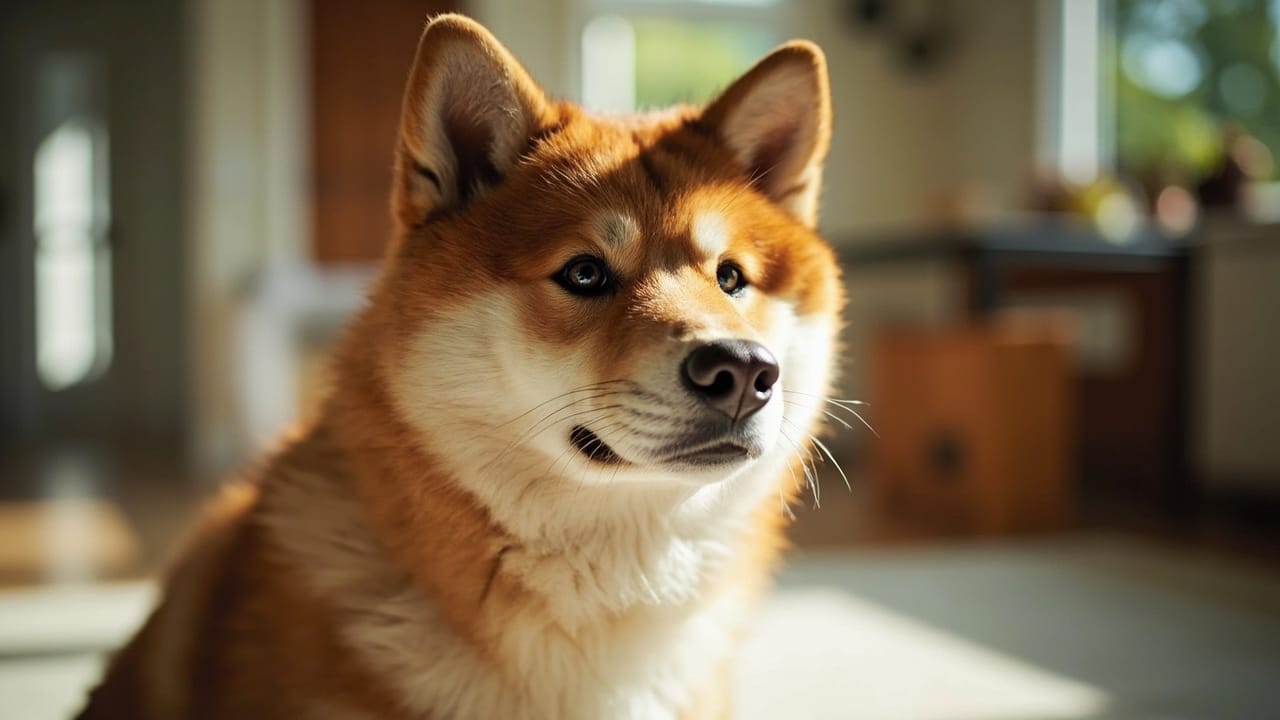
Why Does My Shiba Inu Have Bad Breath? Causes, Fixes, and When to Worry
Bad breath in Shiba Inus is most often caused by dental disease — tartar buildup, gingivitis, or periodontal infection — but it can also signal digestive issues, kidney or liver problems, or simply the wrong diet. If the smell is sudden, unusually foul, or paired with drooling, vomiting, or appetite loss, see your vet within 24-48 hours.

Why Does My Shiba Inu Eat Grass? 7 Common Reasons
Shiba Inus eat grass for several normal reasons, including natural instinct, dietary fiber needs, boredom, or simply because they enjoy the taste. Occasional grass eating is usually harmless, but sudden increases, frequent vomiting afterward, or other illness signs warrant a vet visit.

Why Is My Shiba Inu Vomiting Yellow Bile? Causes, Treatment, and When to Worry
Yellow bile vomit in Shiba Inus usually means an empty stomach. Hunger, late-night meals, or acid reflux are the most common causes, but pancreatitis, blockages, liver disease, or Addison's can also trigger it. If vomiting is frequent, contains blood, or is paired with lethargy, see a vet immediately.

Why Is My Shiba Inu Not Eating? Causes, Warning Signs, and What to Do
A Shiba Inu refusing food is usually caused by stress, heat, dental pain, gastrointestinal upset, or simply being a notoriously picky breed. If your Shiba skips more than two meals, shows lethargy, vomiting, diarrhea, or weight loss, contact your veterinarian promptly, as prolonged fasting can cause dangerous hypoglycemia in small breeds.

Shiba Inu Scooting on the Floor: Causes and What to Do
Scooting in Shiba Inus is usually caused by full or impacted anal glands, but it can also signal allergies, parasites, or a dirty bottom. If it happens more than once or twice, a vet visit is warranted to manually express the glands and rule out infection.

Why Does My Shiba Inu Keep Licking Its Paws? 7 Common Causes
Shiba Inus lick their paws most often because of atopic dermatitis (environmental allergies), which is the most common skin condition in the breed. Other frequent causes include food allergies, fleas, boredom or stress, pain from an injury, or a lodged foreign object like a grass awn. If licking is constant, the skin is red, or the paws smell yeasty, a vet visit is warranted.
Why Is My Shiba Inu Panting So Heavily? 9 Common Reasons
Heavy panting in Shiba Inus is usually a normal cooling mechanism, since dogs cannot sweat like humans. However, excessive or sudden panting can signal heatstroke, pain, stress, heart problems, or metabolic issues like Cushing's disease. If your Shiba is panting heavily at rest, appears distressed, or has discolored gums, see a vet immediately.

Why Is My Shiba Inu Shaking? 8 Common Causes & When to Worry
Shiba Inu shake for several reasons: cold, excitement, stress, pain, old age, low blood sugar, ear infections, or neurological issues. Occasional trembling during baths or fireworks is normal, but persistent shaking, head tilting, or trembling paired with lethargy warrants an urgent vet visit.
Why Is My Shiba Inu Coughing? Causes, Treatment, and When to Worry
A coughing Shiba Inu most commonly has kennel cough, heart disease, heartworm, collapsing trachea, or chronic bronchitis. A new cough lasting more than 2-3 days, or any cough with labored breathing, blue gums, fainting, or low energy, requires a same-day veterinary visit.

Why Is My Shiba Inu Sneezing a Lot? Causes, Relief, and When to Worry
Frequent sneezing in Shiba Inus is usually caused by environmental irritants, seasonal allergies (atopic dermatitis is common in the breed), or upper respiratory infections. Occasional sneezing is normal, but repeated sneezing, nasal discharge, or breathing difficulty warrants a vet visit. Reverse sneezing, which sounds alarming, is a separate and typically harmless reflex.

Why Is My Shiba Inu Limping? Causes, First Aid, and When to Call the Vet
A Shiba Inu limping can stem from paw injuries, luxating patella, hip dysplasia, cruciate ligament tears, IVDD, or arthritis. If your Shiba refuses to bear weight, the leg is swollen, or symptoms last more than 24 hours, see a vet immediately. Mild, intermittent limping often improves with 24-48 hours of rest, but early diagnosis of joint conditions is critical for long-term mobility.