Shiba Inu Guides & Articles
Expert, well-sourced answers to every Shiba Inu question — care, training, health, cost and more.
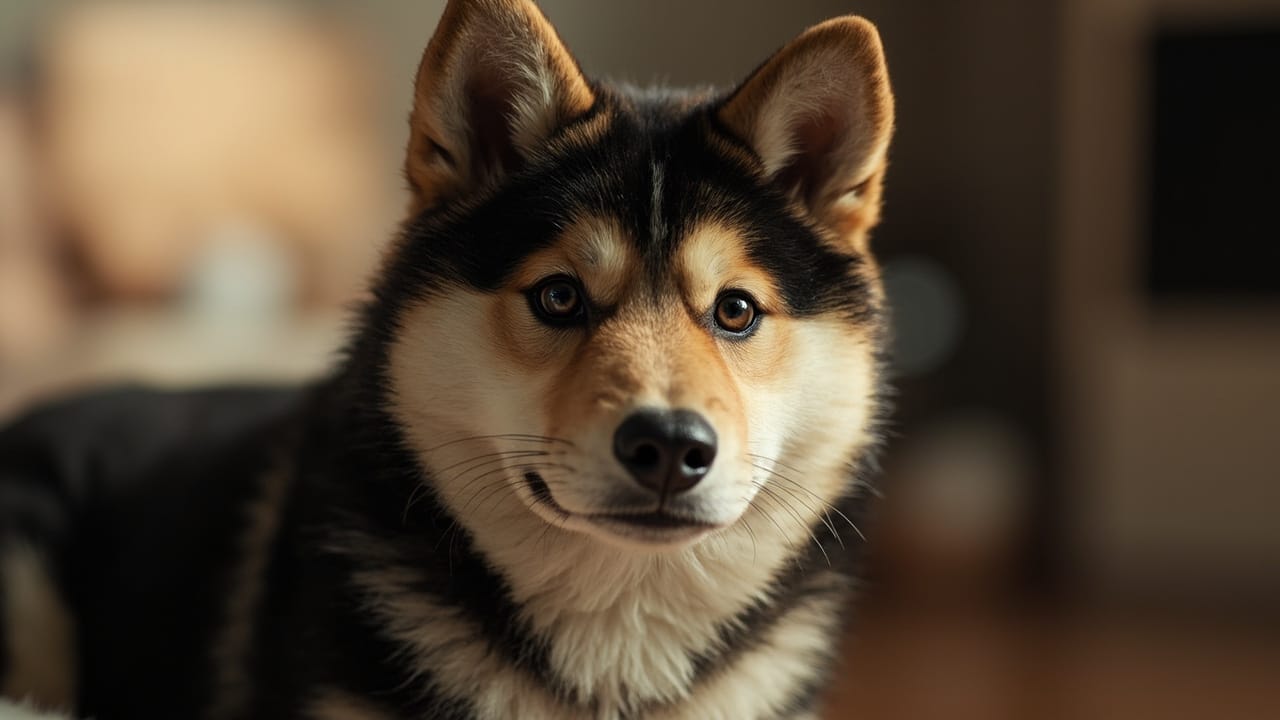
Can a Shiba Inu Live Safely With Rabbits or Small Pets?
Yes, but only with careful management. Shibas retain a strong prey drive, so rabbits, guinea pigs, hamsters, and other small pets should never be left unsupervised. Successful cohabitation requires early socialization, secure enclosures, and consistent training, plus accepting that some individuals will never be safe around small animals no matter how much training is done.
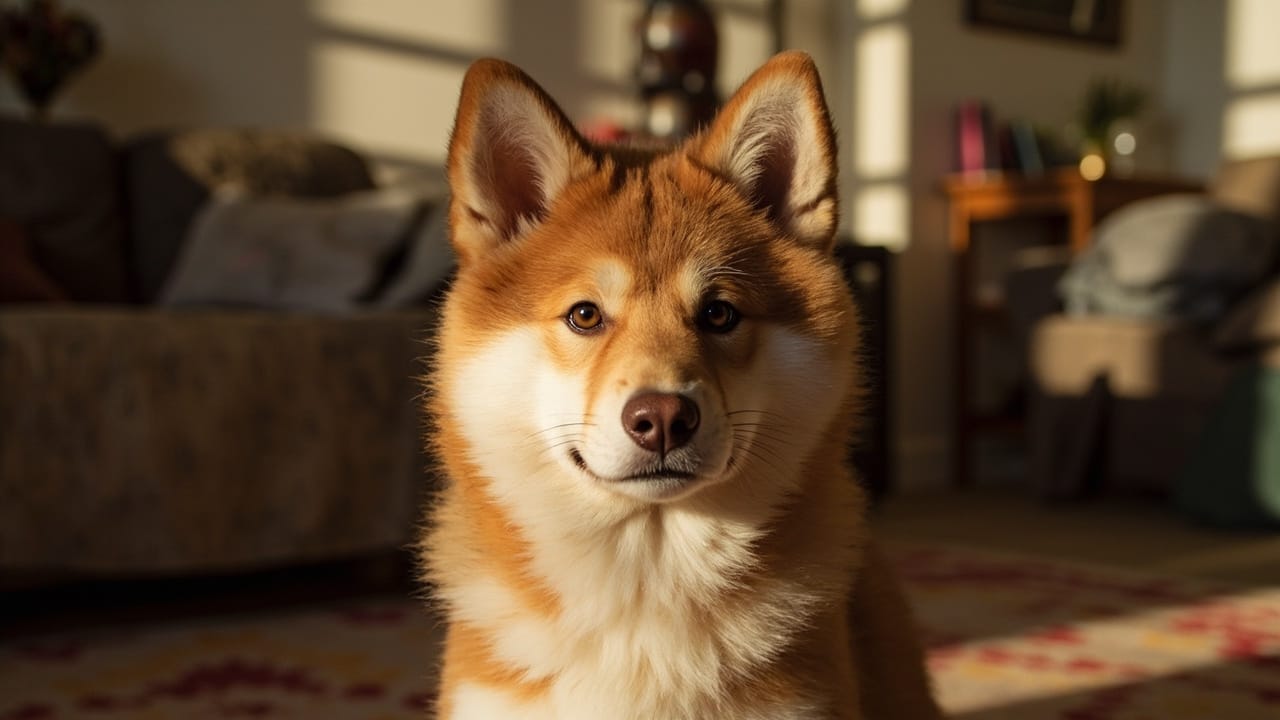
Helping Your Shiba Inu Adjust to a New Home: A Complete Guide
Most Shiba Inu need 2–4 weeks to fully settle into a new home. Keep their routine identical, set up a quiet 'safe room' with their bed and crate on day one, supervise exploration closely, and avoid overwhelming introductions to people, pets, or new outdoor spaces during the first 7–10 days.
How to Keep a Shiba Inu Safe at the Beach (Complete Guide)
Shiba Inus can enjoy the beach safely with preparation, but they need close supervision. Key risks include heatstroke, saltwater ingestion, sand impaction, sunburn on the urajiro (white) areas, and ear infections. Always provide shade, fresh water, and a properly fitted life jacket, and rinse your Shiba thoroughly with fresh water after every beach visit.
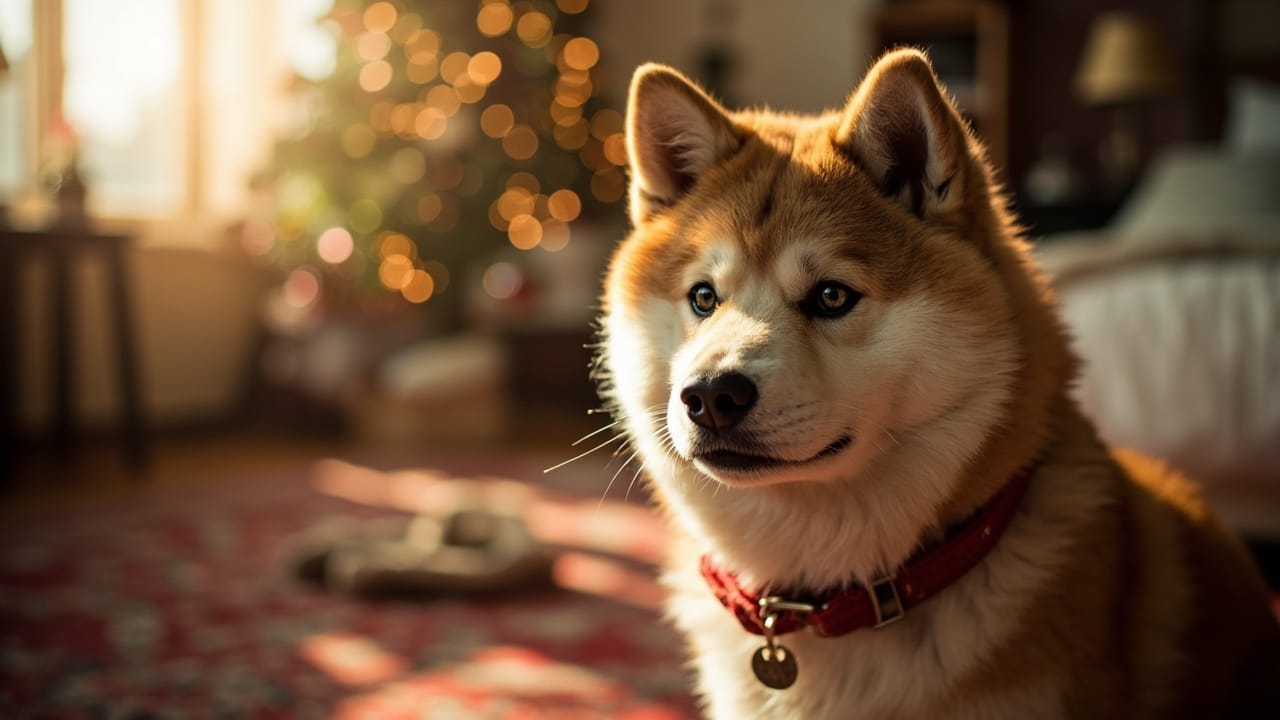
Christmas and Holiday Hazards Shiba Inu Owners Must Avoid
Shiba Inus face real holiday risks including chocolate, xylitol, raisins, tinsel, ribbon, cooked bones, and escape opportunities from visiting guests. Keep human food out of reach, secure the tree and decorations, and watch doors during gatherings to prevent a Shiba 500-style dash into the cold.
How to Stop Your Shiba Inu from Getting Carsick
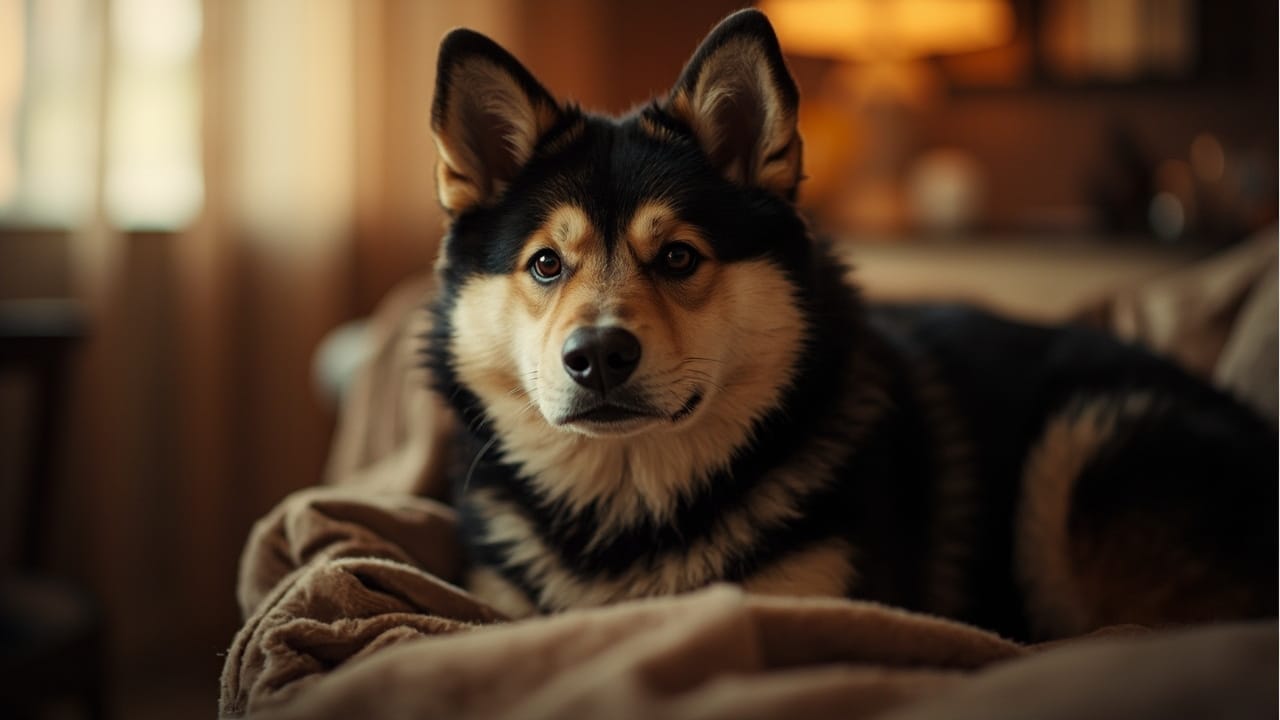
Shiba Inu car sickness usually comes from an underdeveloped vestibular system (most common under 12 months) combined with motion triggers like low seating, warm air, and anxiety. Prevent it by withholding food for 4-6 hours before the trip, using a secured crate or crash-tested harness, lowering car windows slightly for pressure equalization, and taking short practice drives. For persistent cases, ask your vet about cerenia (maropitant) or meclizine, and address the anxiety half of the problem with desensitization training.
How to Calm a Shiba Inu During Thunderstorms: A Complete Guide
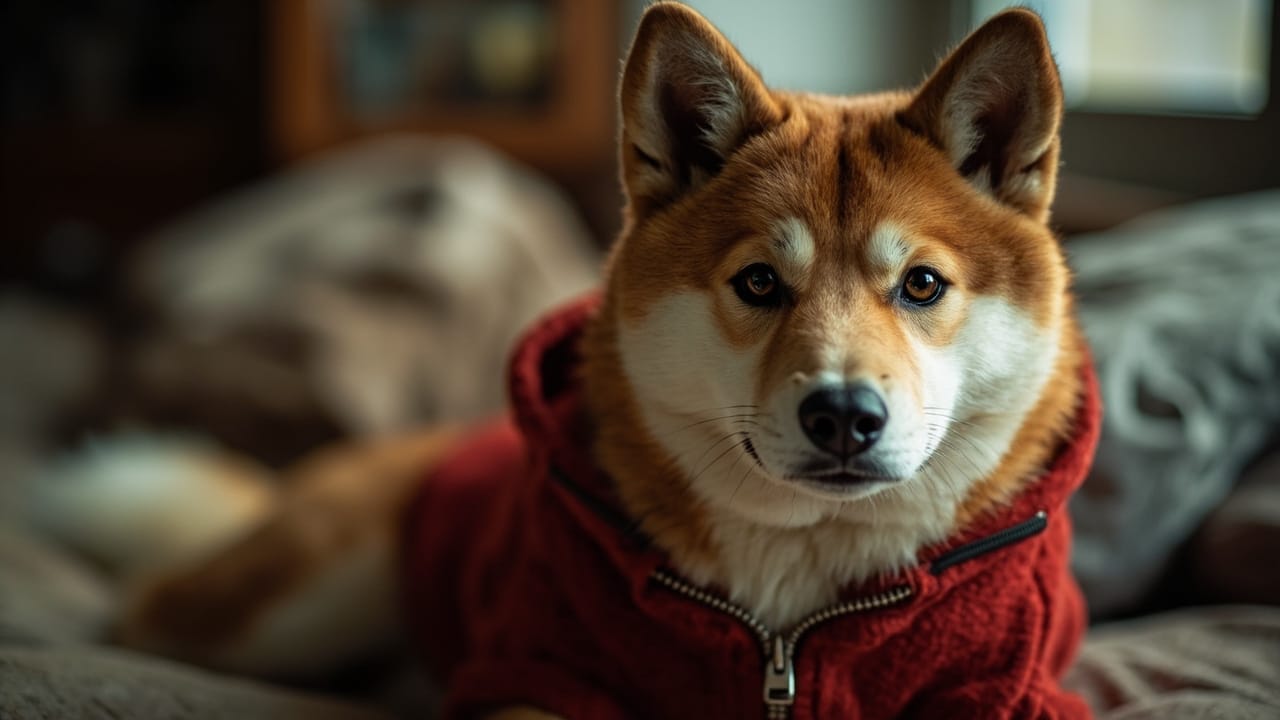
Shiba Inu noise anxiety during storms responds best to a layered approach: create a safe den-like space, use desensitization training weeks before storm season, and consider a compression wrap or vet-approved calming aids. Never punish trembling or try to 'train out' fear during the storm itself — your calm presence matters more than any product.

How to Help Your Shiba Inu Cope with Fireworks
Shiba Inu cope with fireworks by being given a safe, enclosed indoor space well before the noise starts, paired with desensitization training, calming aids, and never left outside during displays. Their alert, primitive temperament makes them especially prone to noise phobia, so early preparation is essential.
How Well Do Shiba Inus Handle Cold Climates? A Complete Guide
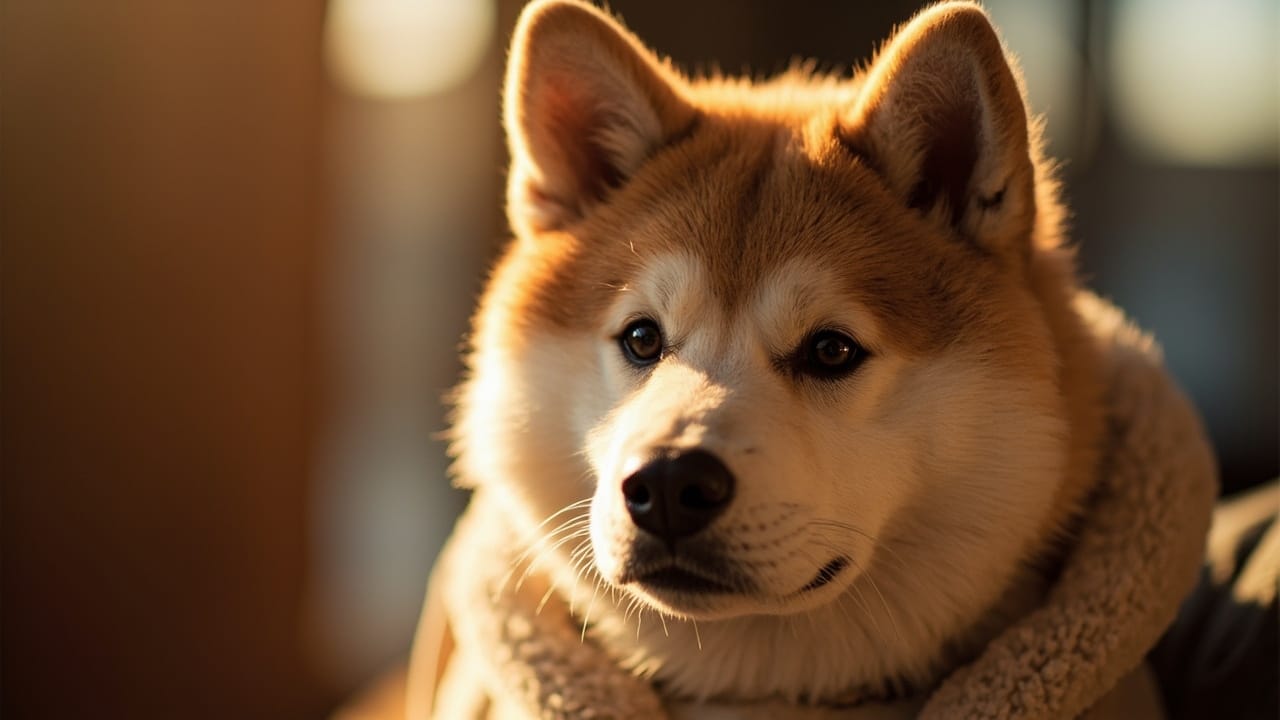
Shiba Inus handle cold climates remarkably well thanks to their thick double coat and northern Japanese heritage, comfortably tolerating temperatures down to about 20°F (-7°C). They can manage colder snaps briefly but are not built for extreme sub-zero conditions and need extra precautions once temperatures drop below 0°F (-18°C).

How Do Shiba Inus Cope in Hot Weather? A Climate Guide
Shiba Inus can live in hot countries, but they are double-coated dogs built for cold Japanese mountains, so they need active cooling management. Expect heavy year-round shedding in the tropics, plus summer coat blow-outs, and always provide shade, fresh water, and air conditioning during heatwaves above 32°C (90°F).

Shiba Inu in an Apartment vs. House: Which Is Better?
A Shiba Inu can thrive in either an apartment or a house, provided their exercise, mental stimulation, and escape-proofing needs are fully met. Their small-to-medium size (roughly 8-10 kg), quiet indoor manners, and cat-like cleanliness make apartments workable, but their vocal protests, prey drive, and talent for bolting through open doors make a securely fenced house the easier environment.

2-Month vs 3-Month Shiba Puppy: Key Differences Explained
A 2-month Shiba is a wobbly, fully weaning neonate still settling in; a 3-month Shiba is a confident, vaccine-ready adolescent who has learned bite inhibition, started house-training, and begun showing the breed's independent streak. Expect nearly double the weight, sharper senses, and a much longer attention span at 12 weeks.

First Night With a Shiba Inu Puppy: A Survival Guide
Shiba Inu puppies are notoriously vocal and independent on their first night away from the litter. The single most important rule: do not reward crying with attention, or you will teach your Shiba that screaming is the fastest way to summon you. Set up a crate or pen in your bedroom, ignore the protest, and expect 2-4 hours of intermittent wailing before your Shiba settles in.
Shiba Inu Puppy Development: A Week-by-Week Guide (0–16 Weeks)
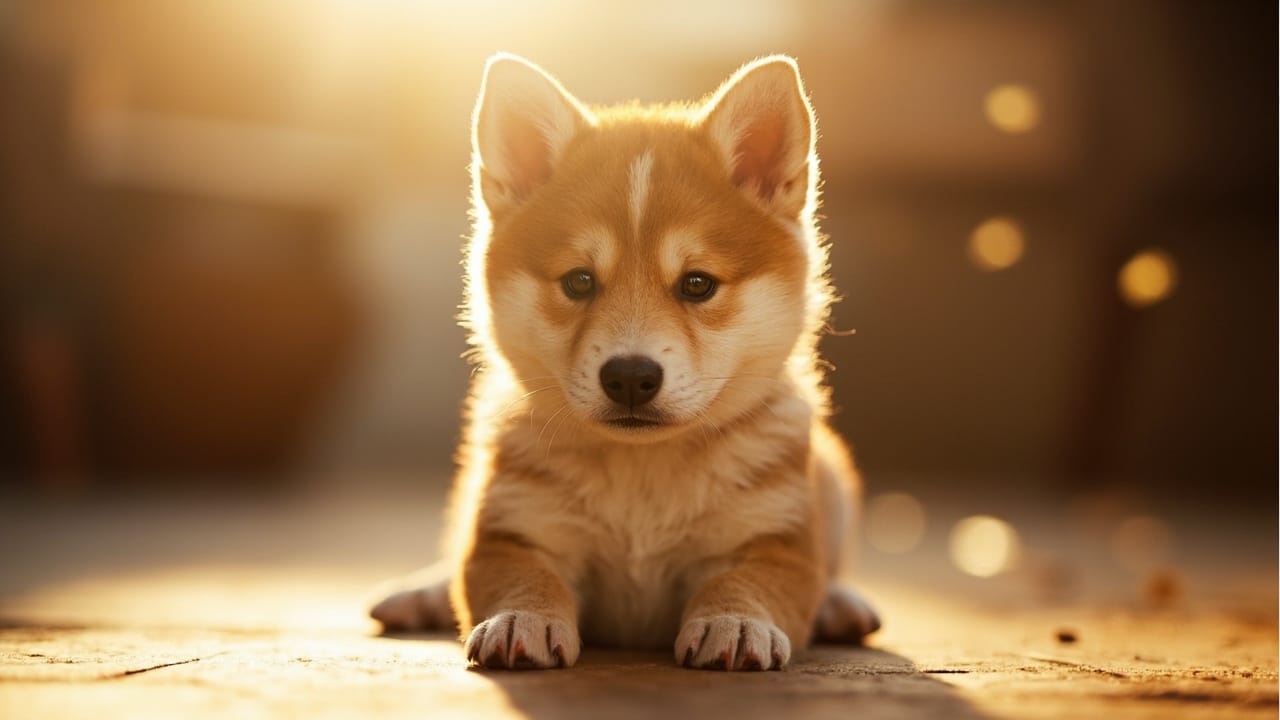
Shiba Inu puppies follow a predictable developmental arc from a blind, deaf neonate at week 1 to a confident, independent juvenile by week 16. The most critical socialization window falls between weeks 3 and 12, when exposure to people, sounds, surfaces, and handling directly shapes the breed's famously aloof, primitive temperament.

What Should a 1-Year-Old Shiba Inu Be Like? Full Guide
A 1-year-old Shiba Inu is essentially a teenager: fully grown in height at 35–43 cm (males) or 33–41 cm (females), weighing roughly 8–10 kg, and sexually mature but still emotionally immature. Expect high energy, stubborn behavior, ongoing teething, and the fading of puppy chaos into a more independent, alert adult temperament.

Shiba Inu at 6 Months: What Changes and What to Expect
At 6 months, a Shiba Inu enters adolescence: hormonal shifts trigger marking, mounting, and selective listening; the growth curve flattens, adult coat coloring sets in, and the puppy socialization window closes. This is when consistent training, secure containment, and spay/neuter decisions become critical, not optional.

What Is a 4-Month-Old Shiba Inu Like? A Complete Owner Guide
A 4-month-old Shiba Inu is a curious, sharp, and surprisingly independent puppy entering a critical socialization and teething window. Expect short bursts of energy, the first hints of the famous Shiba attitude, rapid learning, and a coat that's still soft before the first major shed.

8-Week-Old Shiba Inu Puppy: What to Expect in the First Weeks Home
An 8-week-old Shiba Inu is a small, fluffy, fast-learning puppy weighing roughly 1.5-2.5 kg, ready to leave mom and bond with you. Expect a confident, cat-like personality, a strong start on house training, early socialization, and the first signs of the famous Shiba independence and prey drive.

Introducing a Shiba Inu to a New Baby: A Step-by-Step Guide
Prepare your Shiba months before baby arrives by desensitizing them to baby sounds and smells, establish new boundaries and routines early, and always supervise first interactions on neutral ground with the dog on a leash. With consistent training and patience, most Shibas adjust well to a new baby within a few weeks.
Owning More Than One Shiba Inu: What to Expect
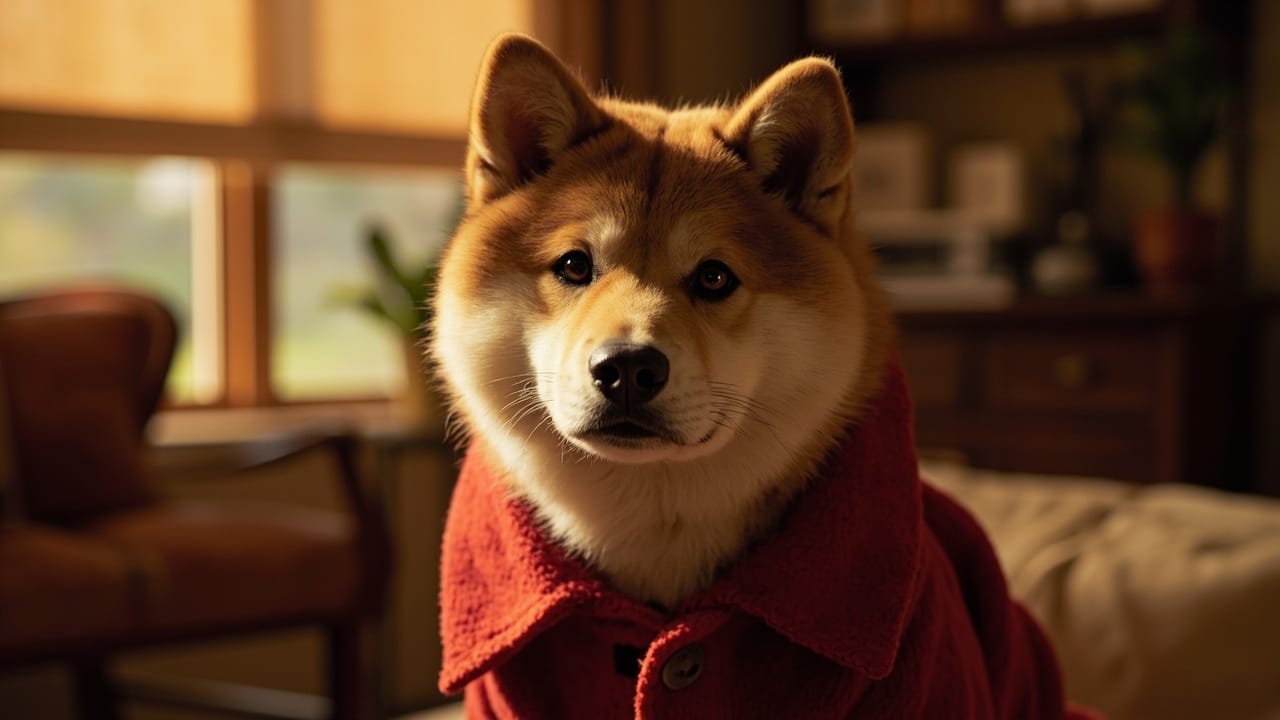
Owning multiple Shiba Inus is rewarding but demanding. Same-sex pairs often clash, so most experienced owners keep one male and one female. You'll double the grooming, training, and veterinary costs, and your home needs solid management to prevent resource guarding and the legendary 'Shiba 500.'

Male vs Female Shiba Inu: Key Differences in Size, Temperament & Care
Male Shiba Inus are noticeably larger and more physically imposing, while females are smaller, often more independent, and tend to mature faster emotionally. Both sexes share the breed's signature cat-like aloofness, but males are typically more cuddly and goofier, whereas females are sharper, more alert, and frequently more territorial with other dogs.

Can Shiba Inus Handle Hot Climates? A Complete Guide
Yes, Shiba Inus can live in hot climates, but their thick double coat makes them heat-sensitive. With proper shade, constant water access, limited midday exercise, and never leaving them in a parked car, most Shibas adapt well to warm regions like the southern United States, Australia, and Mediterranean countries.

How Well Do Shiba Inus Tolerate Cold Weather? A Complete Guide
Shiba Inus handle cold weather better than most dogs thanks to a thick double coat, but they are not built for extreme cold, prolonged outdoor exposure, or wet conditions. Comfortable range is roughly 30–50°F; below 20°F, most Shibas need a coat, limited outside time, or indoor rest.

Are Shiba Inus Good Guard Dogs or Watchdogs? An Honest Answer
Shiba Inus are surprisingly capable watchdogs but poor guard dogs. They are alert, territorial, and quick to bark at strangers or unusual sounds, yet they are too small, too independent, and too non-aggressive toward humans to physically protect property or subdue an intruder.

Can Shiba Inus Be Left Alone? Duration, Tips & What to Expect
Yes, Shiba Inus can be left alone, but only for short periods — typically 4 to 6 hours for adults and a maximum of 2 hours for puppies. They are an independent breed that tolerates solitude better than many dogs, but they still need daily companionship, mental stimulation, and a secure environment to prevent destructive behavior and separation anxiety.

Is a Shiba Inu a Good First Dog? Honest Beginner Guide
Honestly, no — the Shiba Inu is usually not a good first dog. They are intelligent but fiercely independent, strong-willed, and notoriously difficult to train, which can overwhelm first-time owners. They do best with experienced handlers who understand dog behavior, can provide firm and consistent boundaries, and have the patience to earn a Shiba's respect rather than demand its obedience.

Can a Shiba Inu Live in an Apartment? Yes, Here’s How
Yes, a Shiba Inu can thrive in an apartment. This small, quiet, and clean breed is well-suited to smaller living spaces, provided their exercise, mental stimulation, and social needs are met consistently by an attentive owner.

Do Shiba Inus Get Along With Cats and Other Dogs? Complete Guide
Shiba Inus can get along with cats and other dogs, but success depends heavily on early socialization, individual temperament, and the specific dynamics at play. Many Shibas coexist peacefully with cats they've been raised with, while same-sex dog pairings and small pets can trigger their strong prey drive. A careful, gradual introduction is essential for any multi-pet household.

Is a Shiba Inu Right for Me? A Honest Owner’s Guide
A Shiba Inu is right for you if you value an independent, clean, cat-like companion and can provide consistent training, secure containment, and tolerance for their famously strong personality. They are a poor match for first-time dog owners, families with very small children, apartment dwellers unwilling to invest in training, or anyone expecting a cuddly, instantly obedient retriever-type dog.

Are Shiba Inus Good Family Dogs? Honest Guide for Parents
Shiba Inus can be good family dogs in the right household, but they are not a typical 'family-friendly' breed. They do best with older, respectful children (usually 6+) and owners who appreciate an independent, cat-like temperament rather than a clingy retriever personality.